


Personal Development and Wellbeing
At Marwood Primary School, we believe that every child should achieve personally as well as academically, feel a sense of belonging to their school community and thrive in everything they do. Our Personal Development and Wellbeing programme is designed to nurture confident, resilient, knowledgeable and compassionate young people who are ready for the next stage of their education and life beyond primary school.
Personal Development at Marwood is not an add‑on but is woven through everything we do, from our curriculum and assemblies to our pastoral support, leadership opportunities, outdoor learning and enrichment.
Our approach: supporting the whole child
We are committed to the whole‑child development of every pupil at Marwood Primary School. This means we focus not only on academic success, but also on:
- Emotional wellbeing and mental health
- Character, values and sense of identity
- Social skills and relationships
- Respect, inclusion and understanding of diversity
- Physical health and healthy lifestyles
- Independence, resilience and confidence
Our approach is rooted in our school values and underpinned by Thrive, relational practice, an explicit behaviour curriculum, high‑quality PSHE/RHE education, and a wide range of experiences that build cultural capital.
What does Personal Development look like at Marwood?
1. PSHE & RHE: A structured, high‑quality curriculum
We follow the SCARF programme to deliver a well‑sequenced PSHE & Relationships/Health Education curriculum.
Through weekly lessons and assemblies, pupils learn about:
- Emotional literacy and self‑regulation
- Friendships, families and respectful relationships
- Healthy lifestyles
- Safety (including online safety)
- Aspirations and goal‑setting
- Growing and changing (RSE)
Learning builds year on year with pre‑ and post‑unit assessments to monitor knowledge and understanding.
2. Thrive & pastoral support
The Thrive Approach is embedded across the school to promote emotional wellbeing.
- Staff are trained to recognise emotional and developmental needs.
- Thrive action plans support targeted pupils.
- Calm corners and Zones of Regulation help children recognise and manage emotions.
- Pupils feel safe and know how to seek help — reinforced through surveys and pupil voice.
Thrive ensures we support children proactively, not reactively.
Thrive information leaflet for parents/carers.pdf
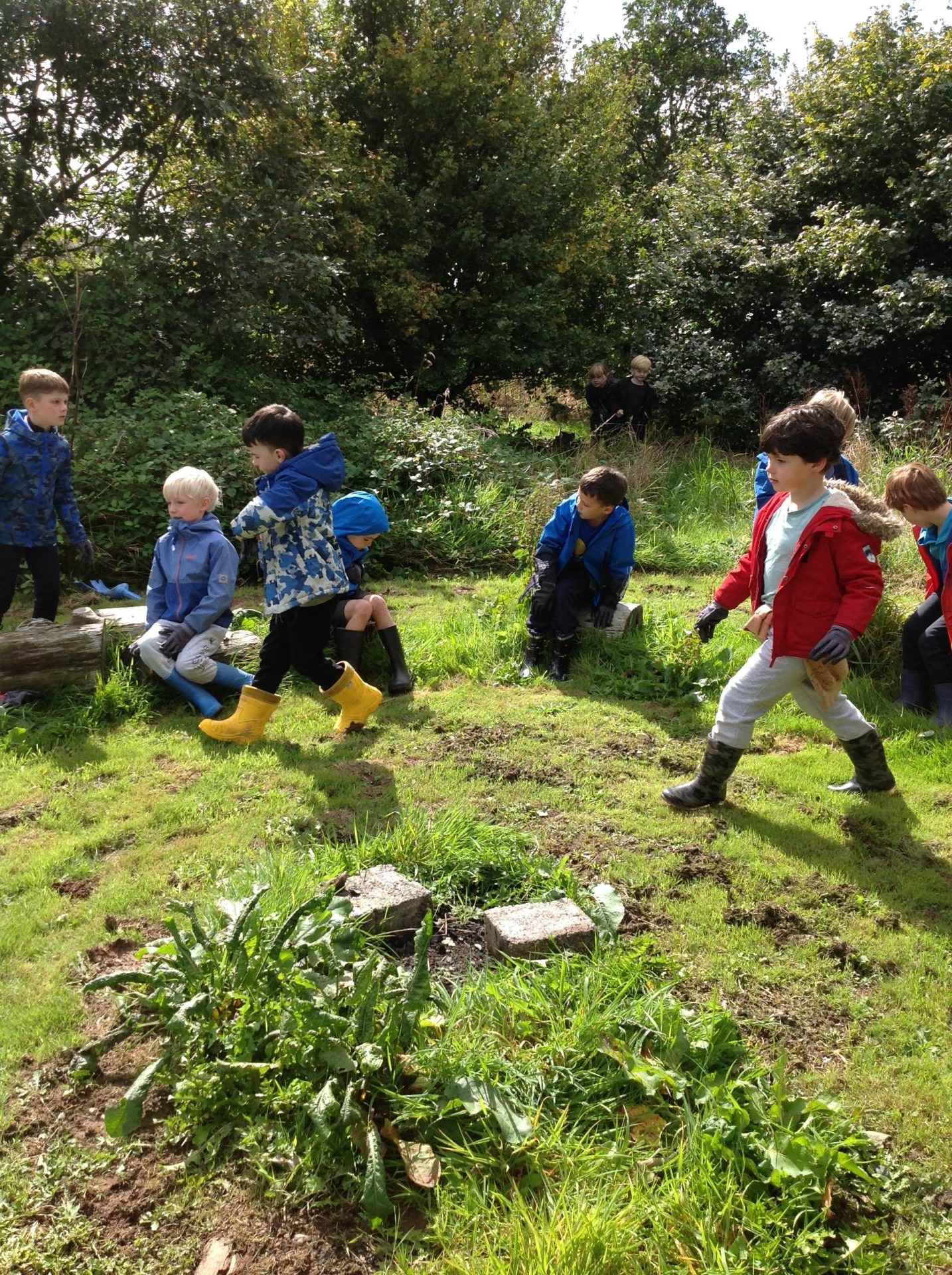
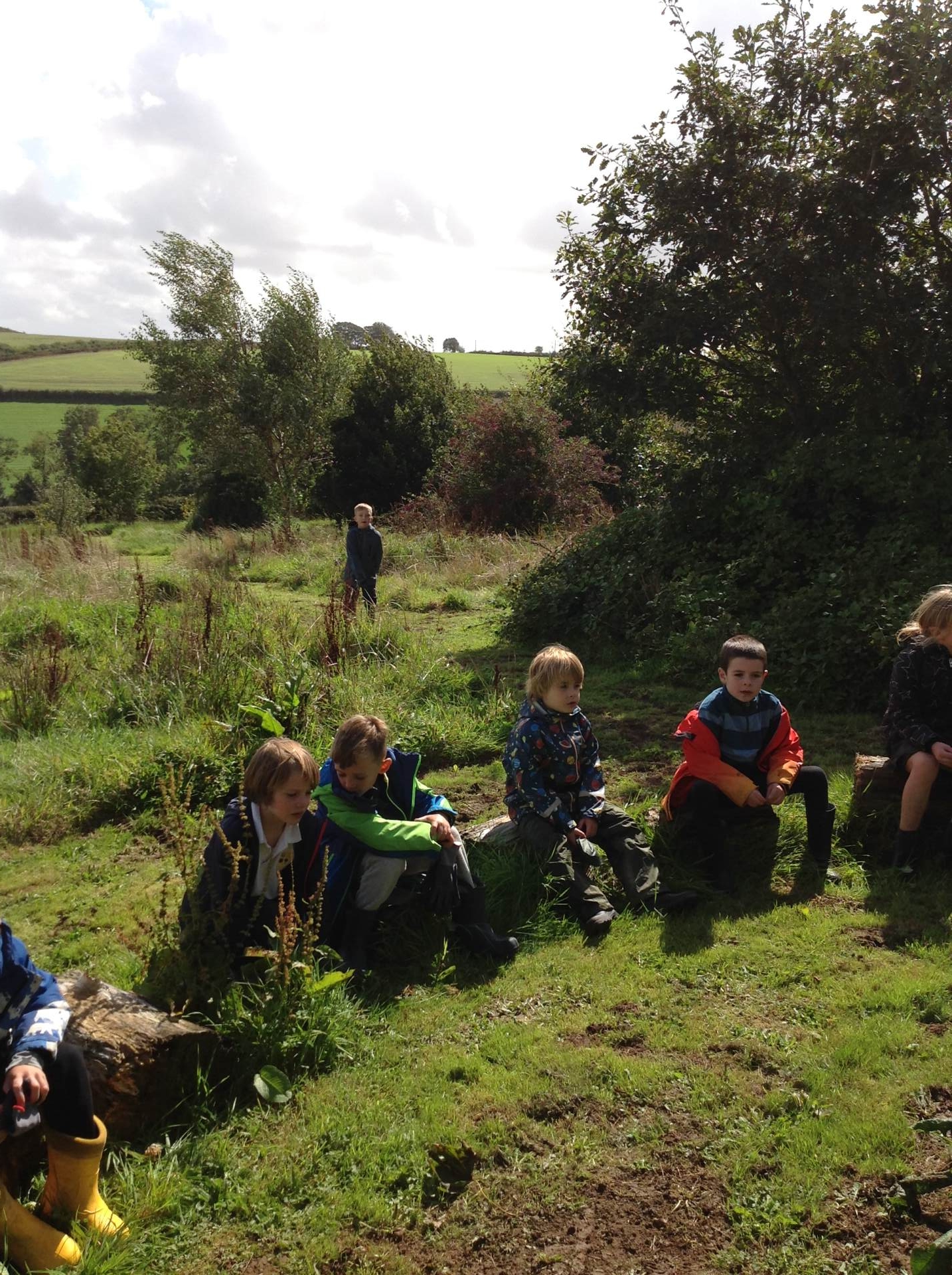
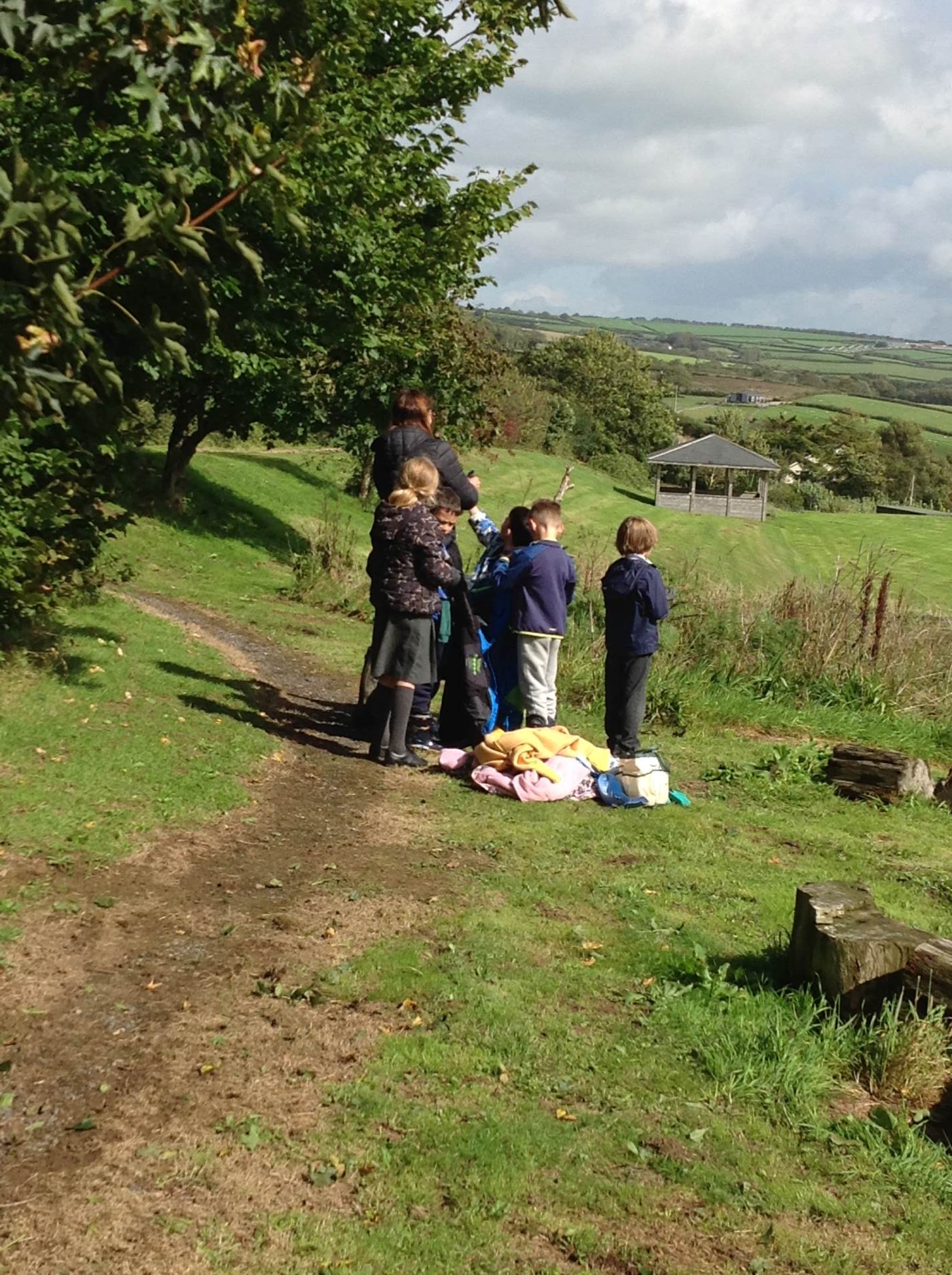
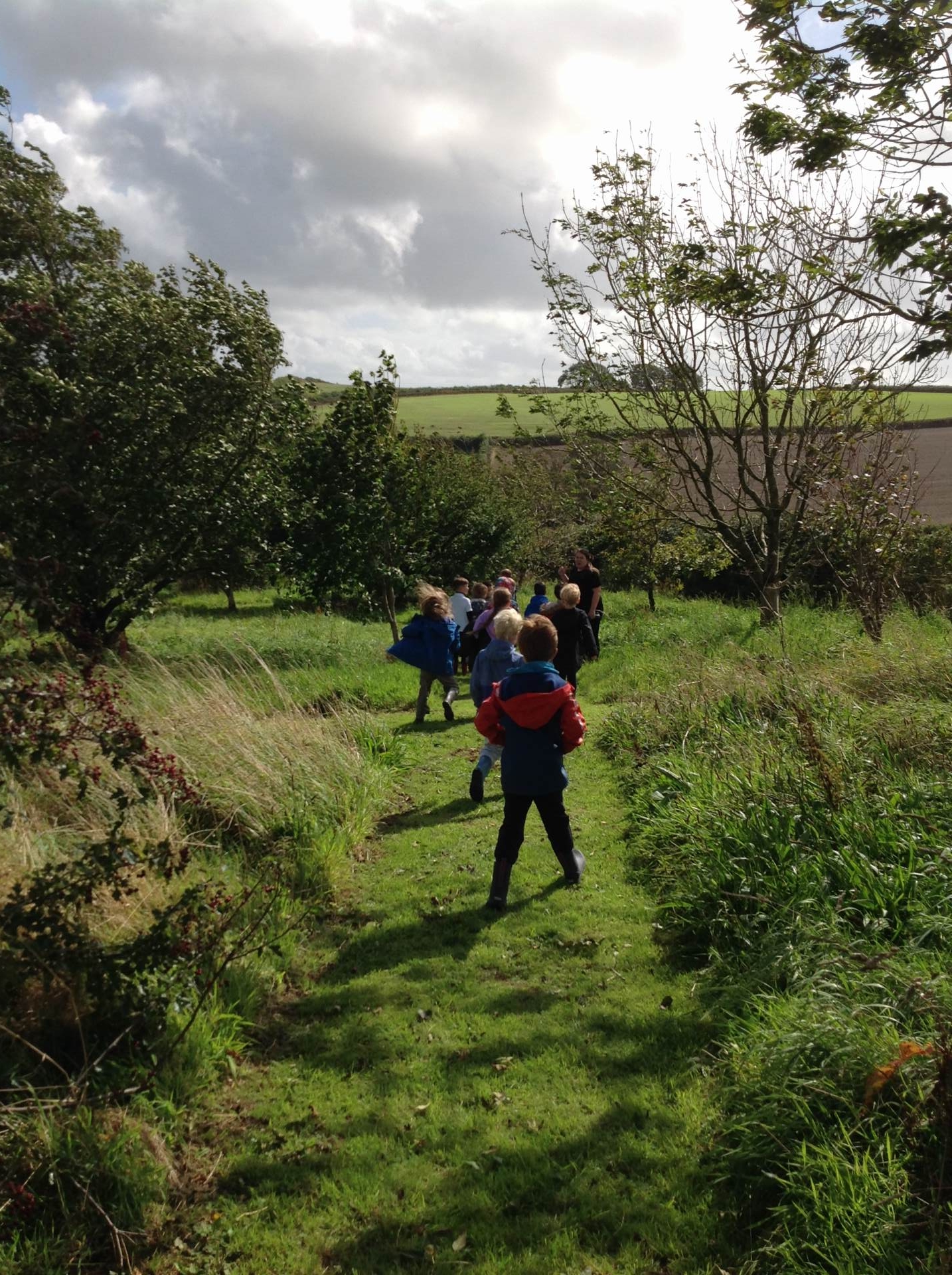
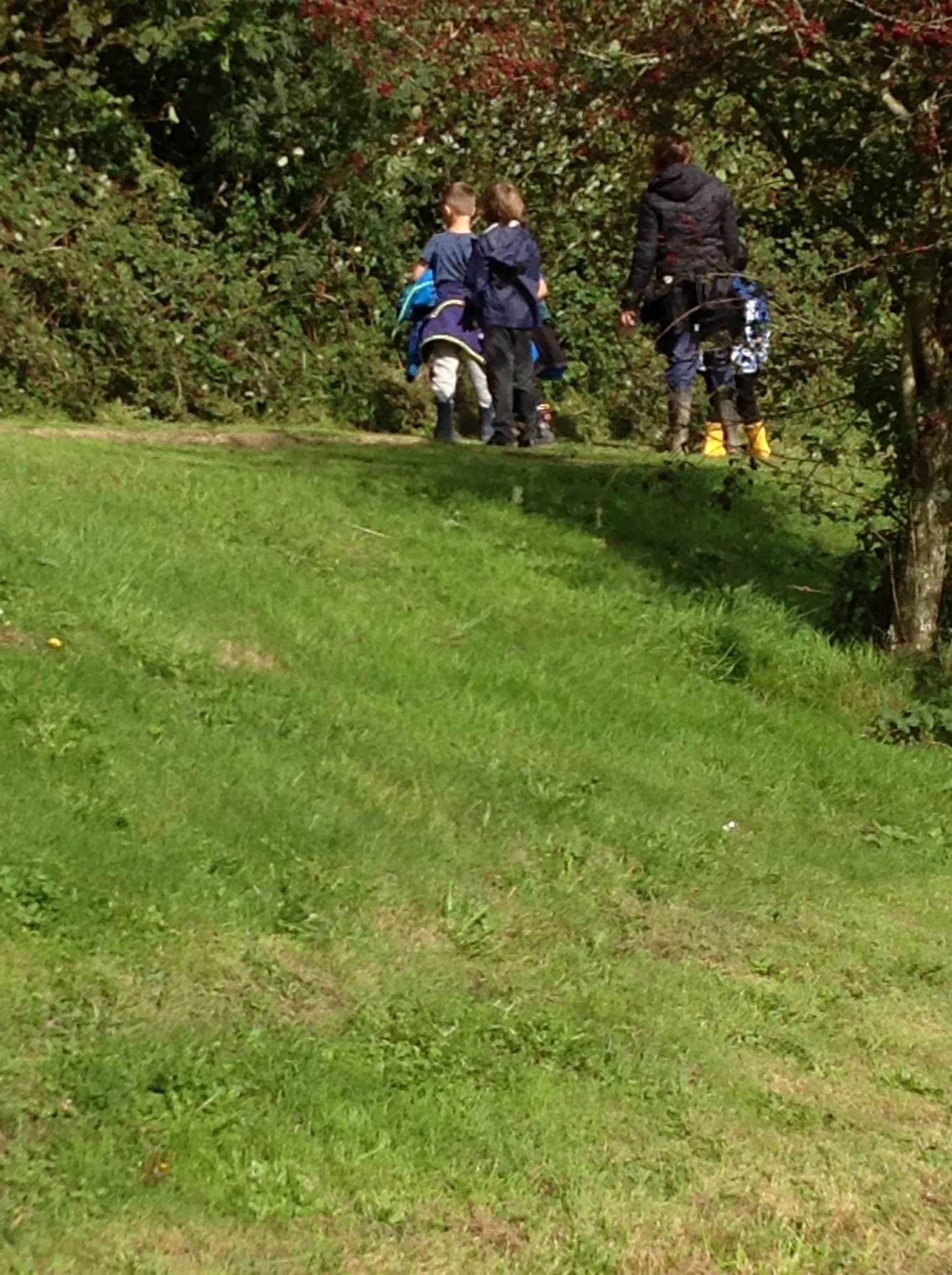
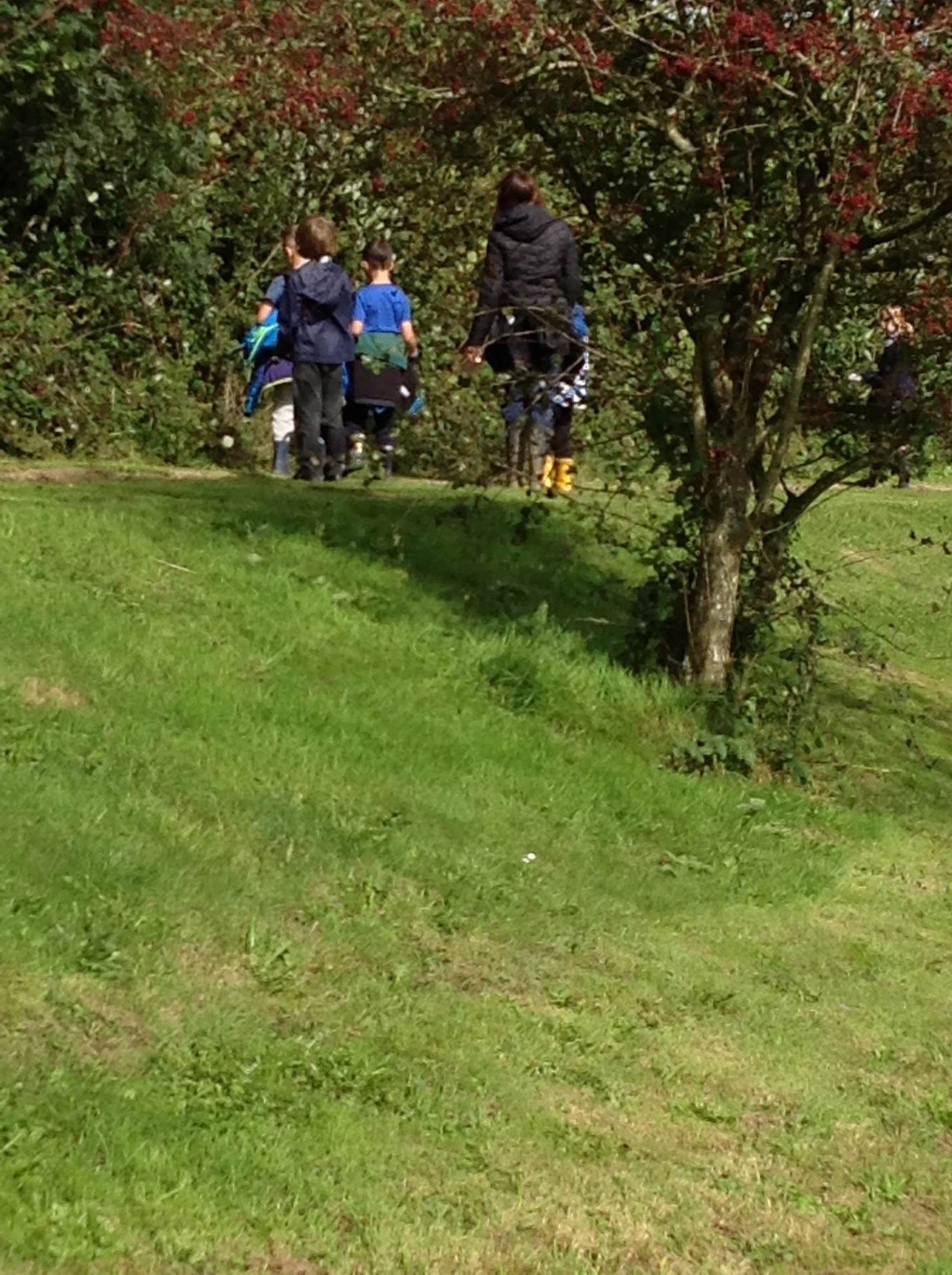
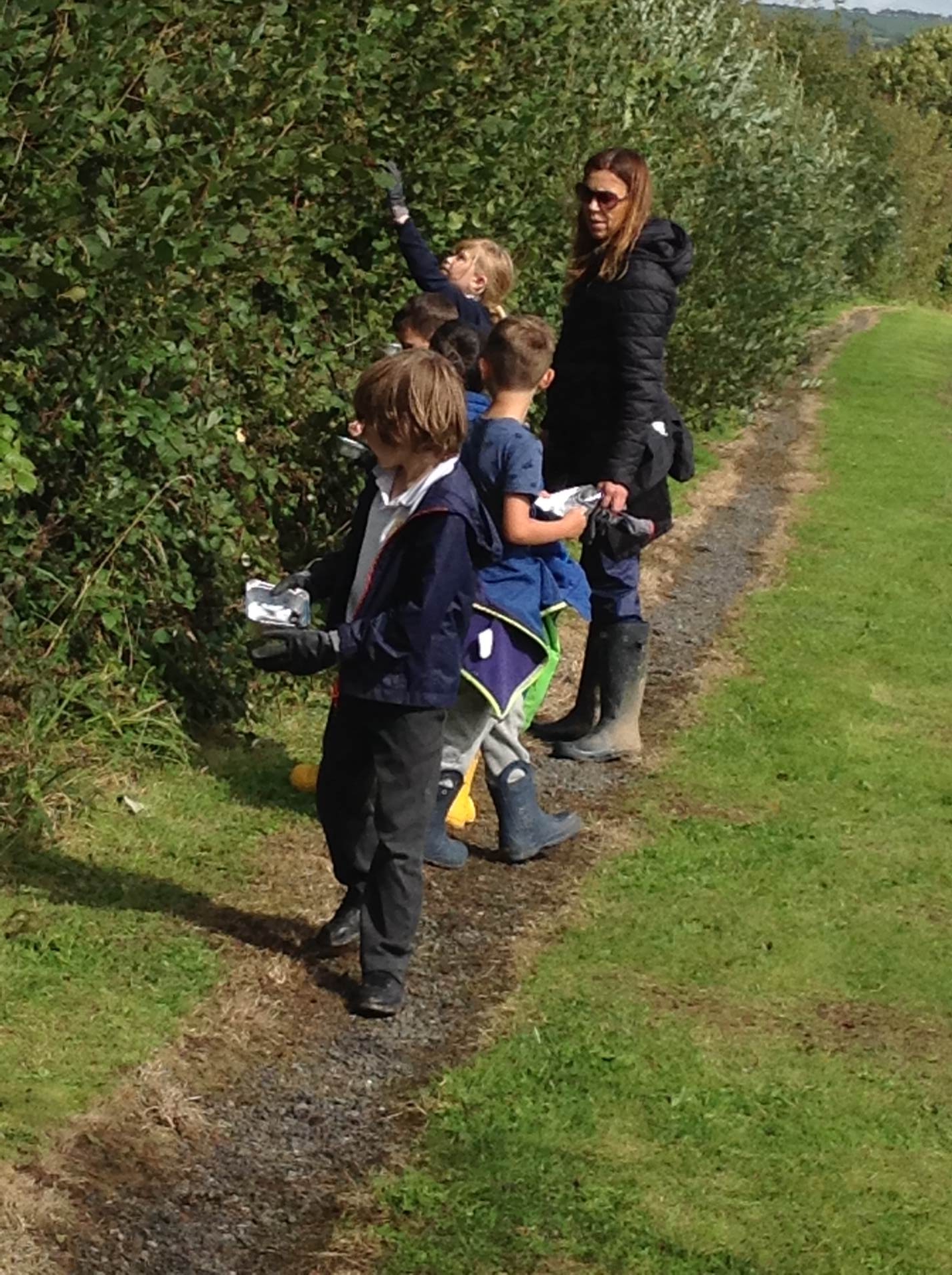
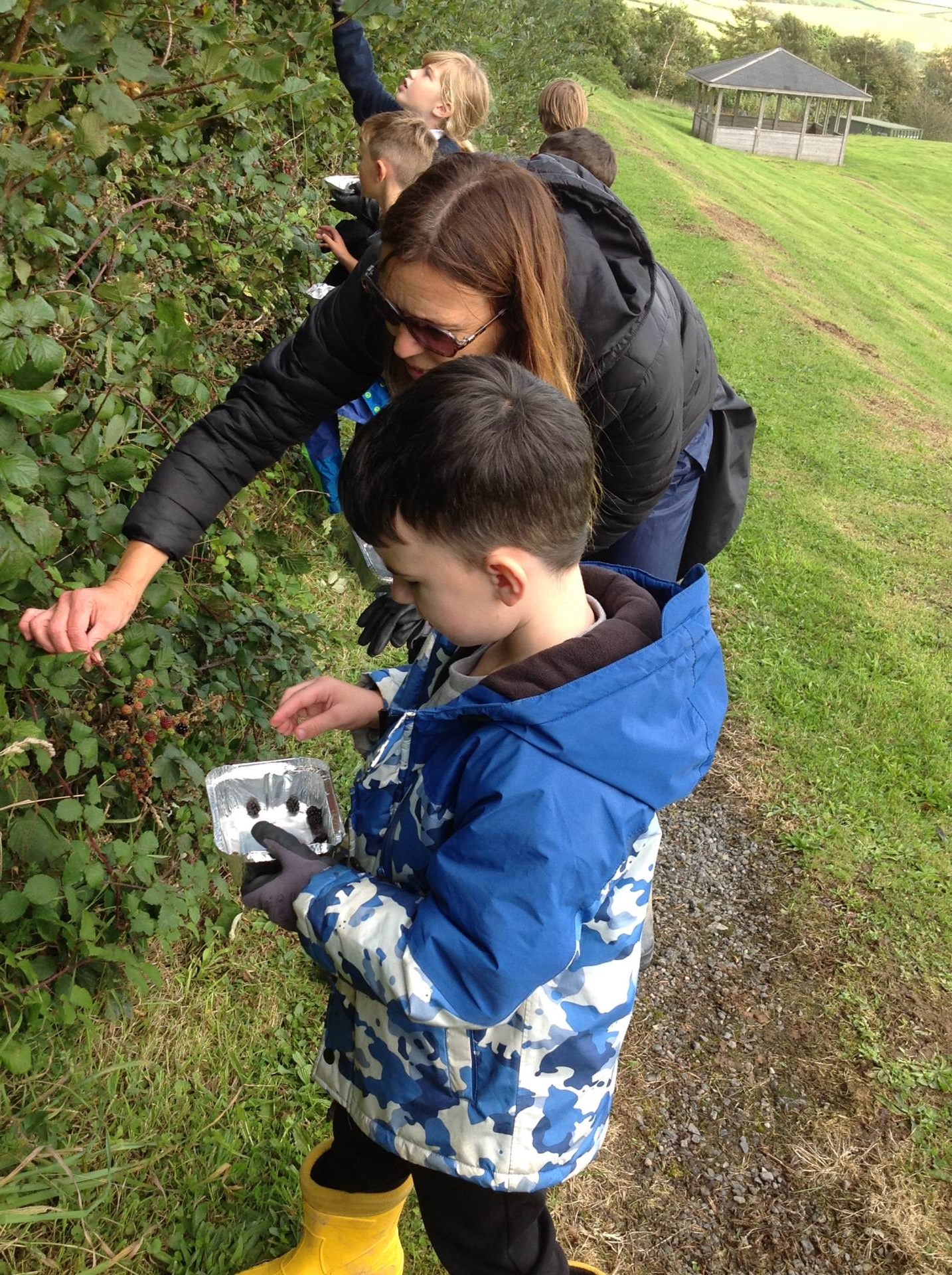
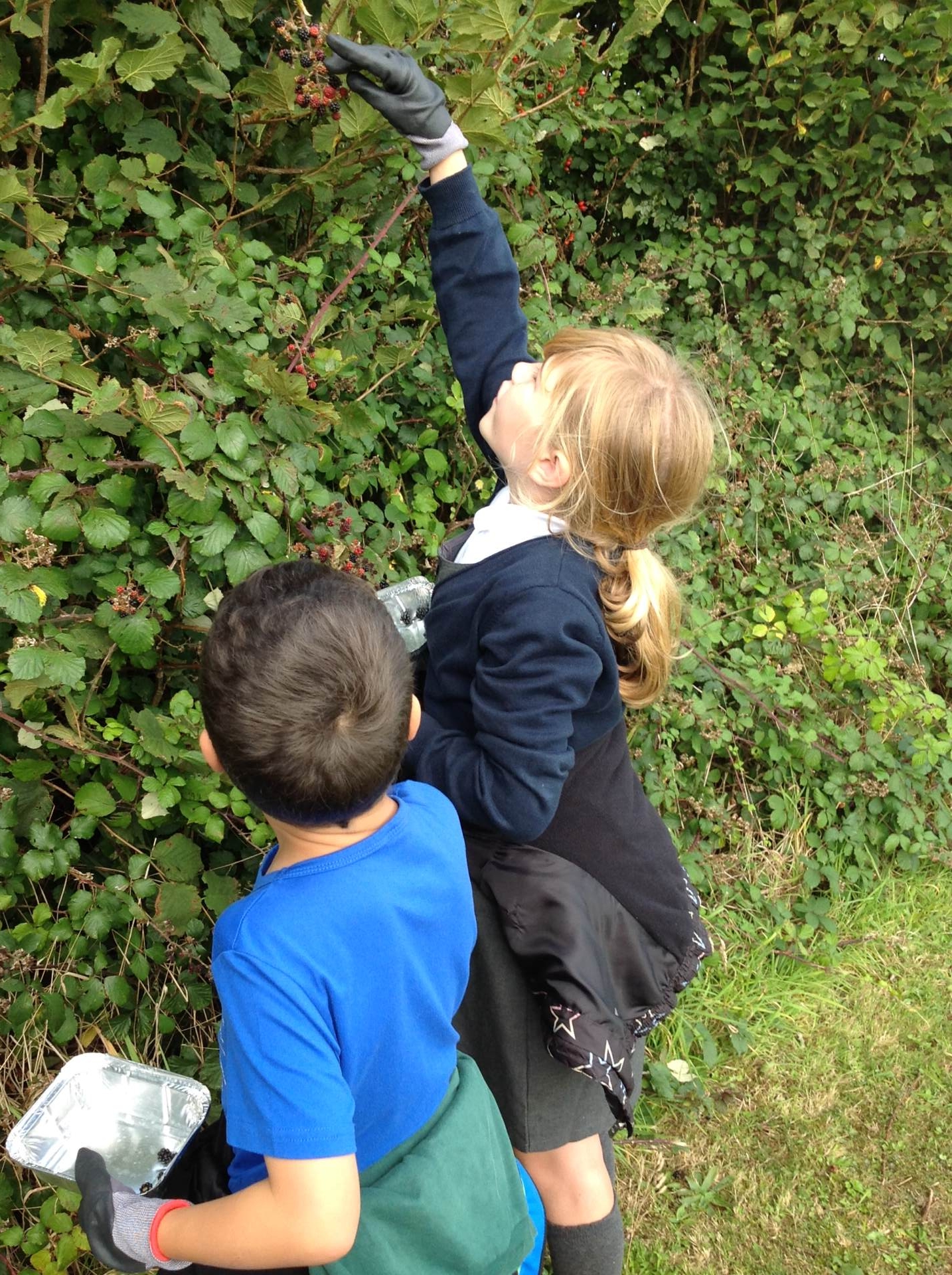
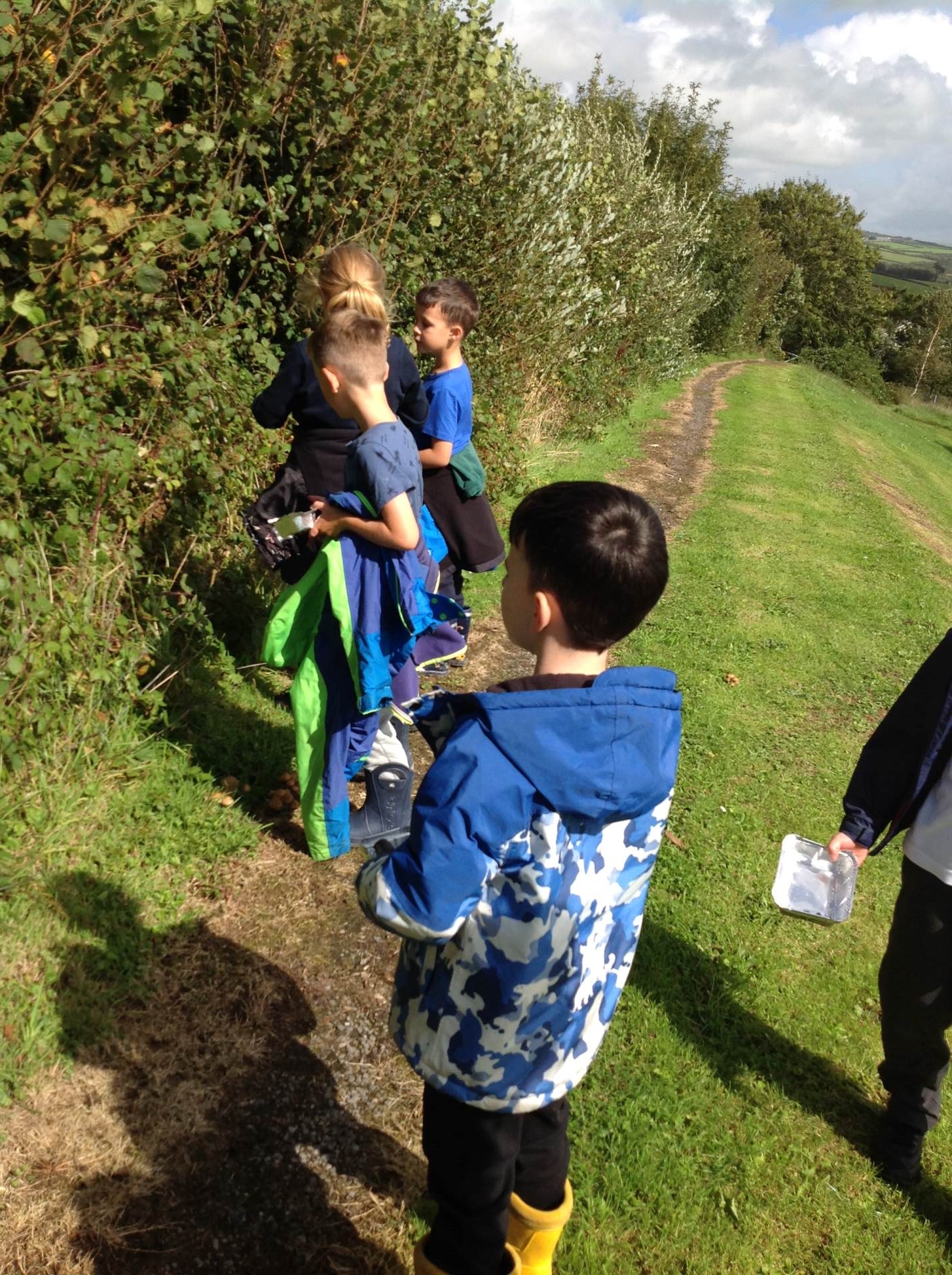
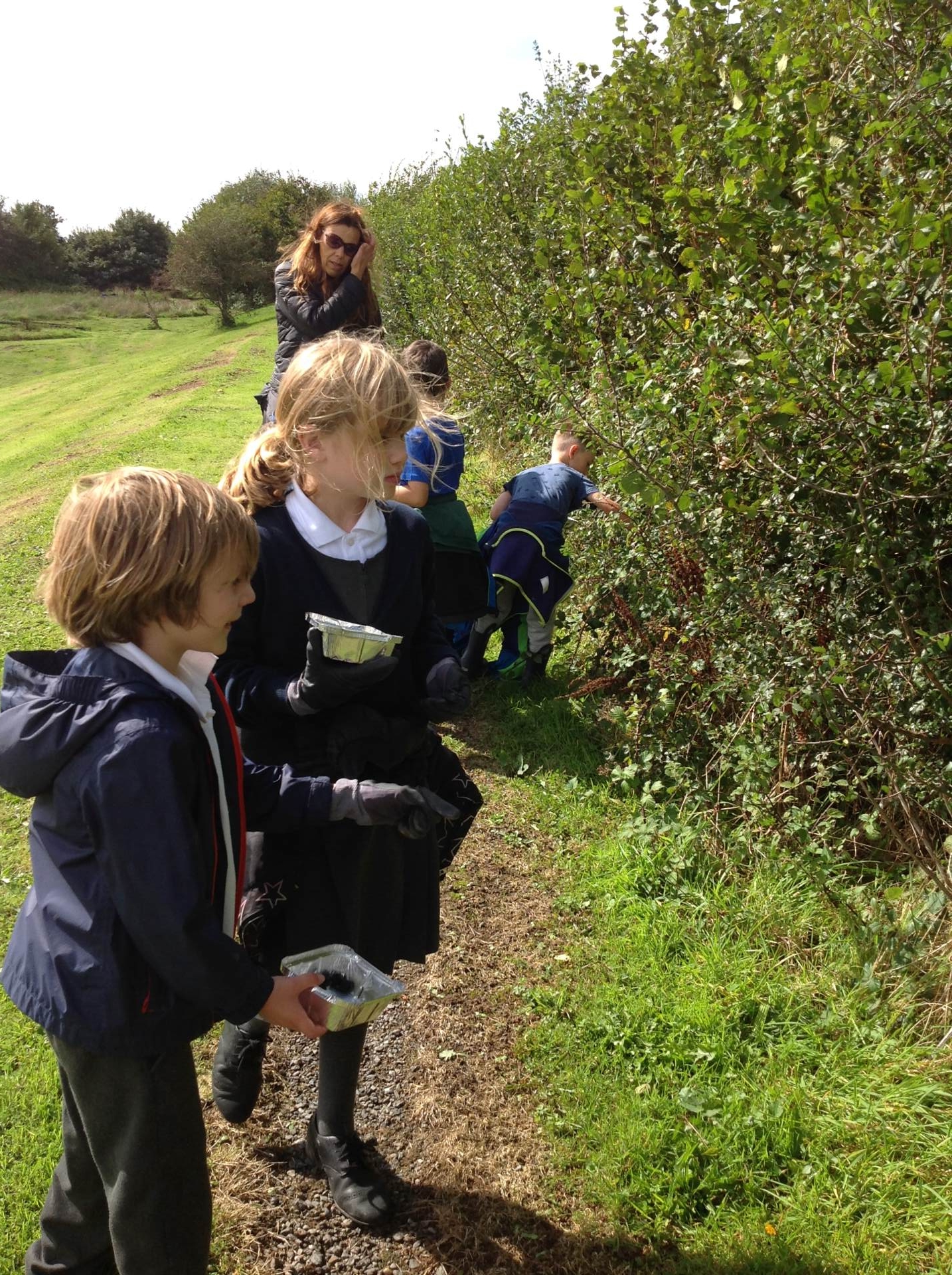
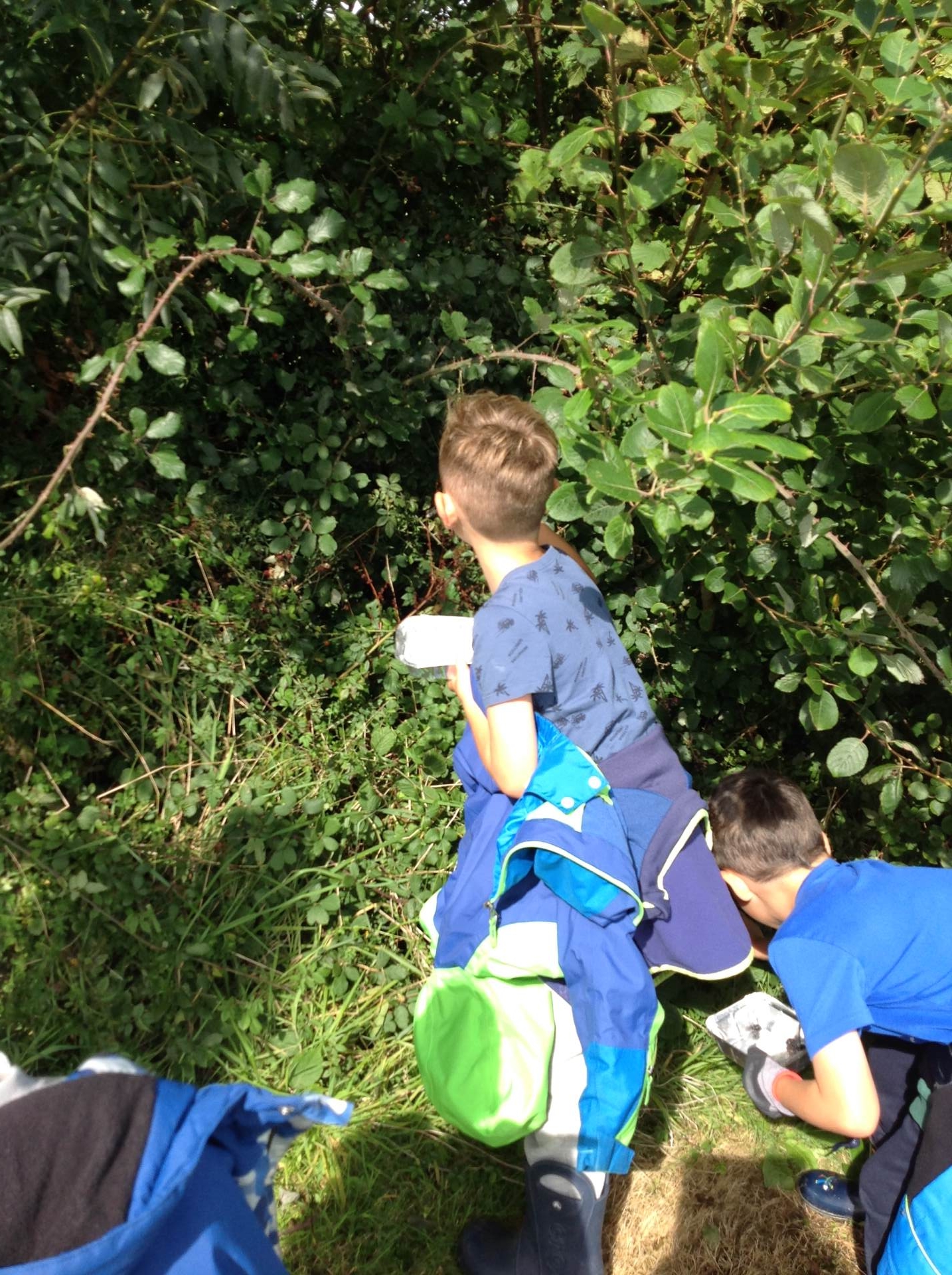
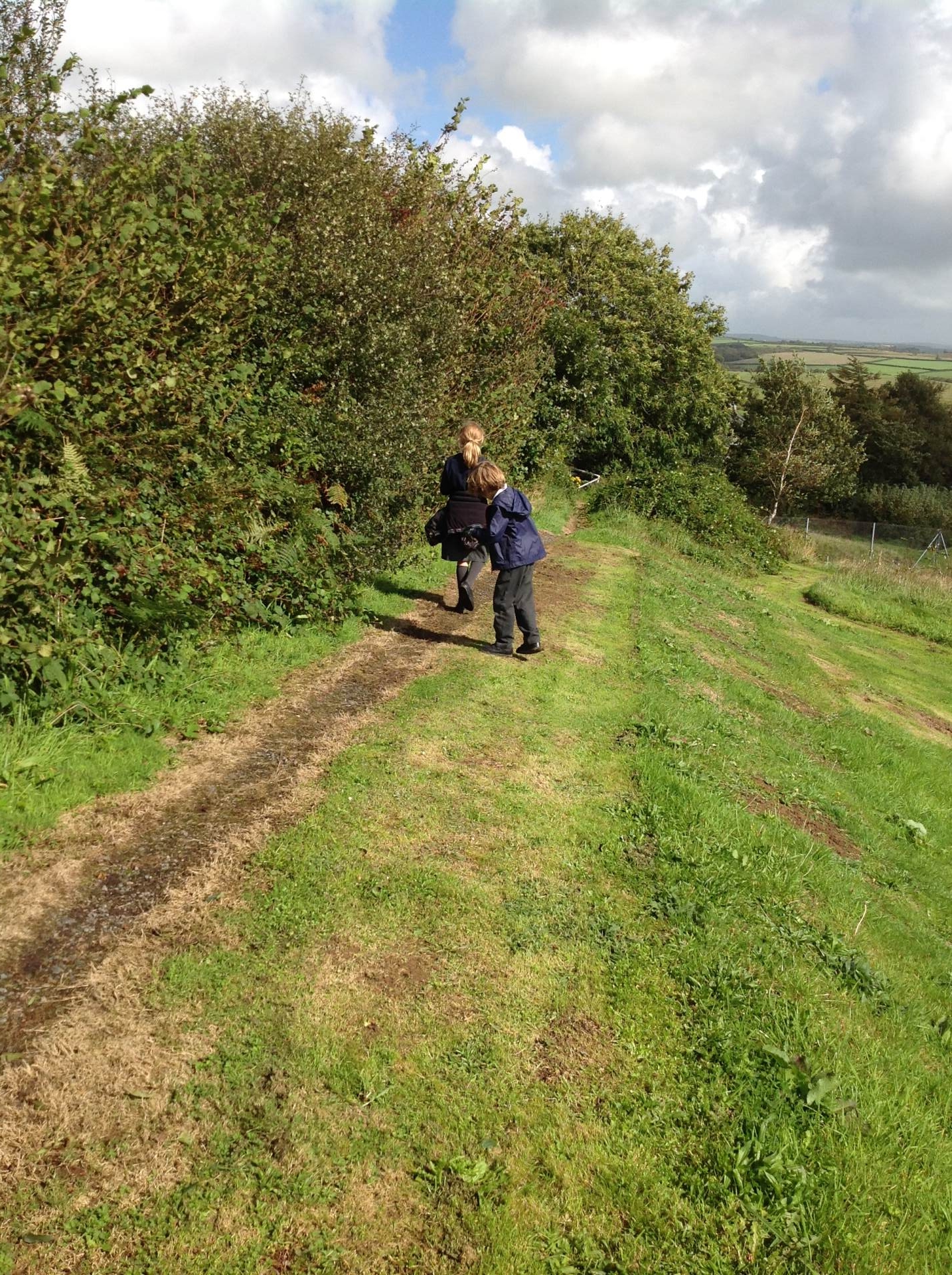
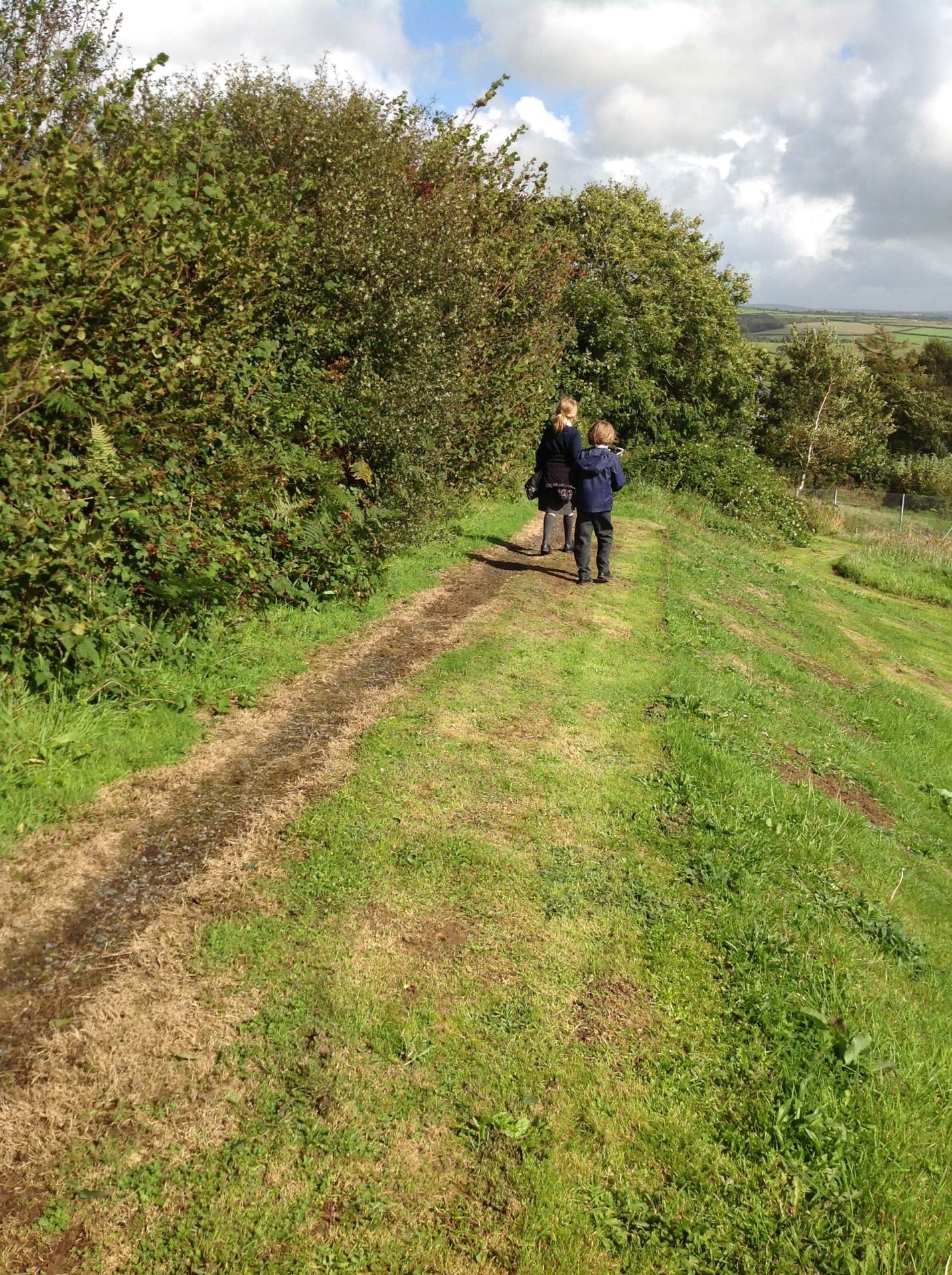
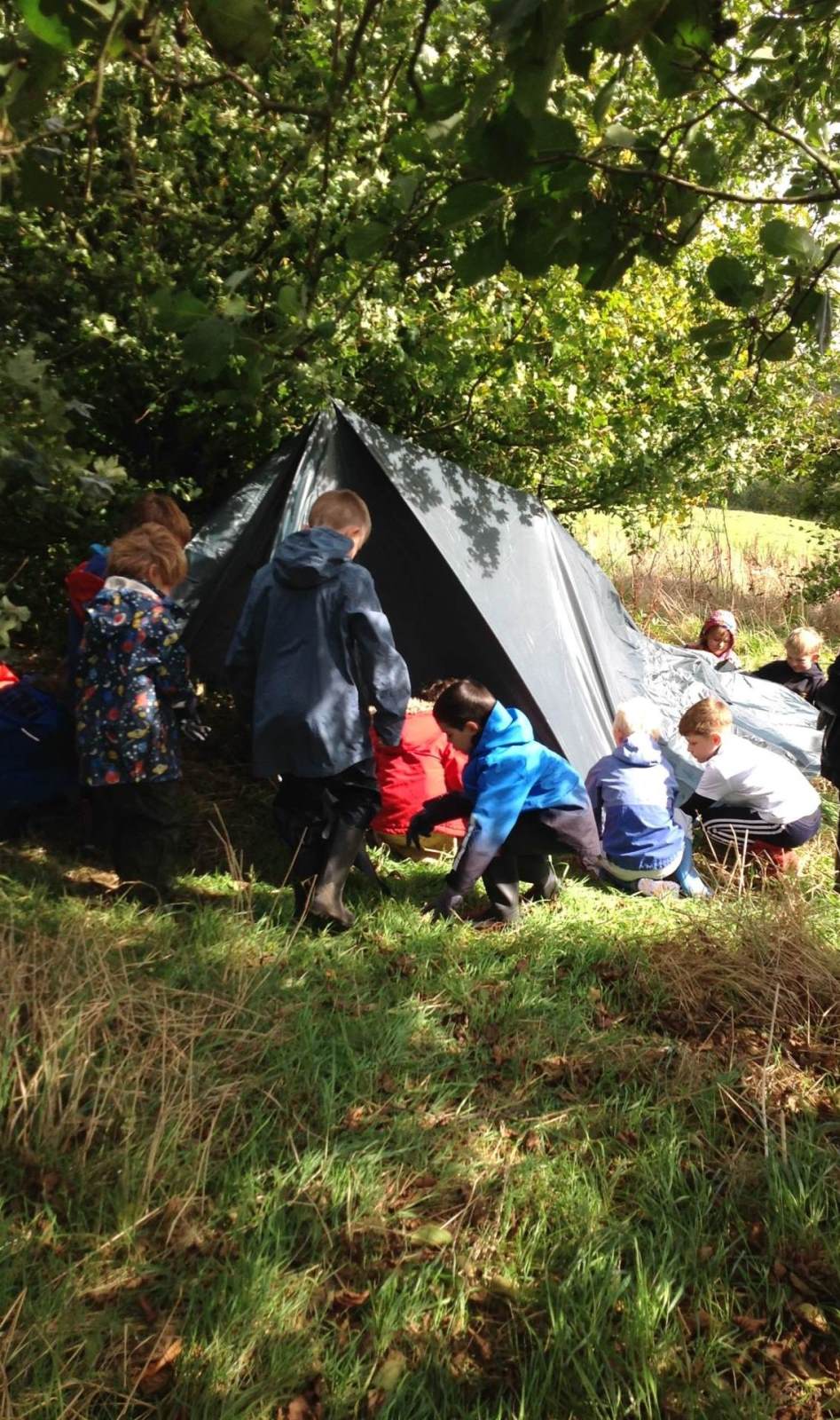
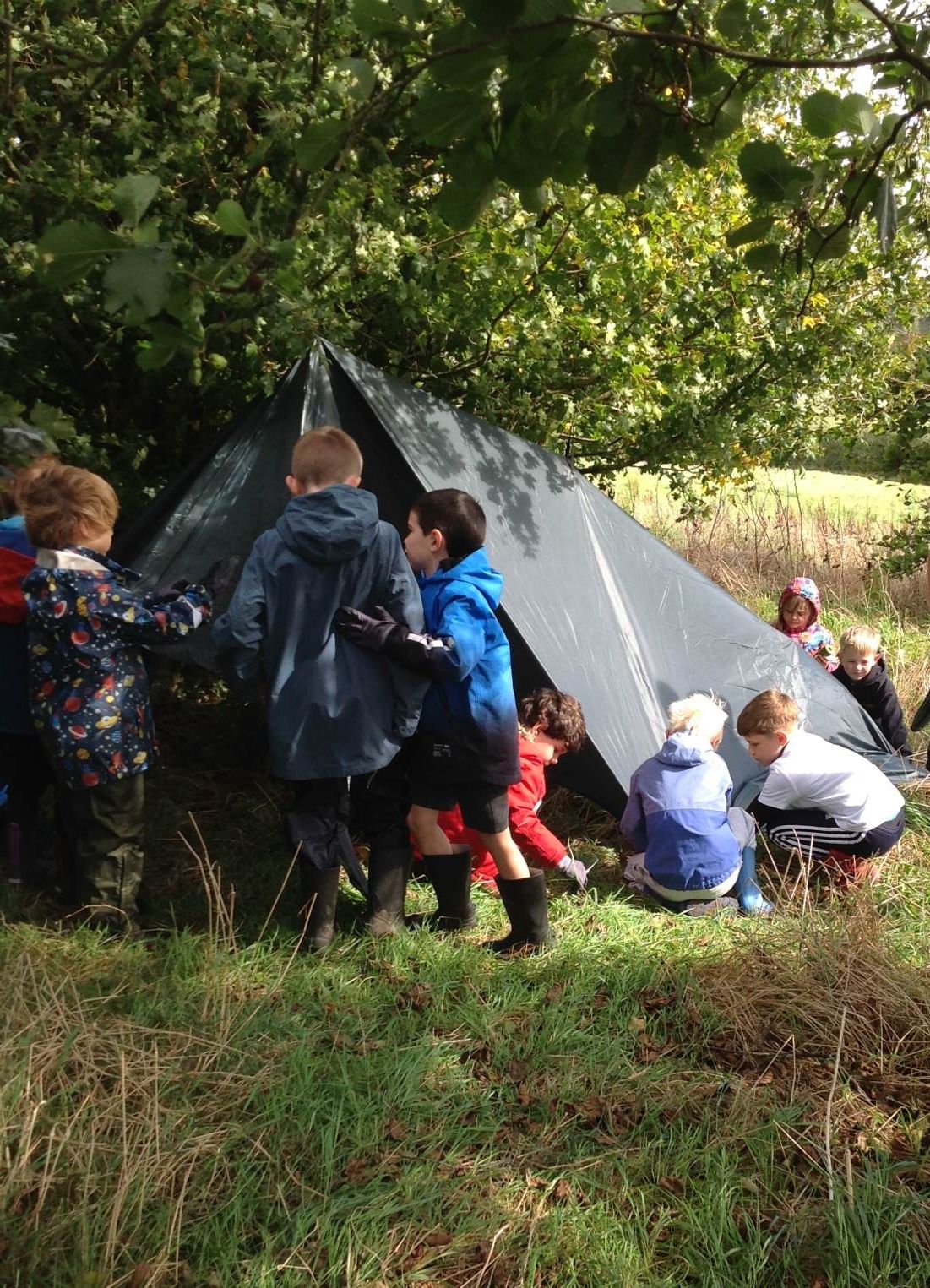
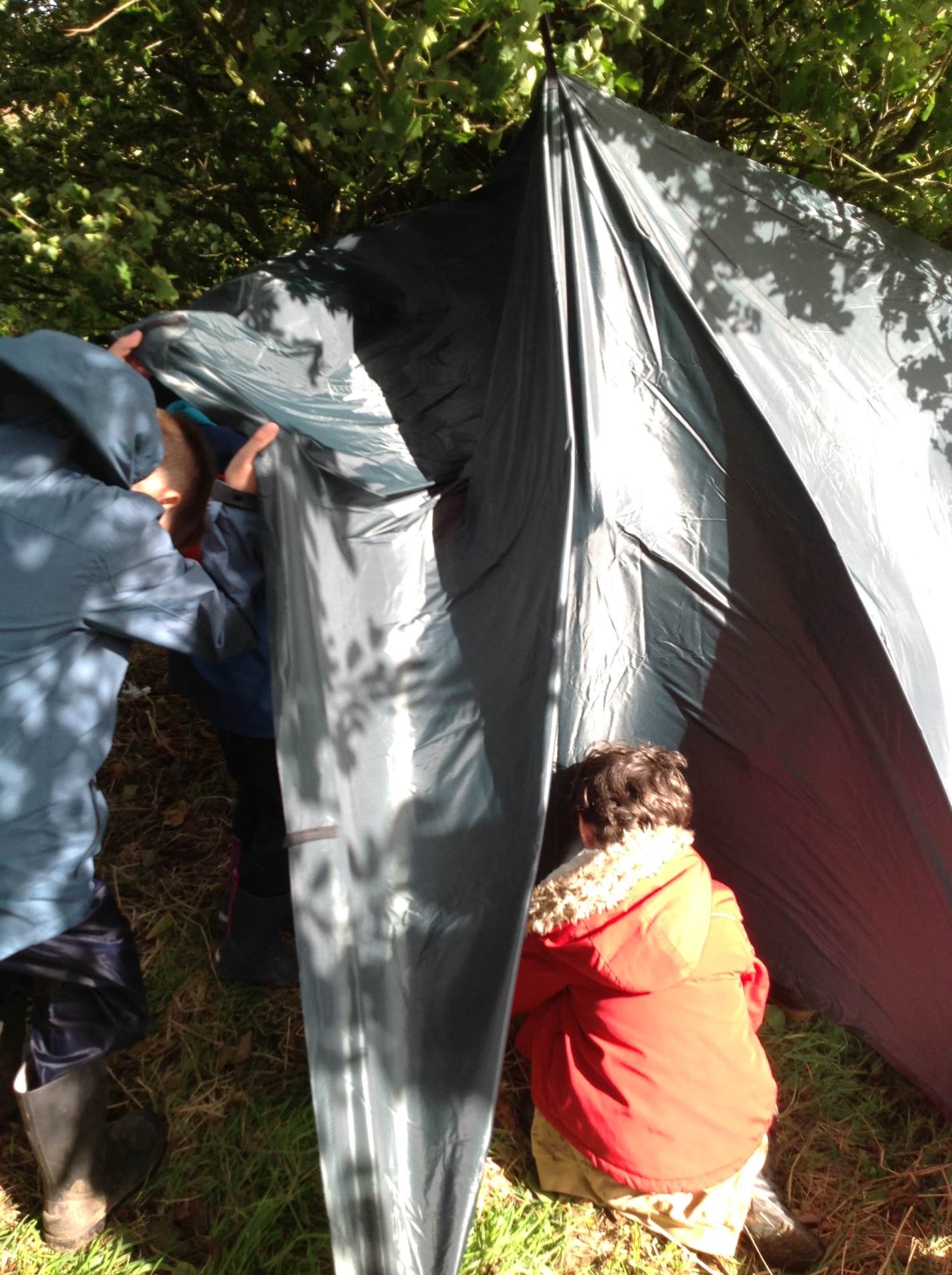
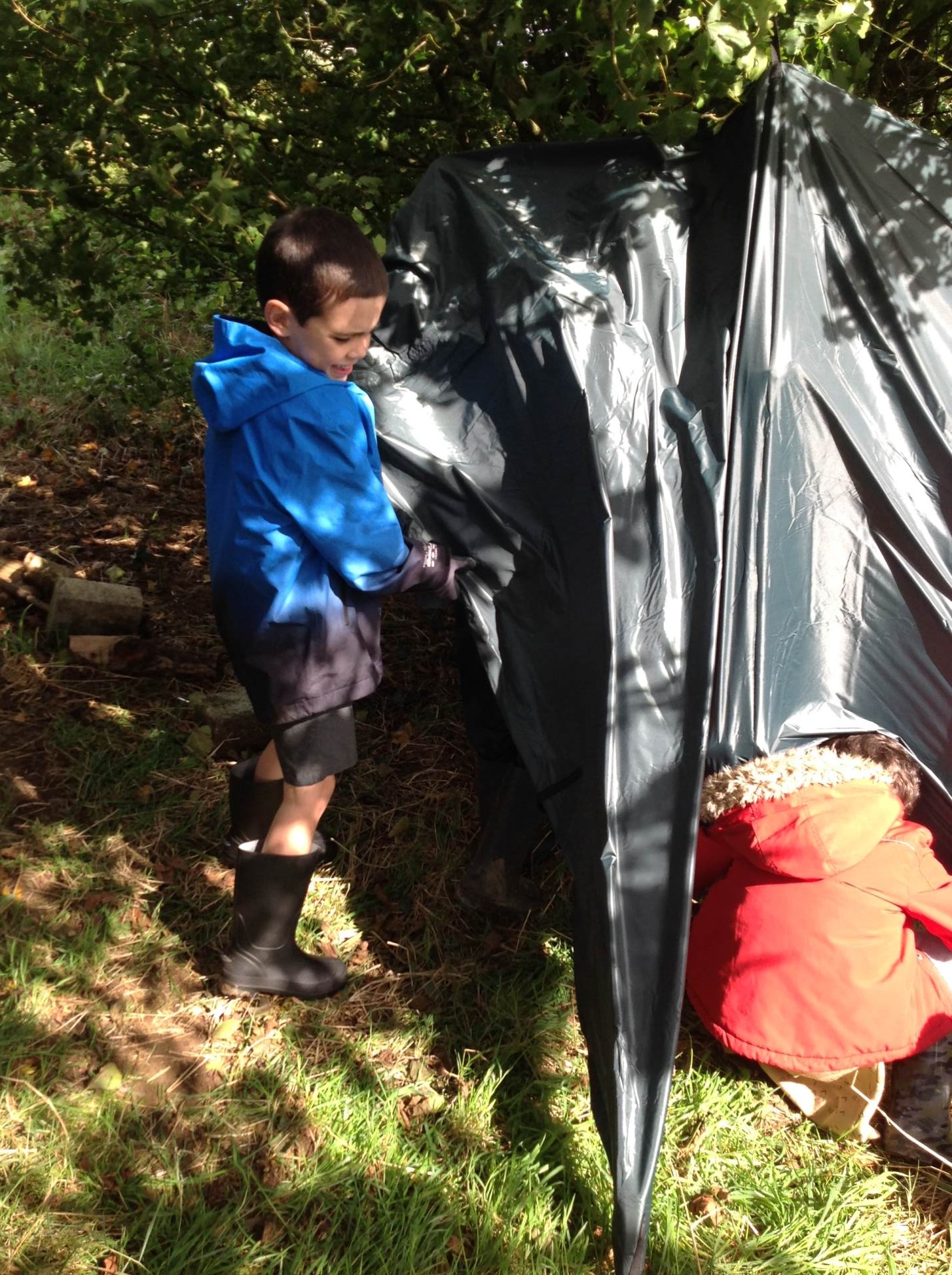
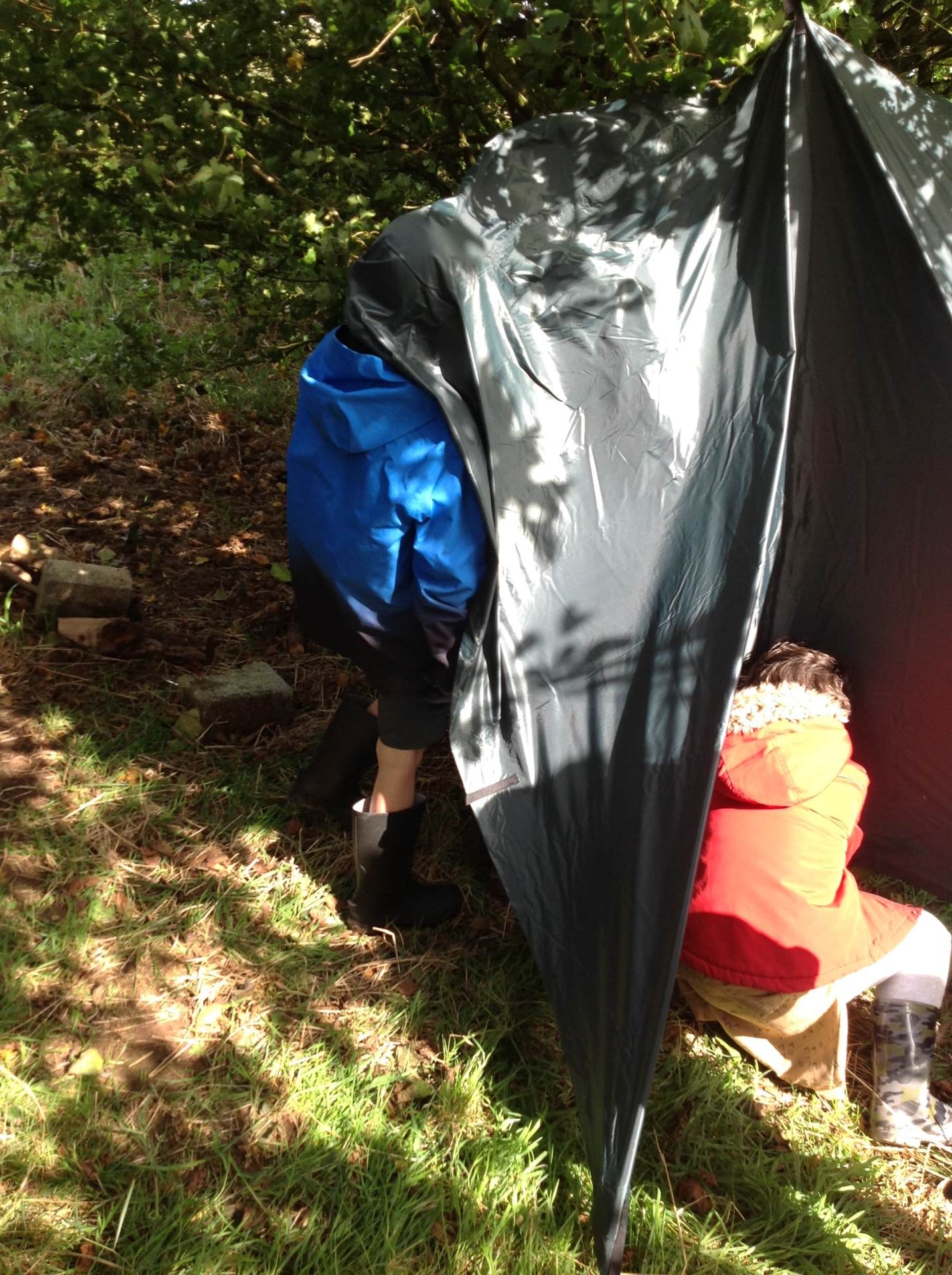
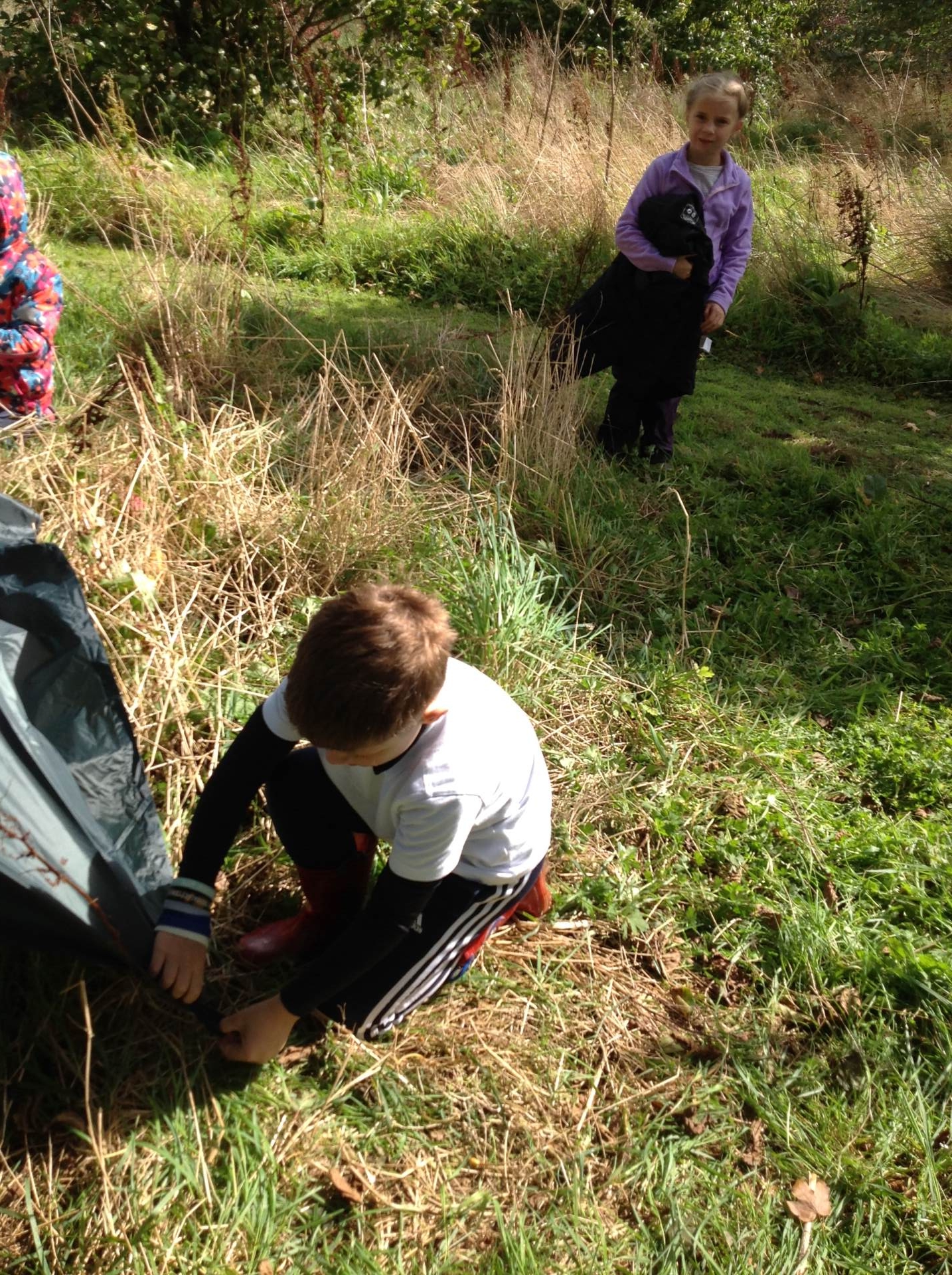
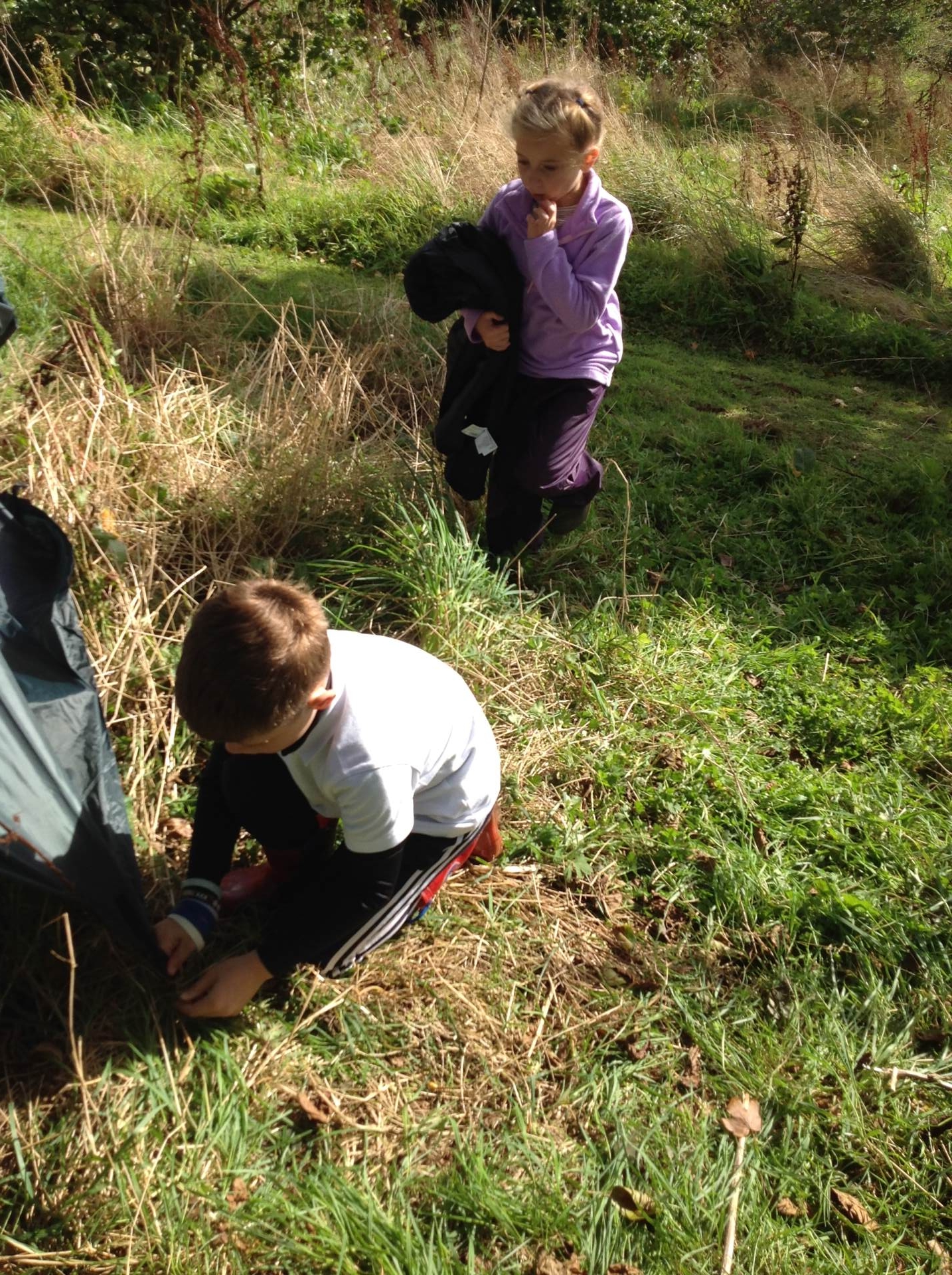
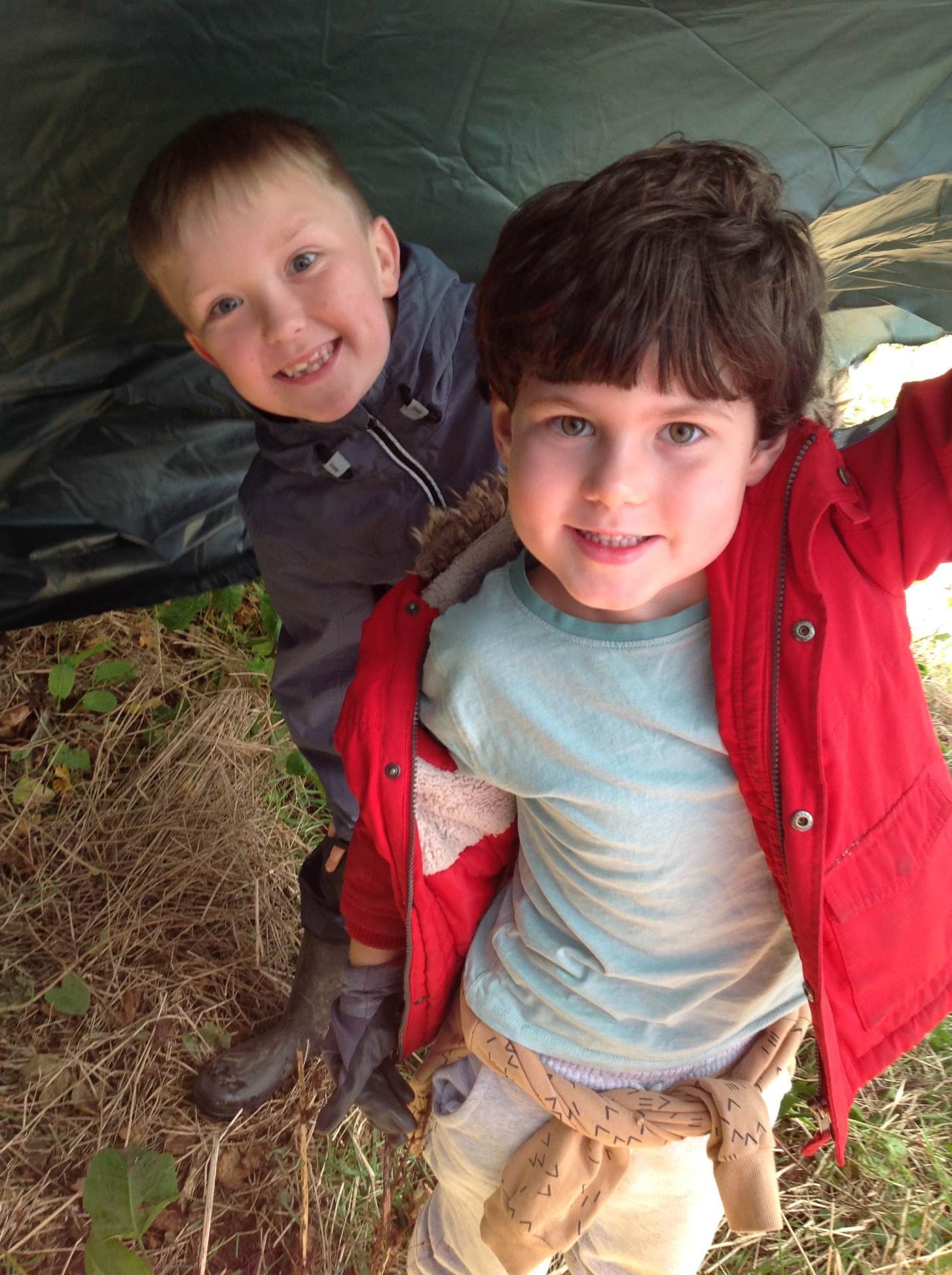
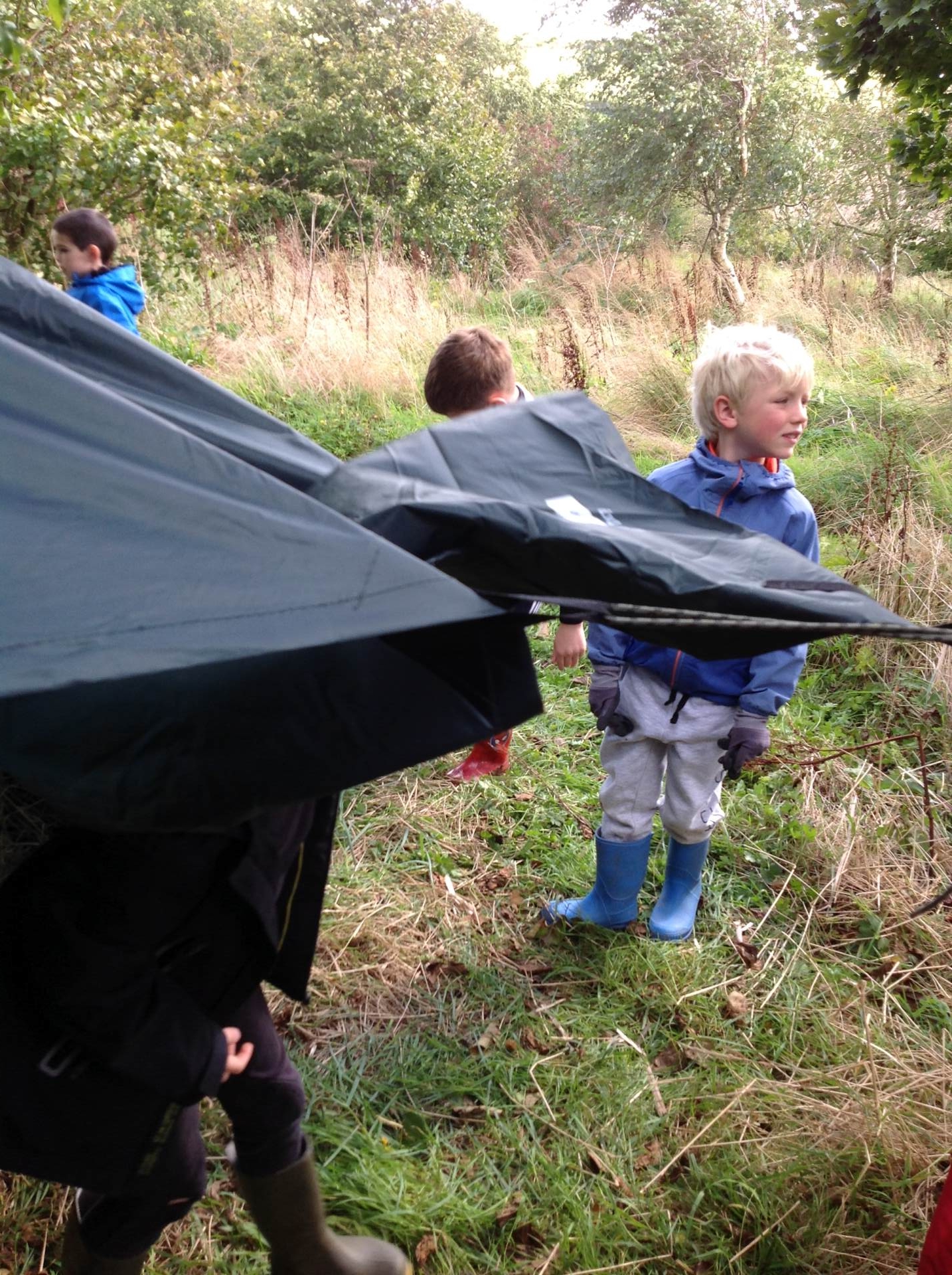
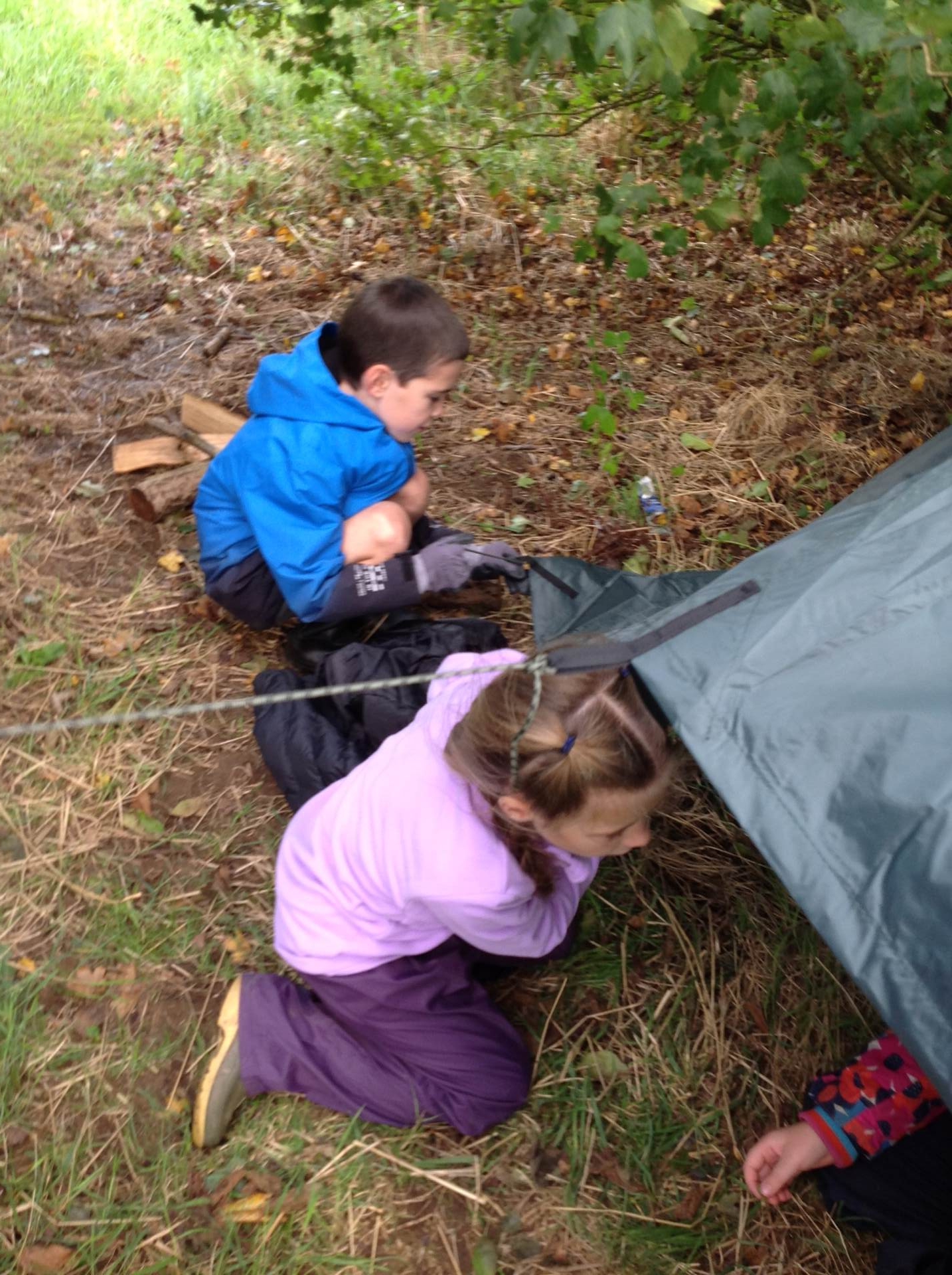
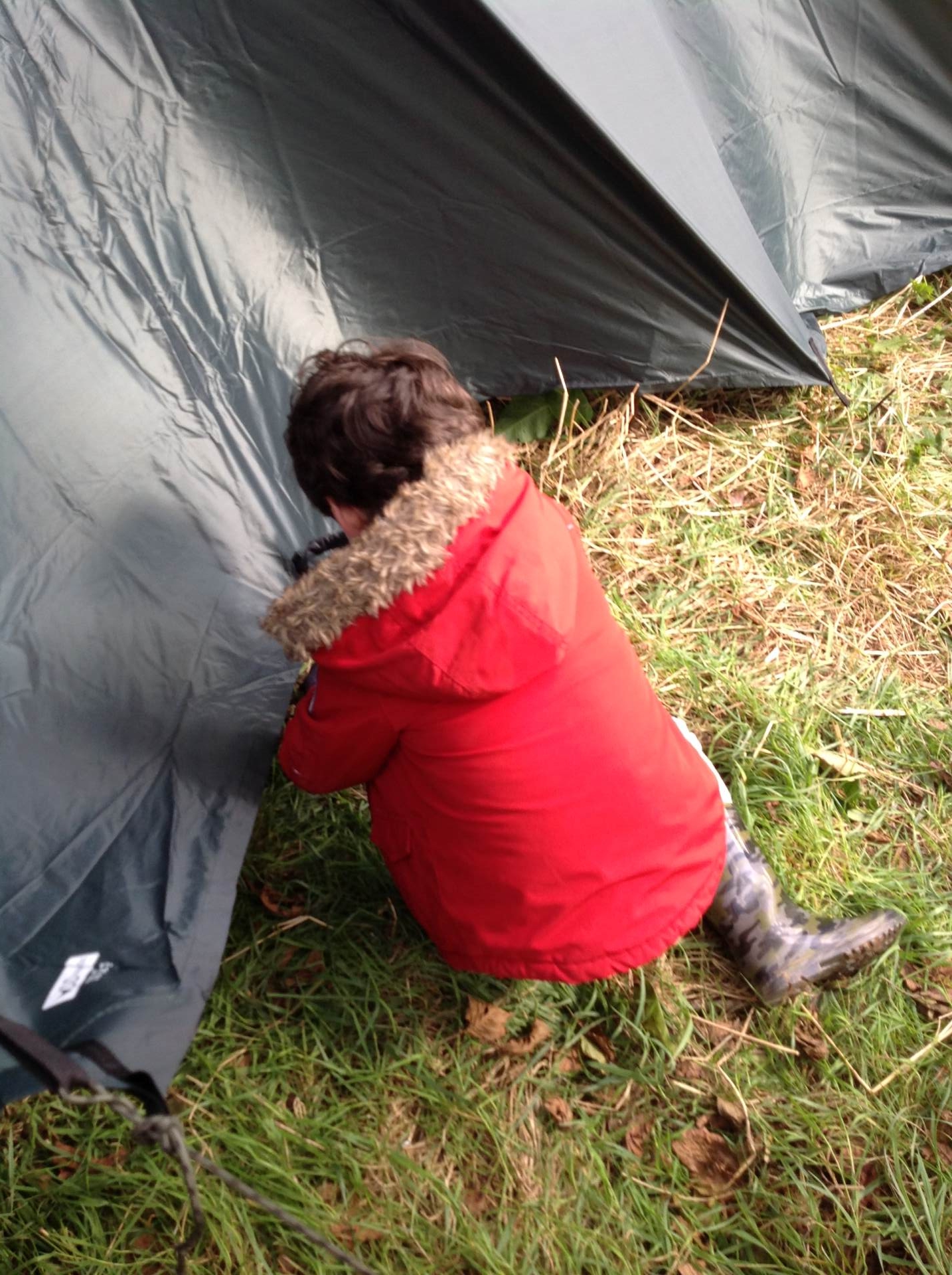
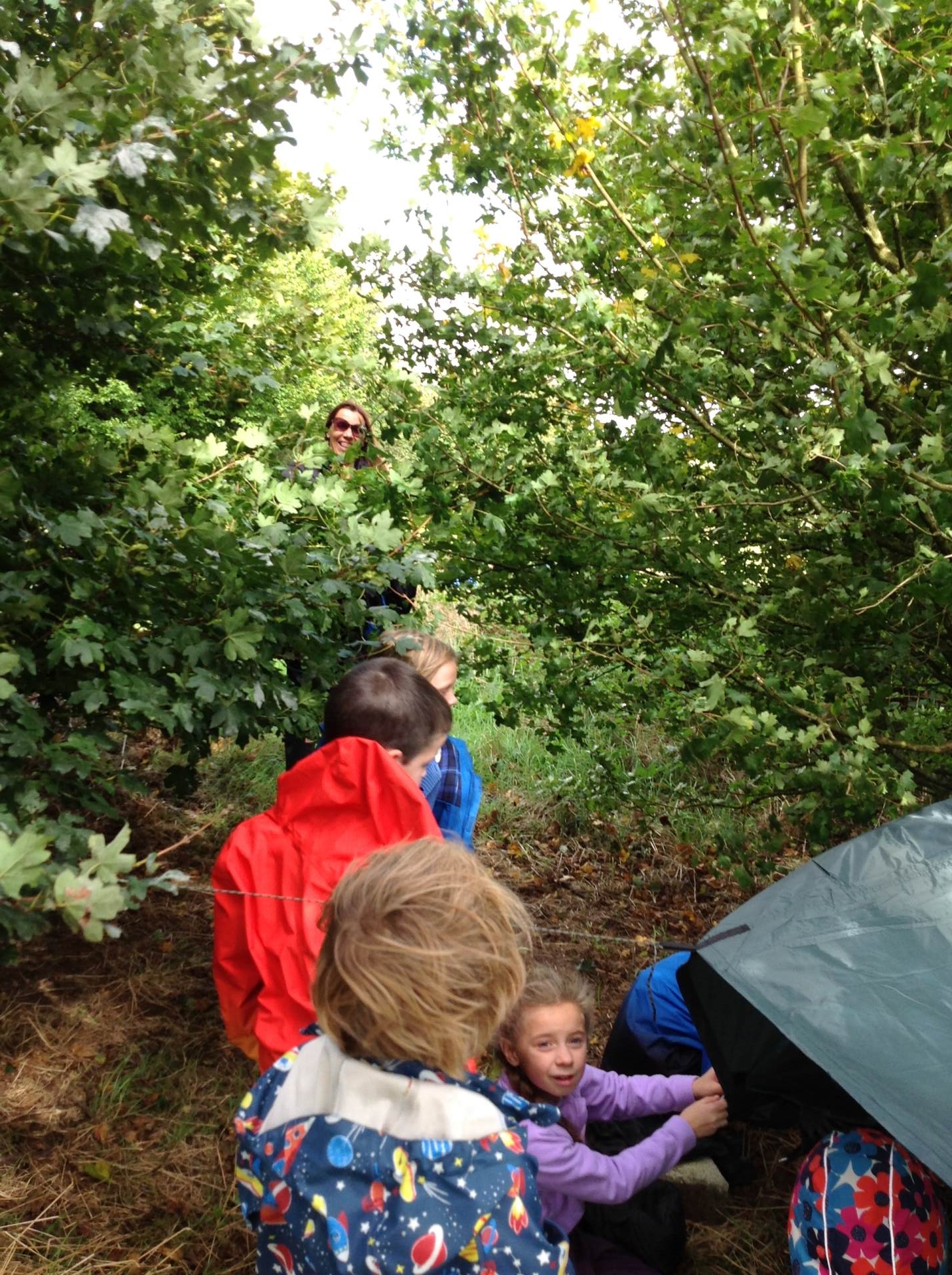
3. Forest School & outdoor learning
Forest School is a core part of our Personal Development programme.
Through weekly sessions, pupils develop:
- Resilience and independence
- Teamwork and cooperation
- Communication and problem‑solving
- Confidence, curiosity and creativity
Every class now accesses Forest School for two separate half terms during the year.
4. Leadership opportunities & pupil voice
School Council
Our active School Council gives pupils a meaningful voice.
Children learn to:
- Represent their peers
- Debate and discuss ideas
- Take part in democratic elections
- Plan initiatives and lead projects
marwood school student council handbook.pdf
Other leadership roles at Marwood Primary School
- Mental Health & Wellbeing Ambassadors
- Playground Leaders
- Librarians
These roles develop responsibility, pride and active citizenship.
5. Respect, diversity & British values
Pupils learn about:
- Protected characteristics
- Equality and inclusion
- Democracy, rule of law, liberty, respect and tolerance
- Cultural diversity within modern Britain
This is achieved through PSHE, assemblies, story books carefully mapped across the school, Parliament Week, visitors, debate, RE and everyday school life.
We aim for every child at Marwood to grow into a respectful, open‑minded and socially aware young person.
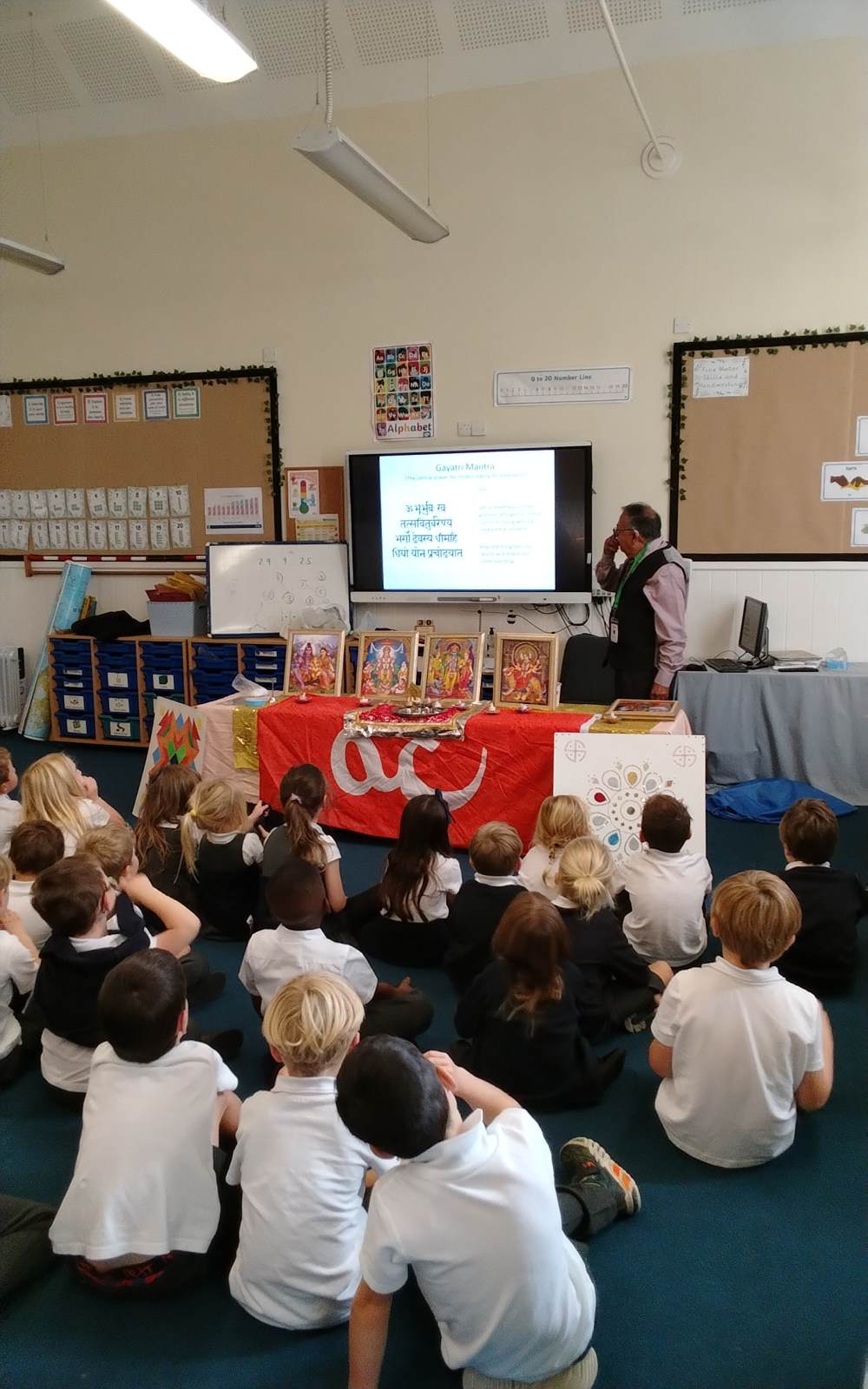
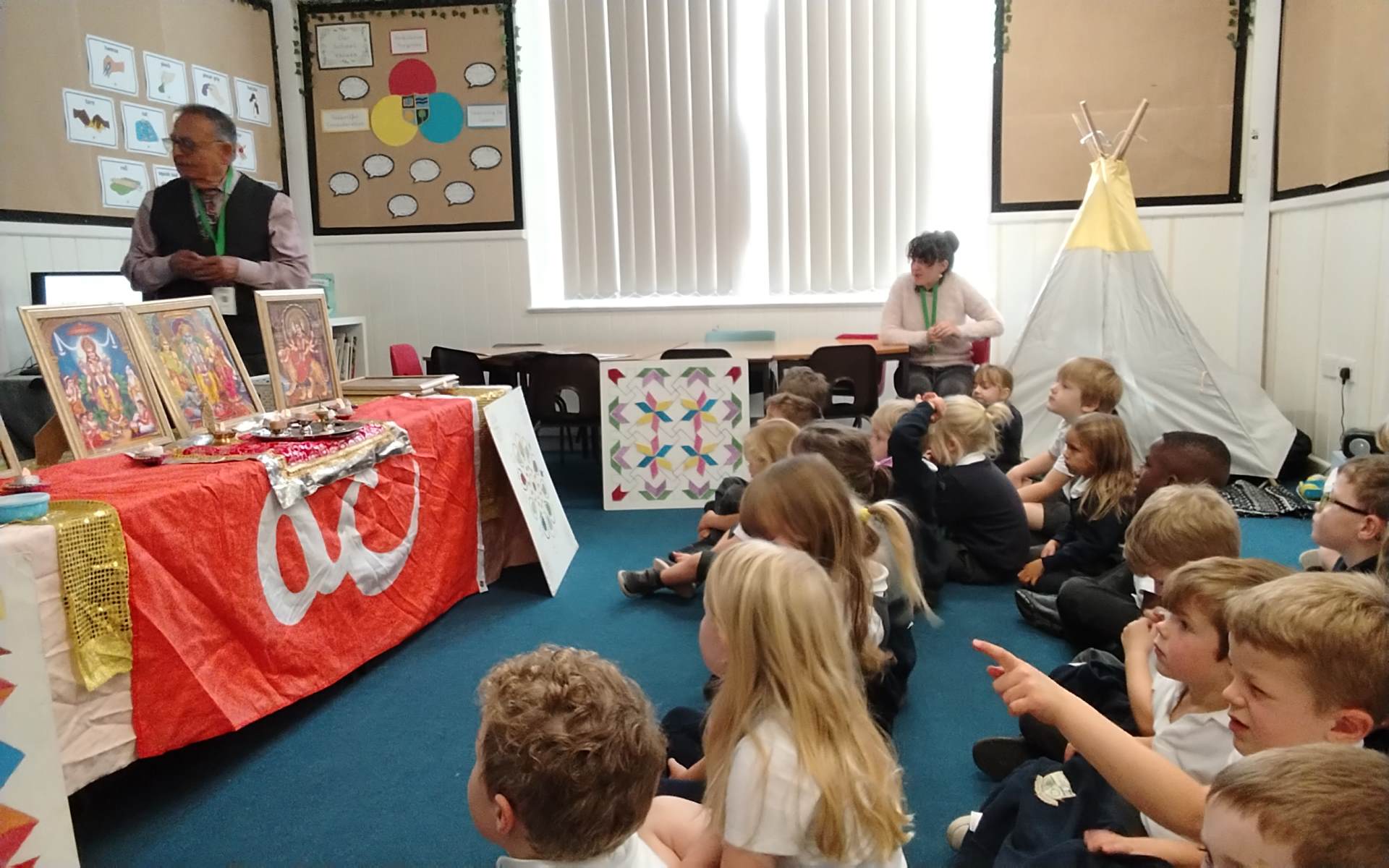
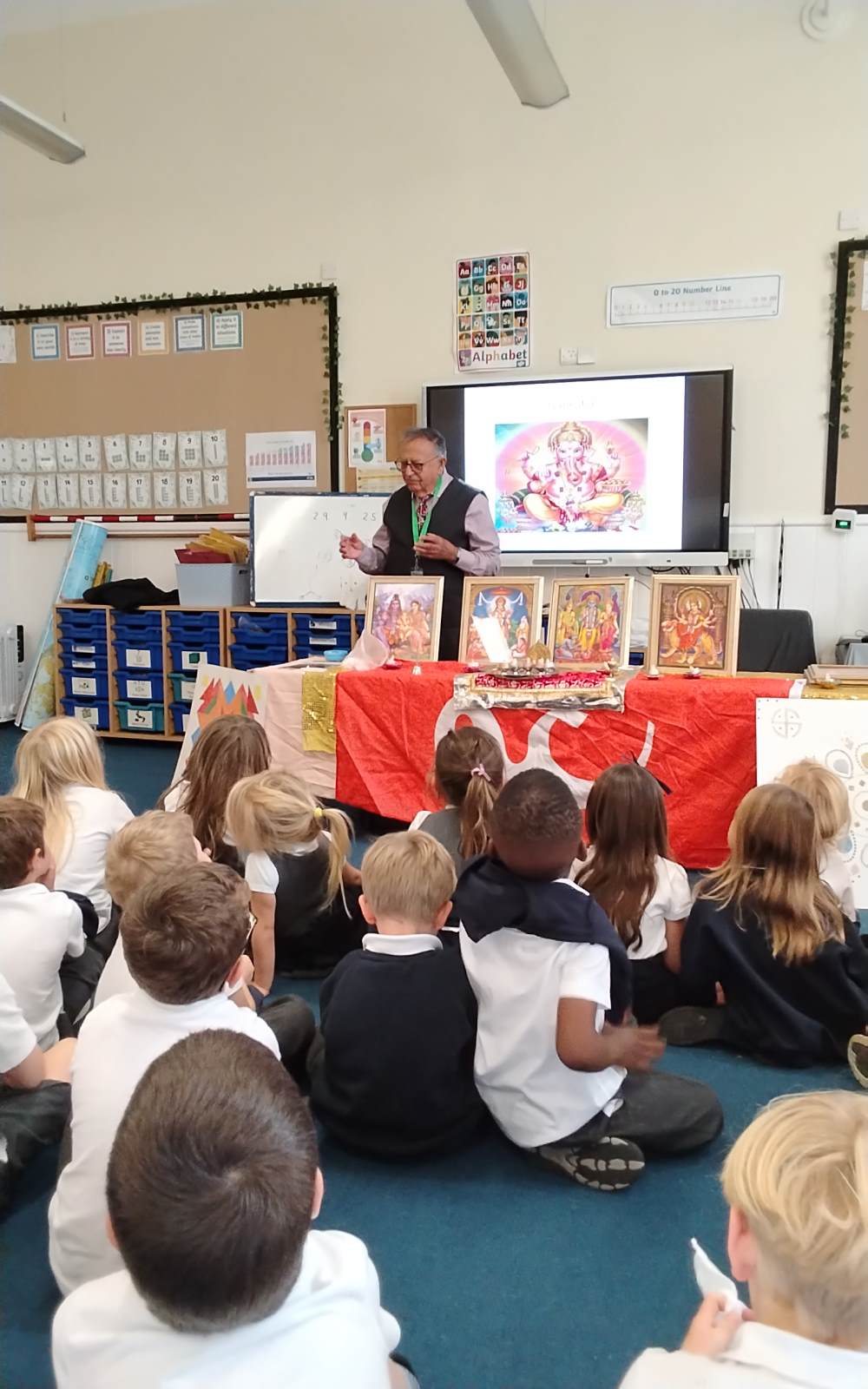
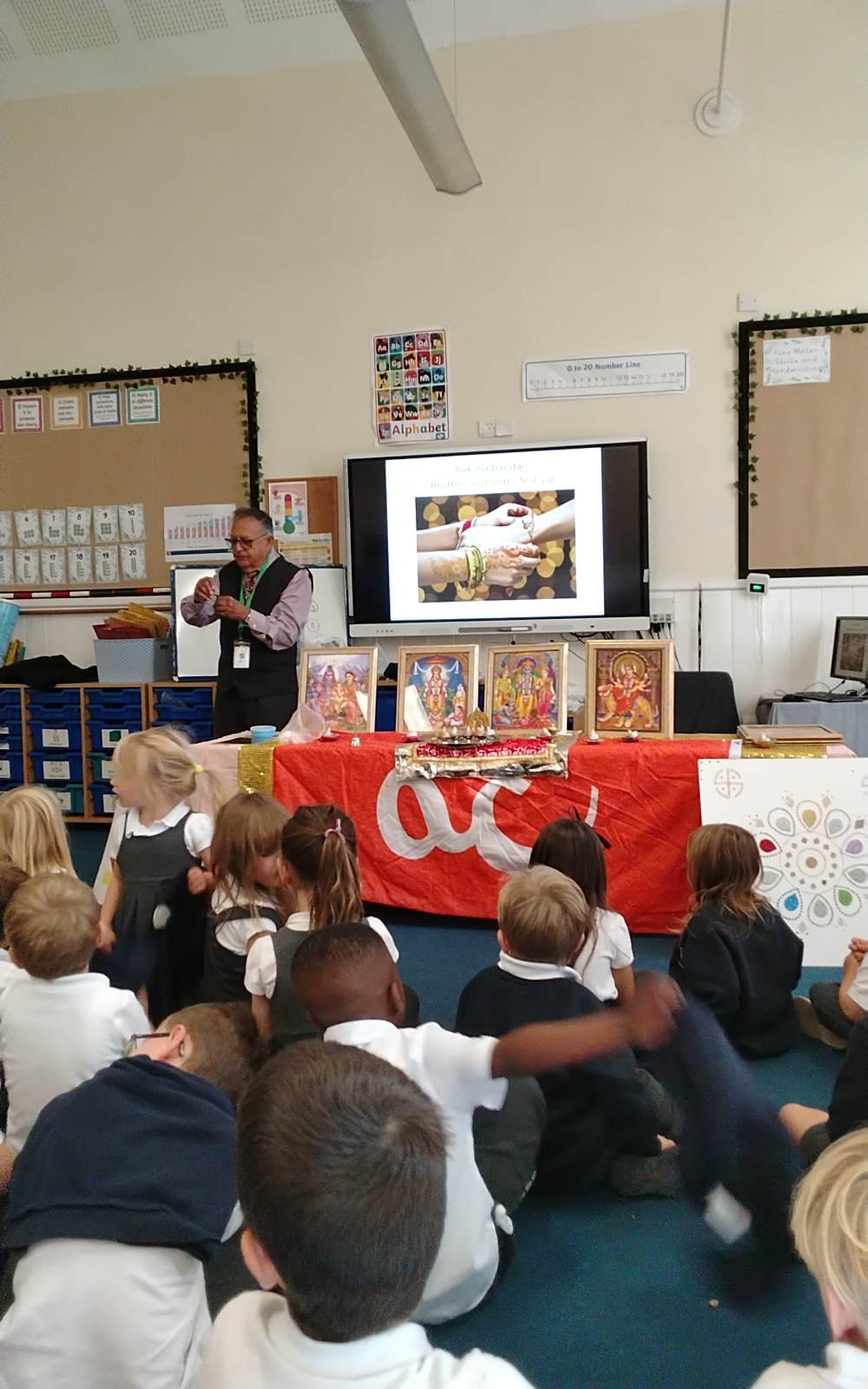
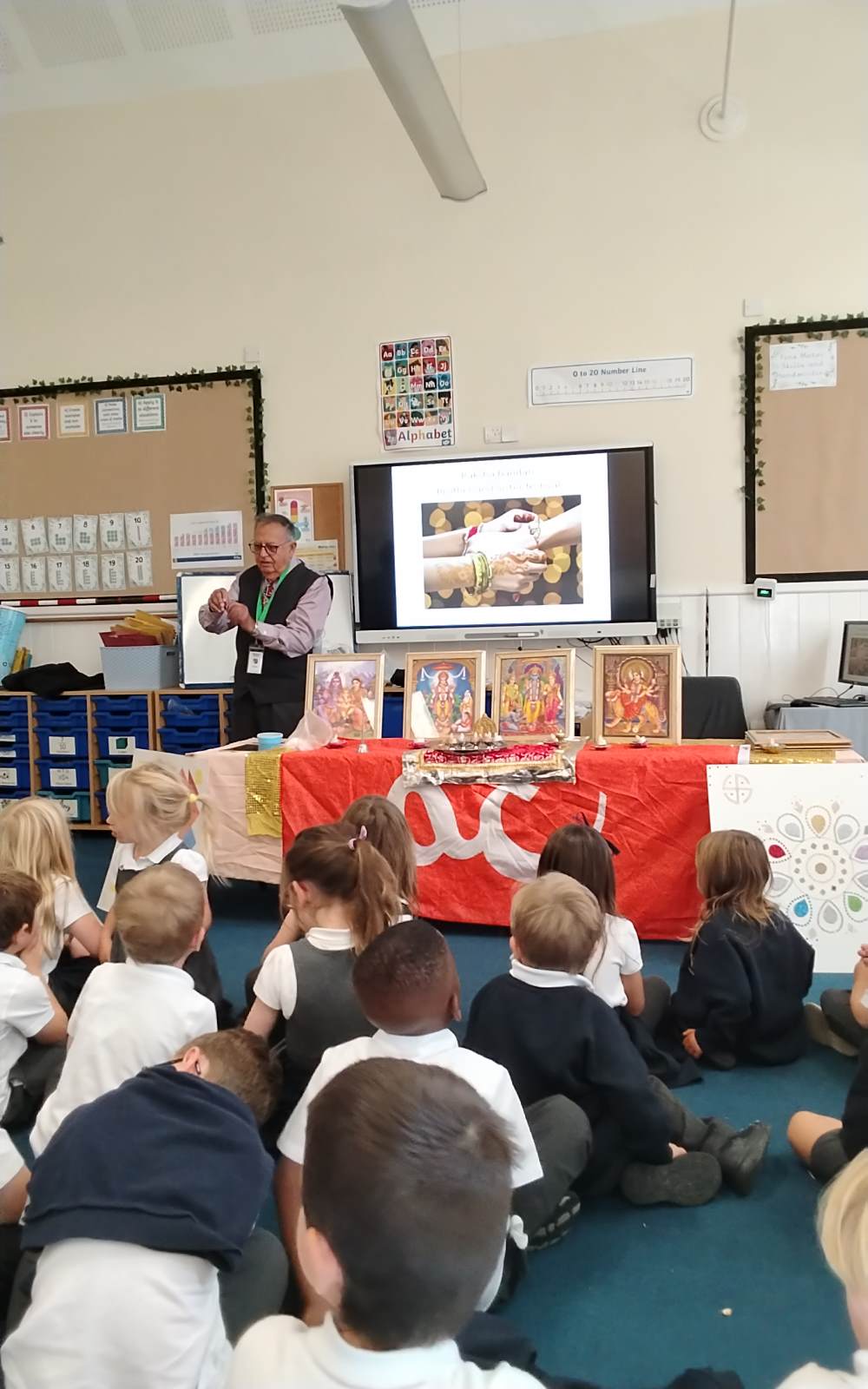
Visits from Cultural Champions
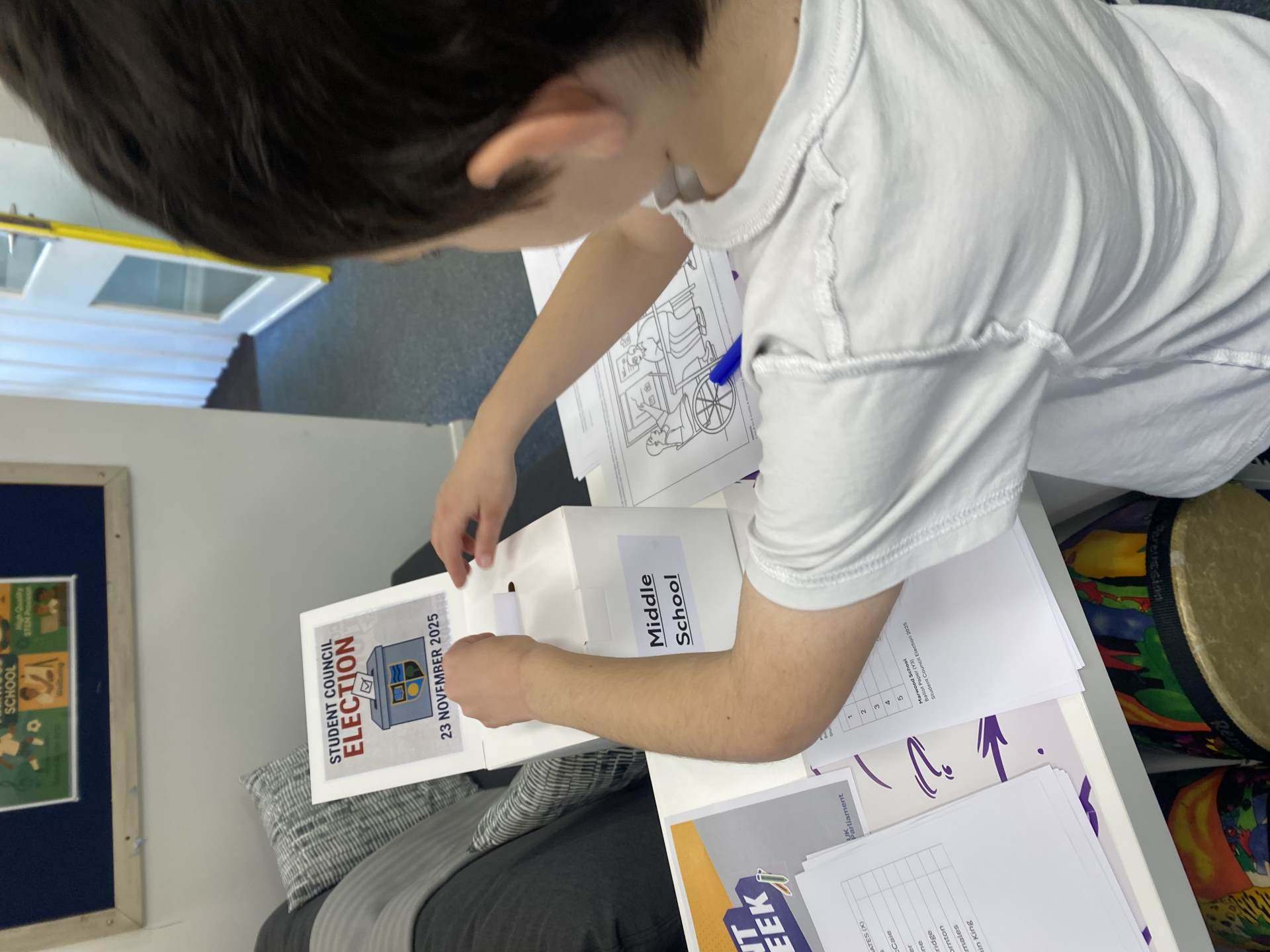
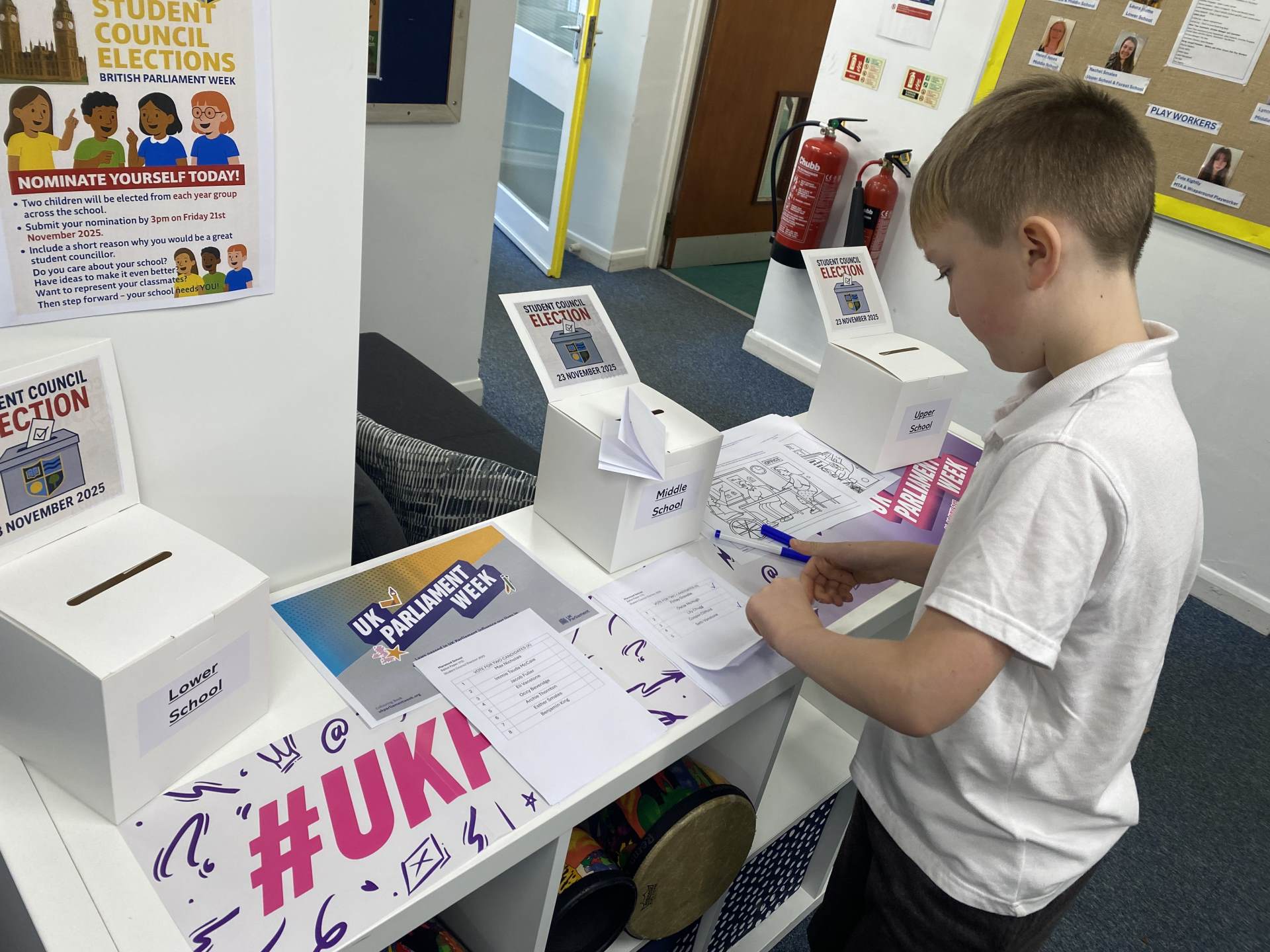
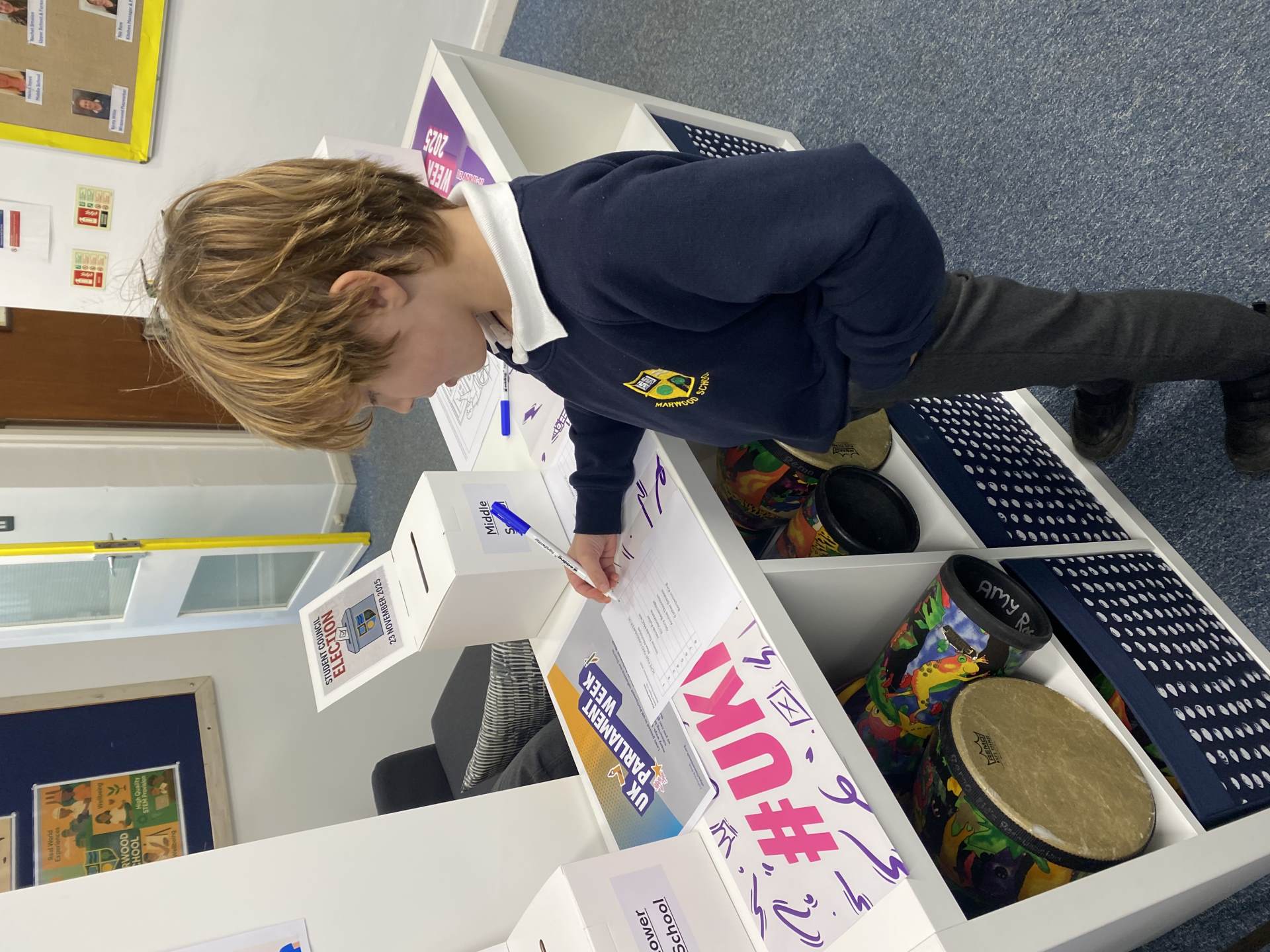
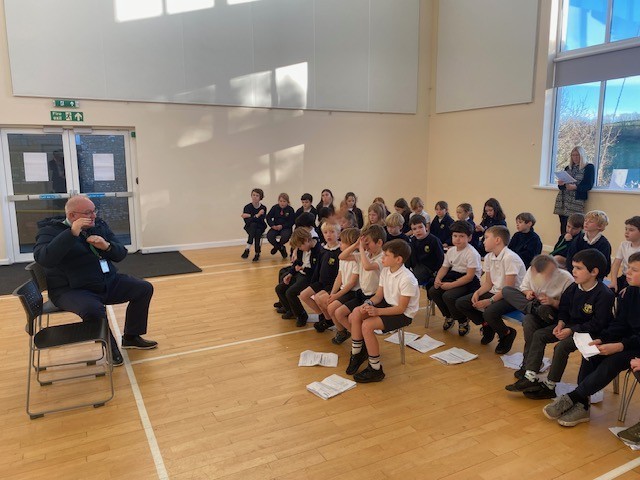
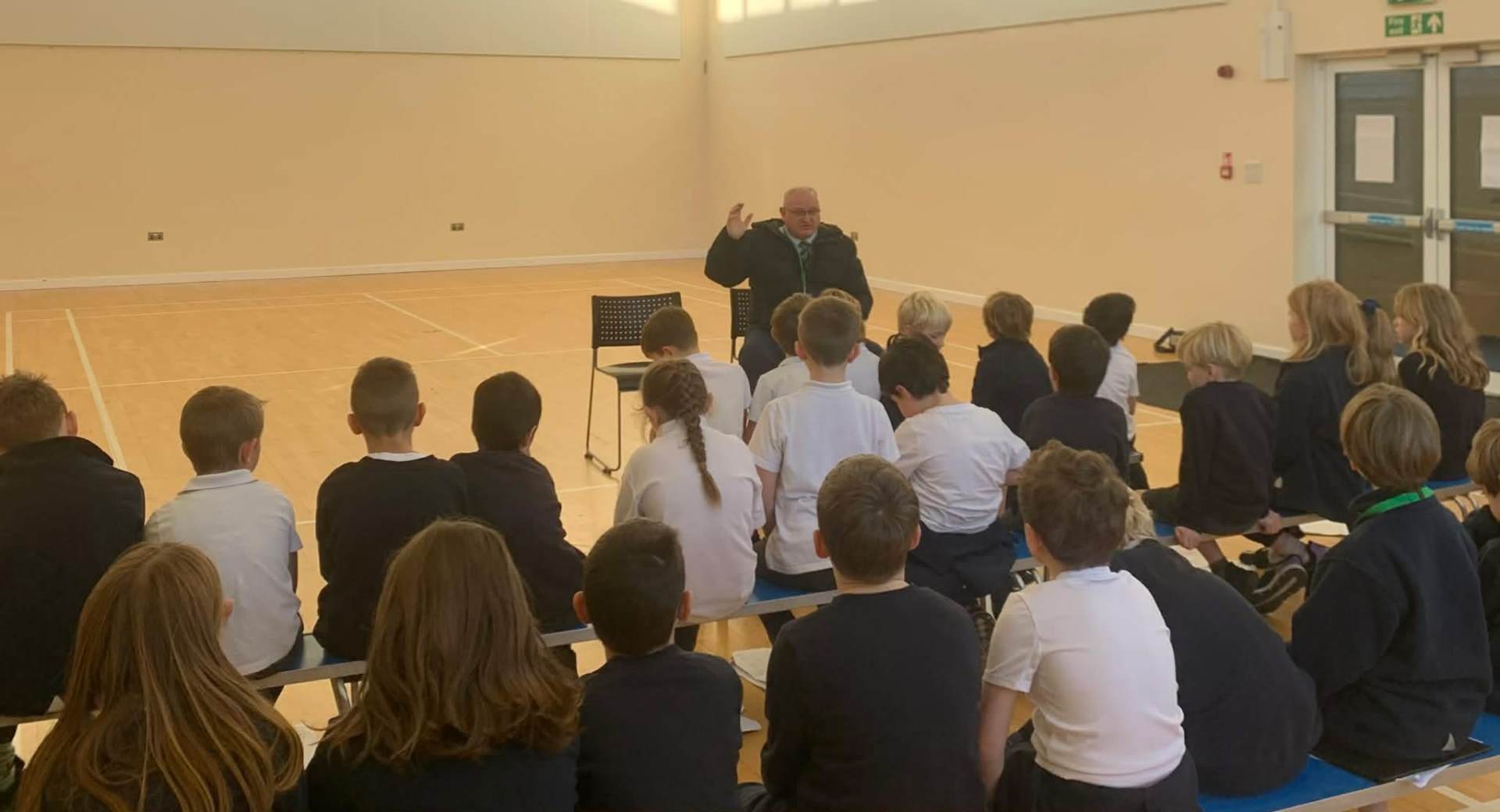
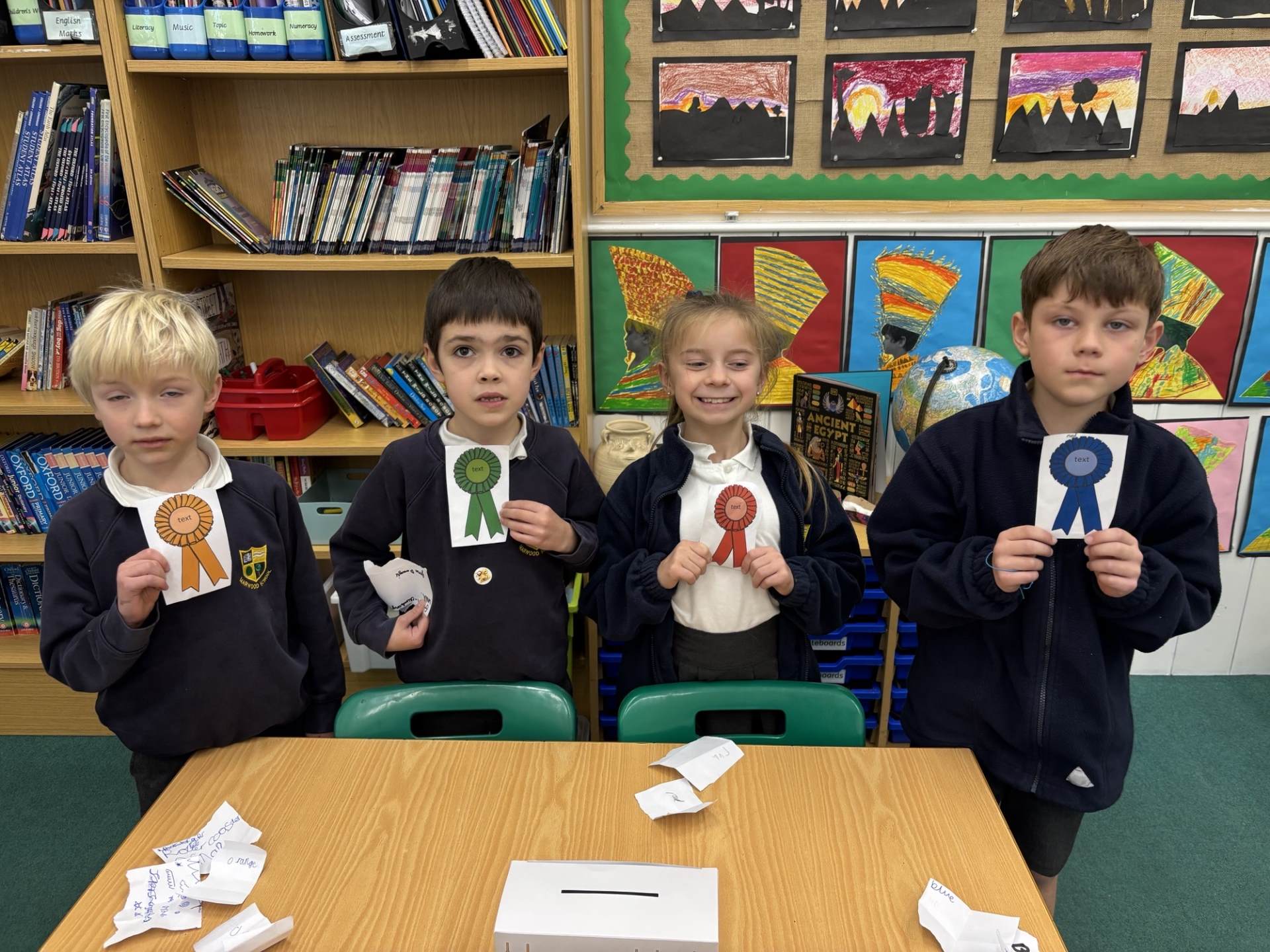
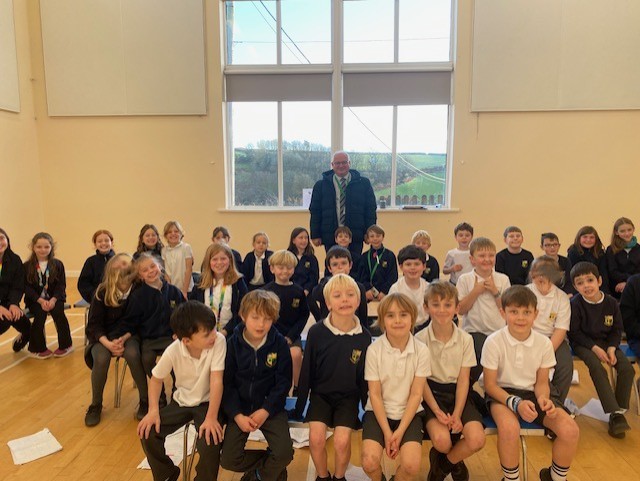
Visit from Ian Roome, MP for North Devon, as part of British Parliament Week 2025 to learn about democracy
Protected Characteristics Literature Spine
We believe that books open windows into the wider world. Through stories, children encounter lives, families, identities and experiences - both familiar and different from their own. To ensure every child grows up feeling seen, valued and respectful of others, we have developed a whole‑school Protected Characteristics Literature Spine, running from Reception to Year 6.
This spine ensures that all nine Protected Characteristics (as defined in the Equality Act 2010) are introduced in an age‑appropriate, meaningful and sensitive way through carefully chosen, high‑quality children’s literature. From early childhood picture books to rich and thought‑provoking texts in Upper KS2, each year group explores themes such as race, disability, religion, sexual orientation, gender reassignment, age, sex, marriage/civil partnership, pregnancy and maternity. These themes are mapped across the year so that pupils revisit ideas with increasing depth and maturity.
Our approach is deliberately progressive:
- In Reception, children meet gentle, accessible stories introducing difference - such as The Colour of Us (race), Song in the City (disability) and Hats of Faith (religion).
- By Key Stage 1, they begin to explore identity, families and fairness through books like My Magic Family (sexual orientation) and My Brother George (gender reassignment).
- By Lower Key Stage 2, pupils examine themes through more complex narratives, reflecting on identity, expression and belonging.
- By Upper Key Stage 2, they engage with sophisticated texts such as Unspoken (race), My Shadow is Purple (sexual orientation) and I Am Jazz (gender reassignment), allowing for rich discussion and deeper understanding.
Each term focuses on a different characteristic, ensuring full coverage across the school year. This is reinforced through our assemblies programme, which further highlights protected characteristics using whole‑school texts such as The Youngest Marcher (race), Julian is a Mermaid (sexual orientation) and A World for Me and You (religion).
Together, the literature spine and assembly sequence help children to:
- Develop empathy, understanding and respect
- Recognise and challenge stereotypes
- Celebrate diversity within our school, community and wider world
- Build confidence in their own identity
- Understand their rights and responsibilities
- Uphold British Values and equality principles
This carefully sequenced spine forms a cornerstone of our Personal Development curriculum, supporting our aim for every child to feel that they belong at Marwood.
marwood school protected characteristics literature spine.pdf
6. Enrichment & cultural capital
We offer an extensive range of opportunities including:
- Educational visits and residentials
- Sporting events across the Braunton Learning Community
- Music, drama and the arts
- STEM experiences (e.g. STEMterprise, robotics, farm & rural STEM links)
- Creative clubs and lunchtime activities
- Wraparound provision with themed enrichment weeks
We monitor participation to ensure pupils with SEND, disadvantaged pupils and those with additional barriers access and benefit fully.
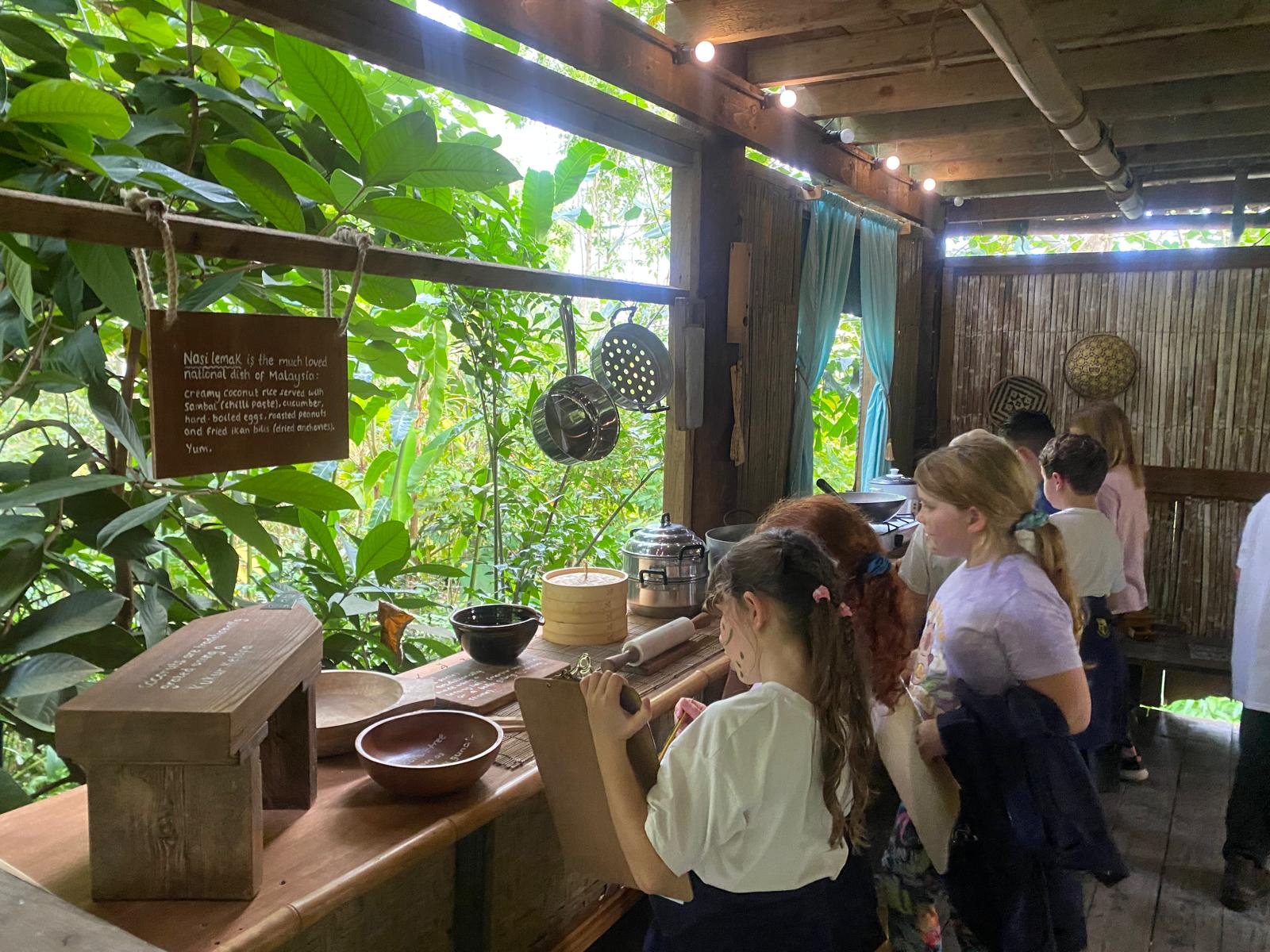
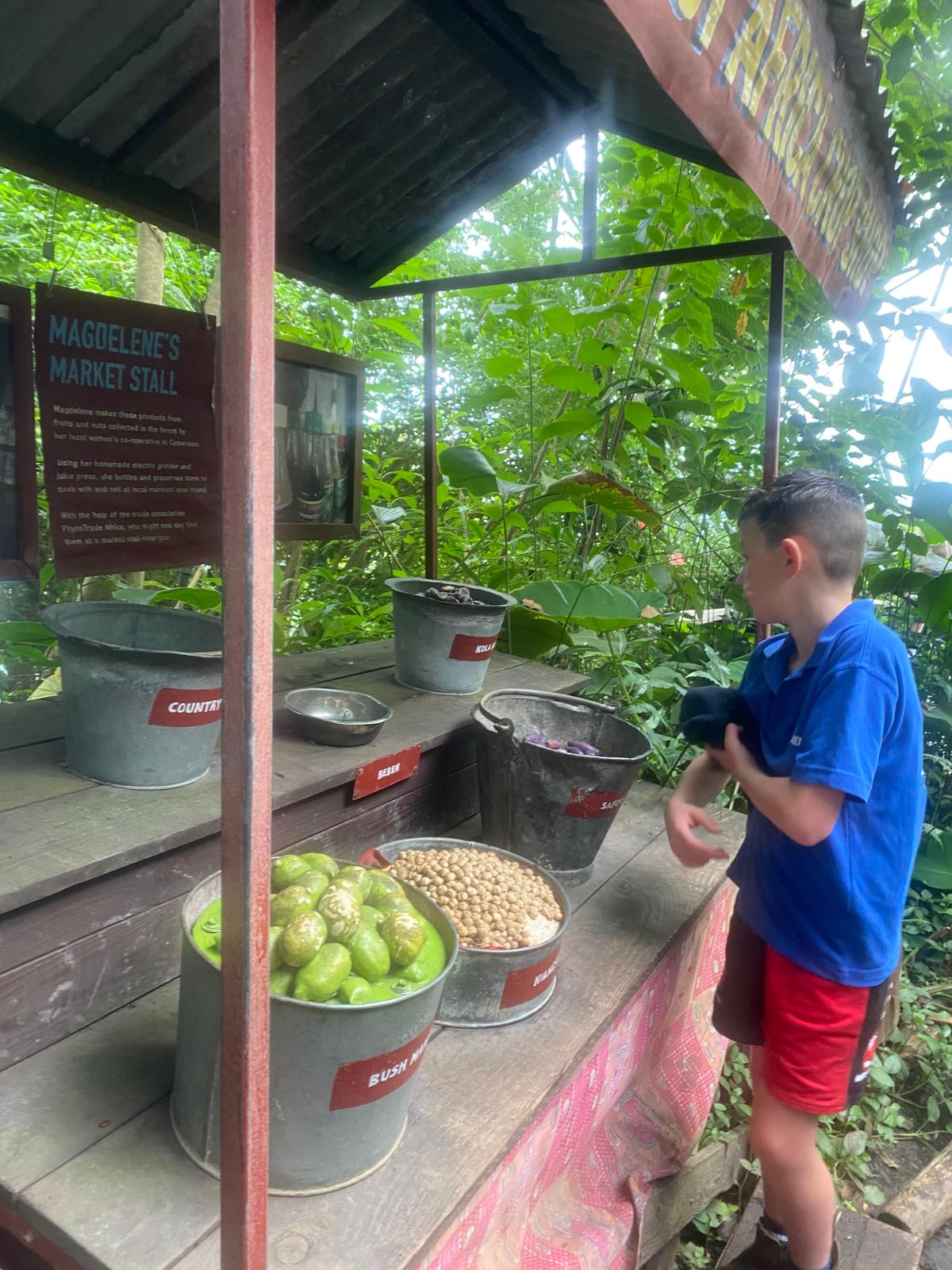
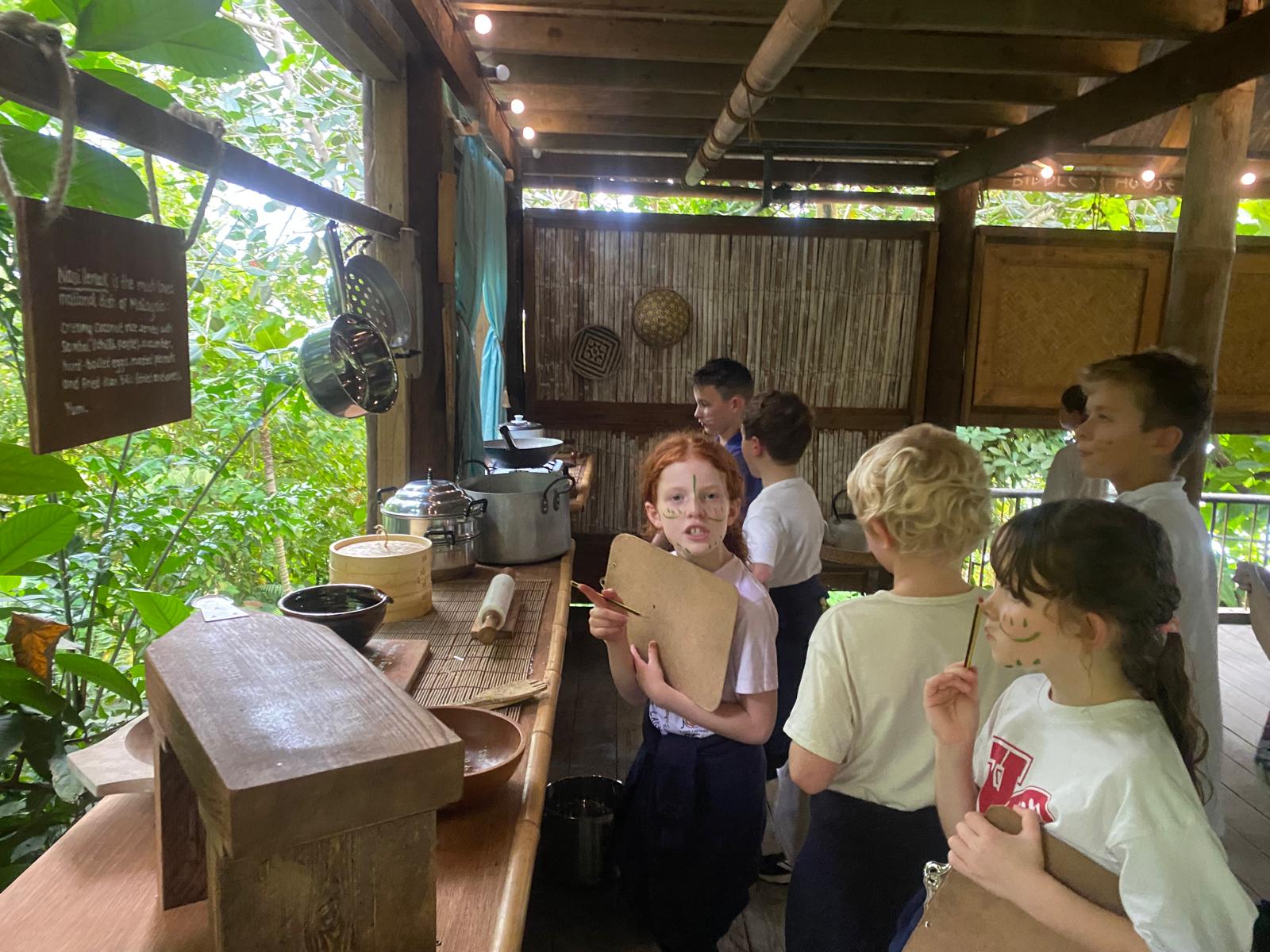
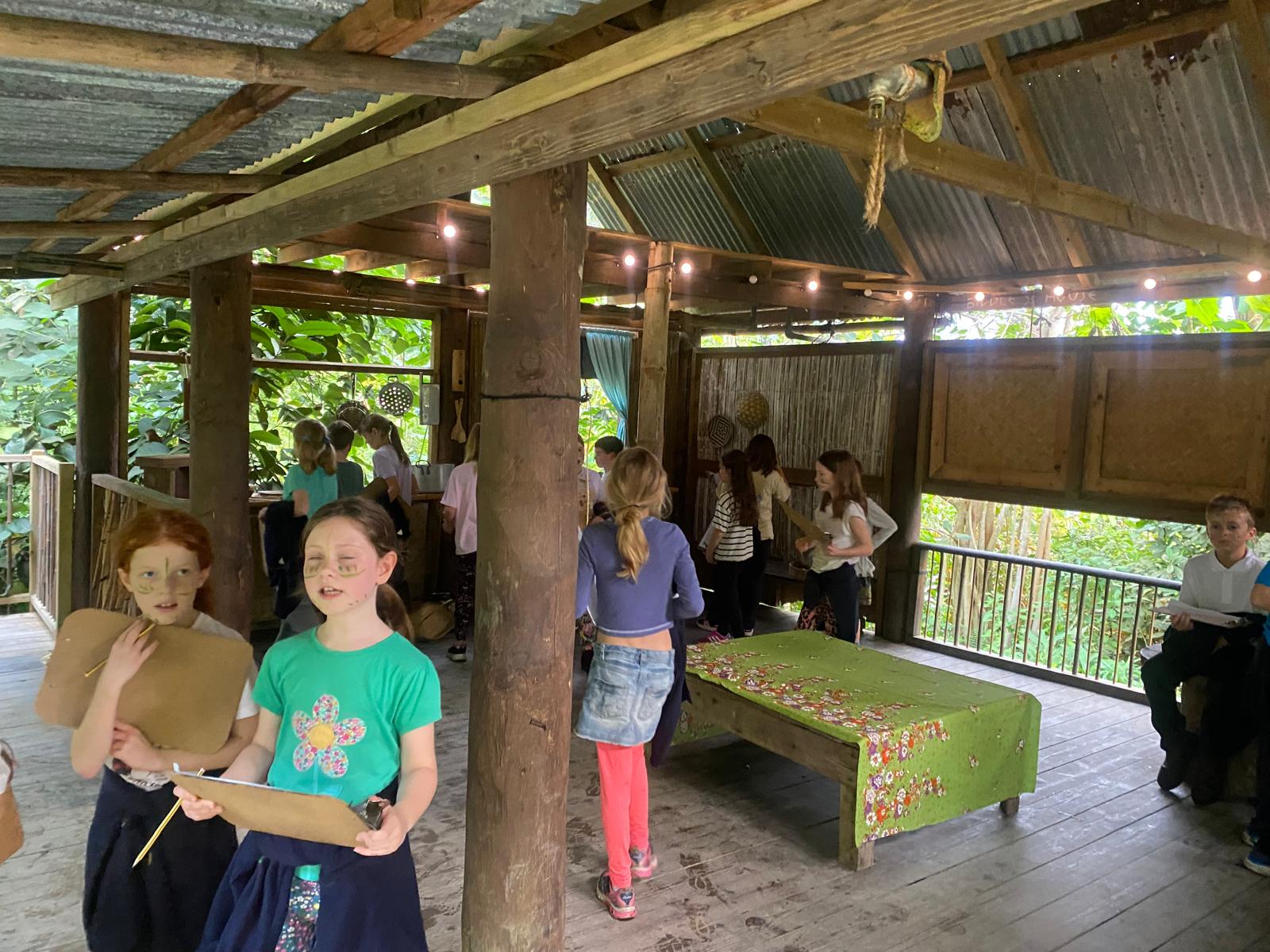
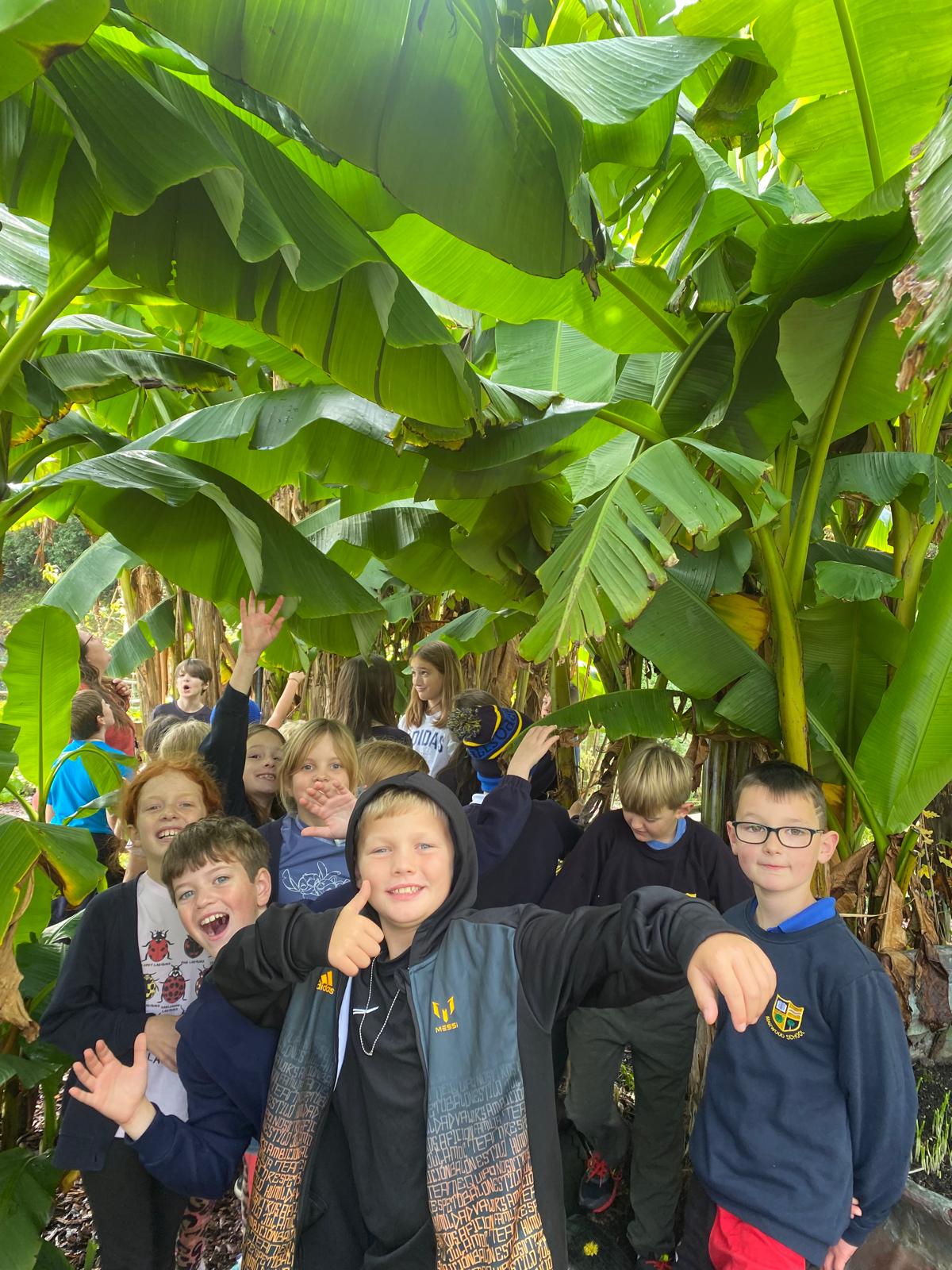
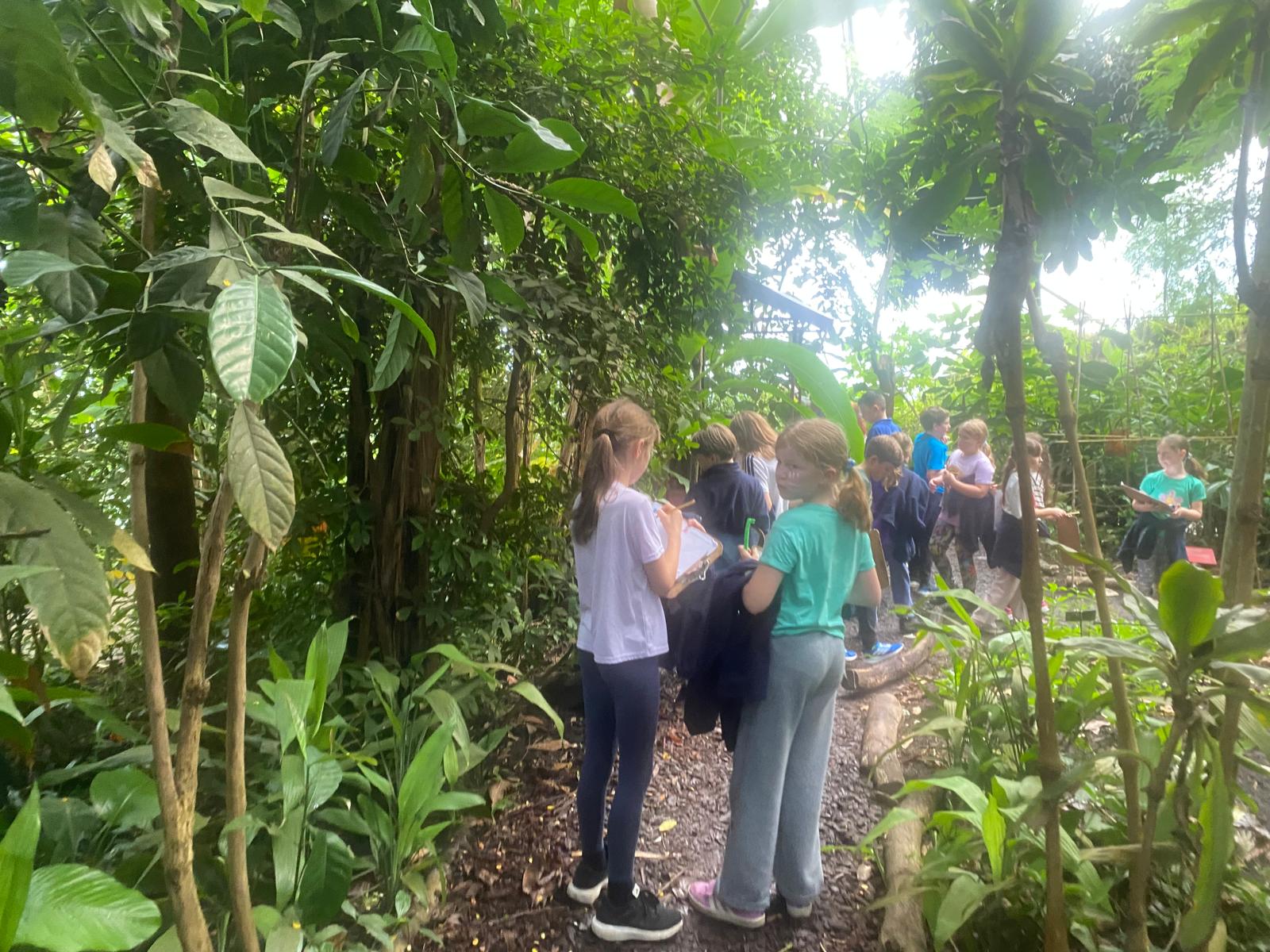
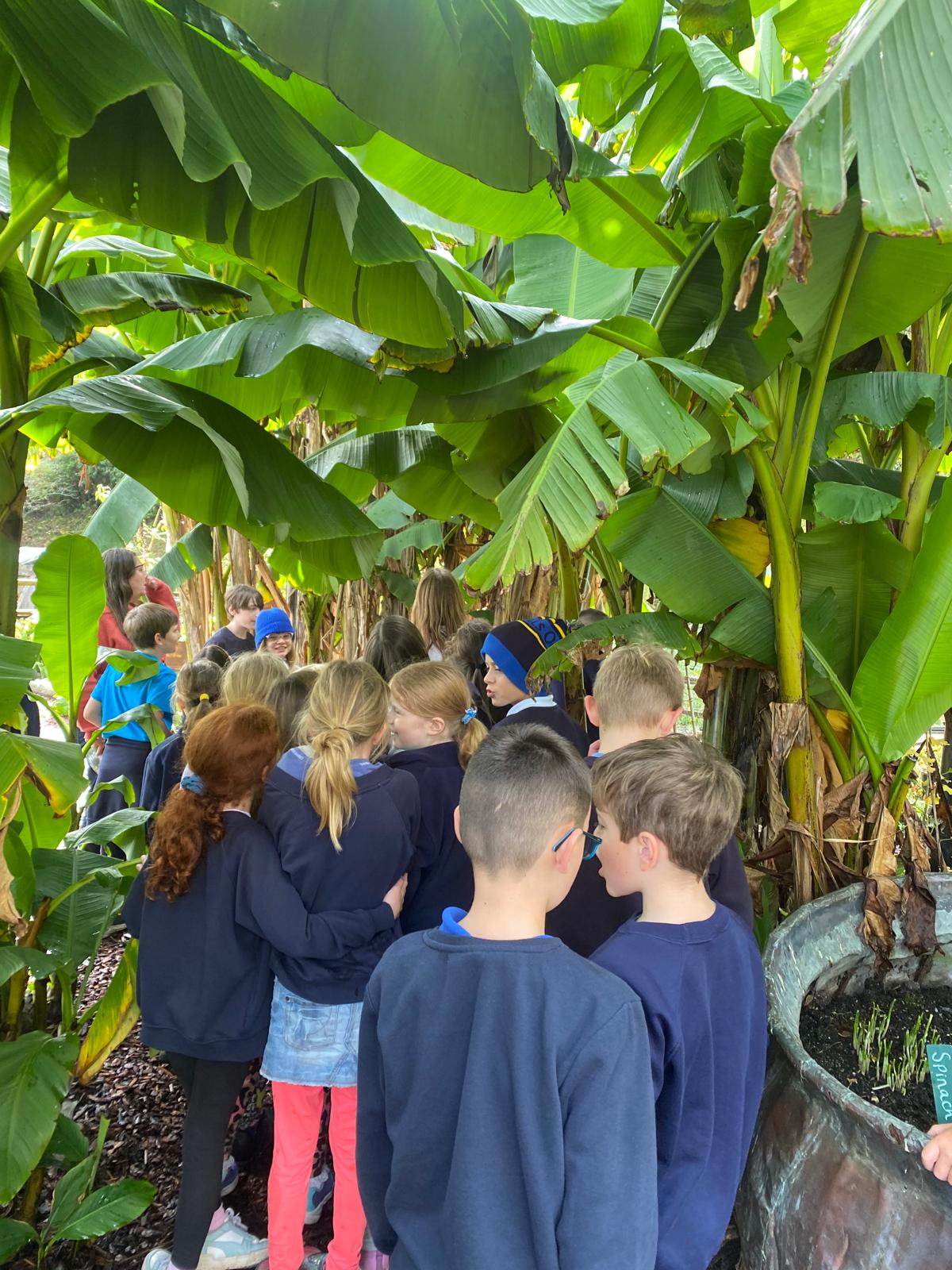
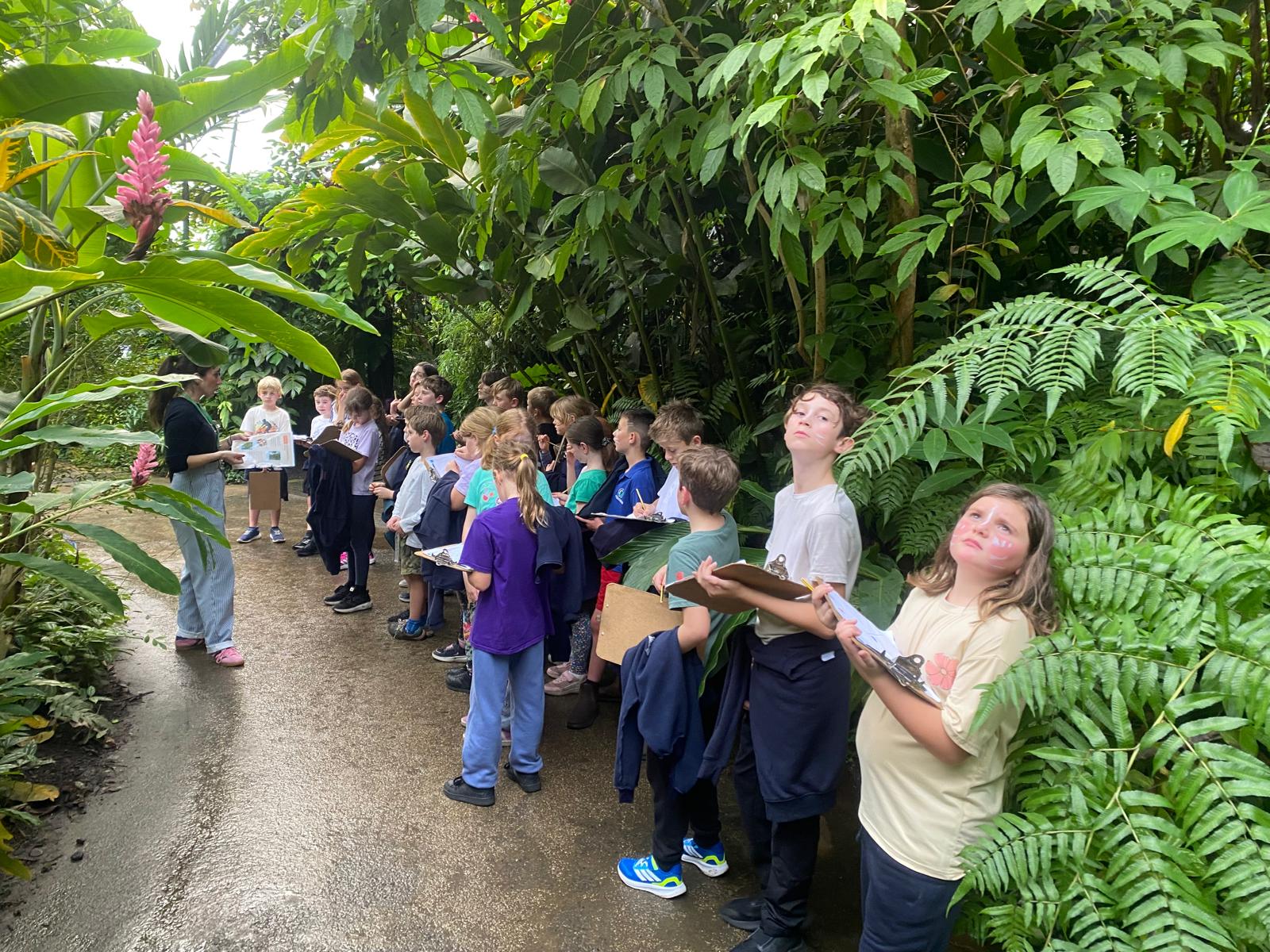
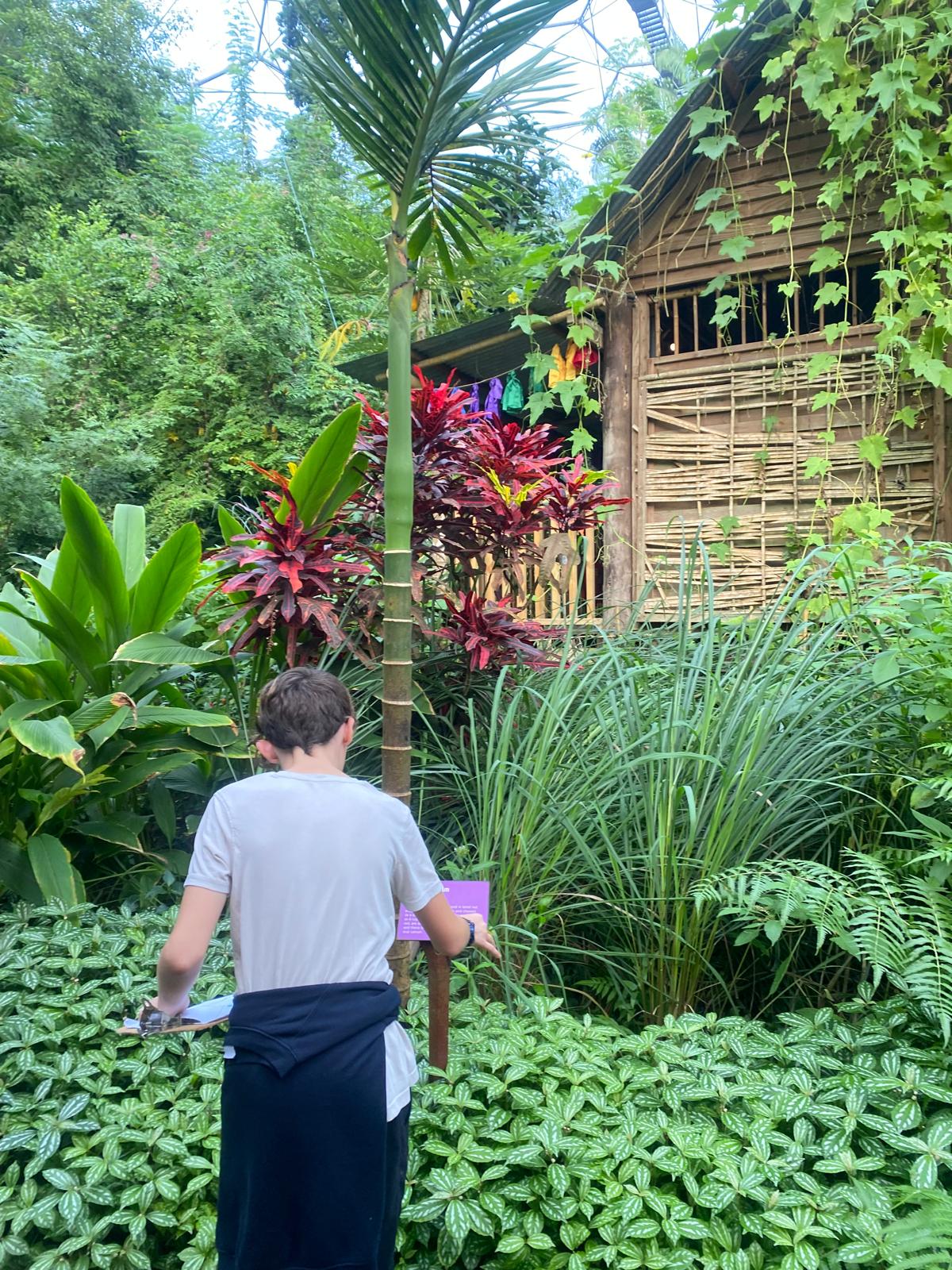
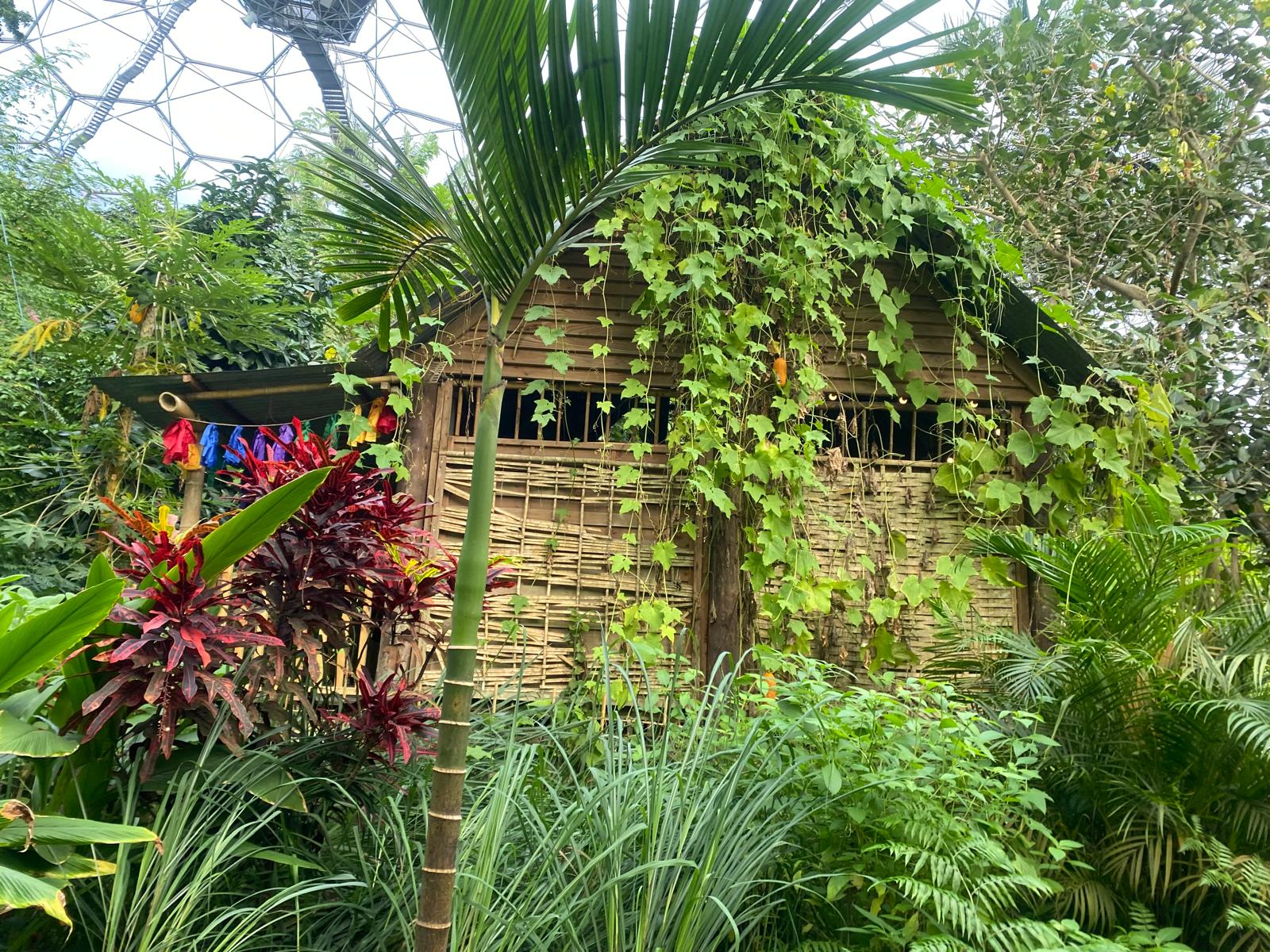
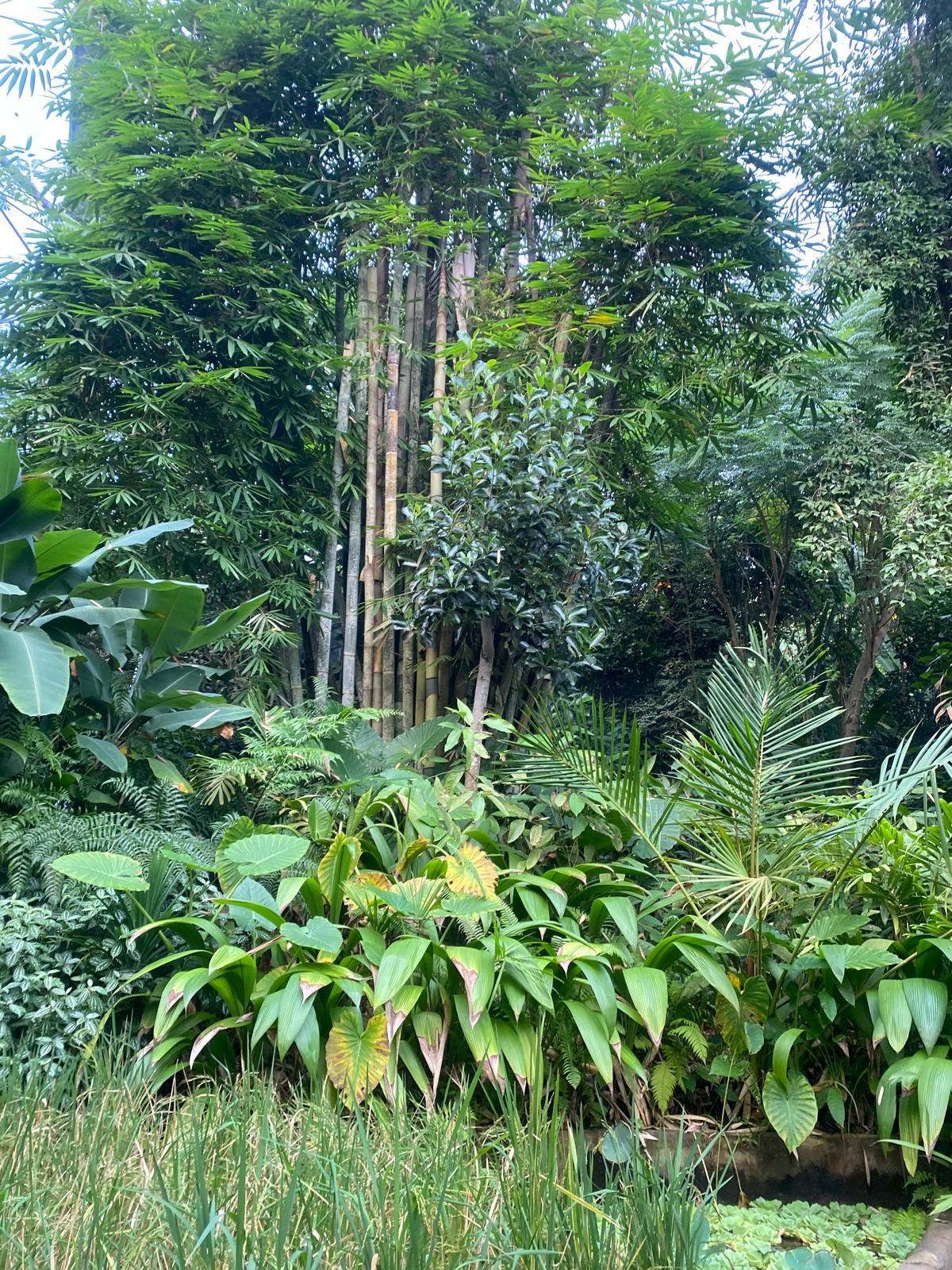
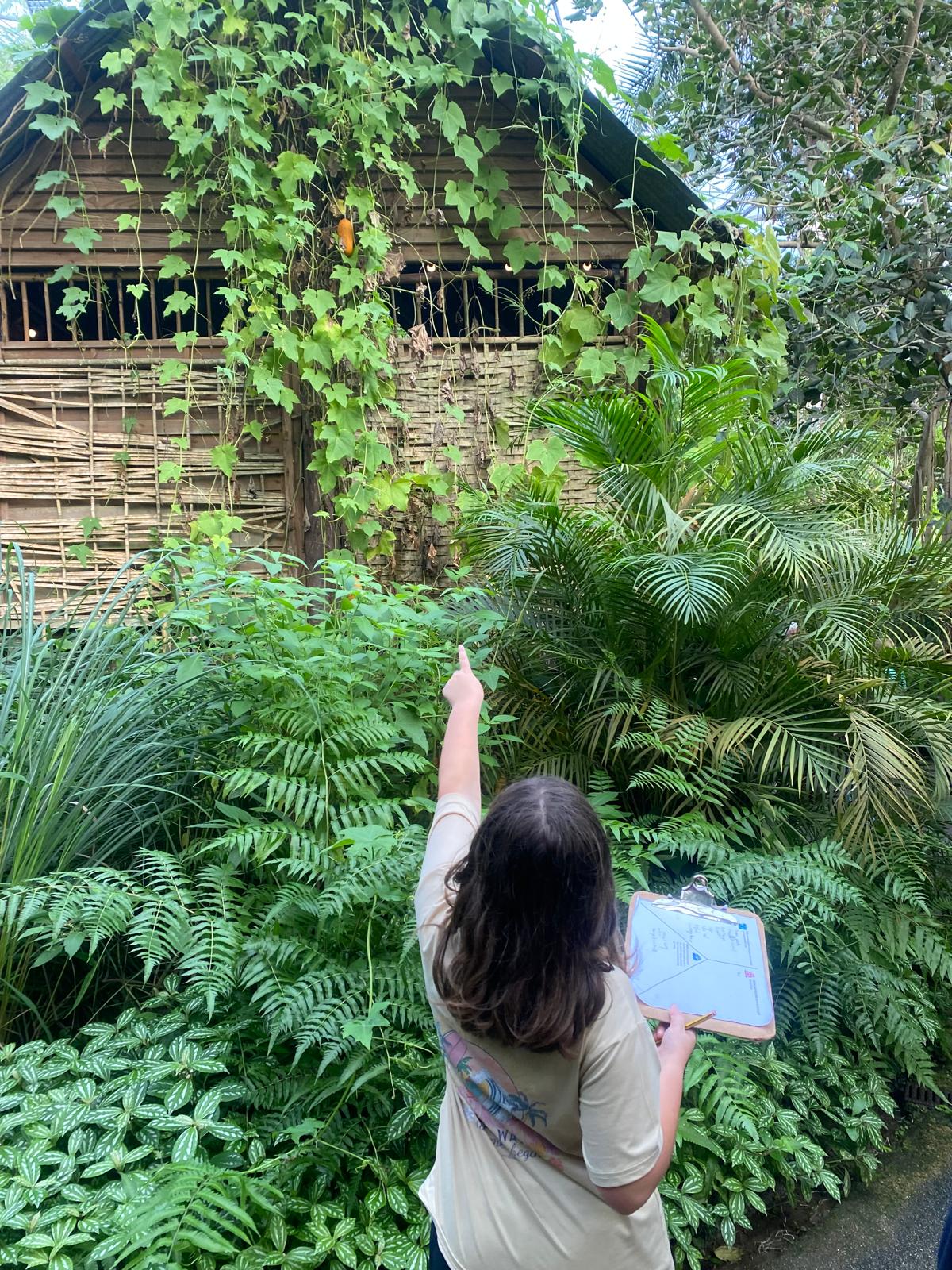

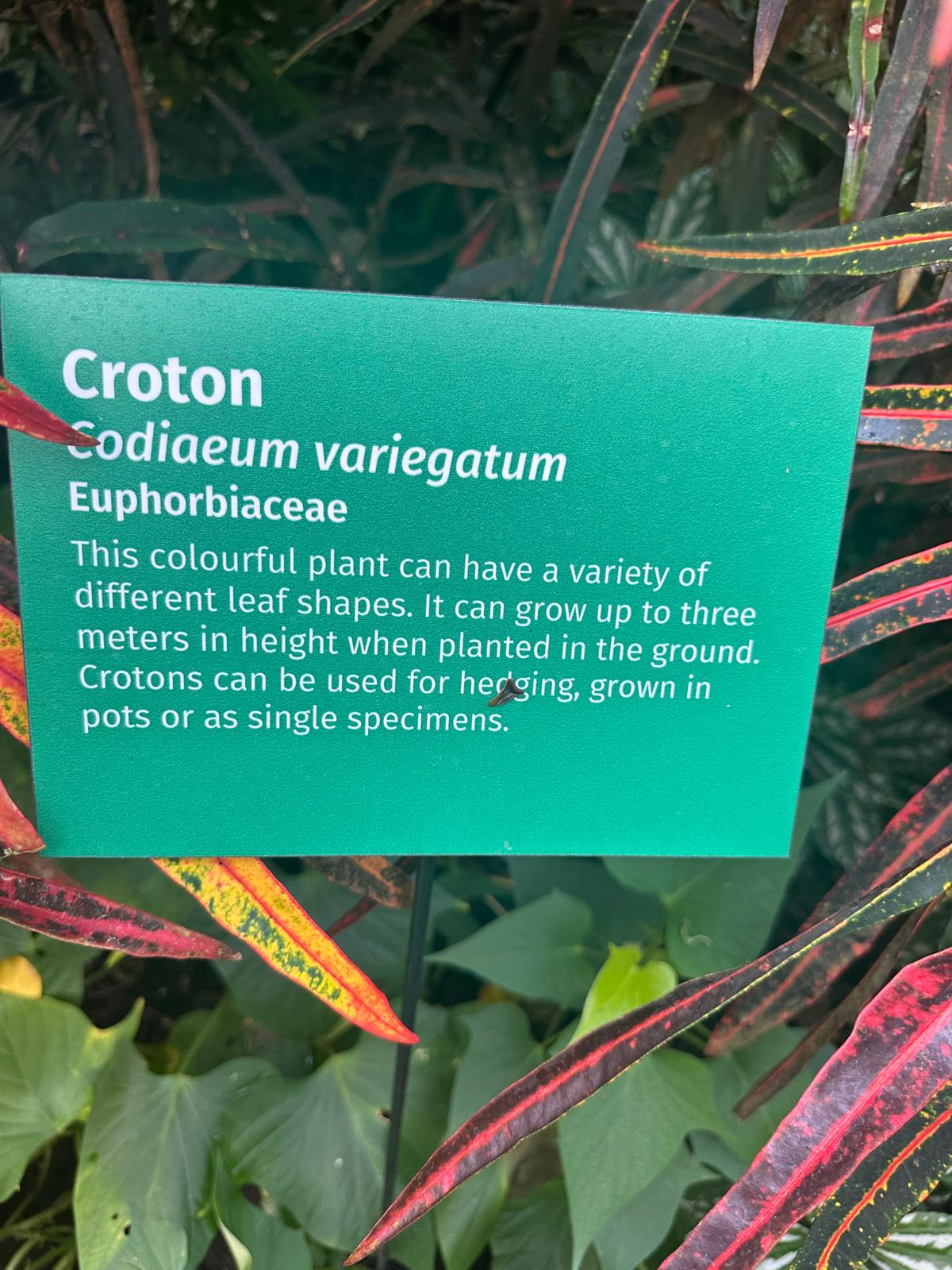
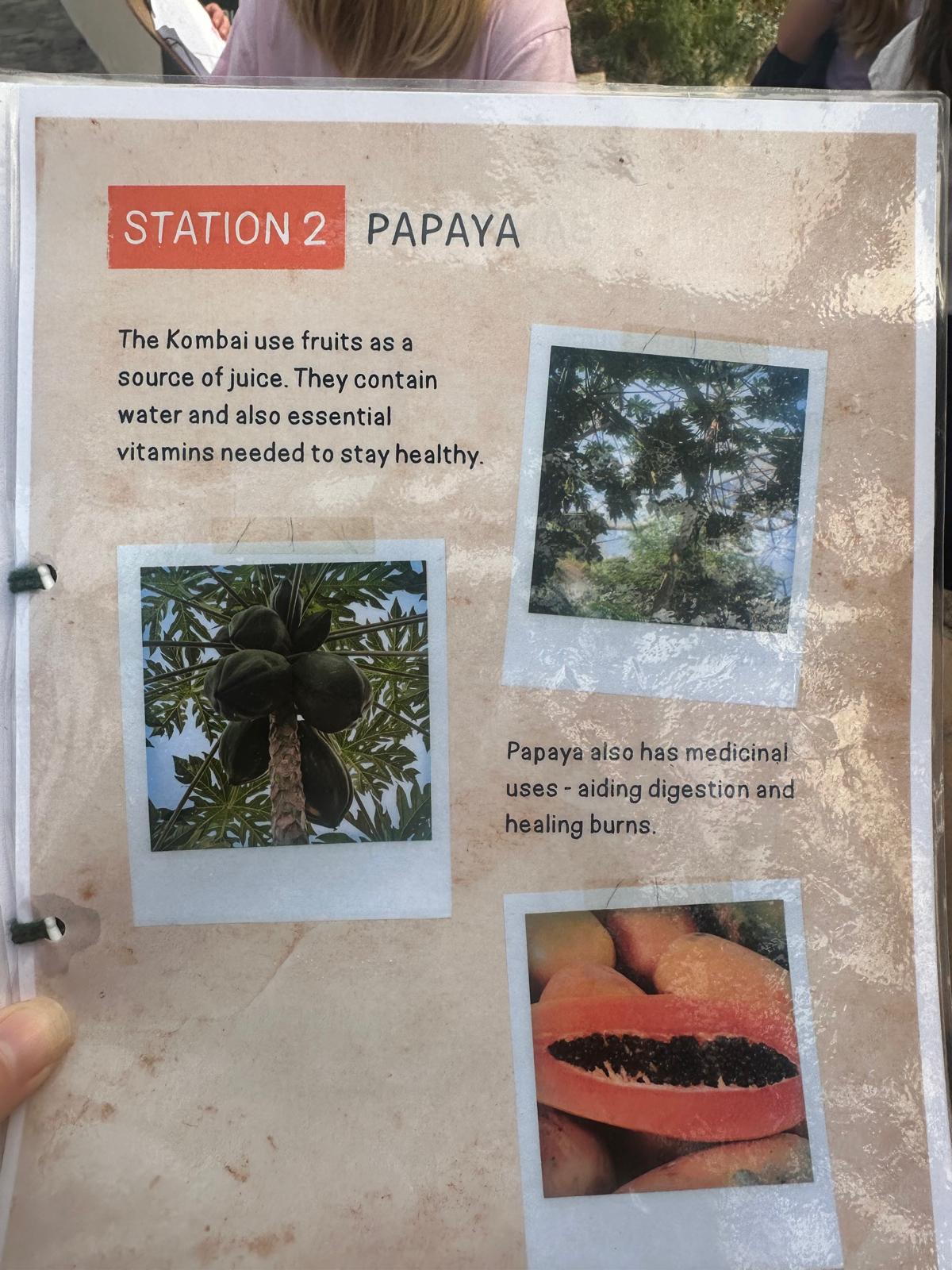
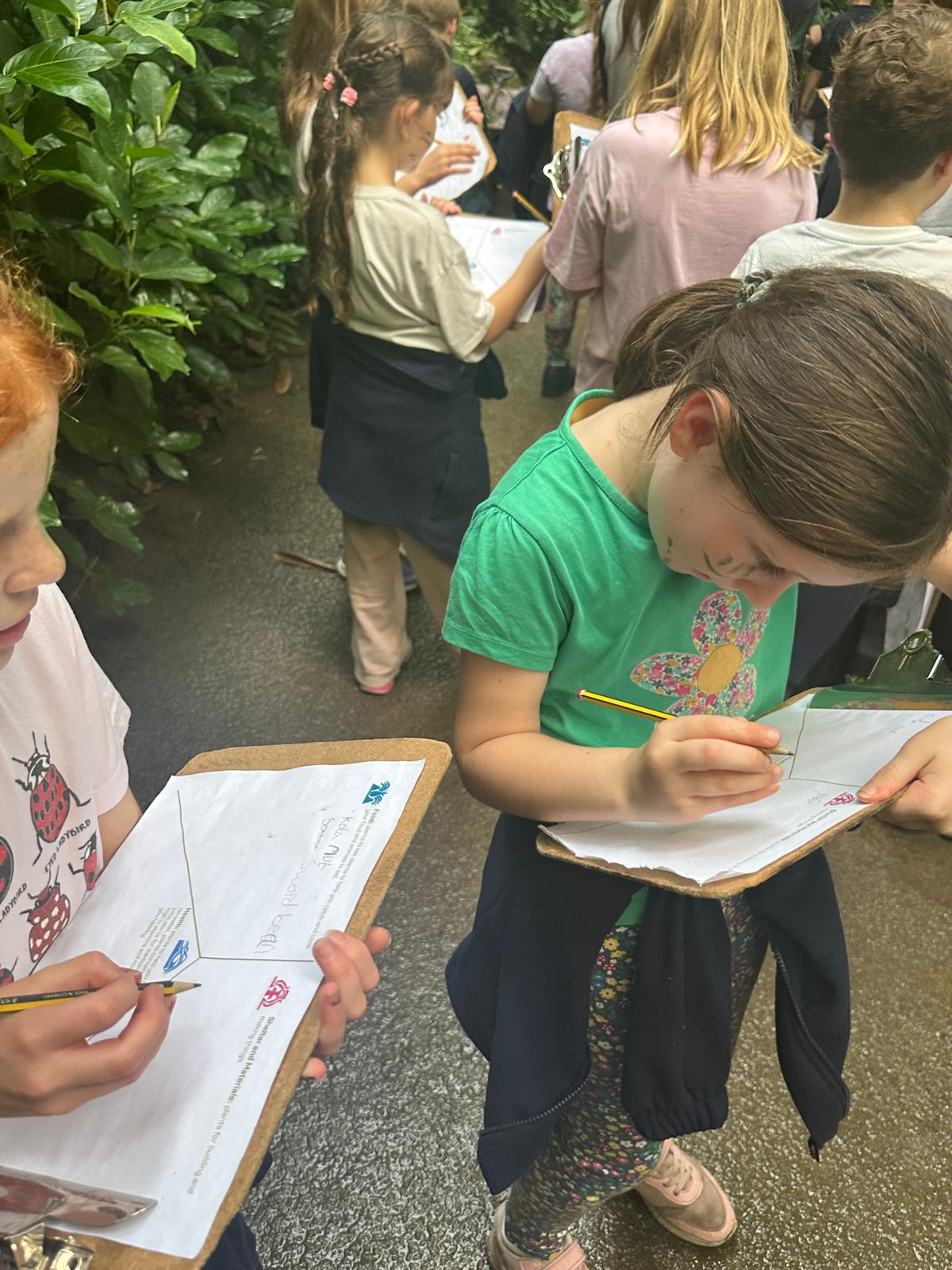
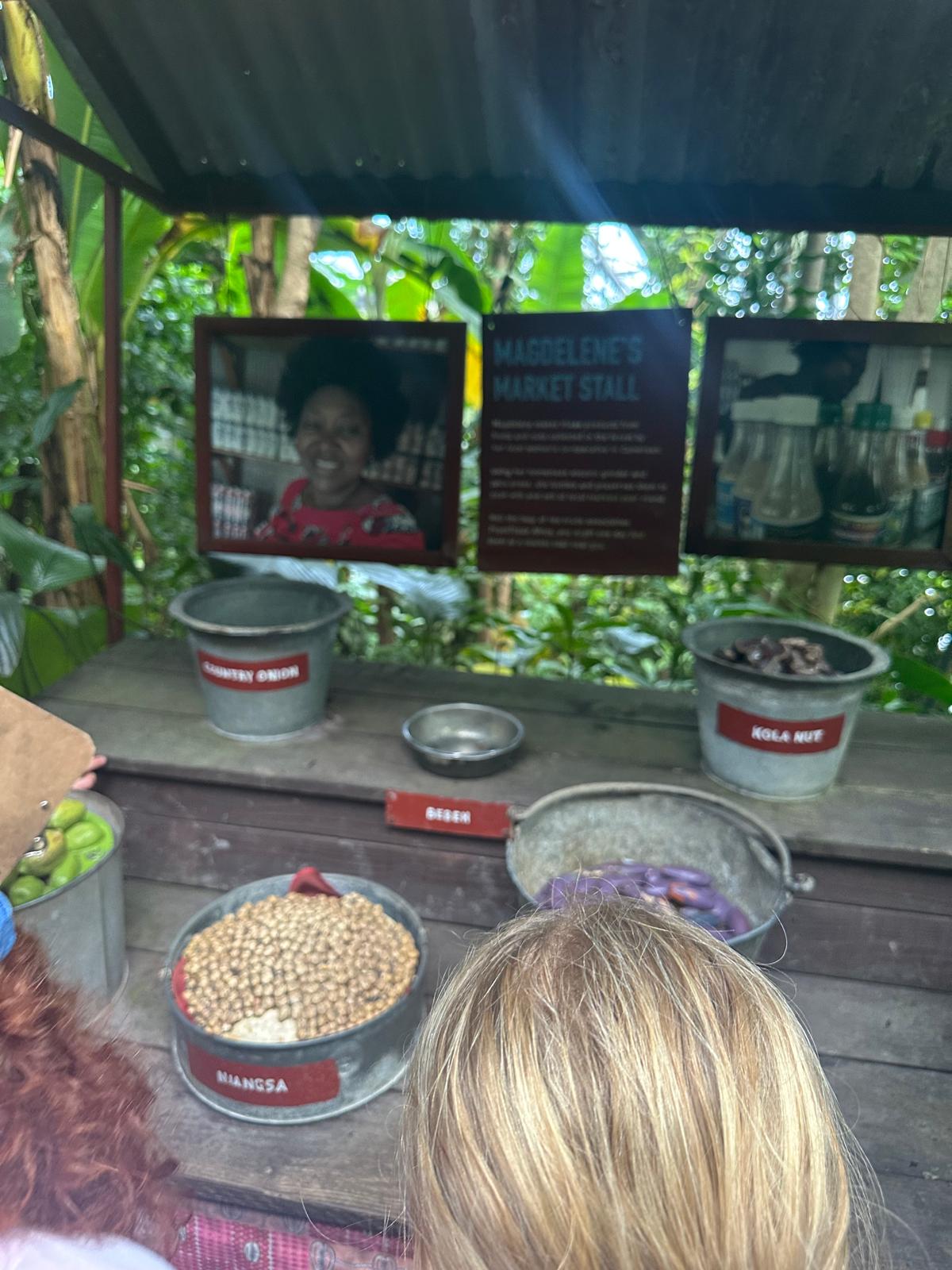
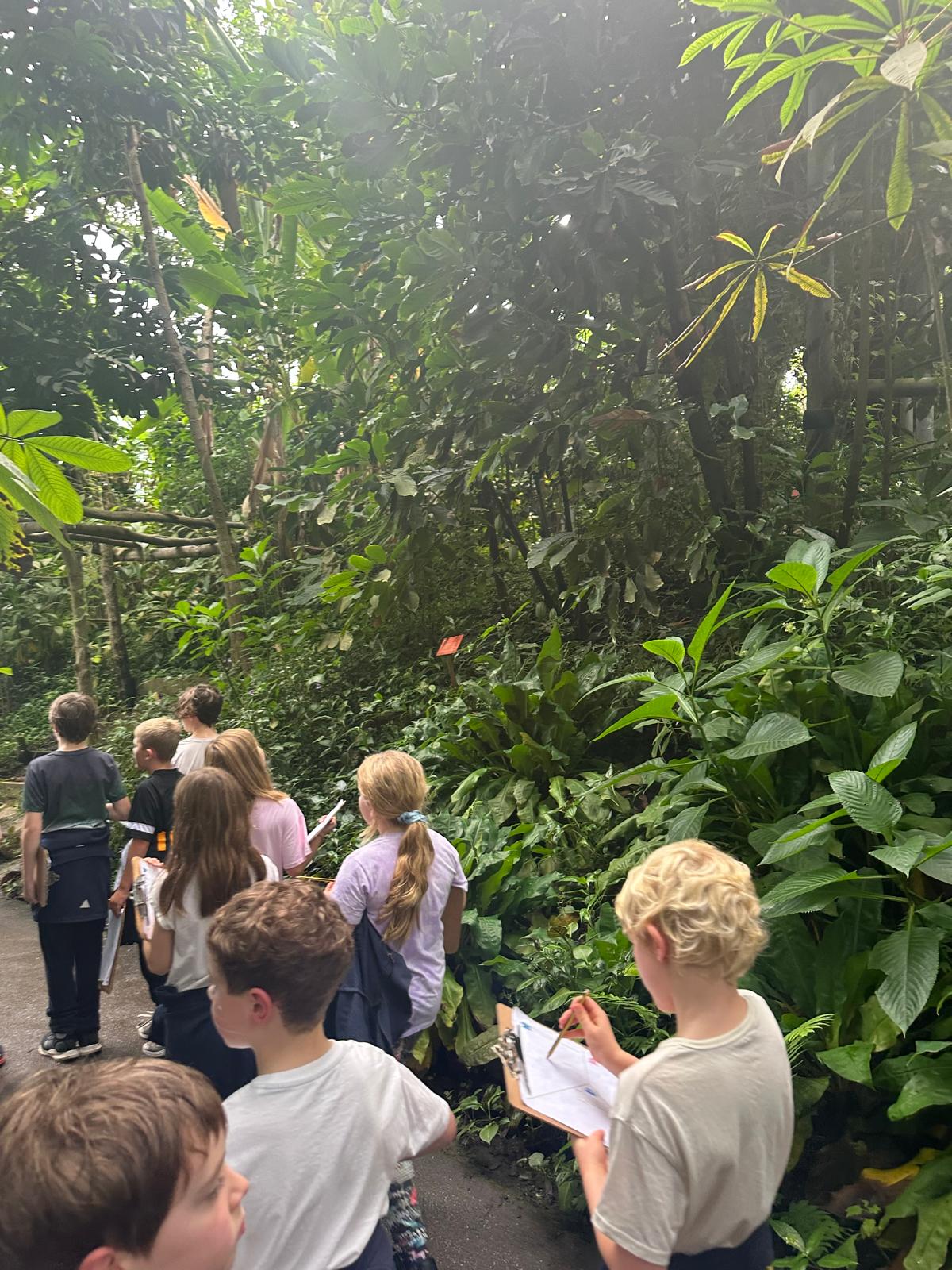
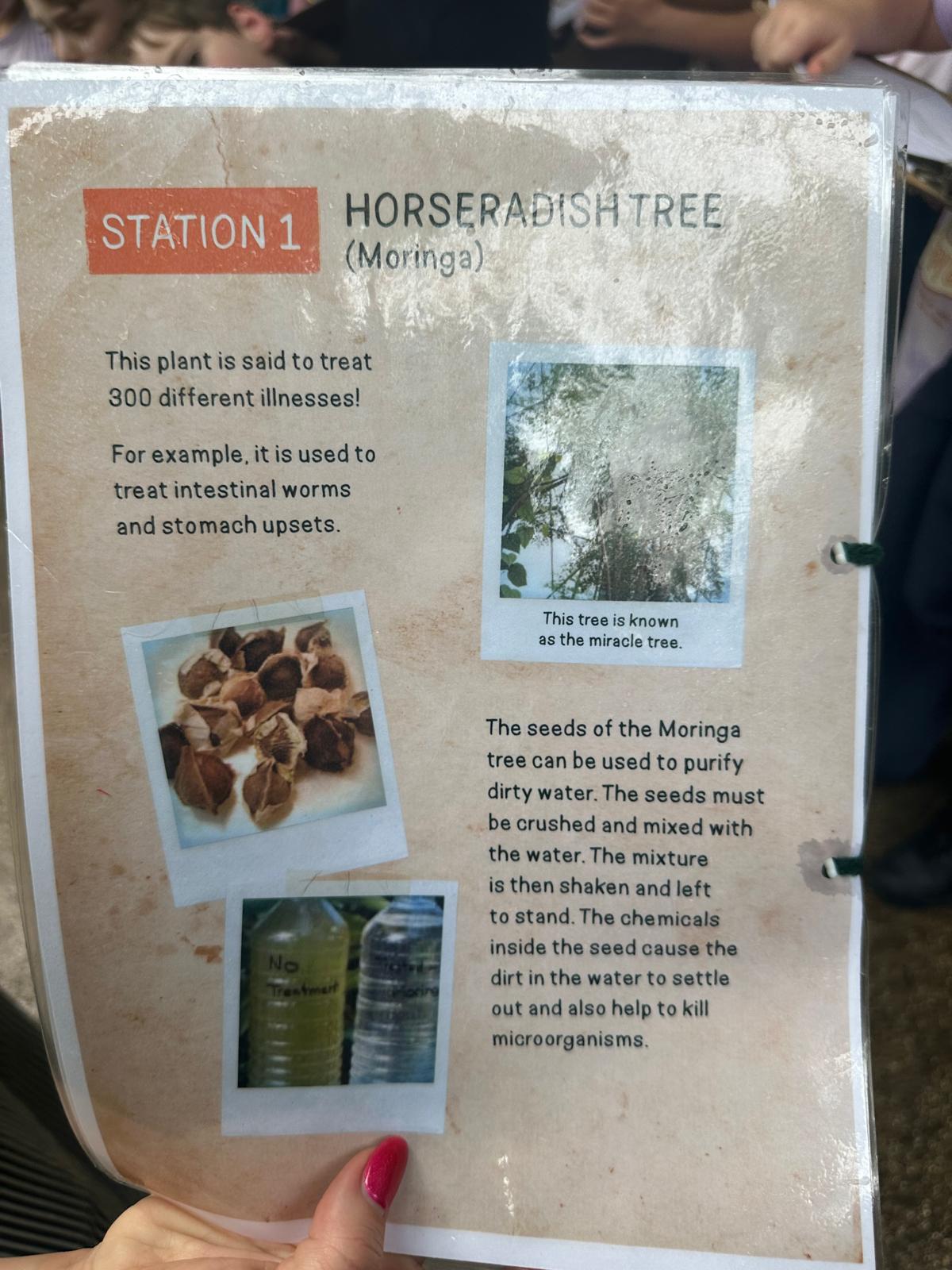
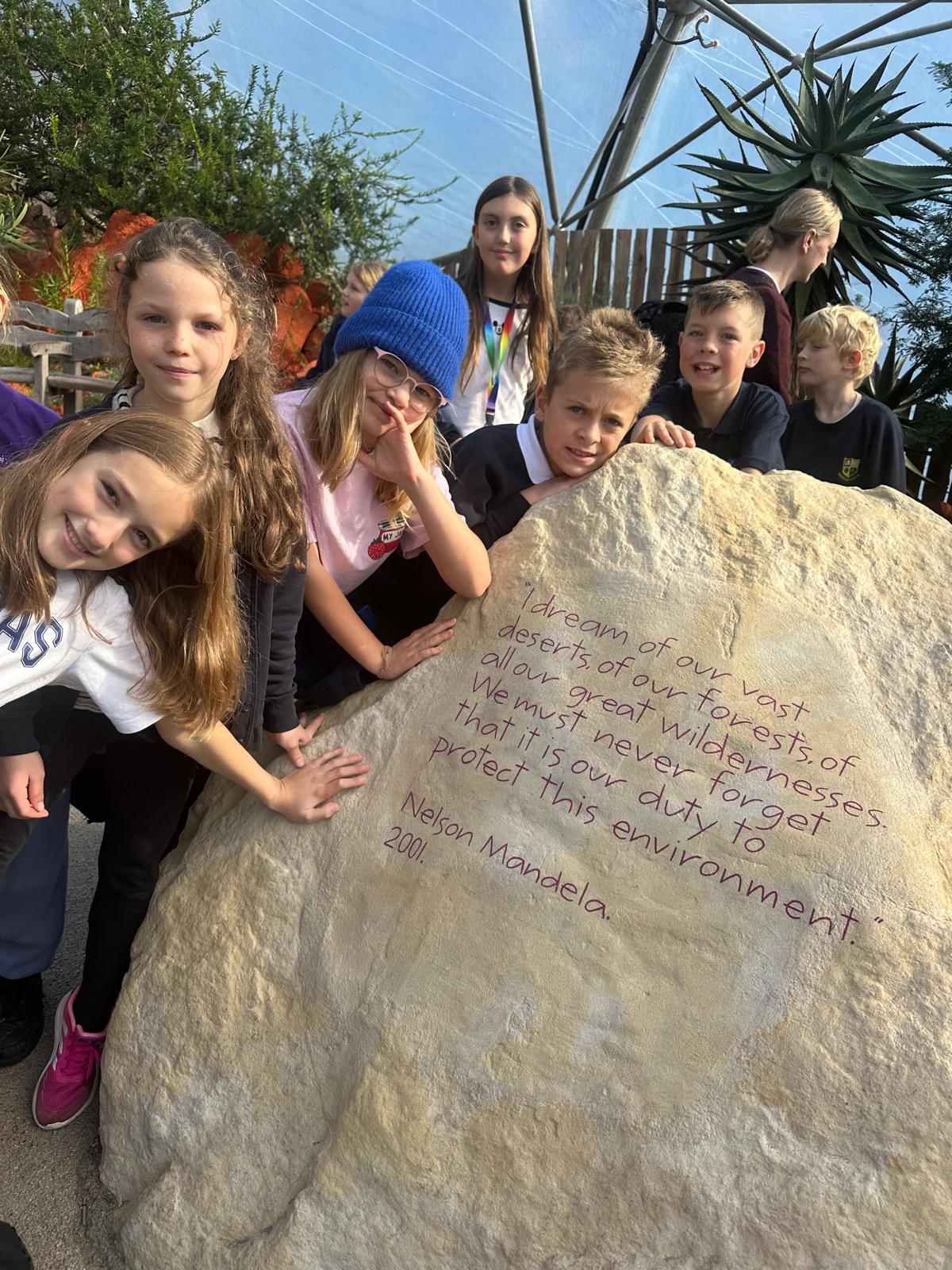
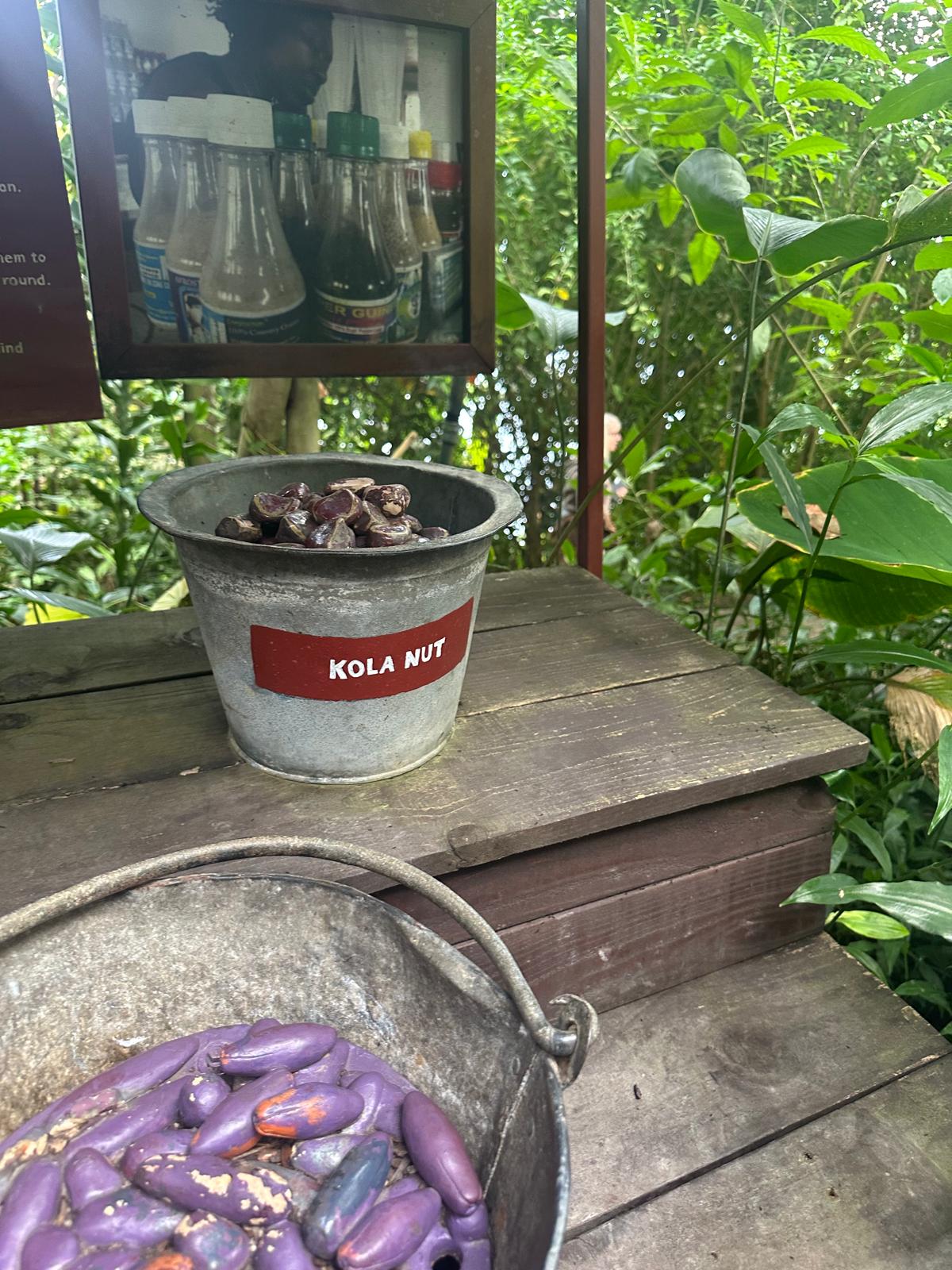
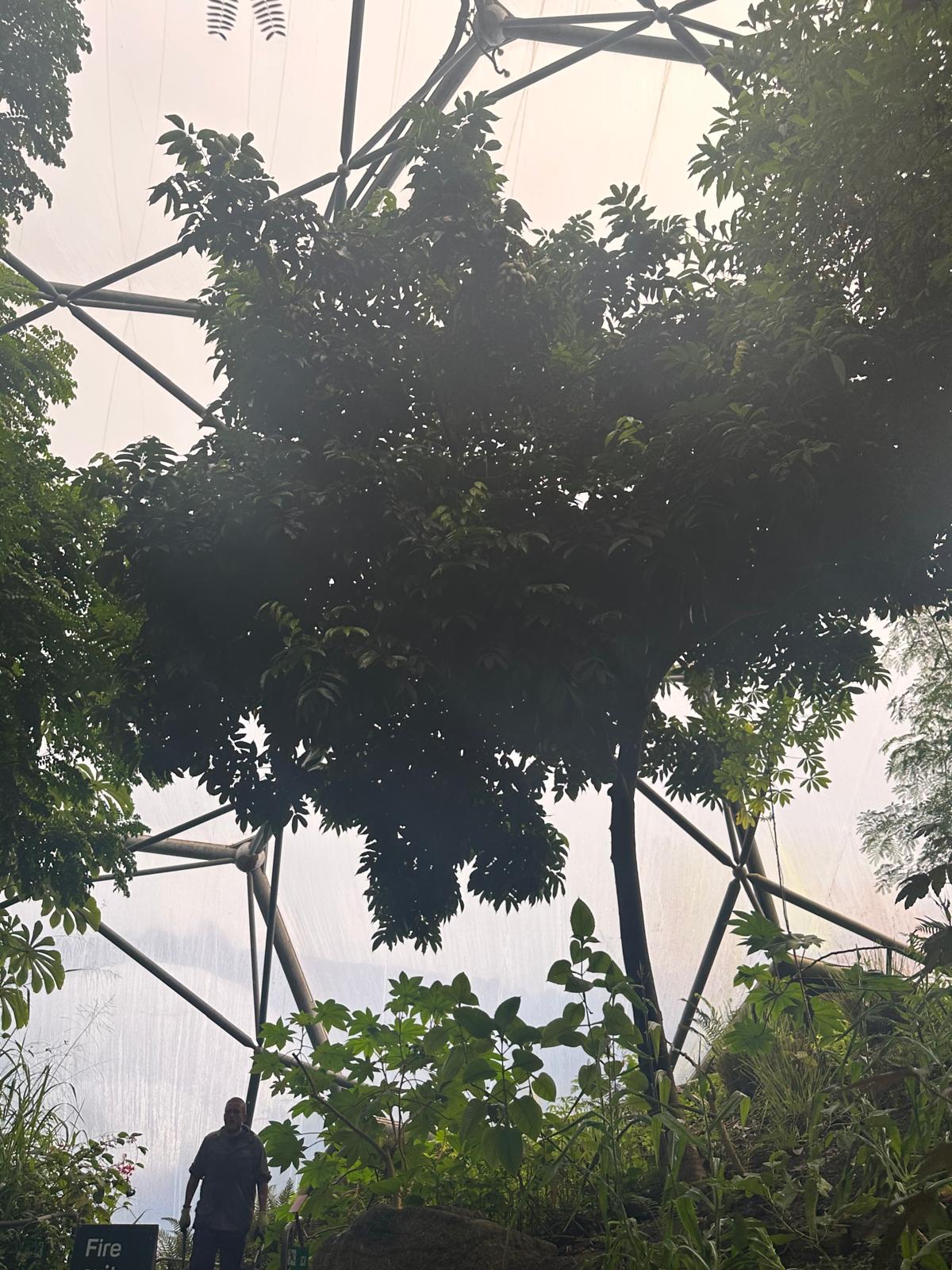

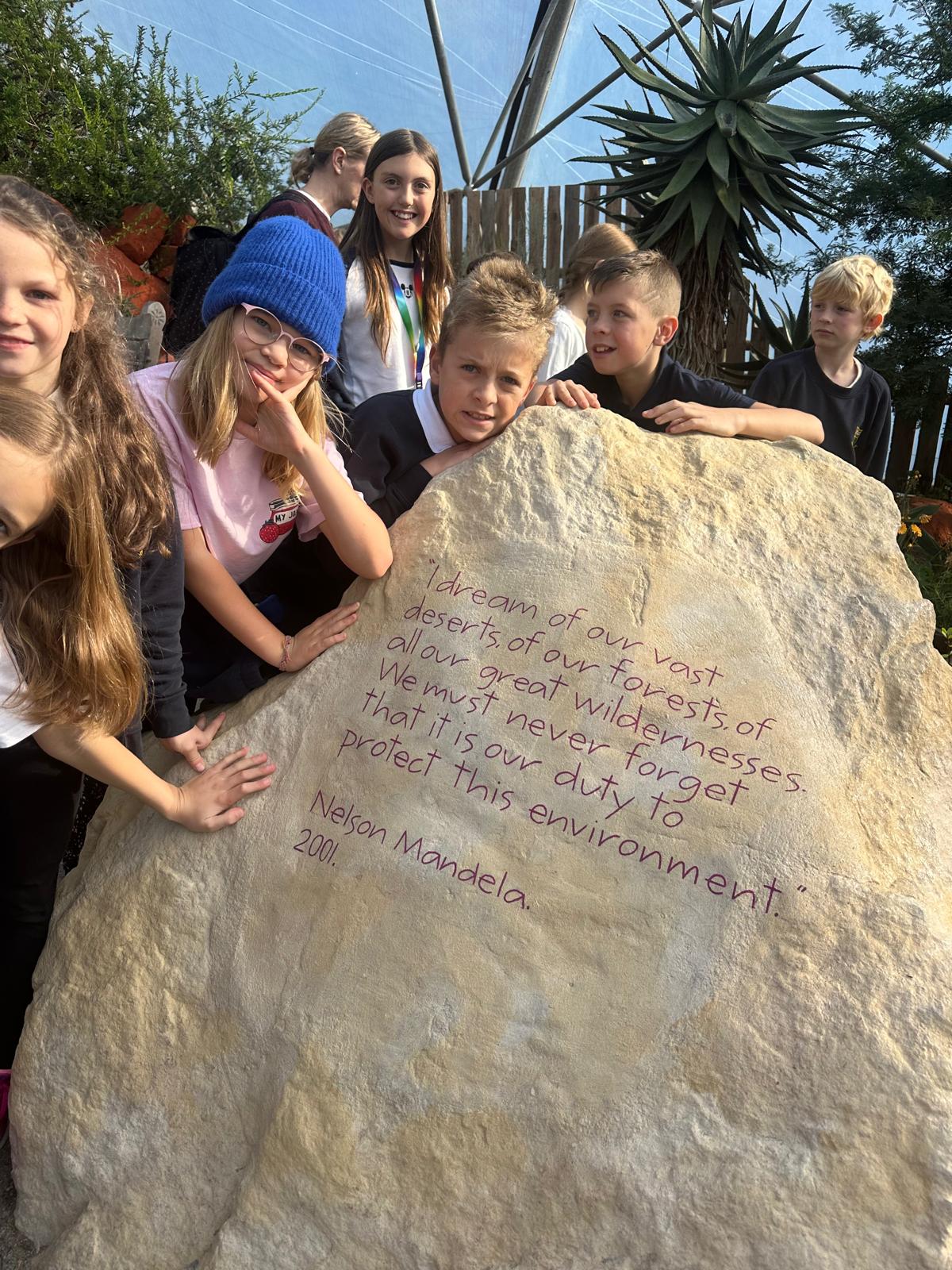
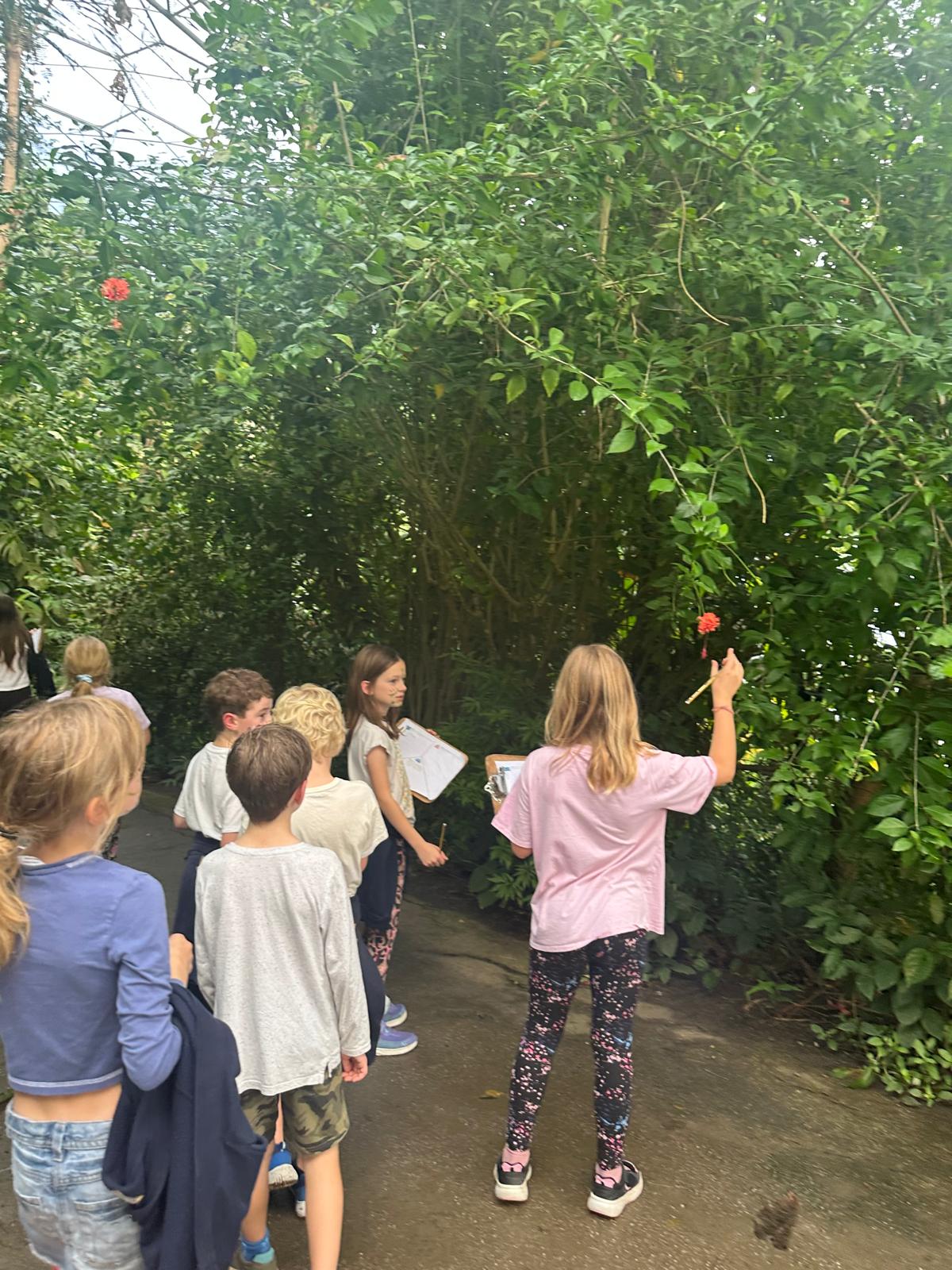
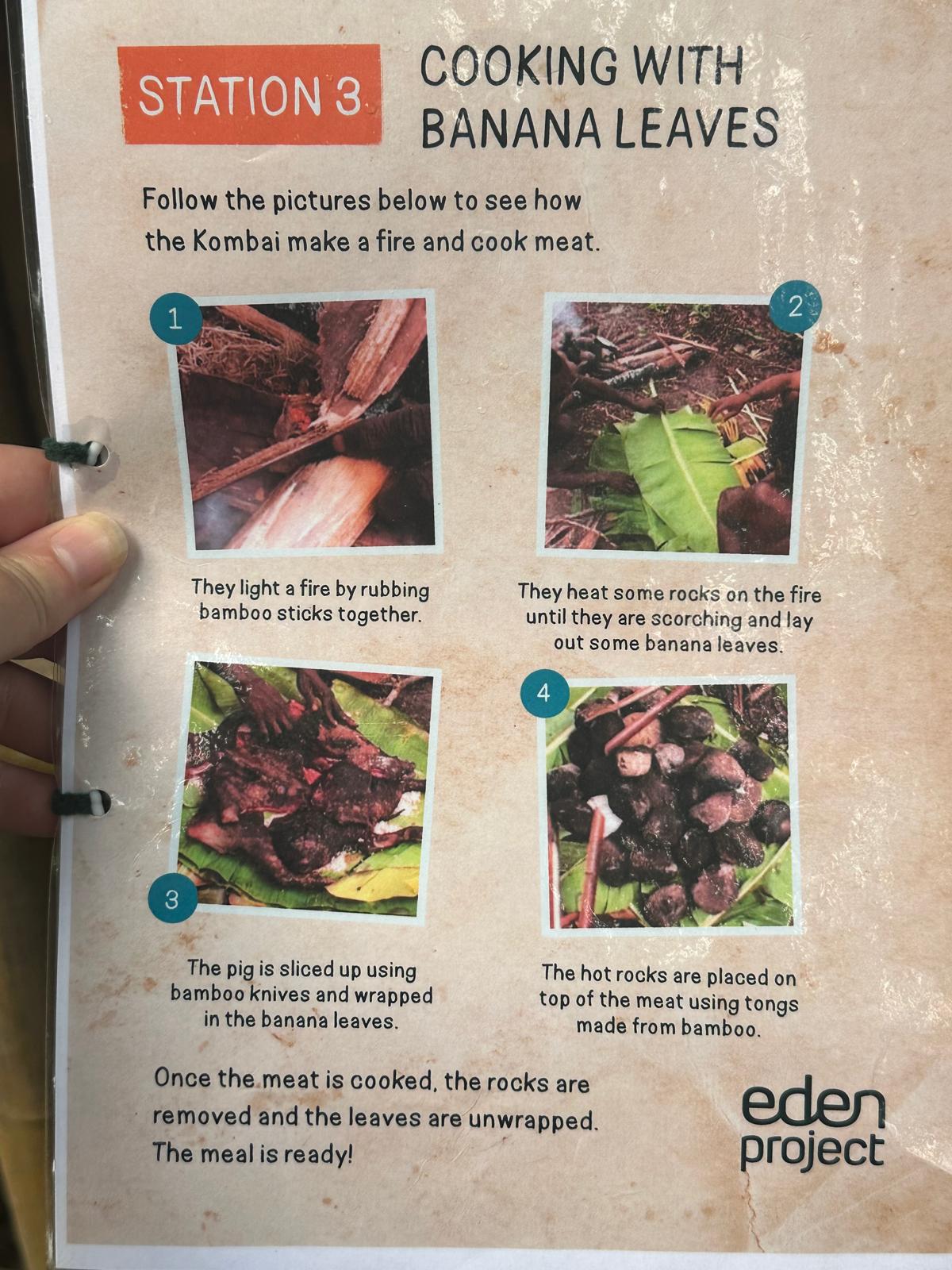
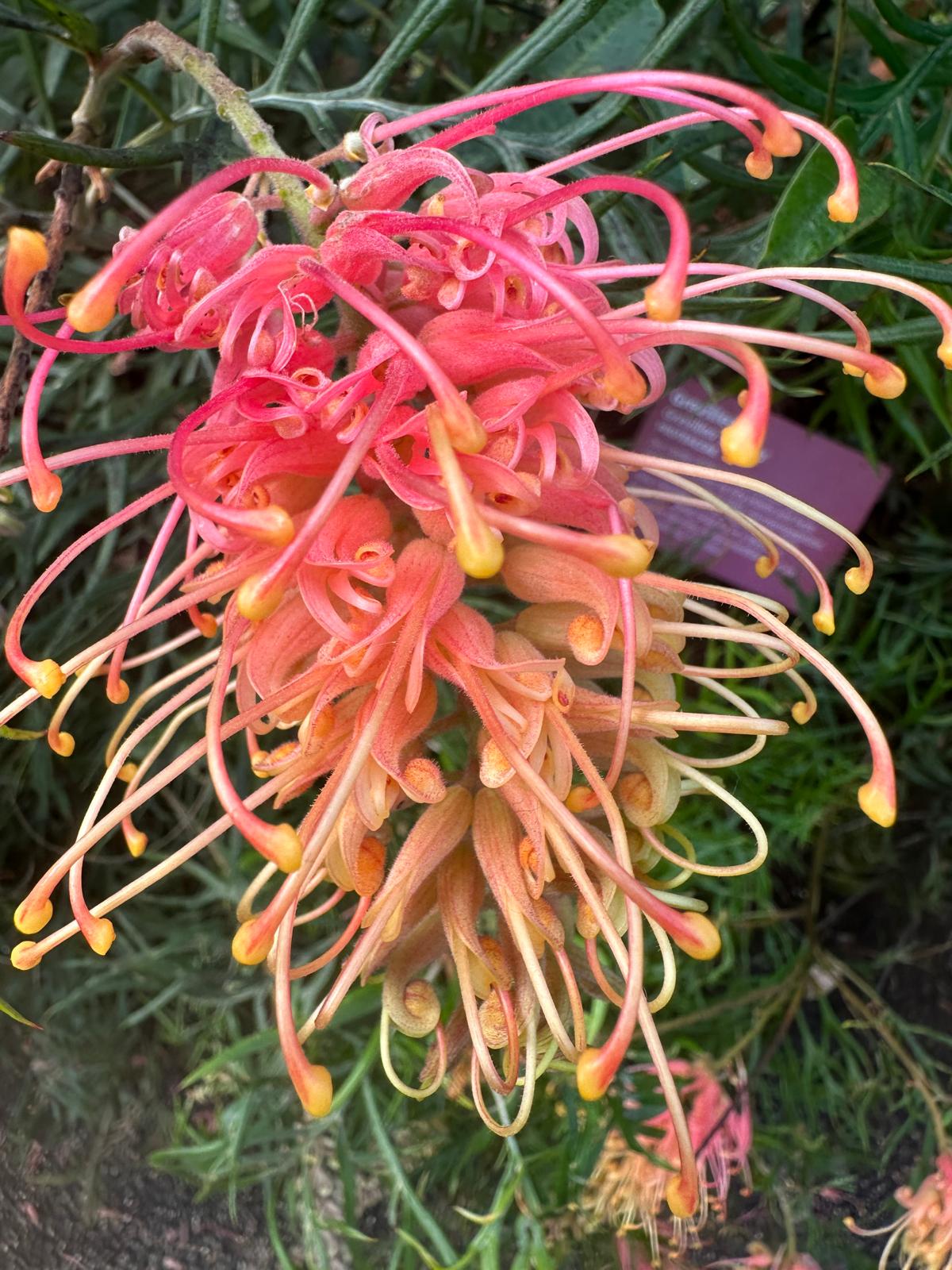

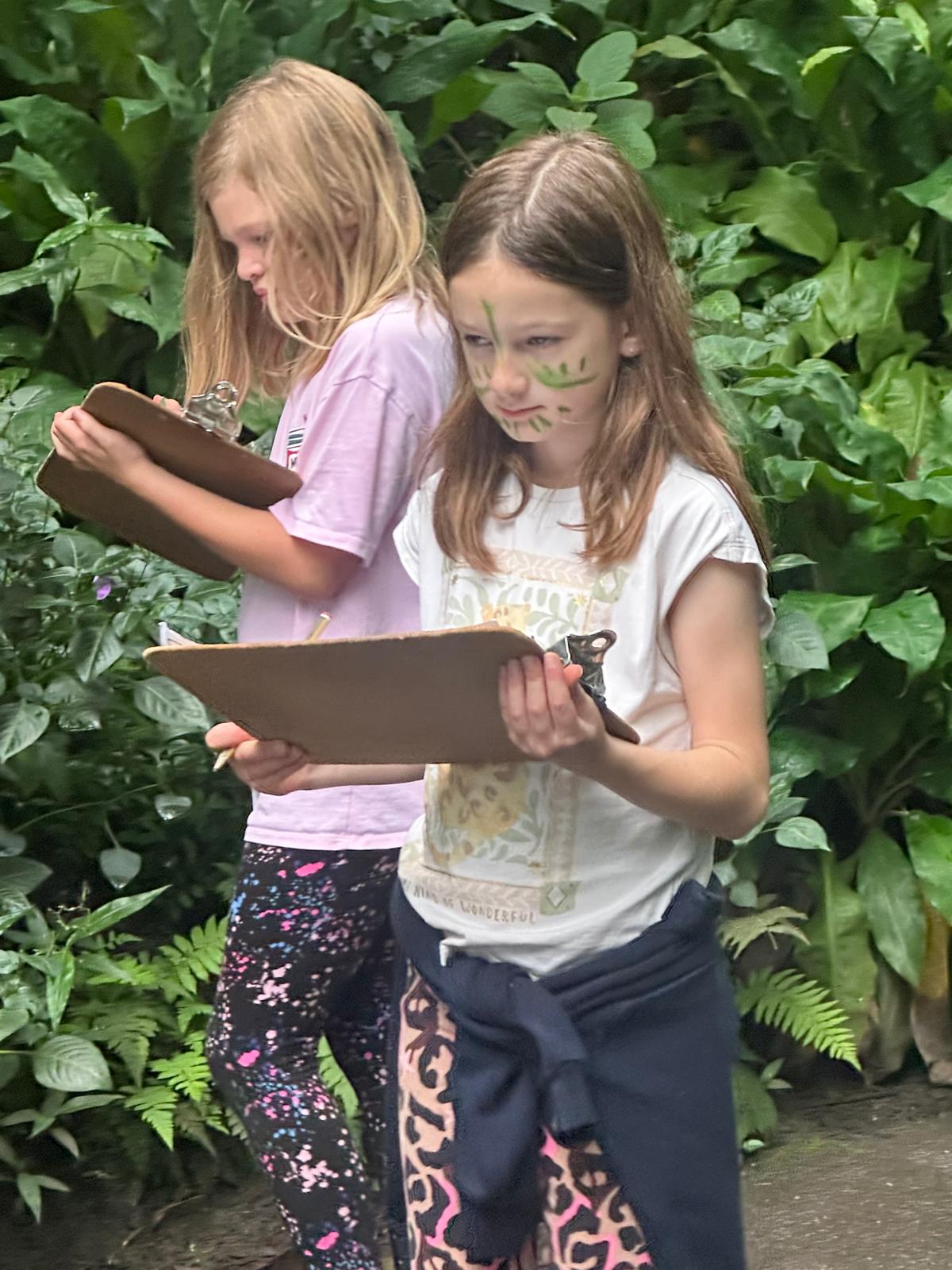
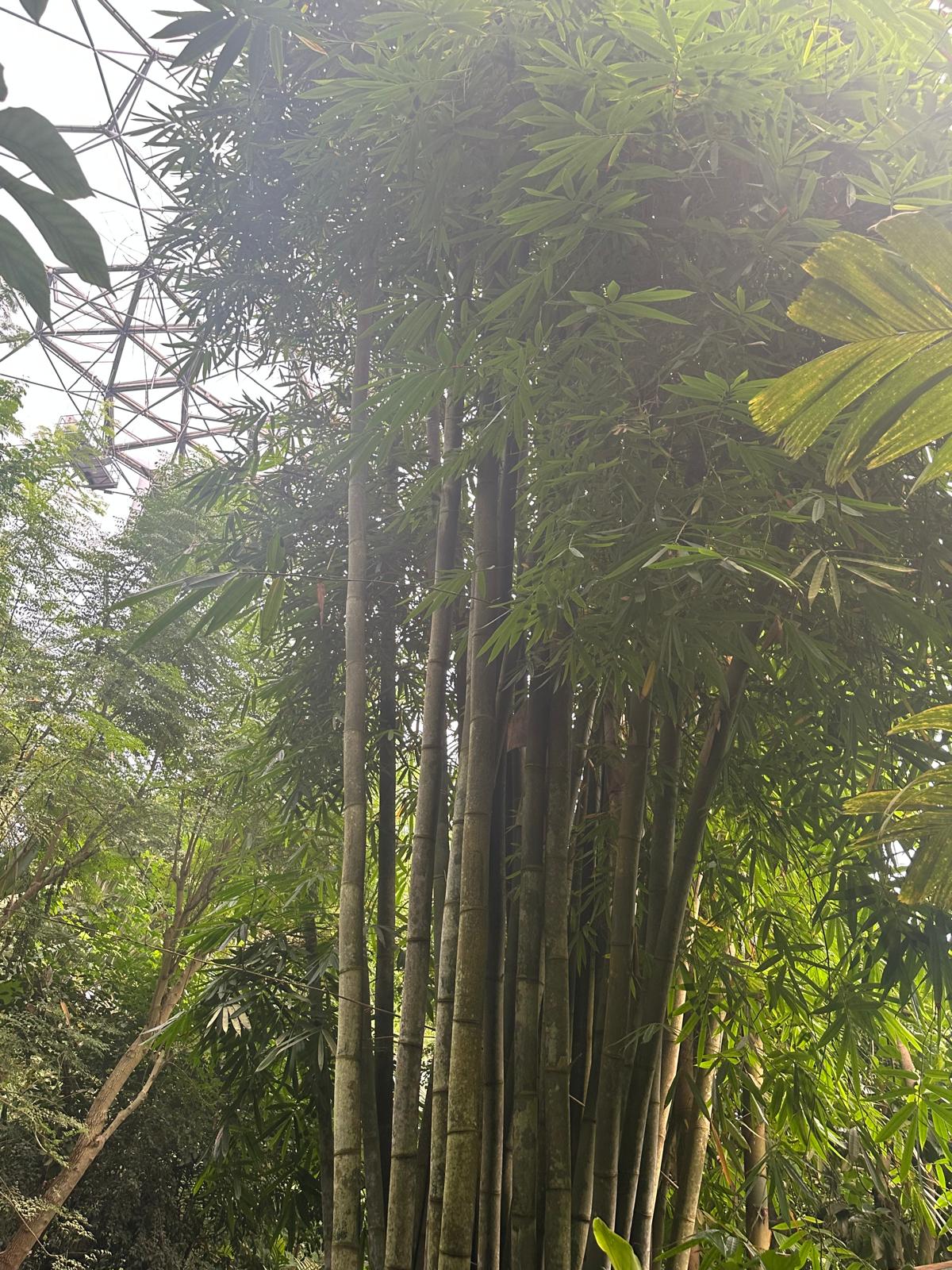
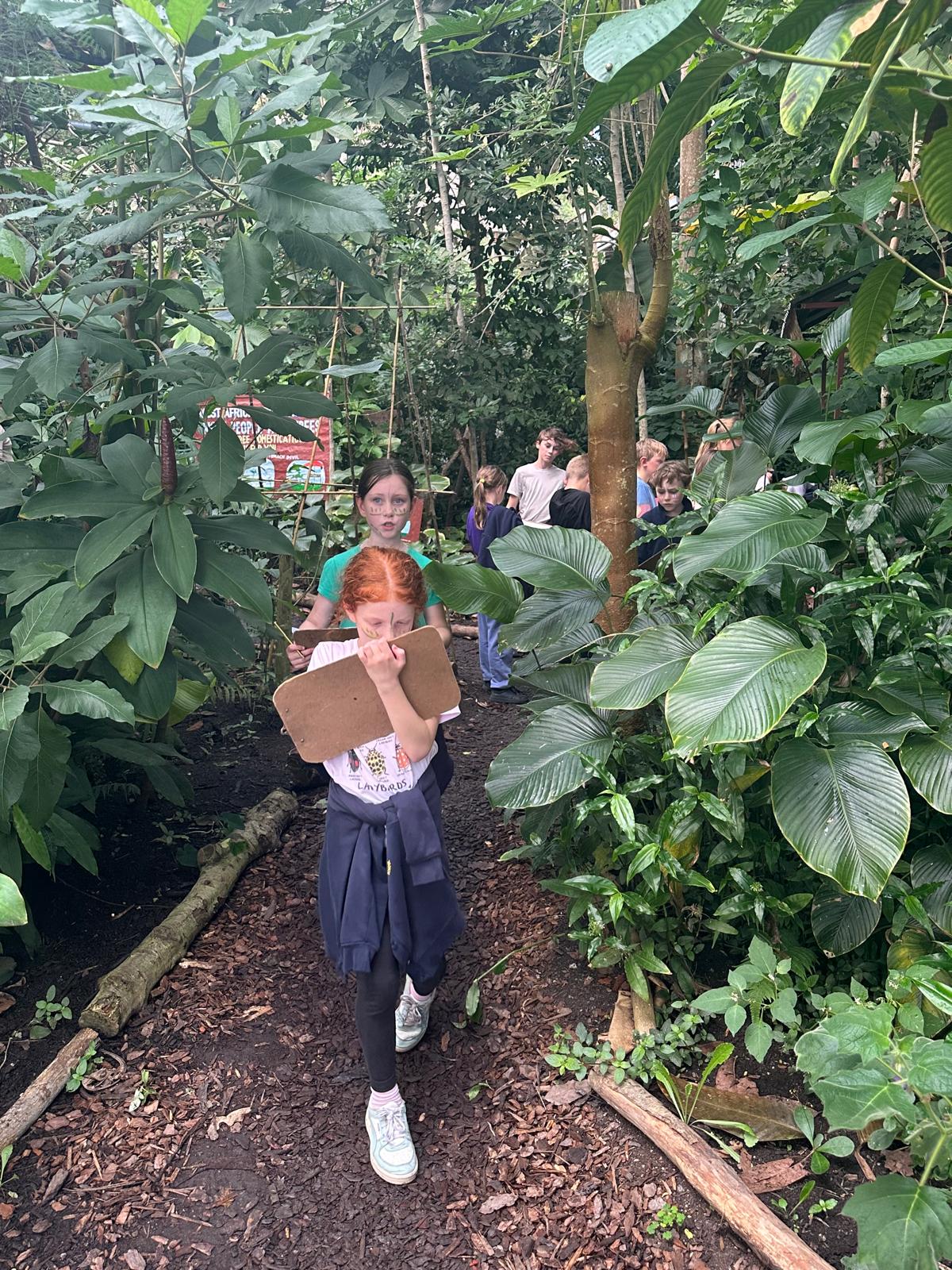
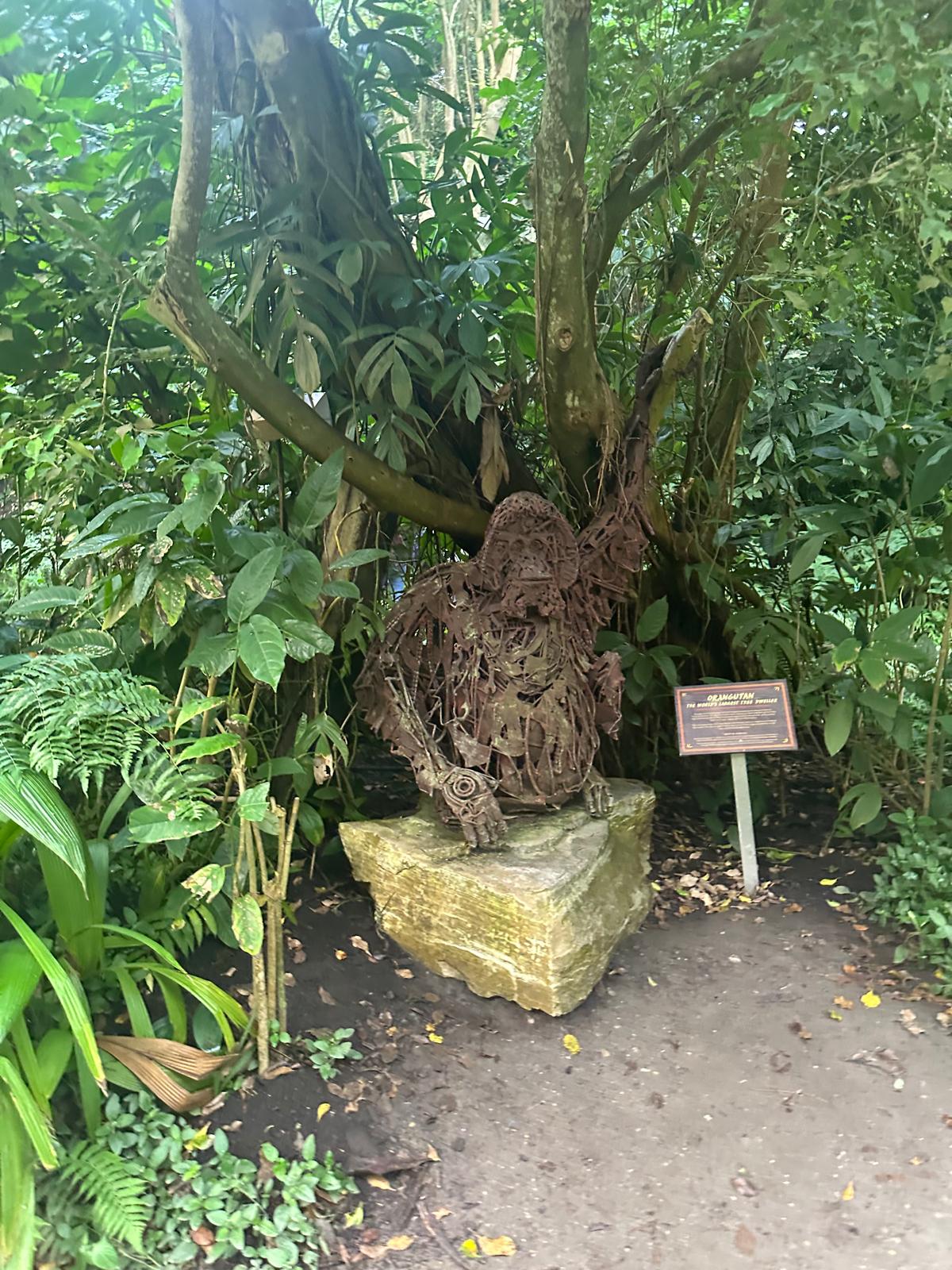
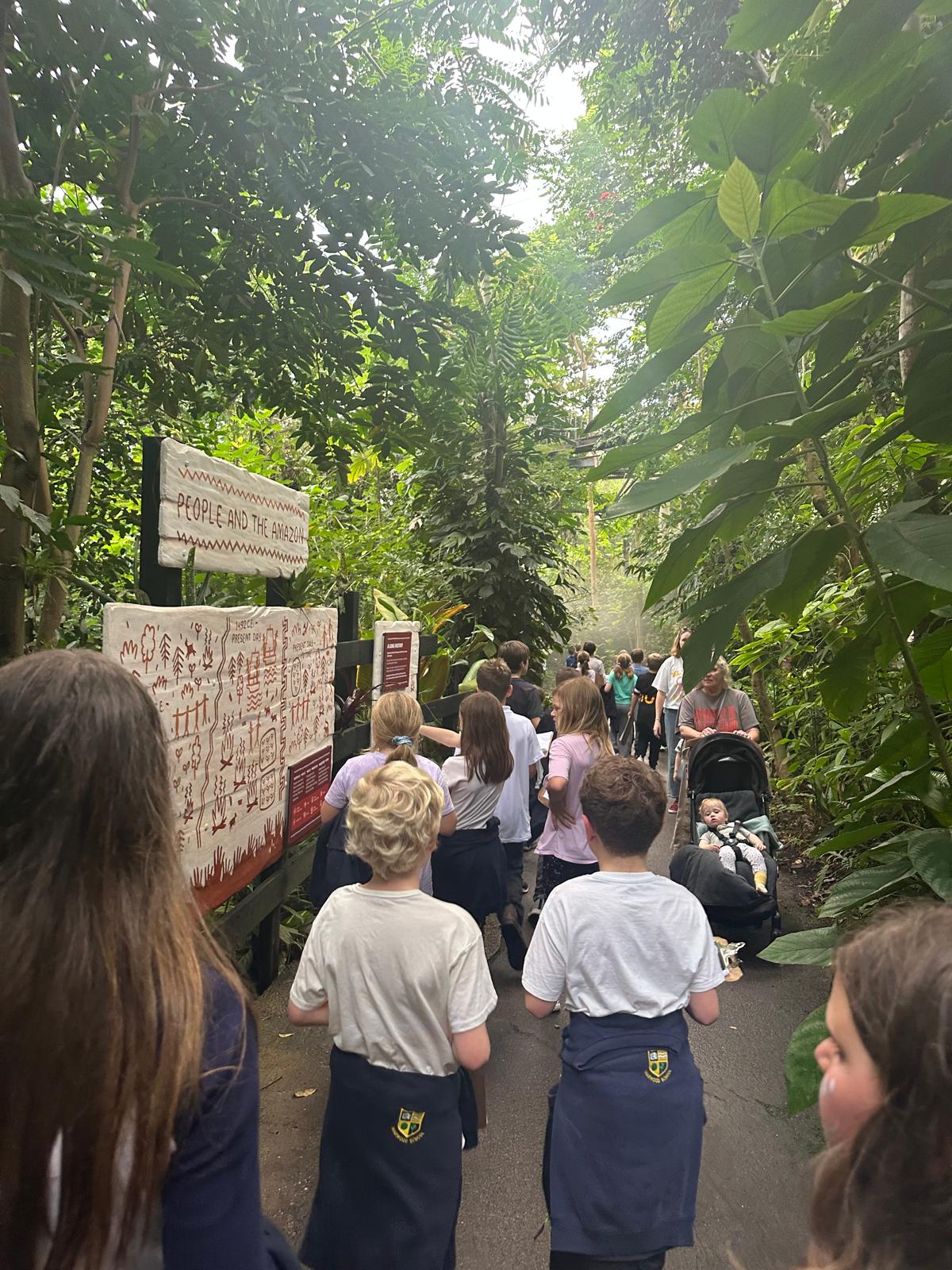
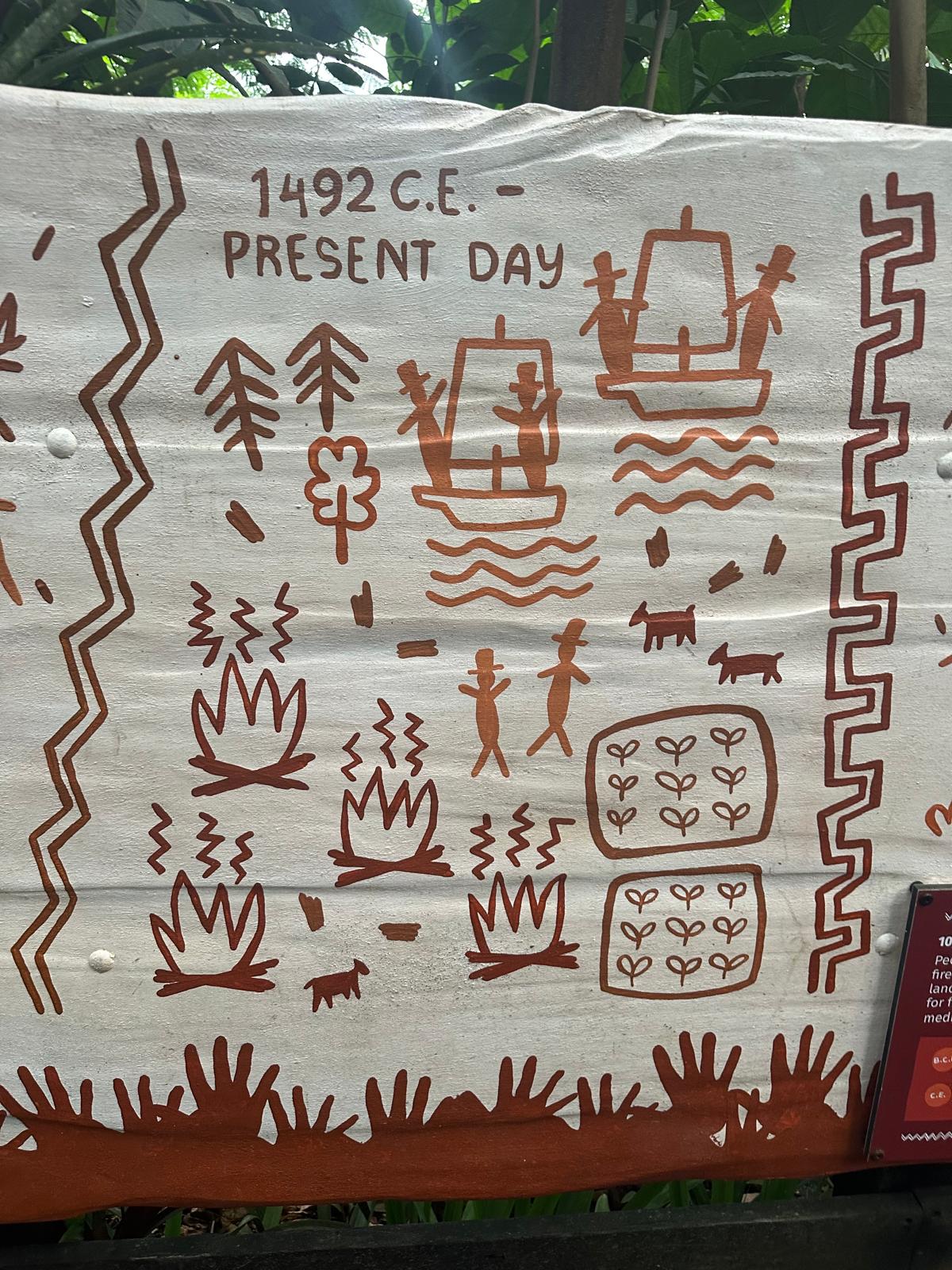
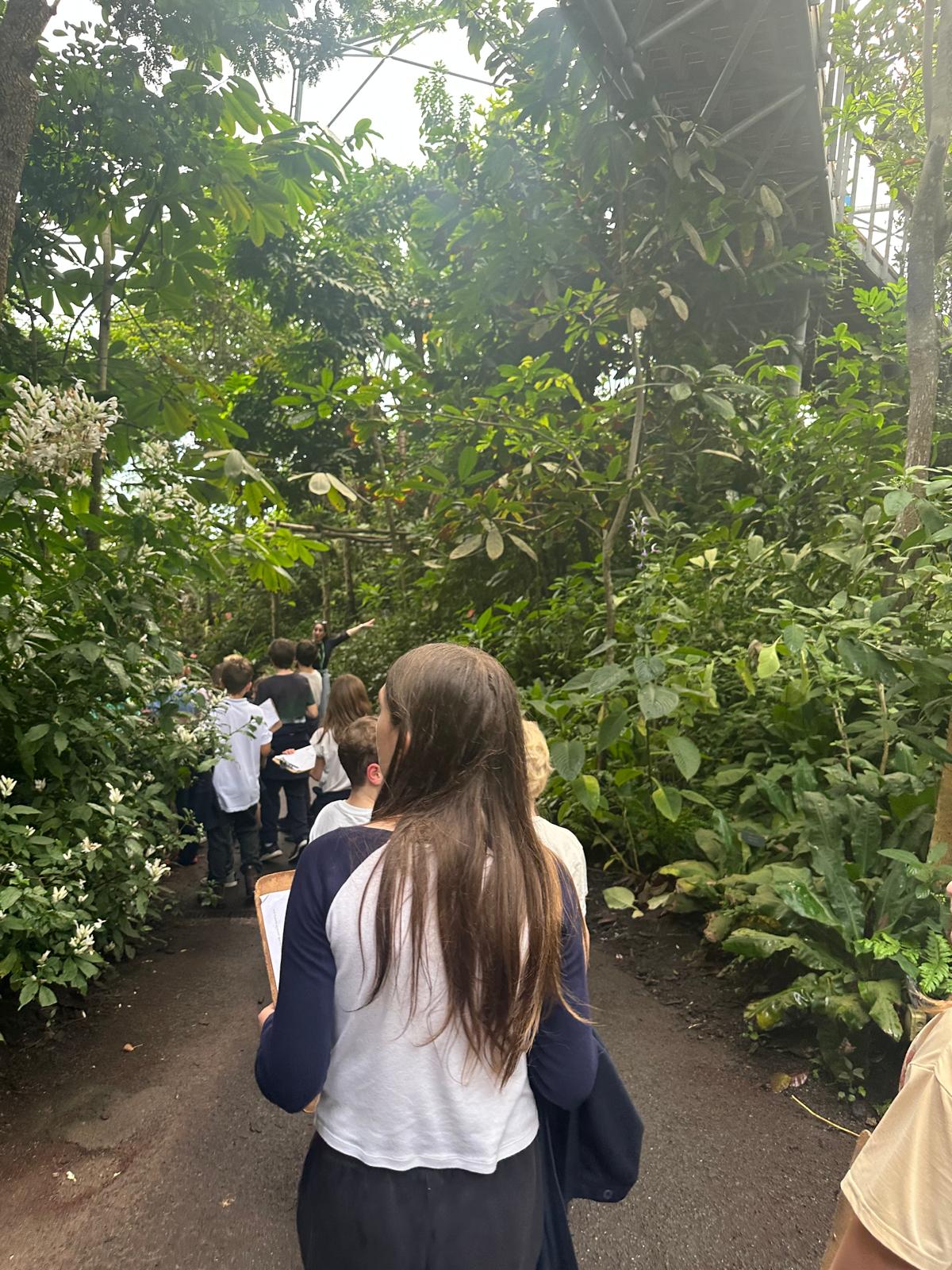
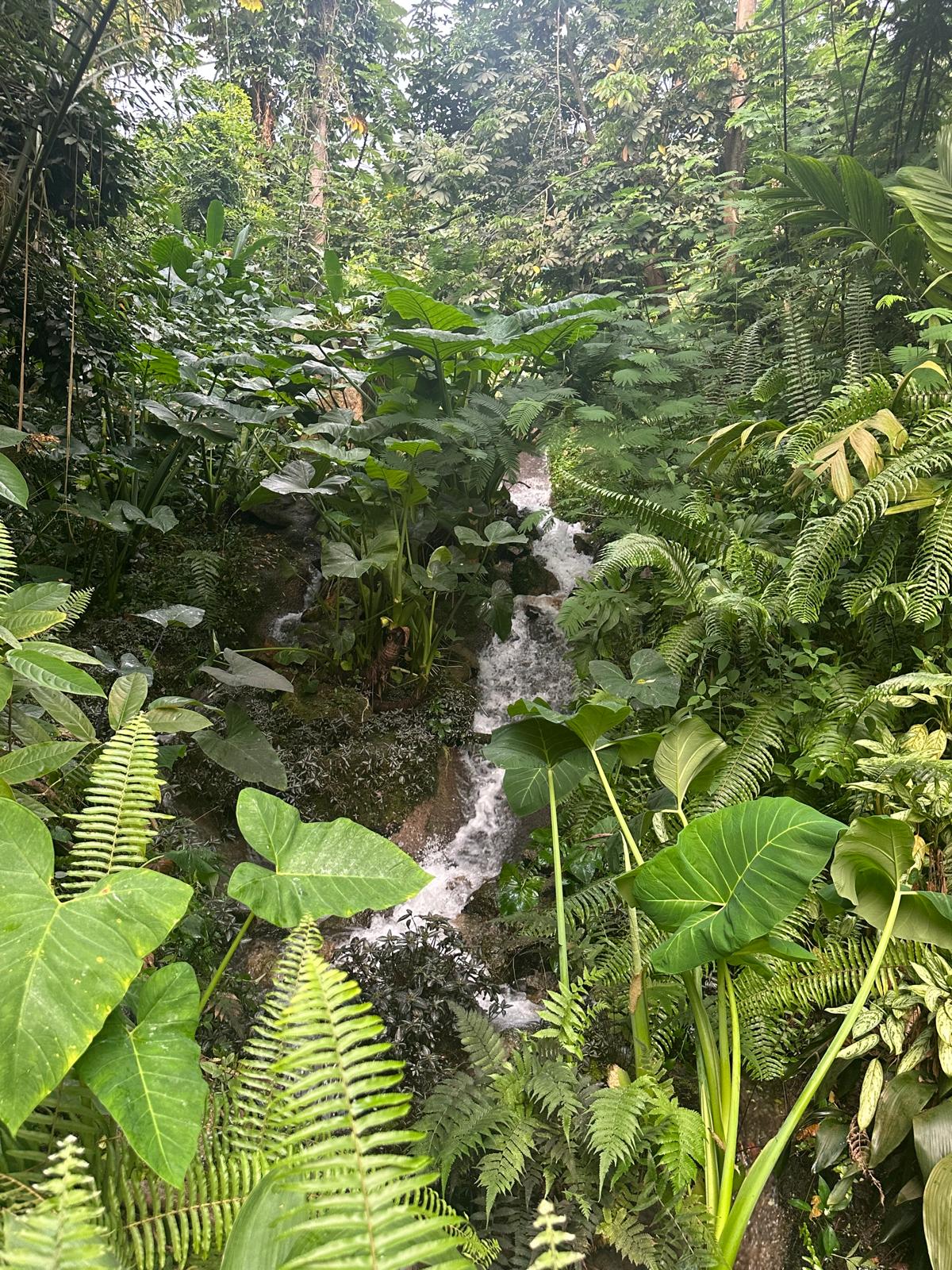
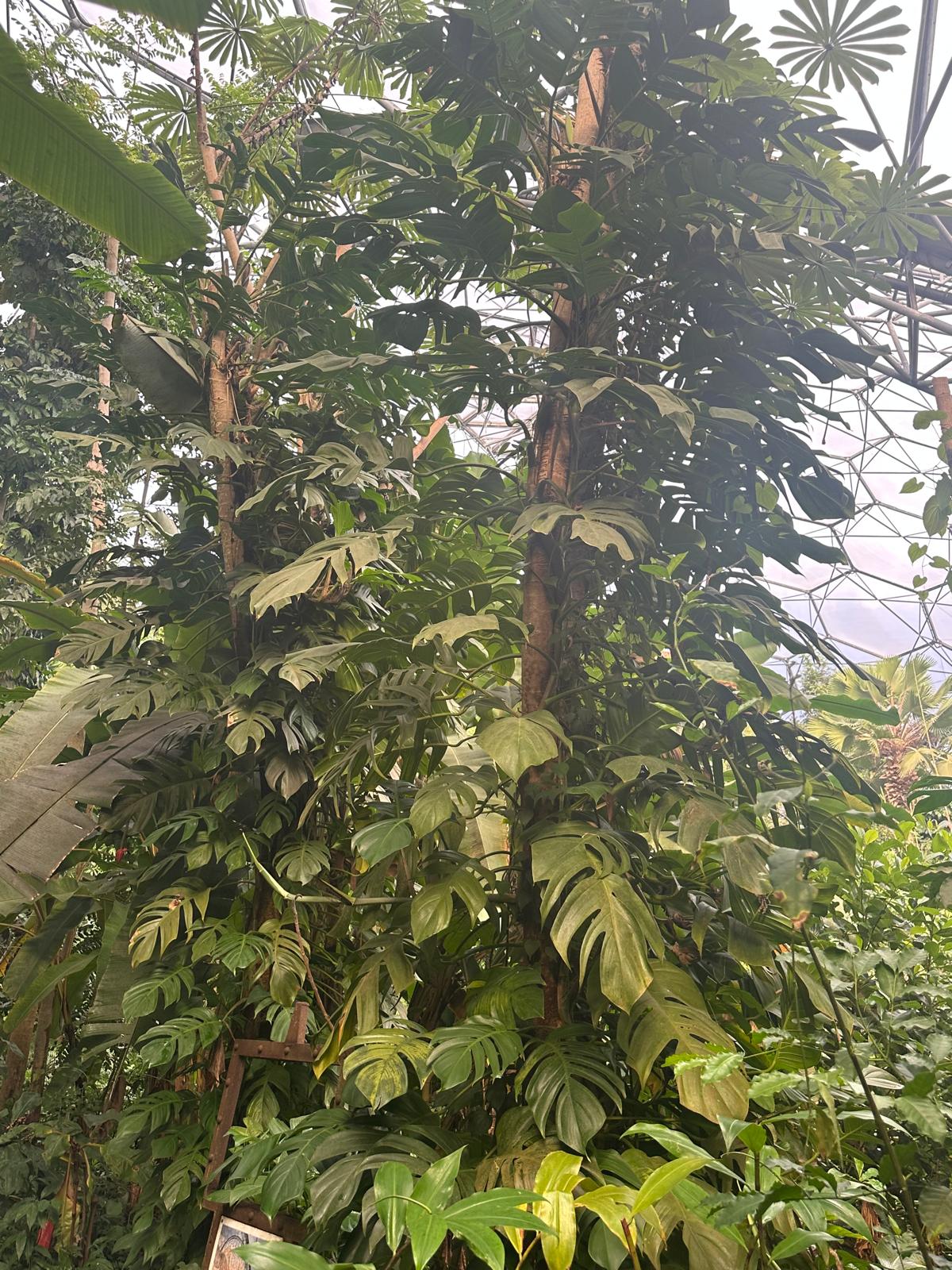
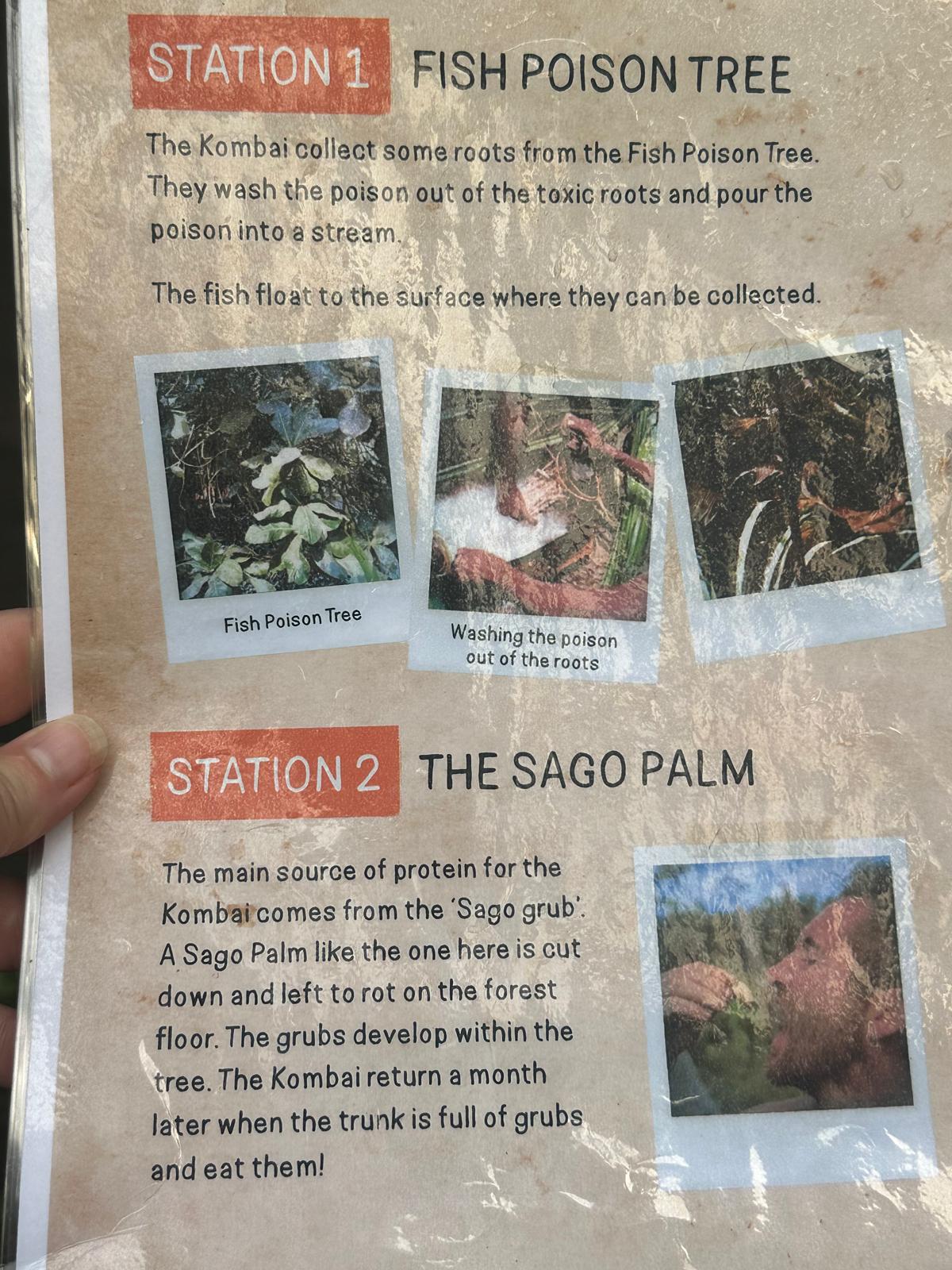
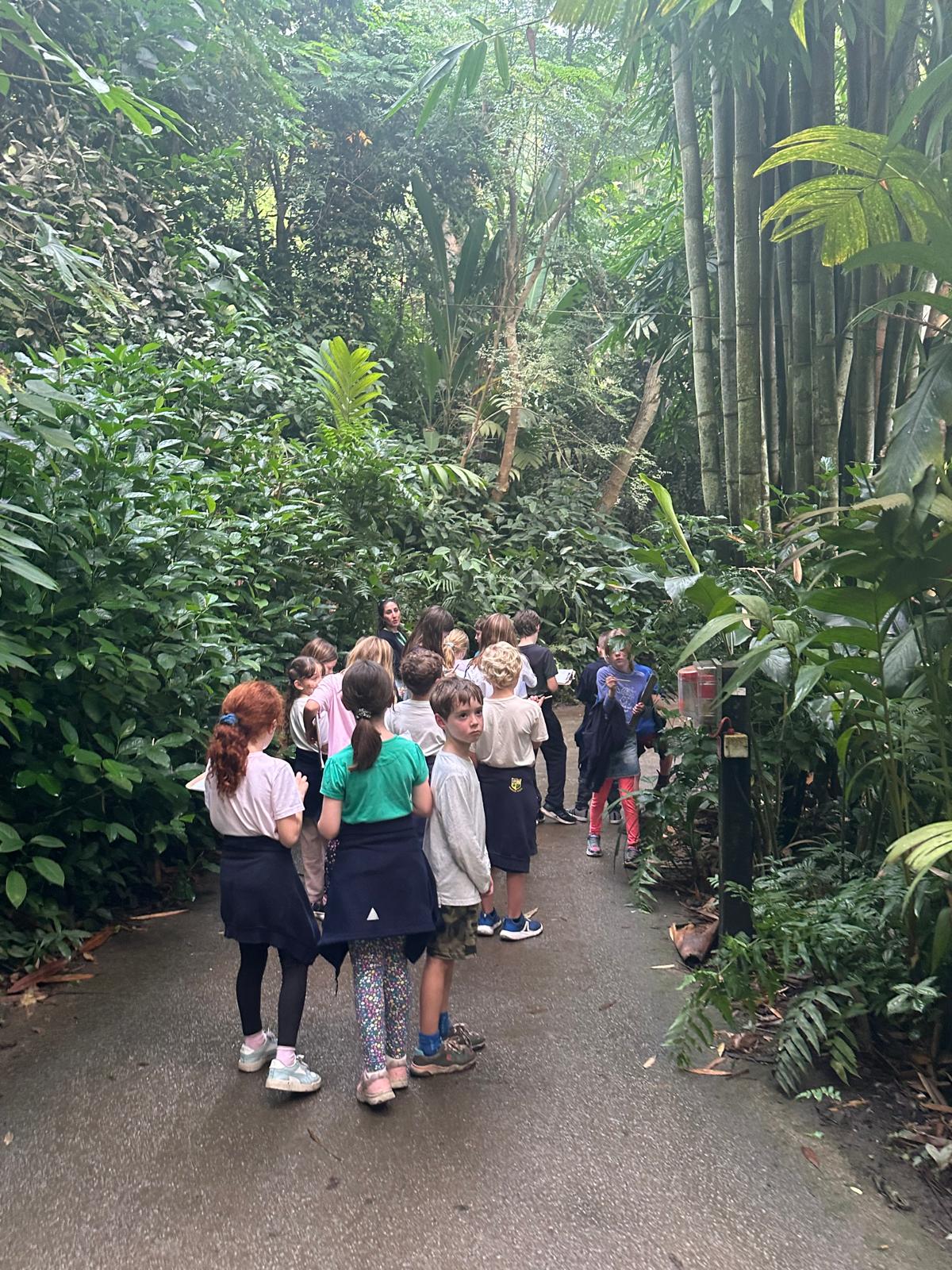
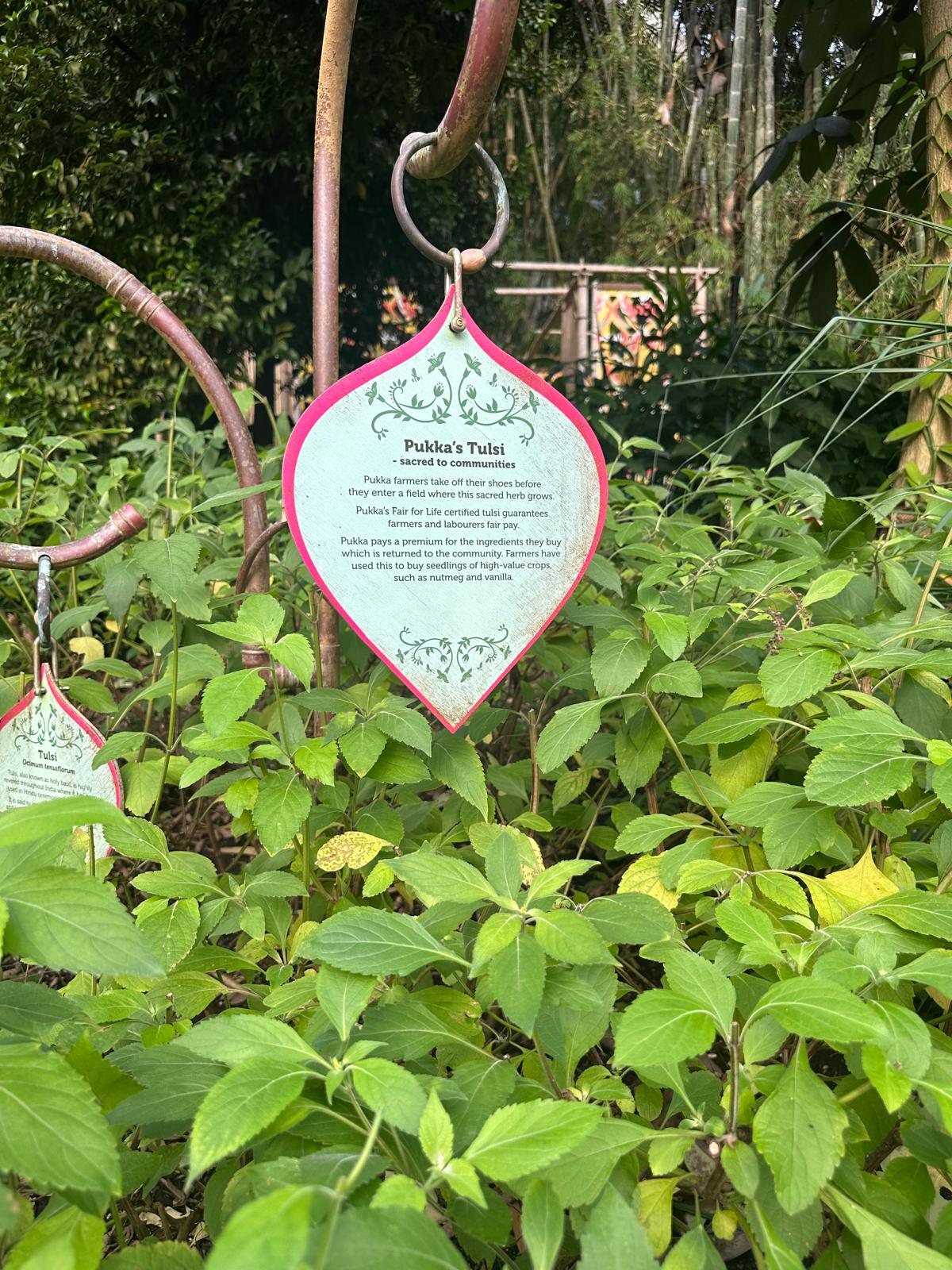
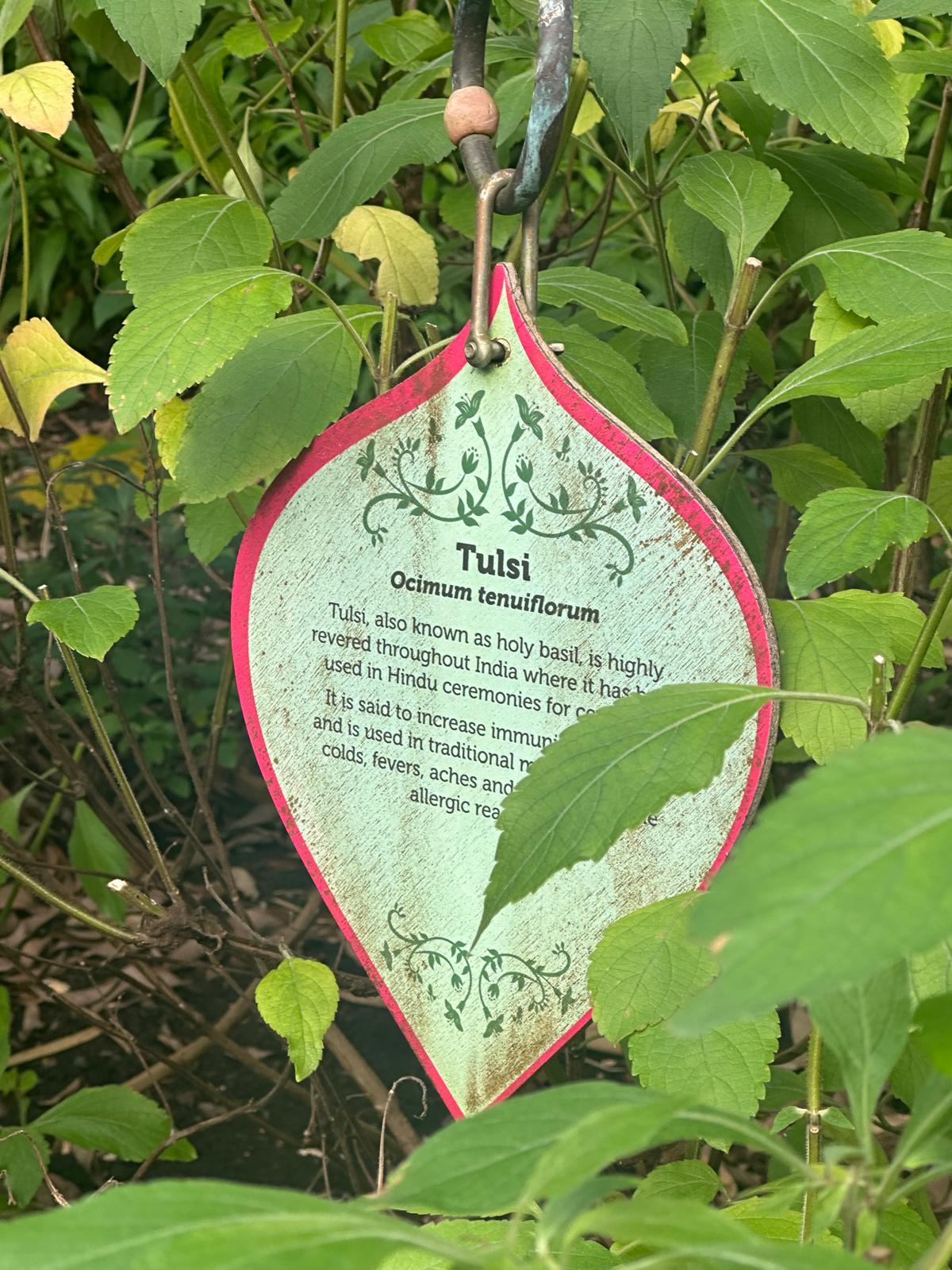
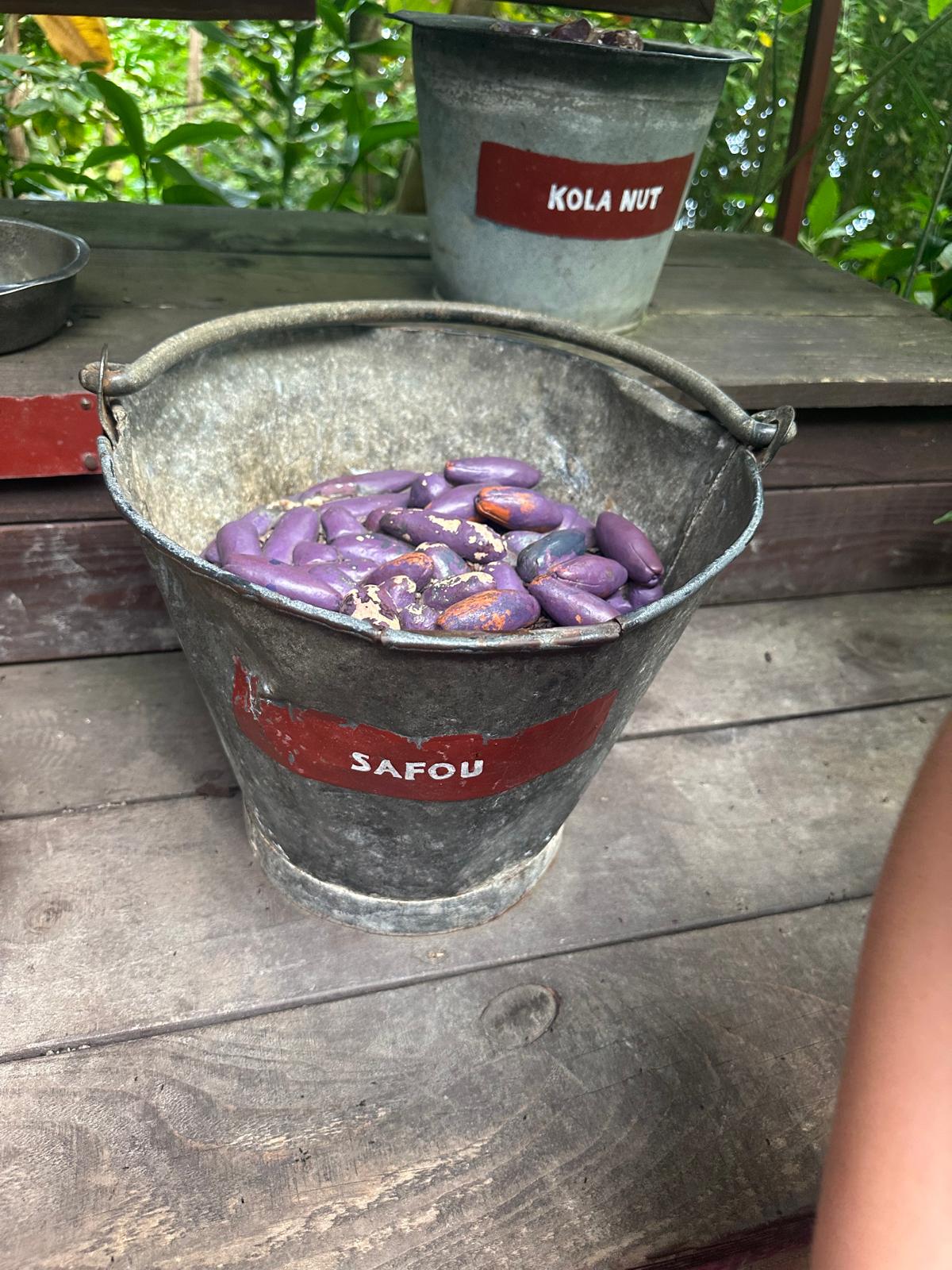
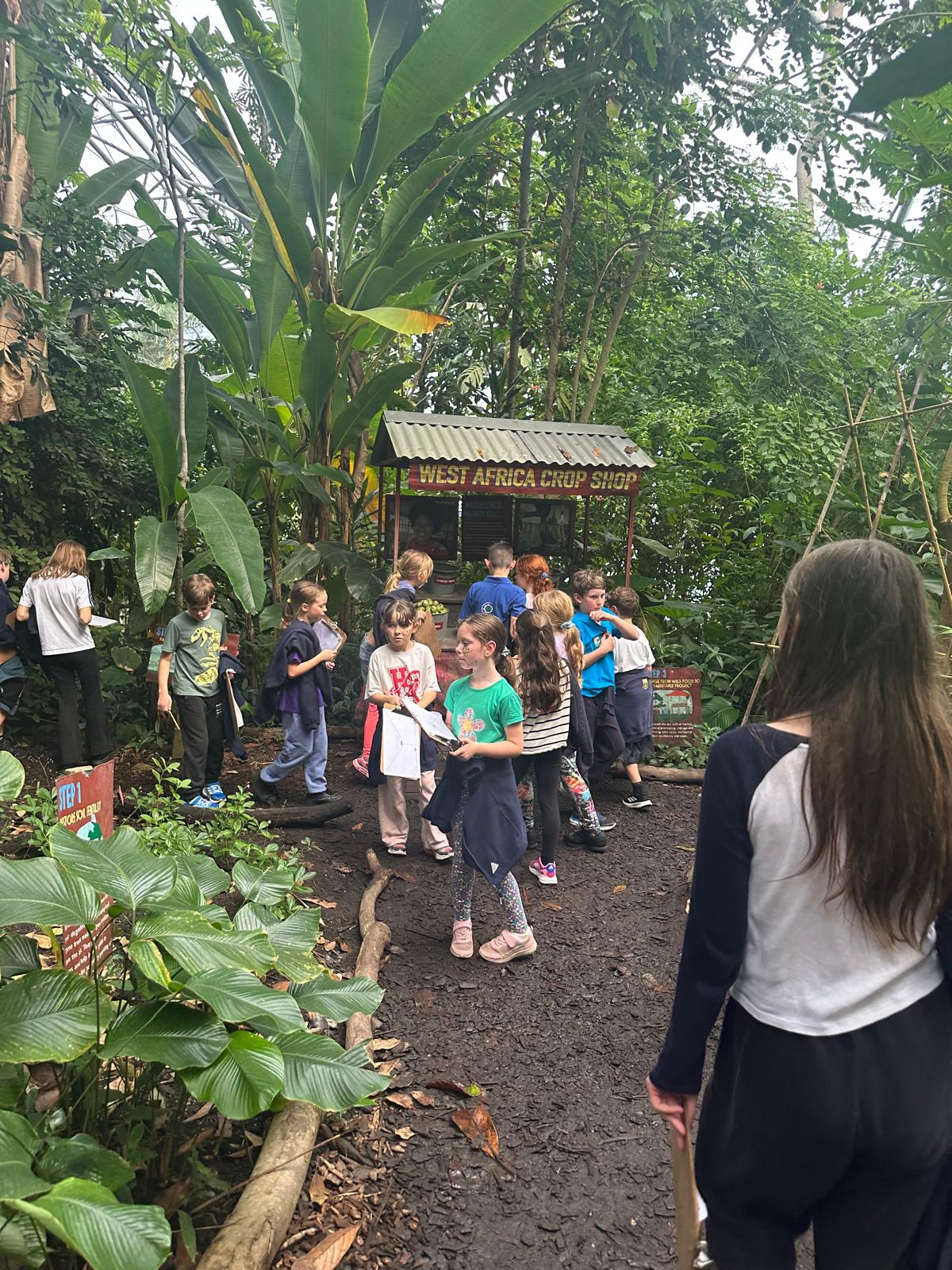
Upper School visit to the Eden Project to support their learning in English and Geography
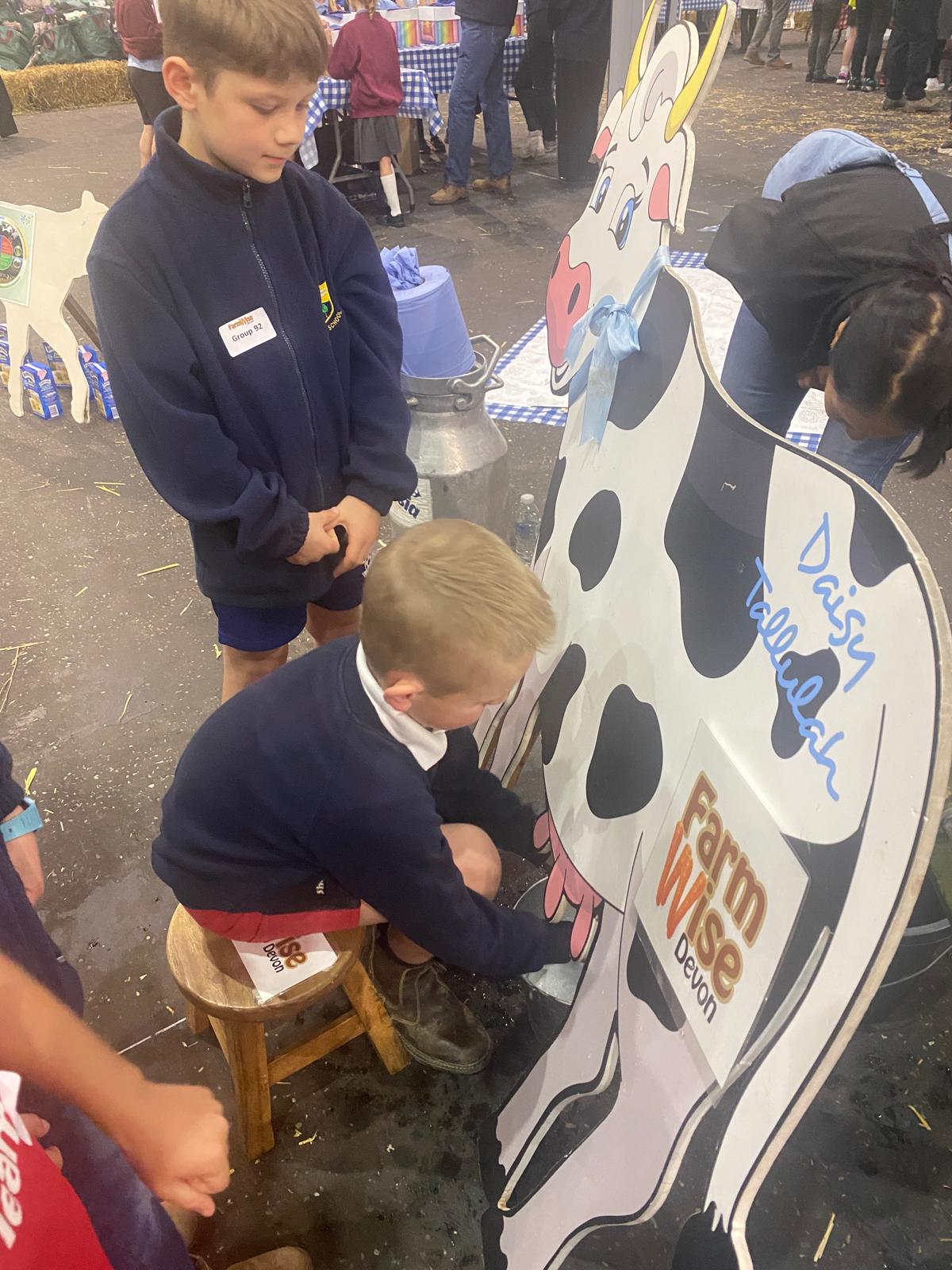
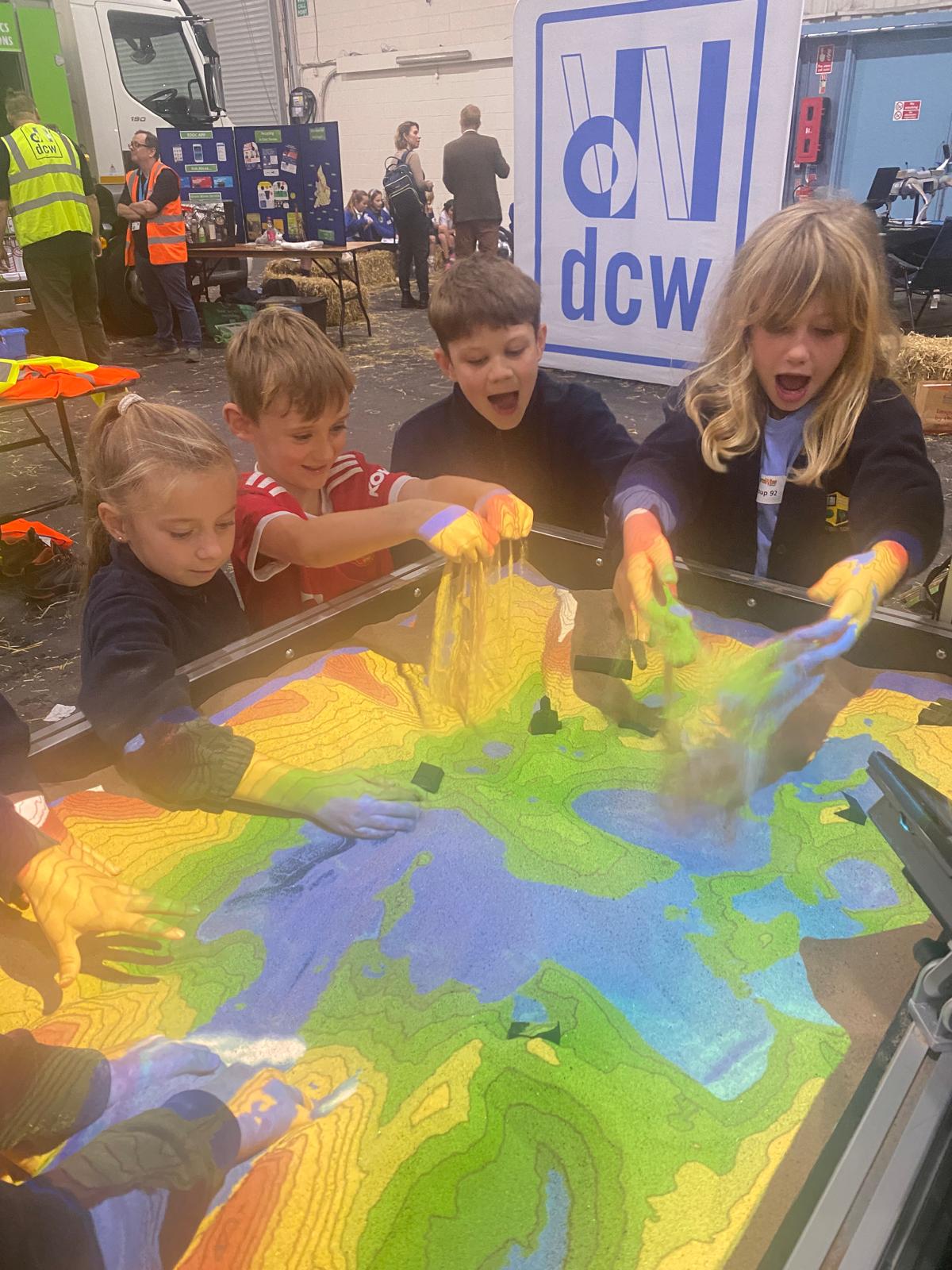
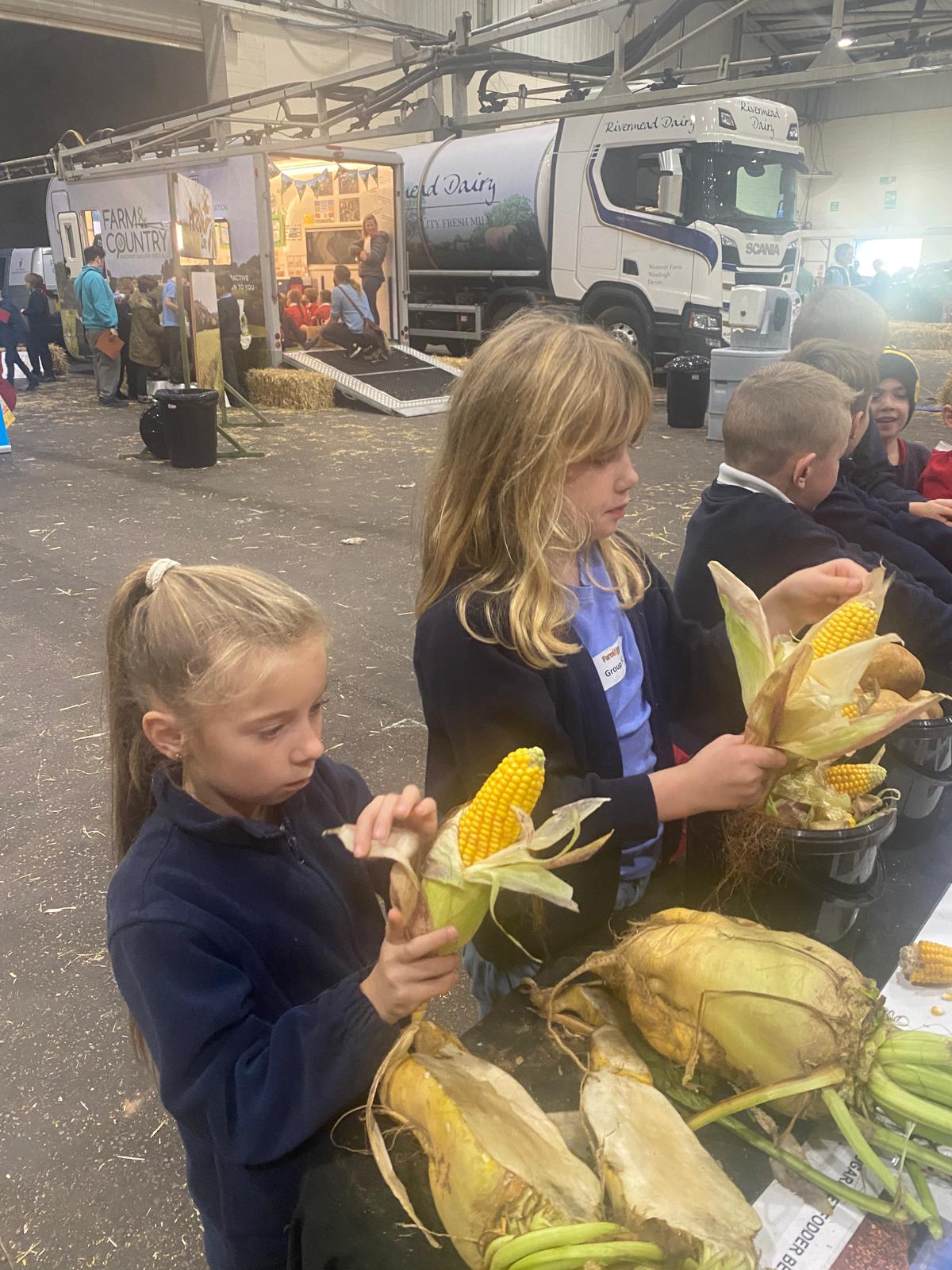
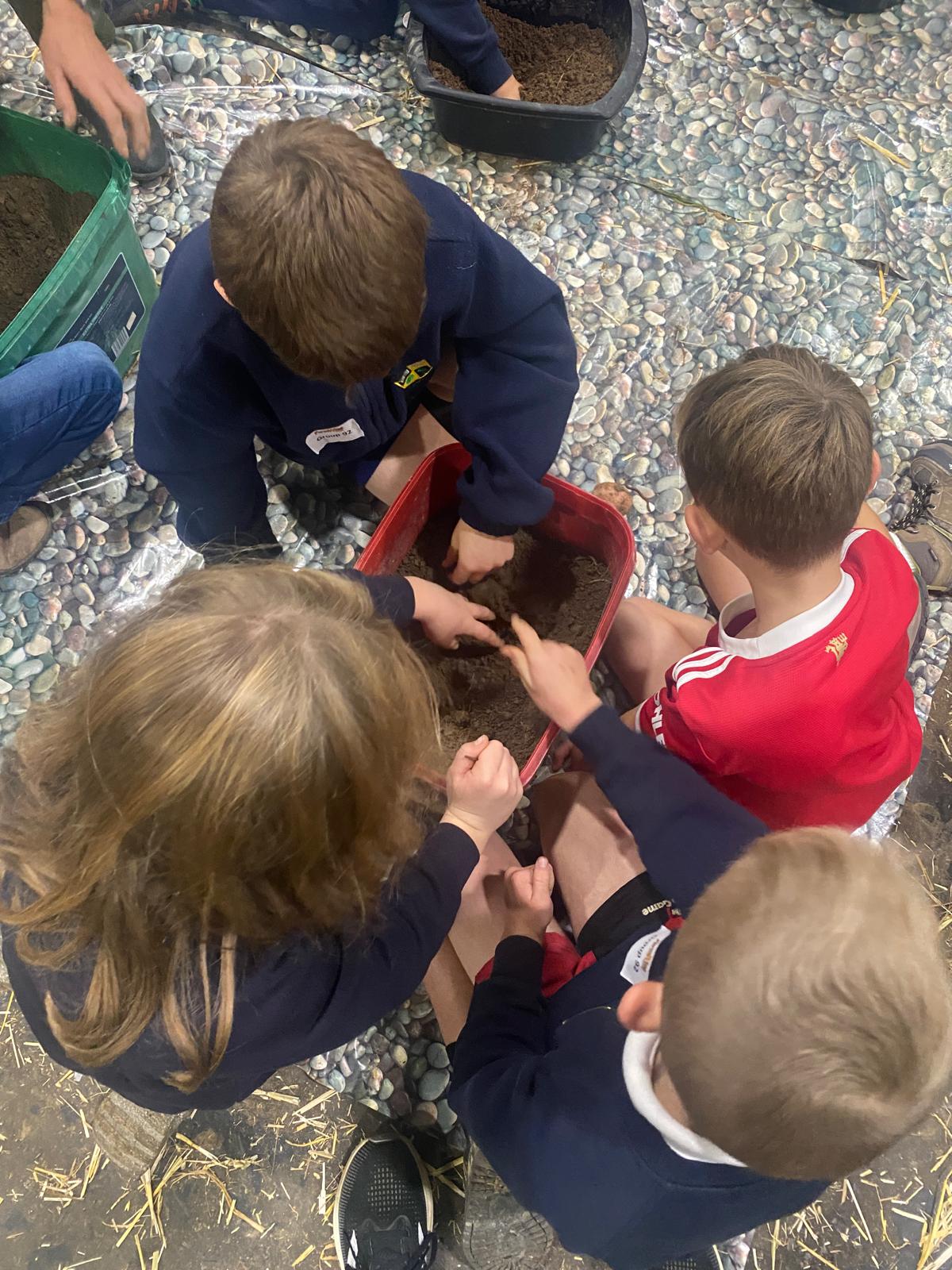
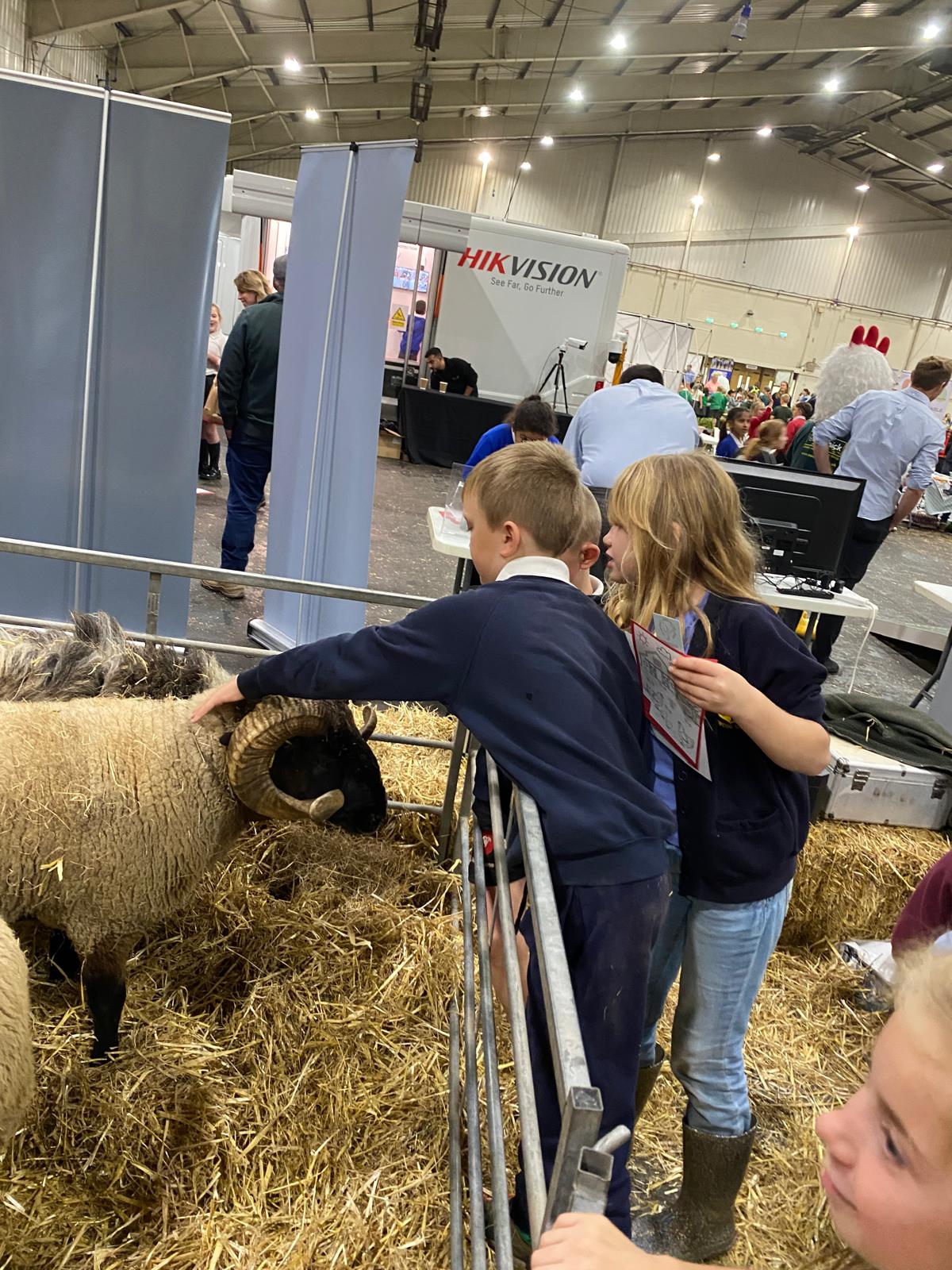
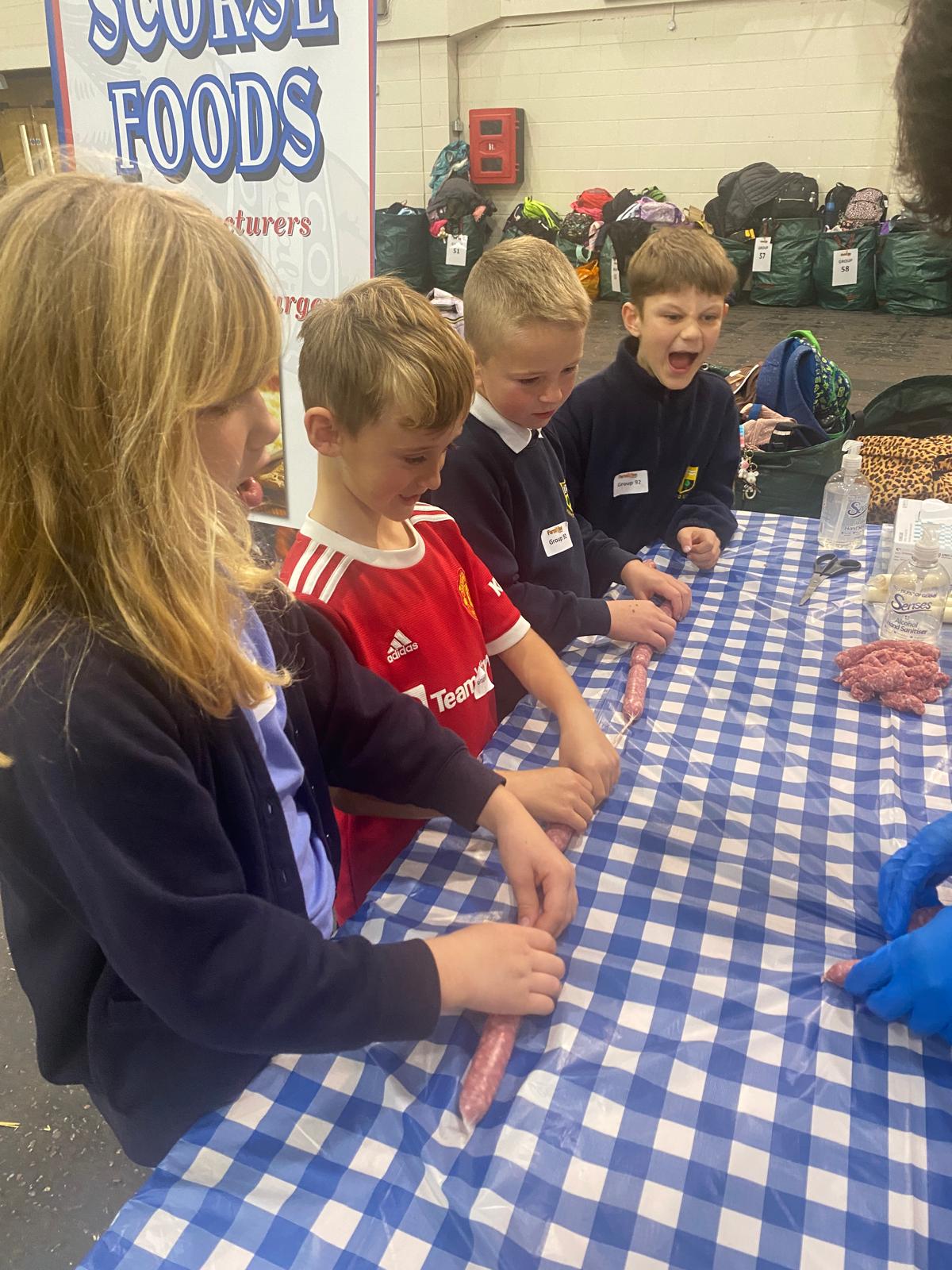
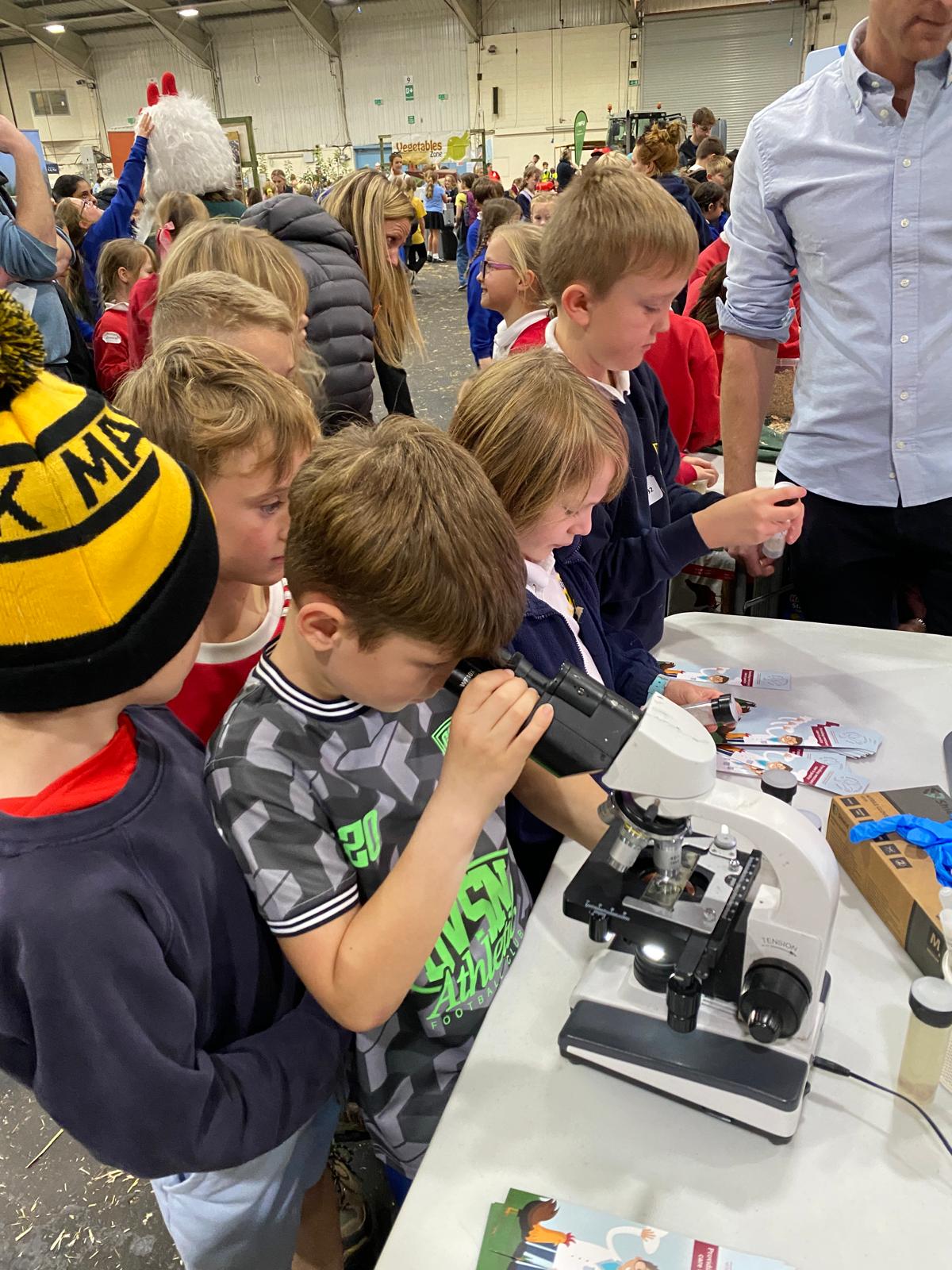
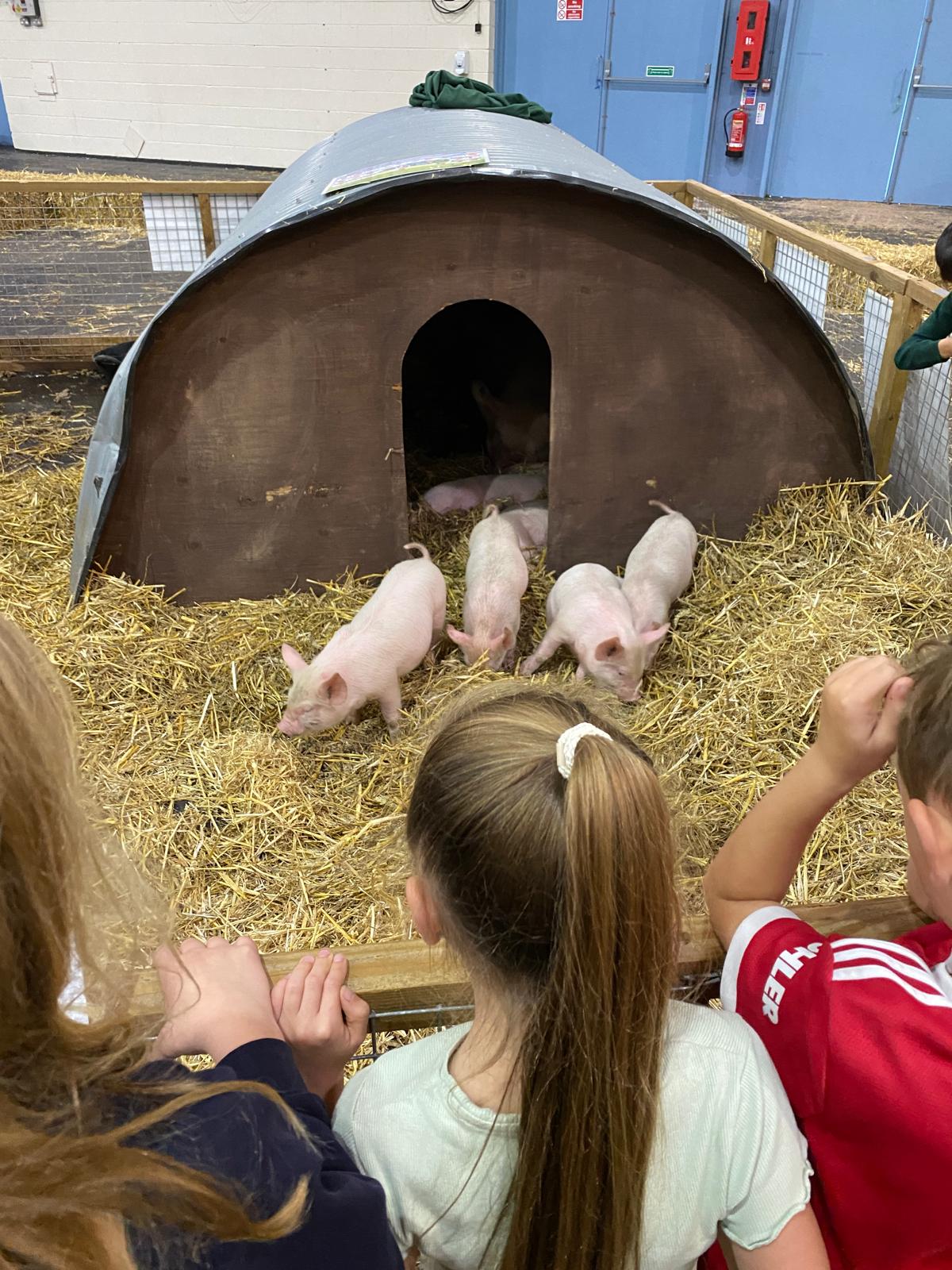
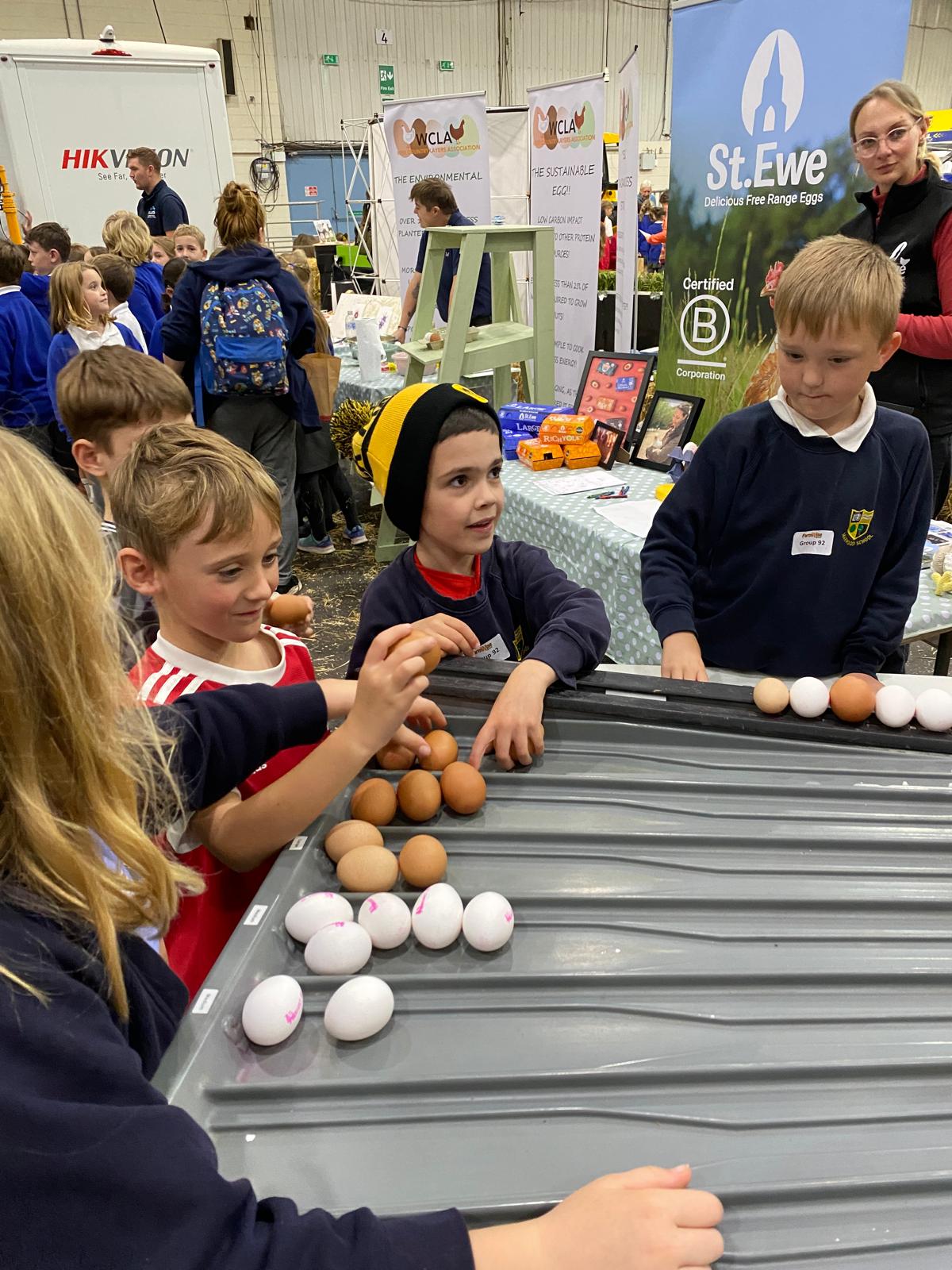
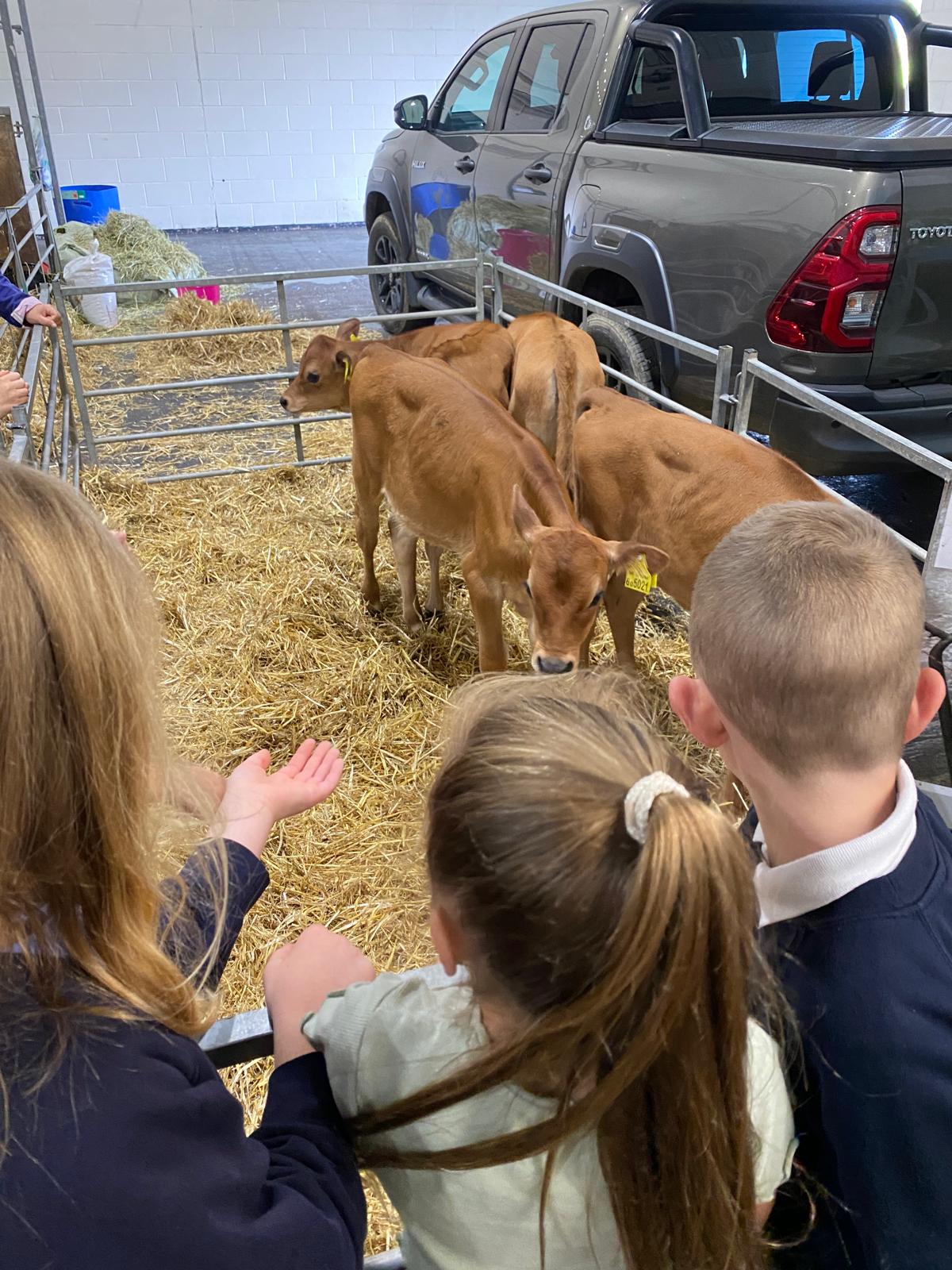
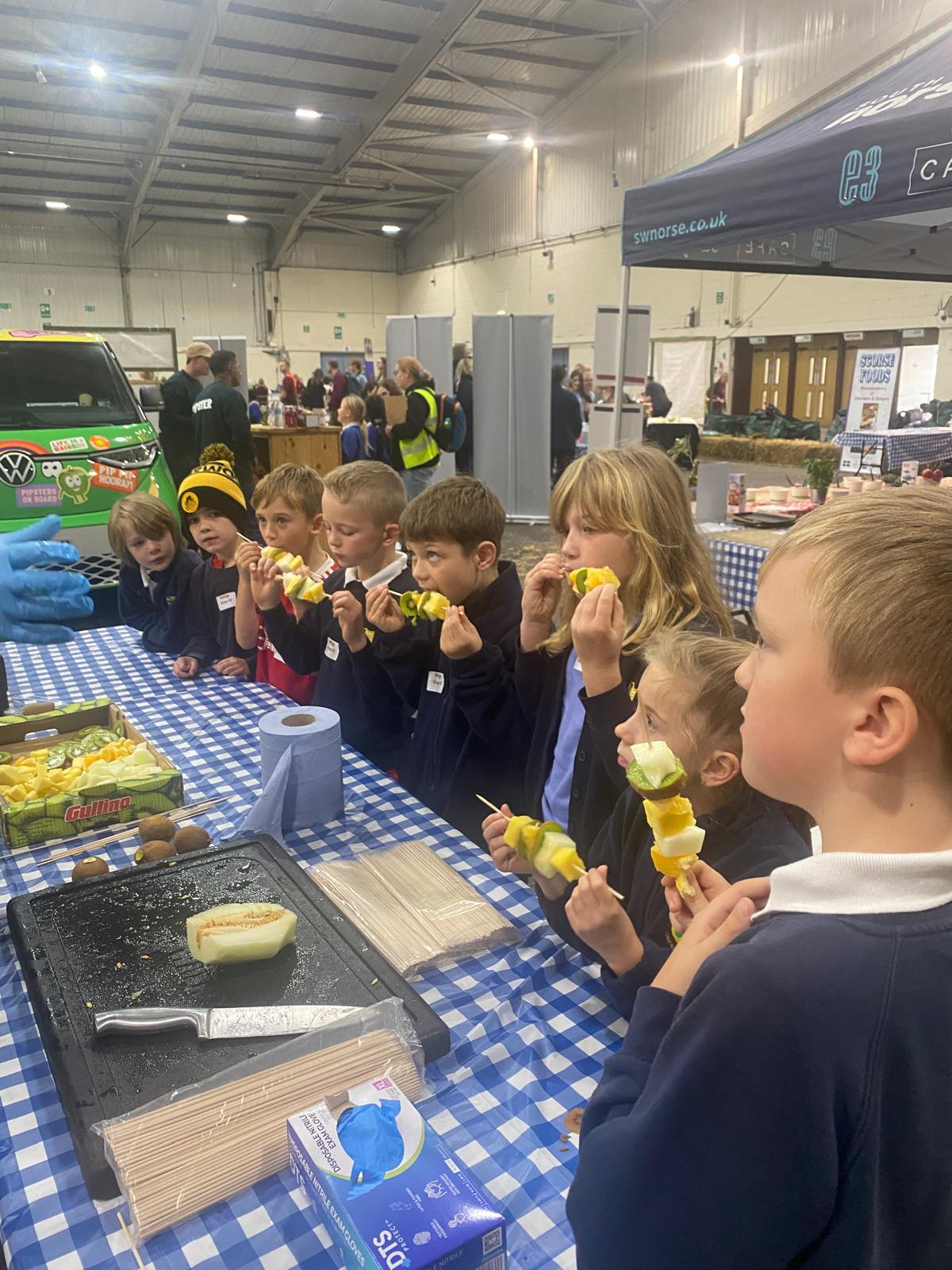
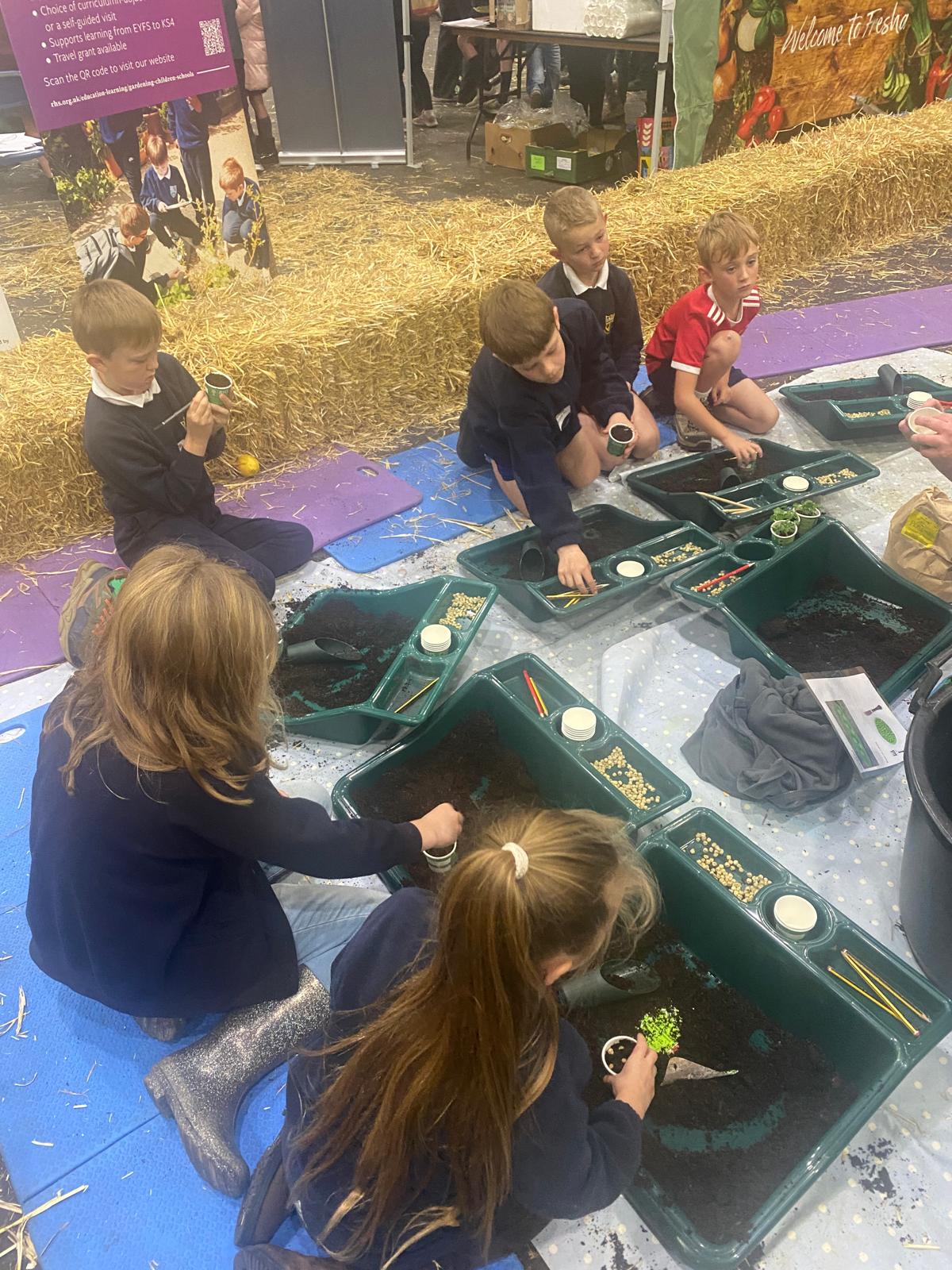
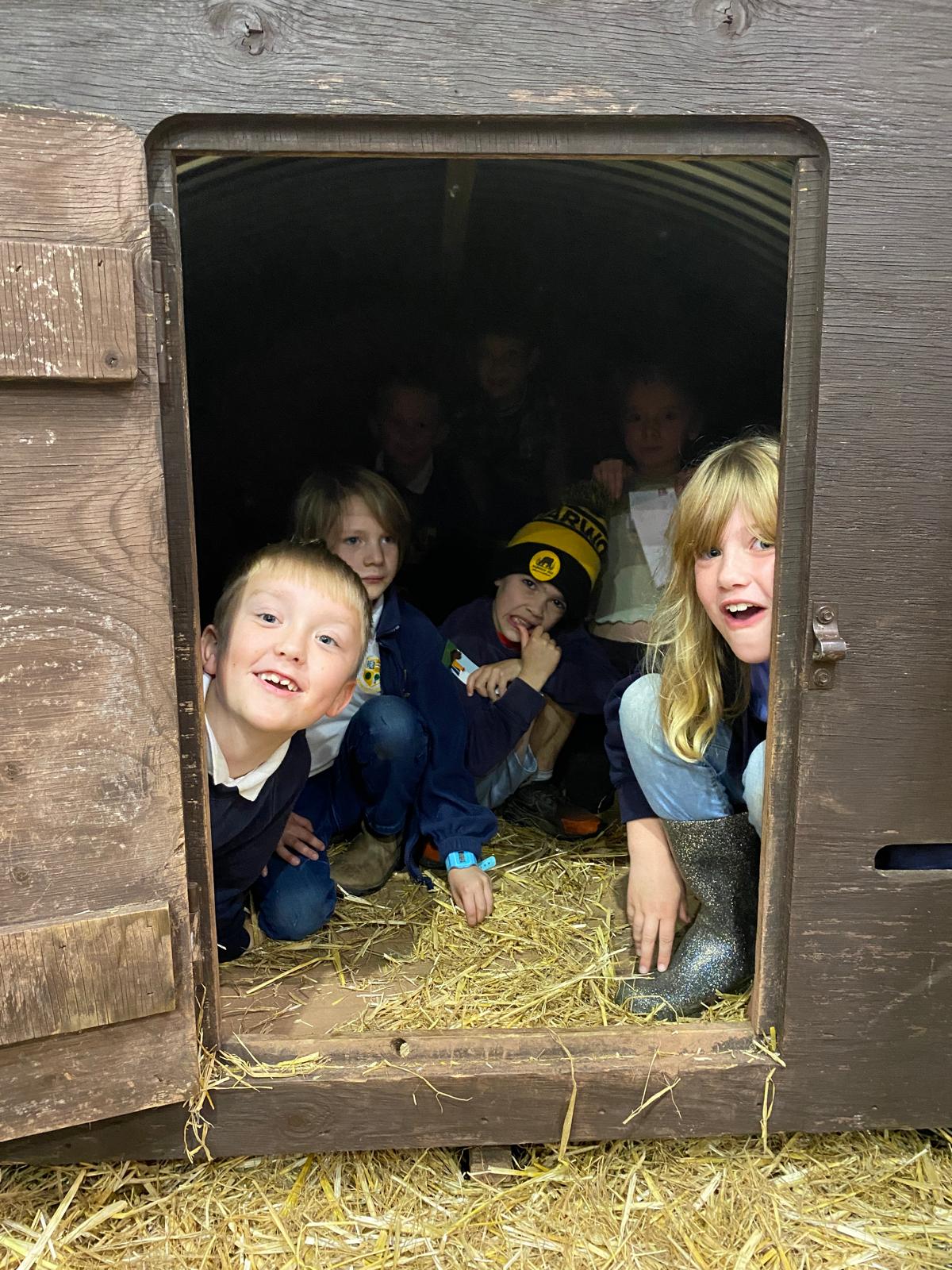
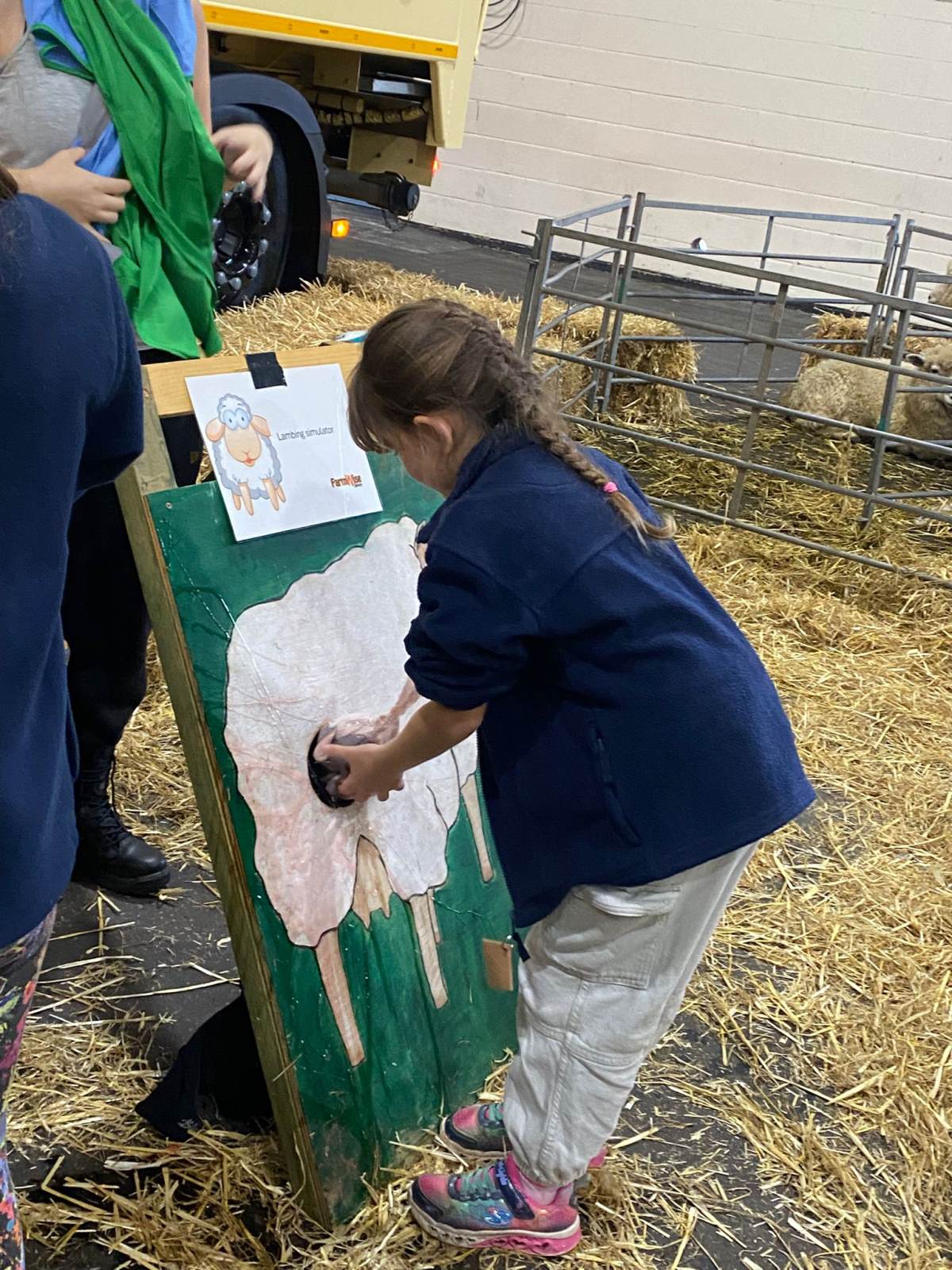
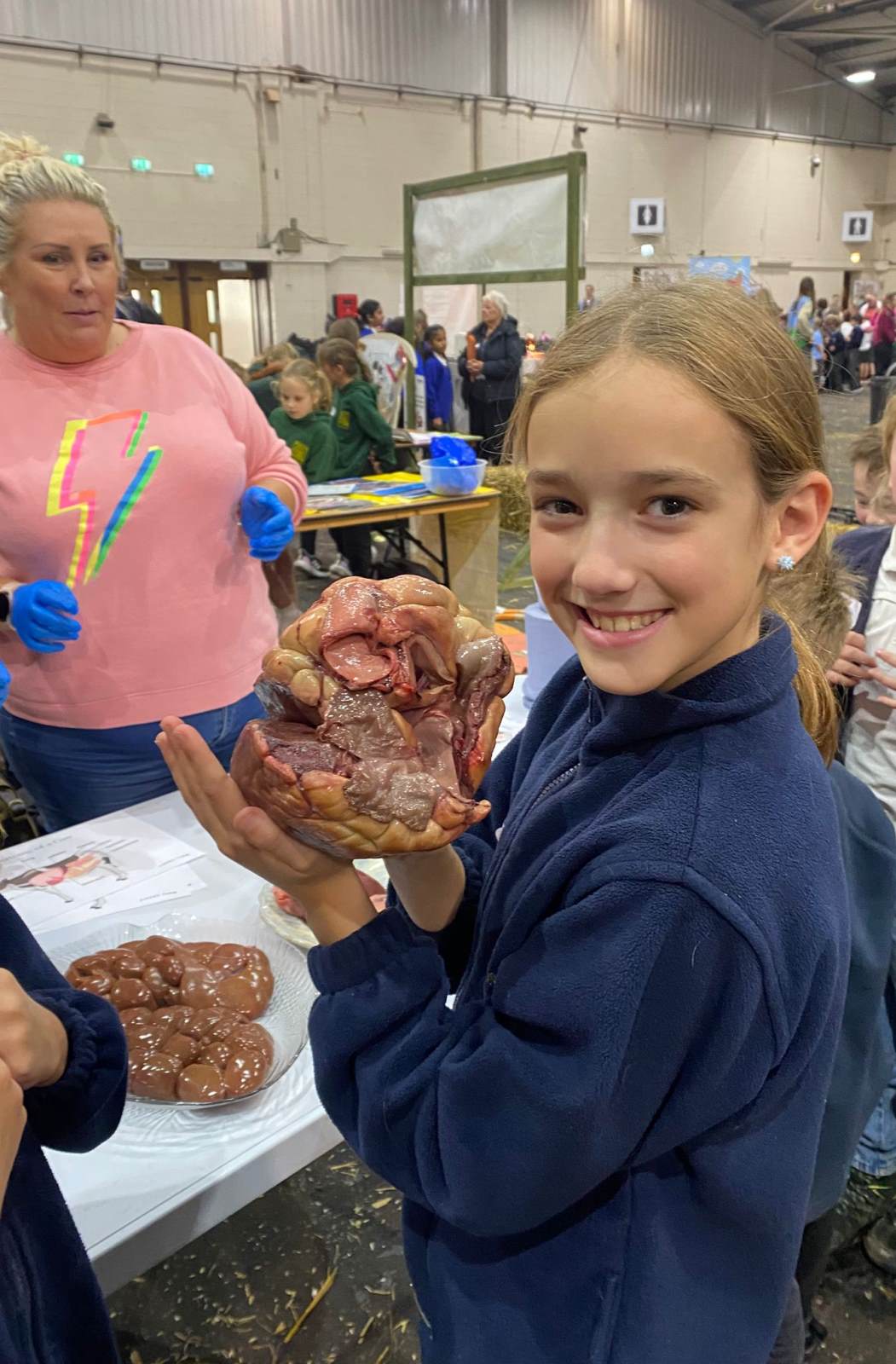
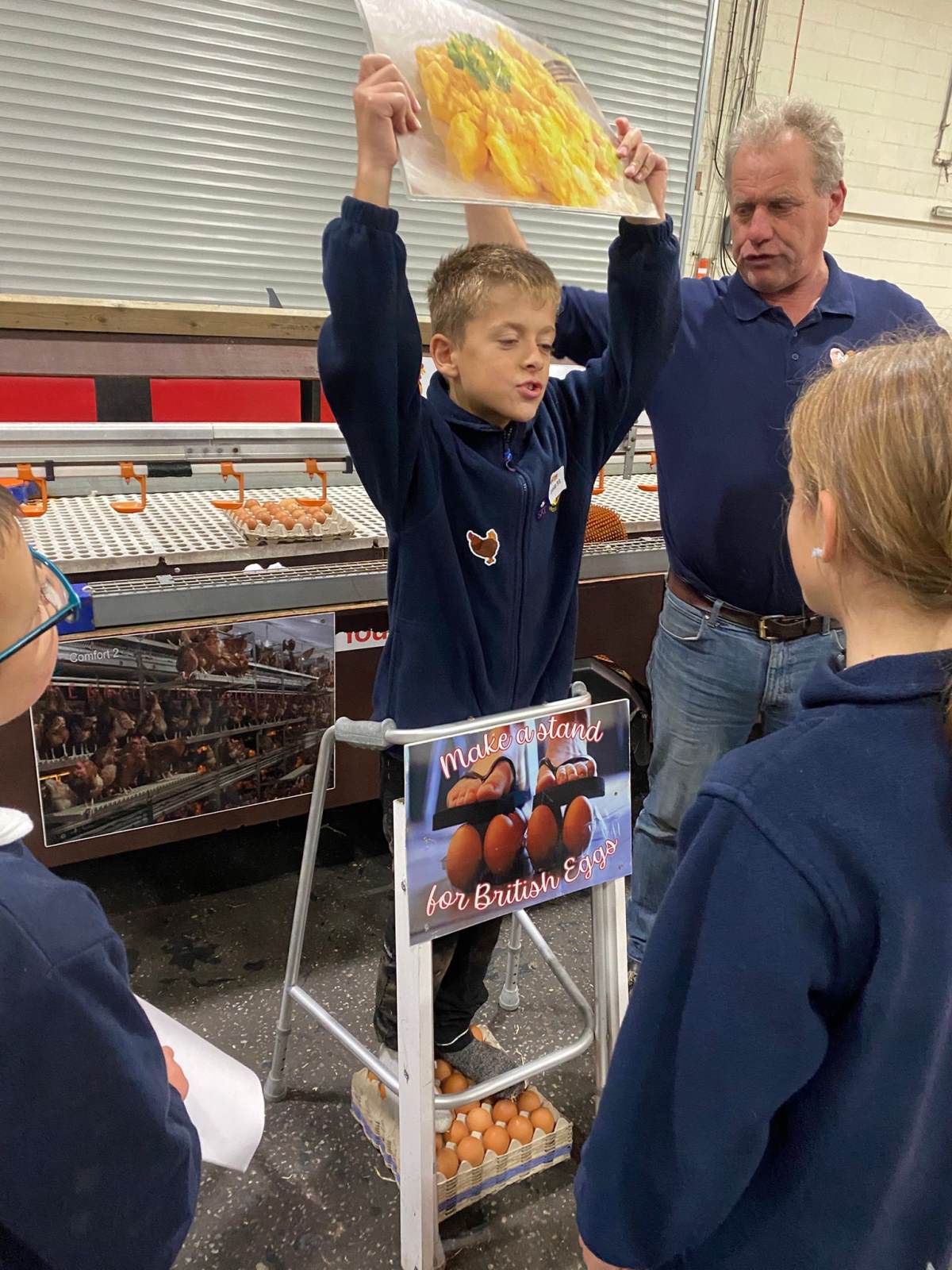
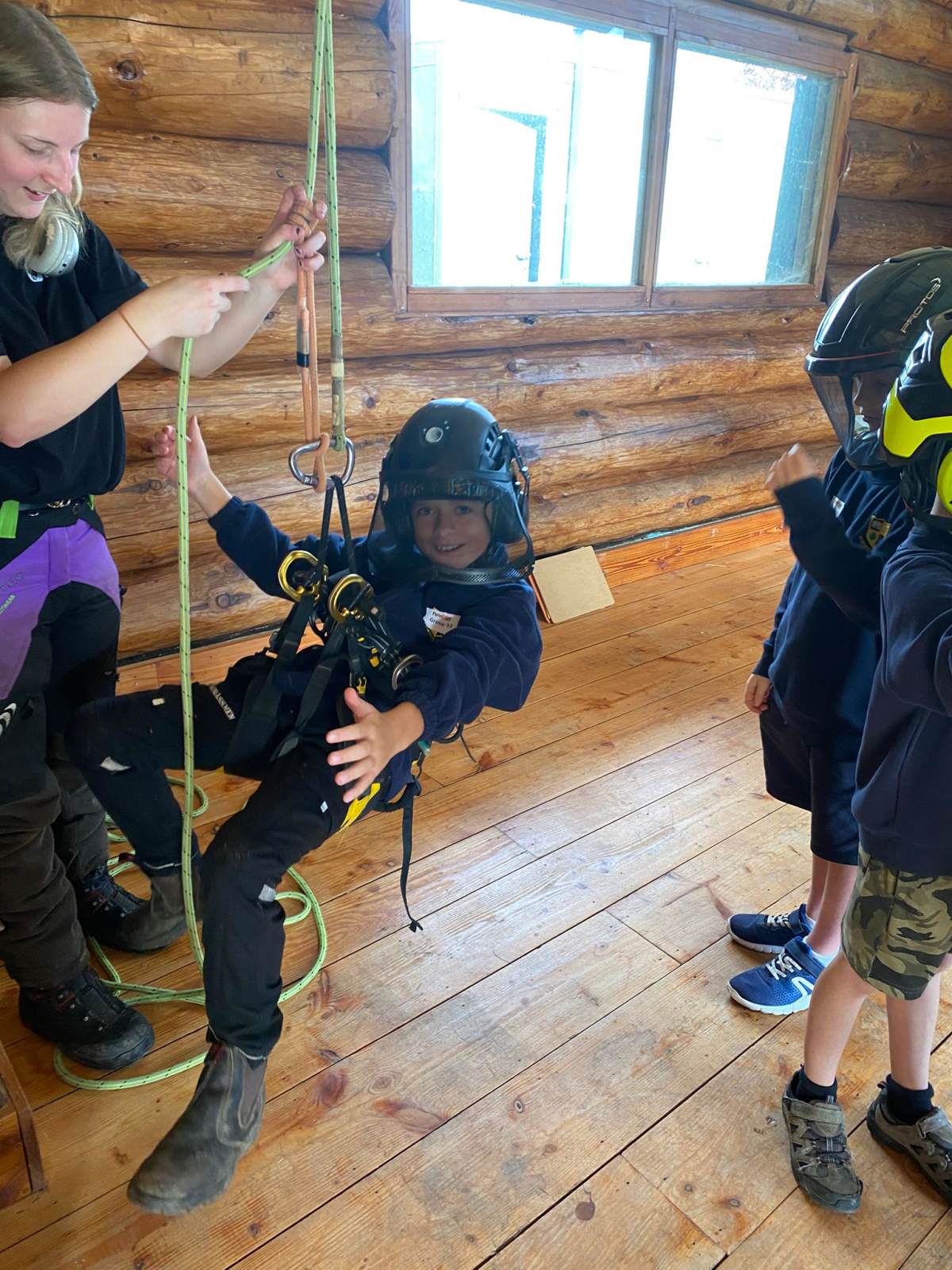
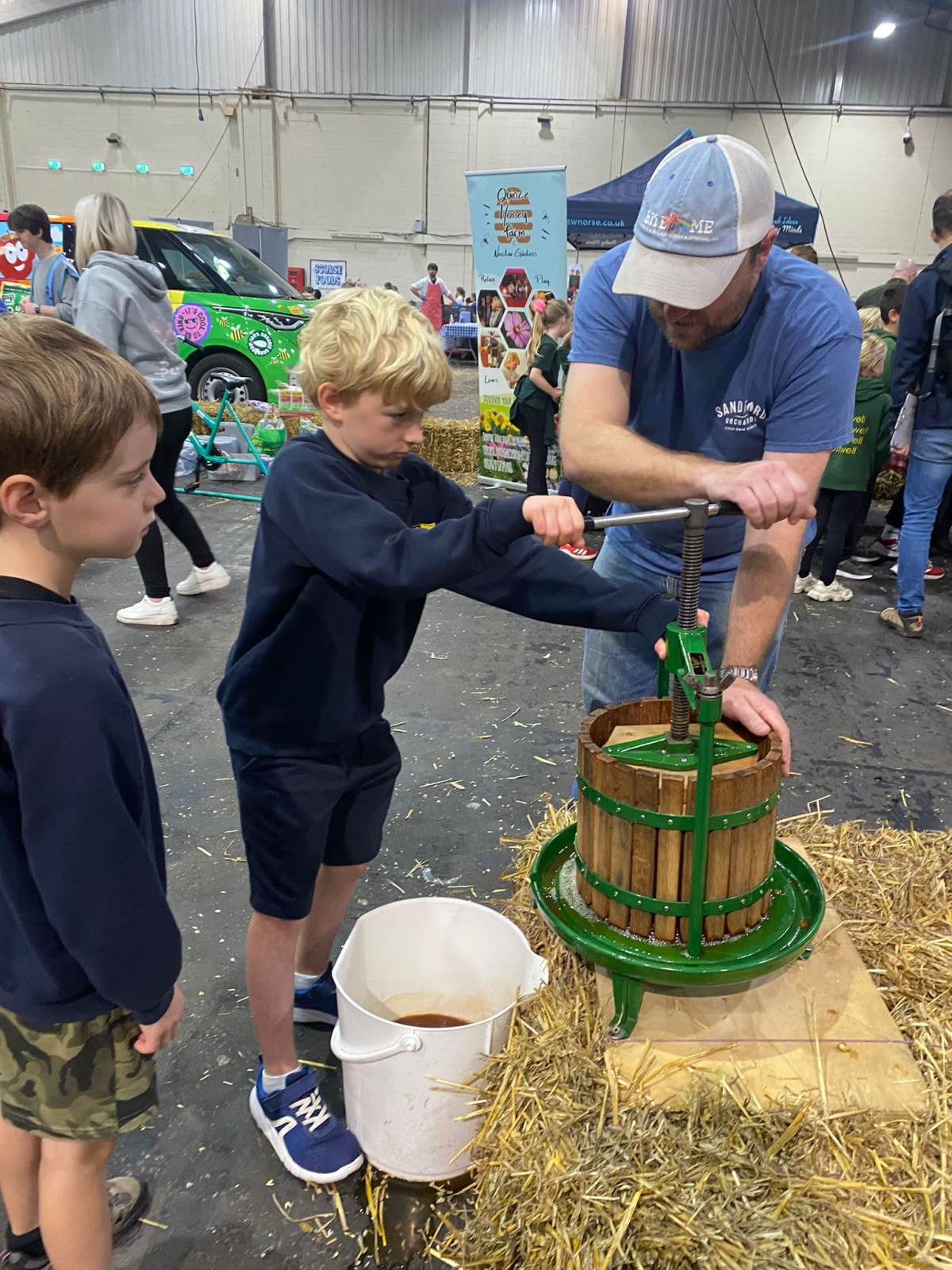
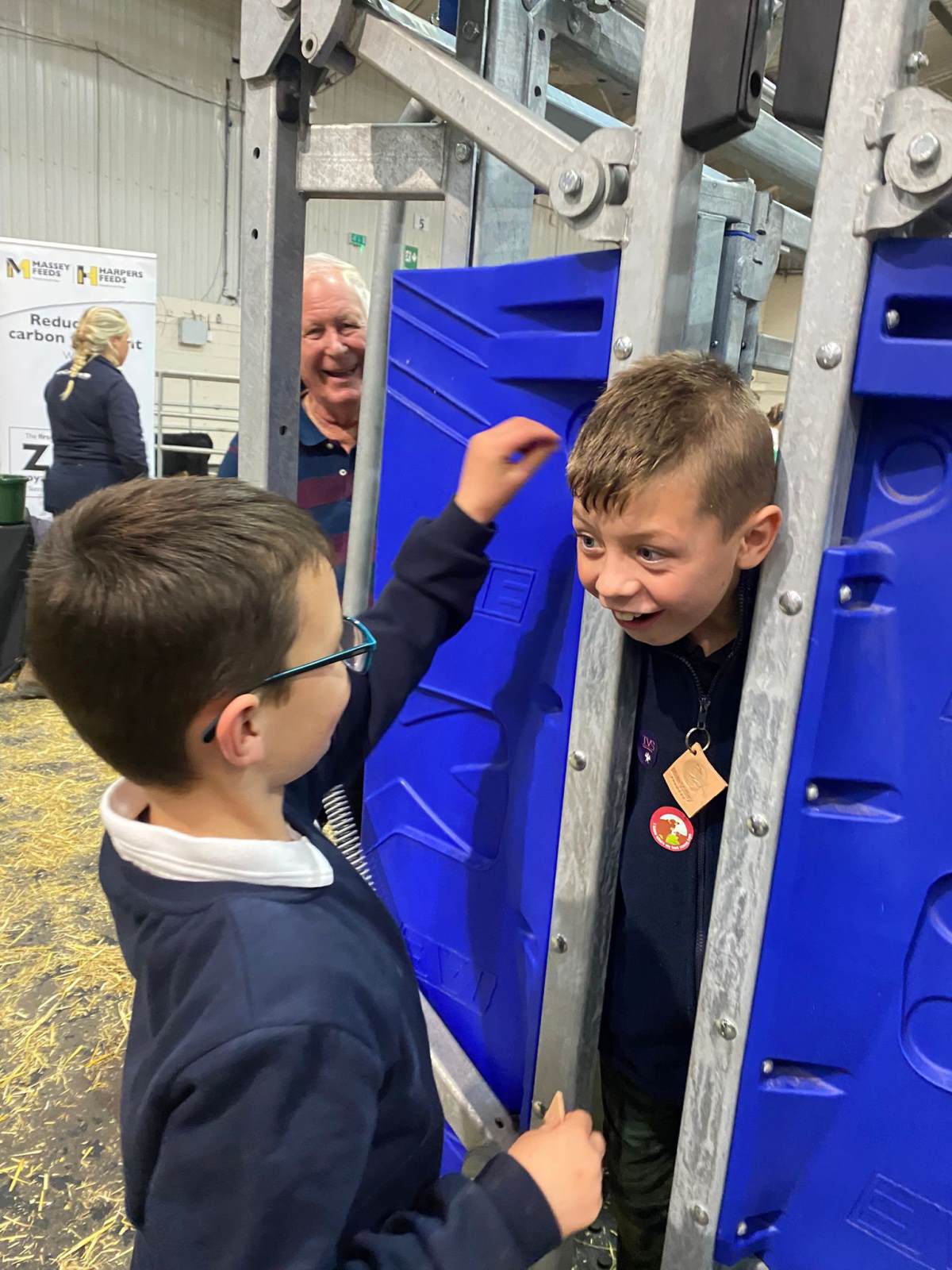
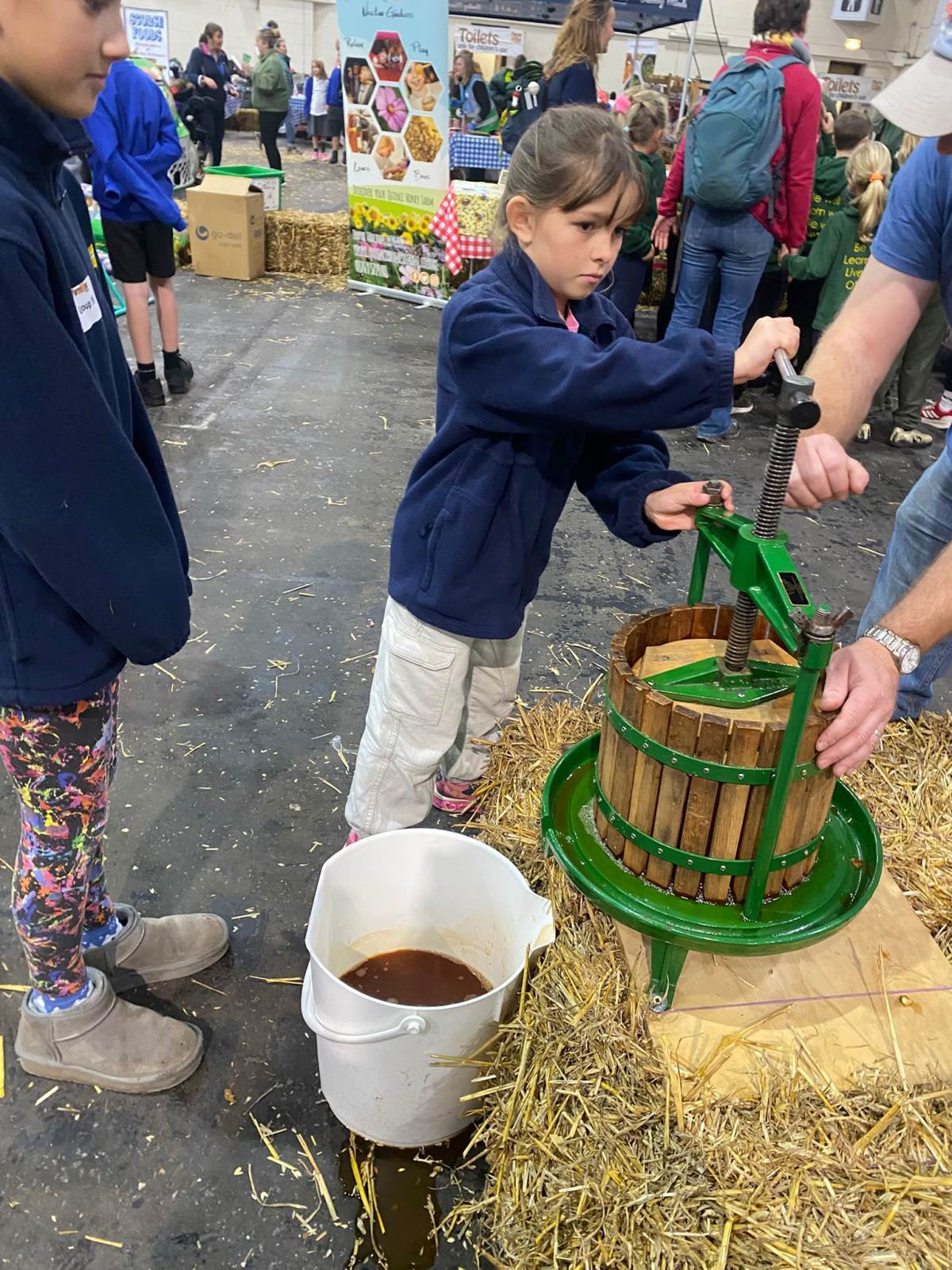
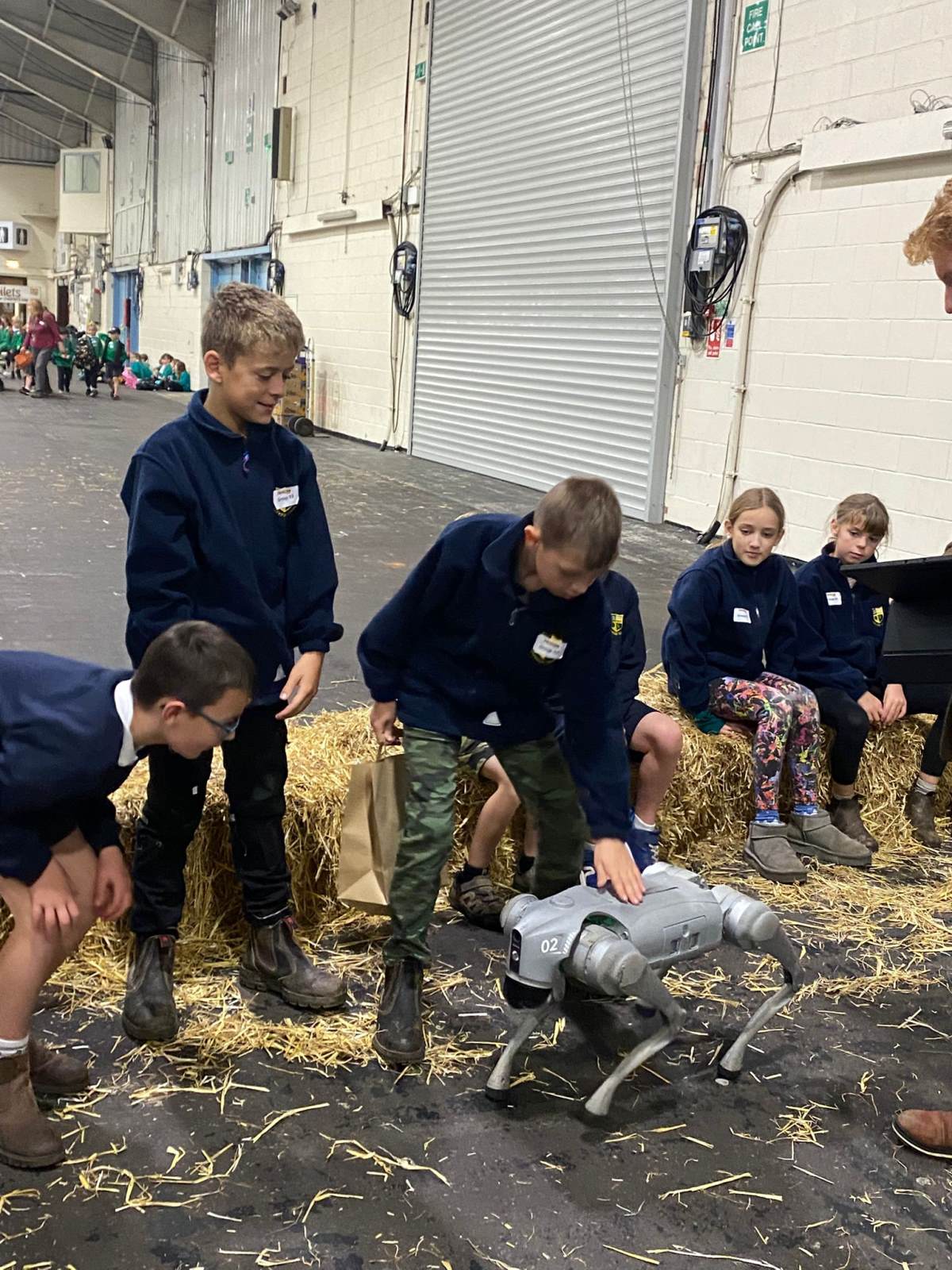
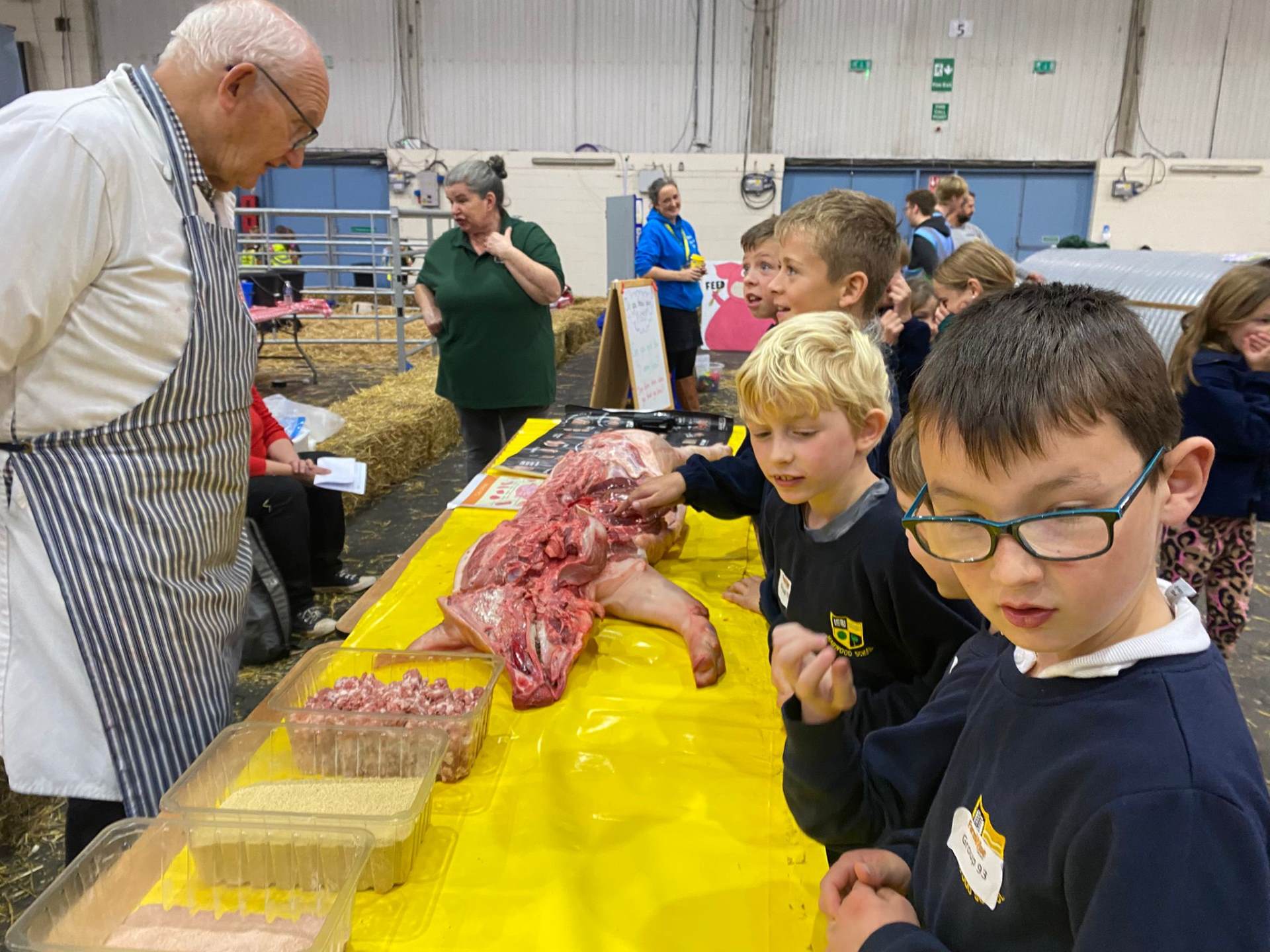
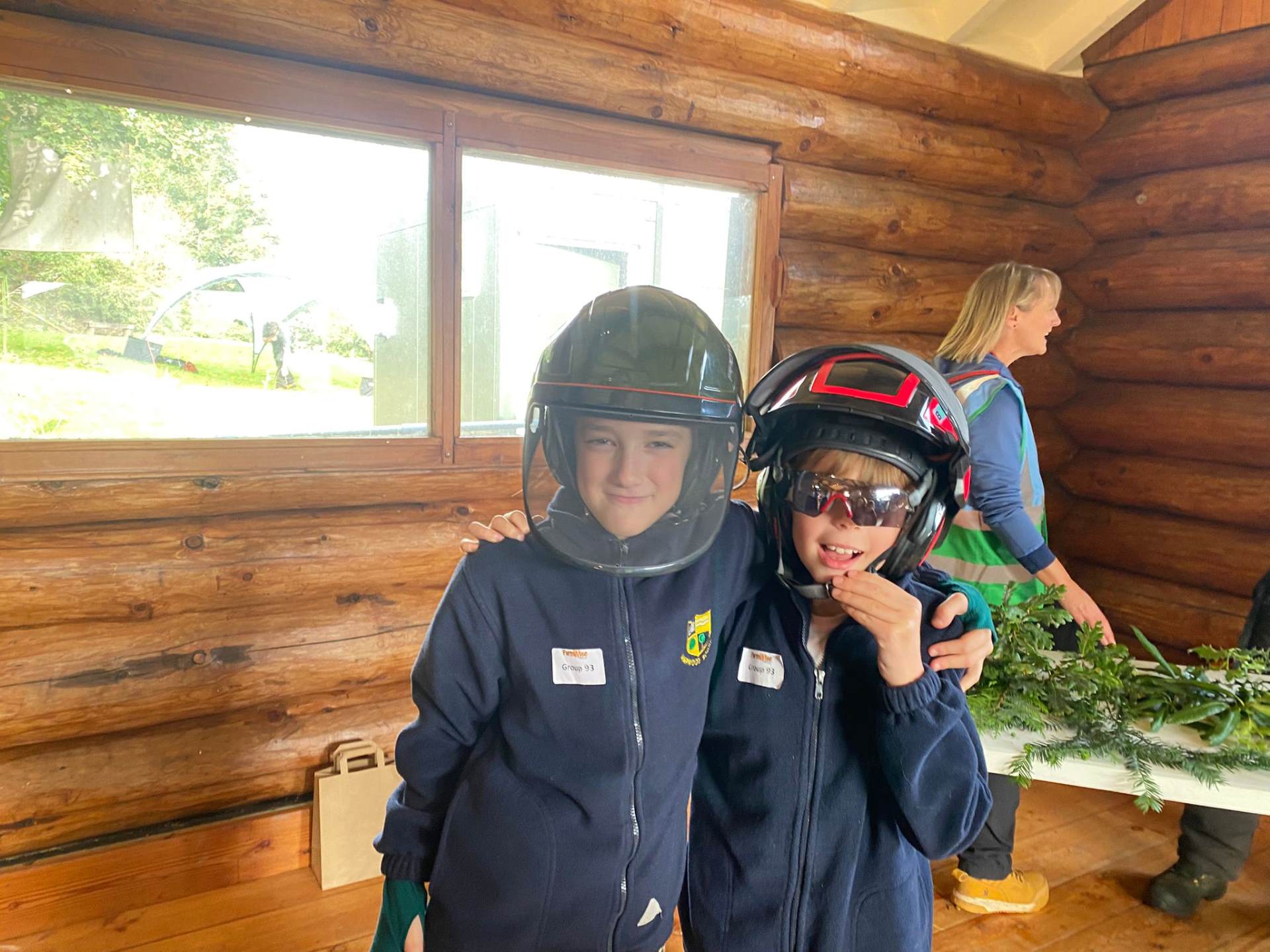
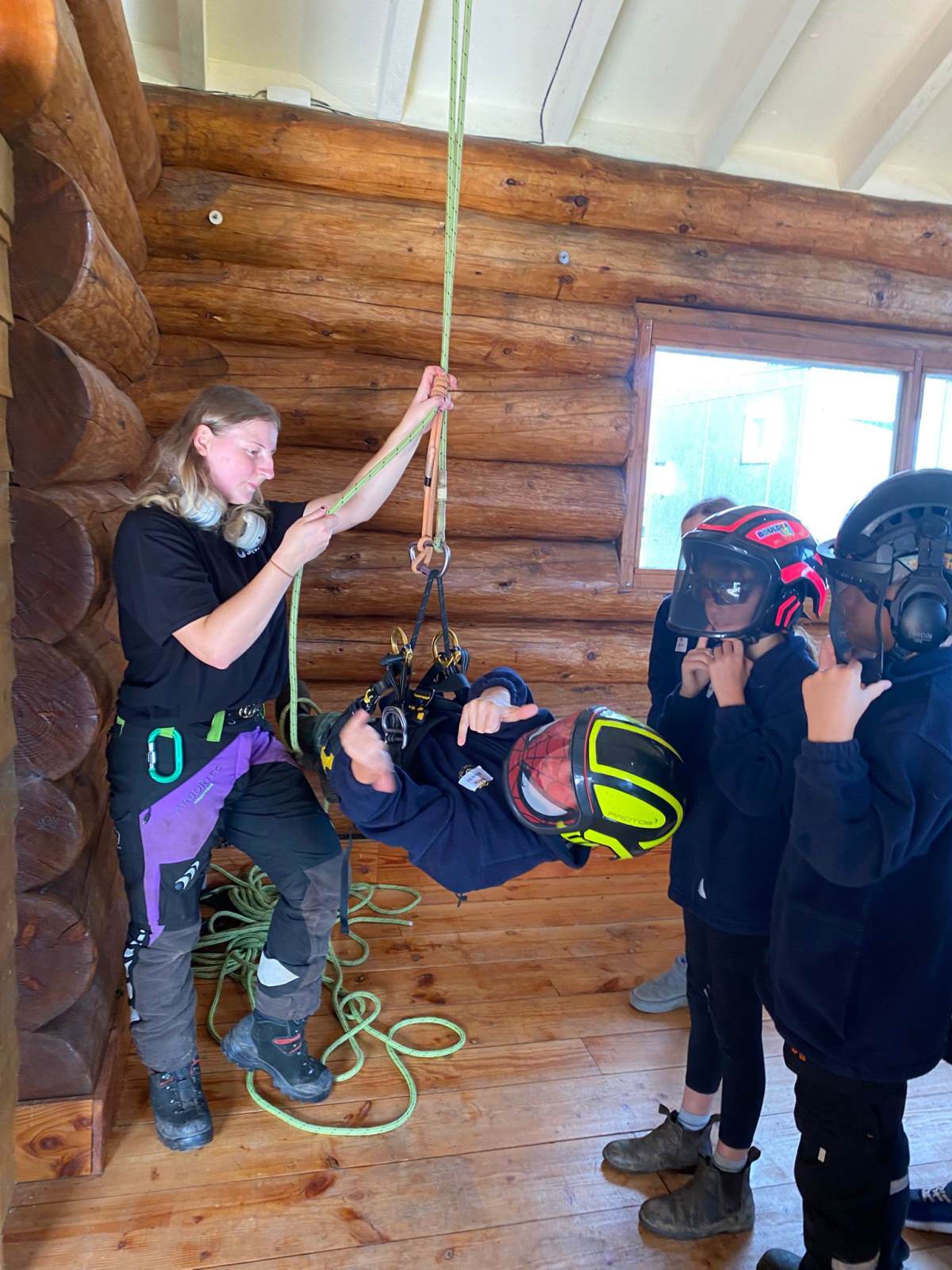
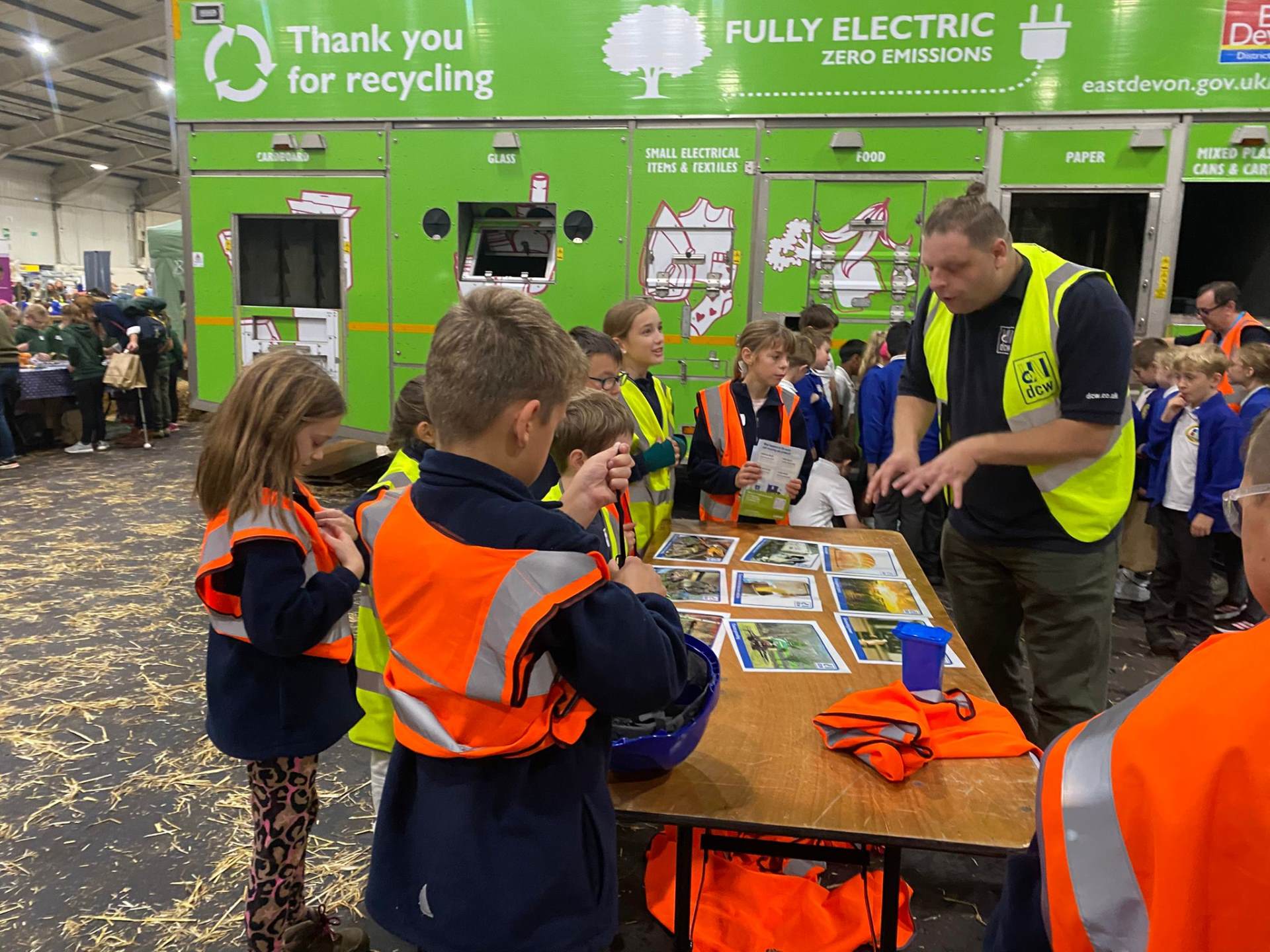
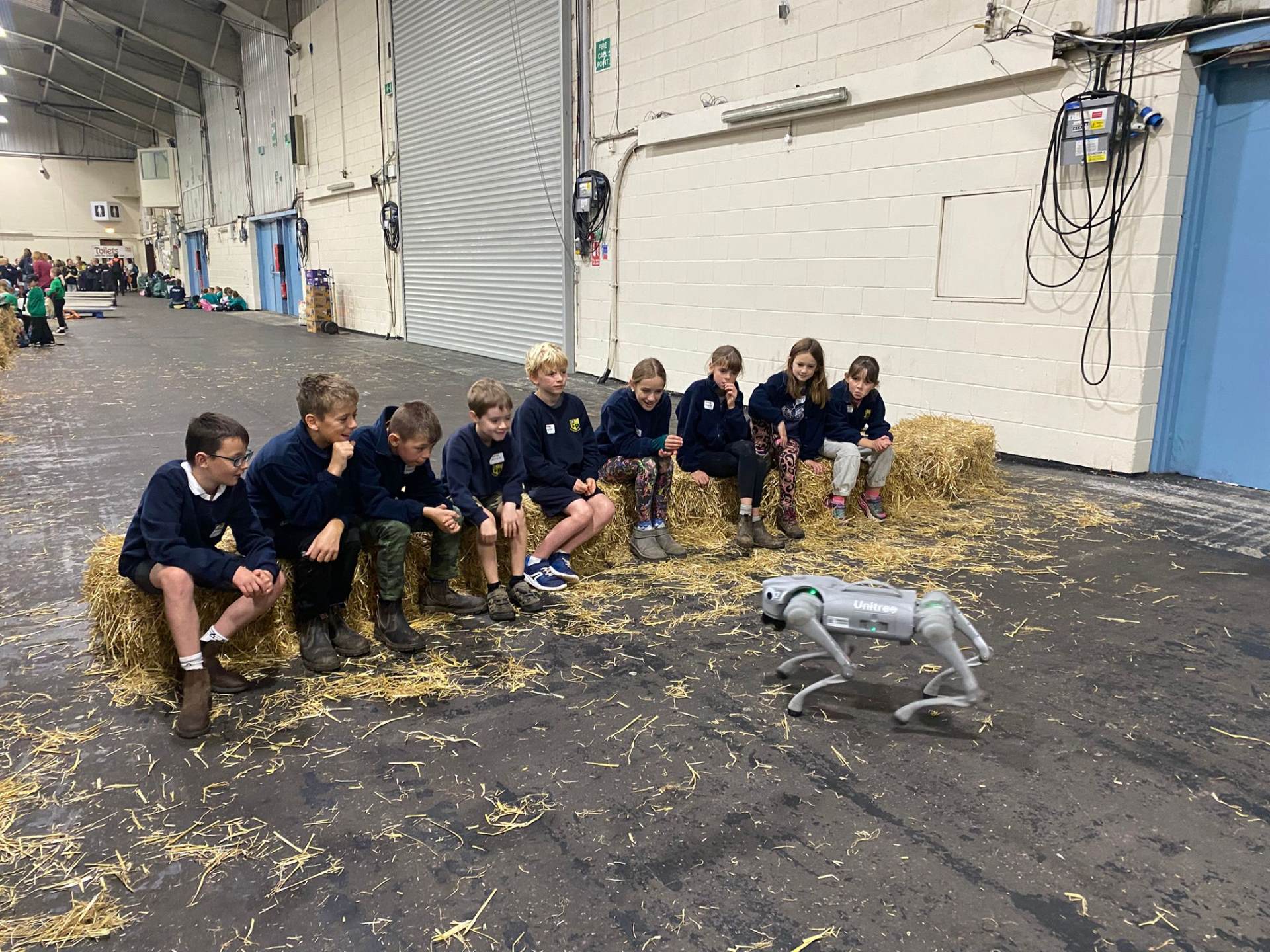
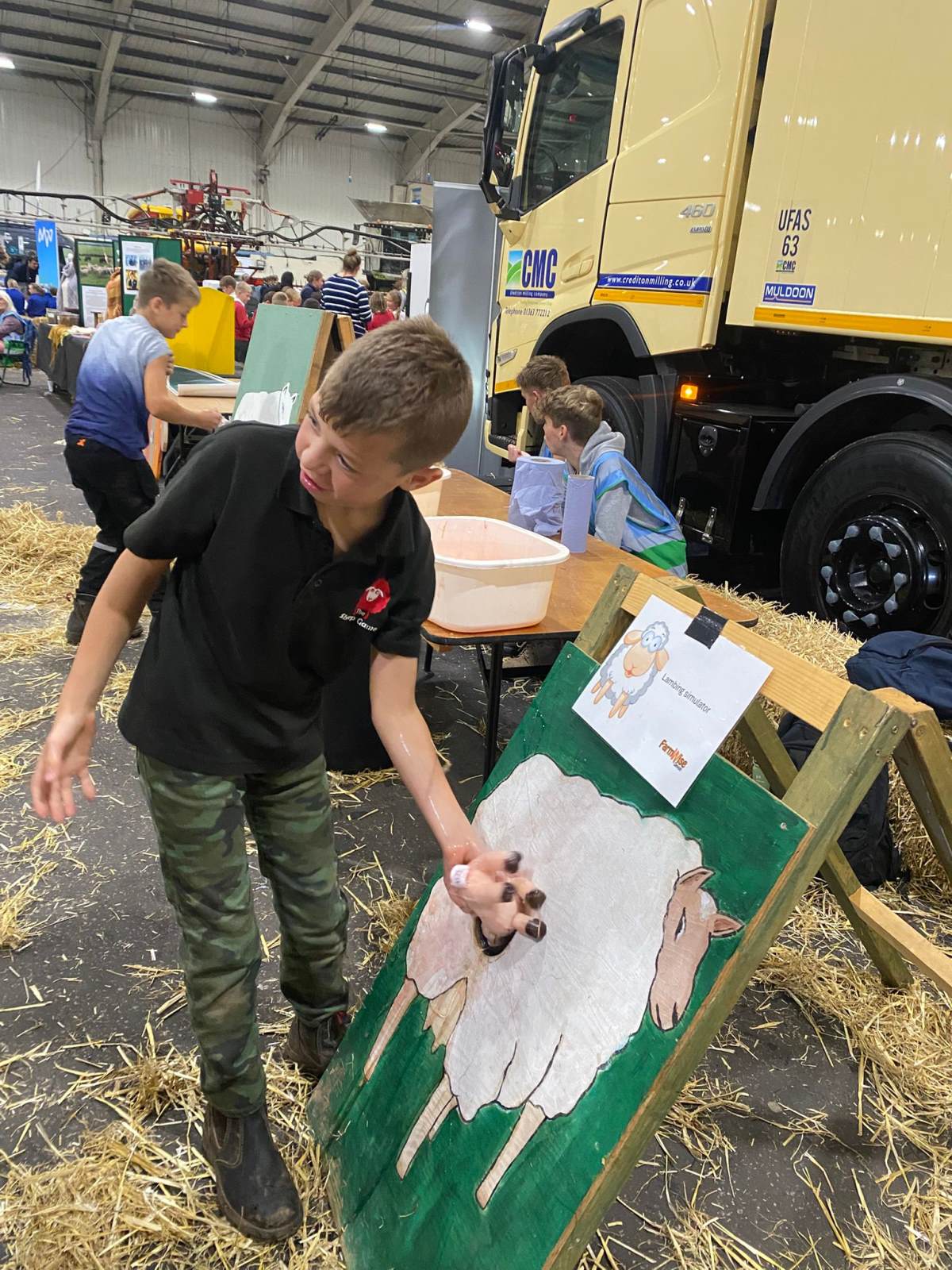
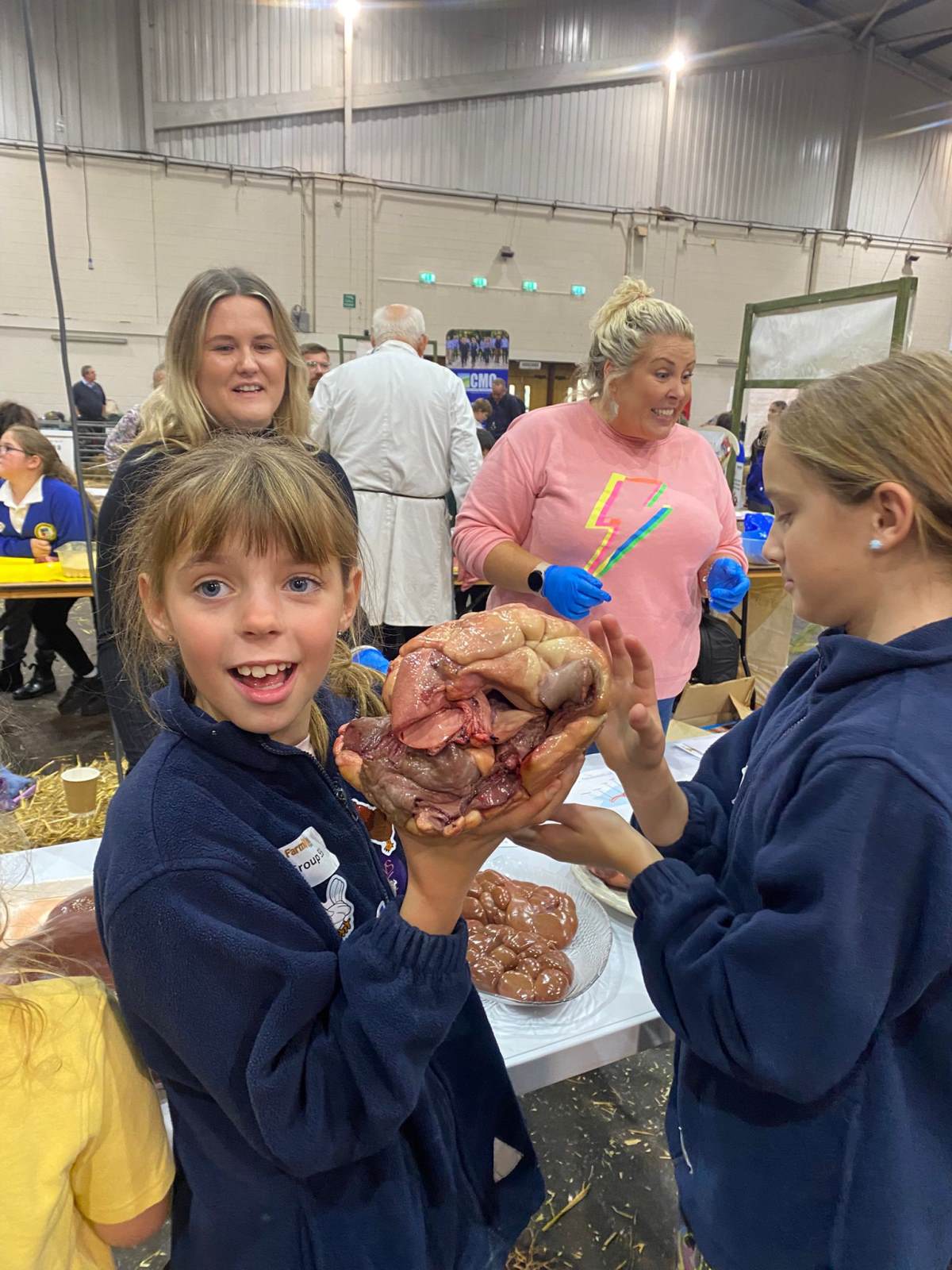
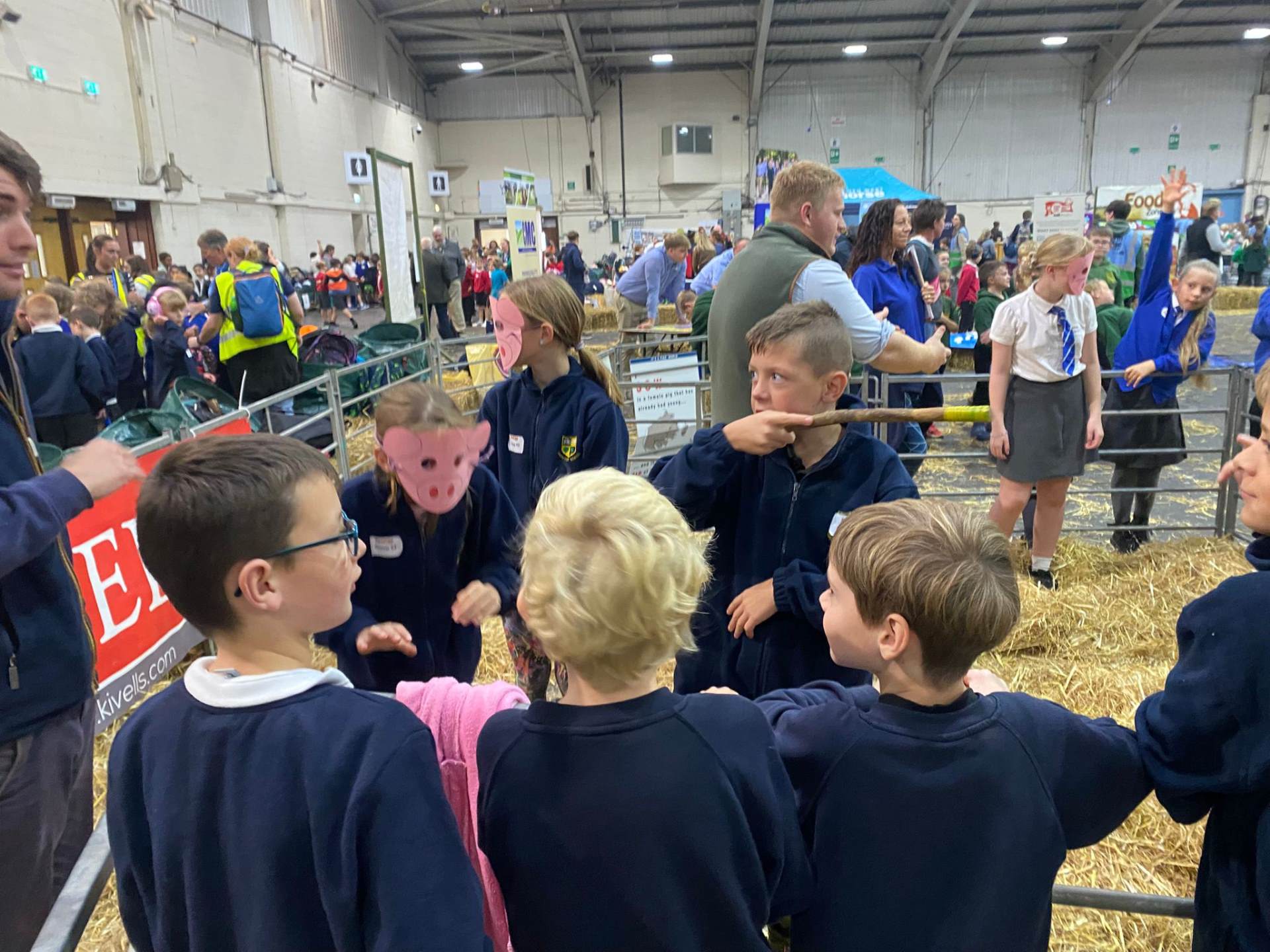
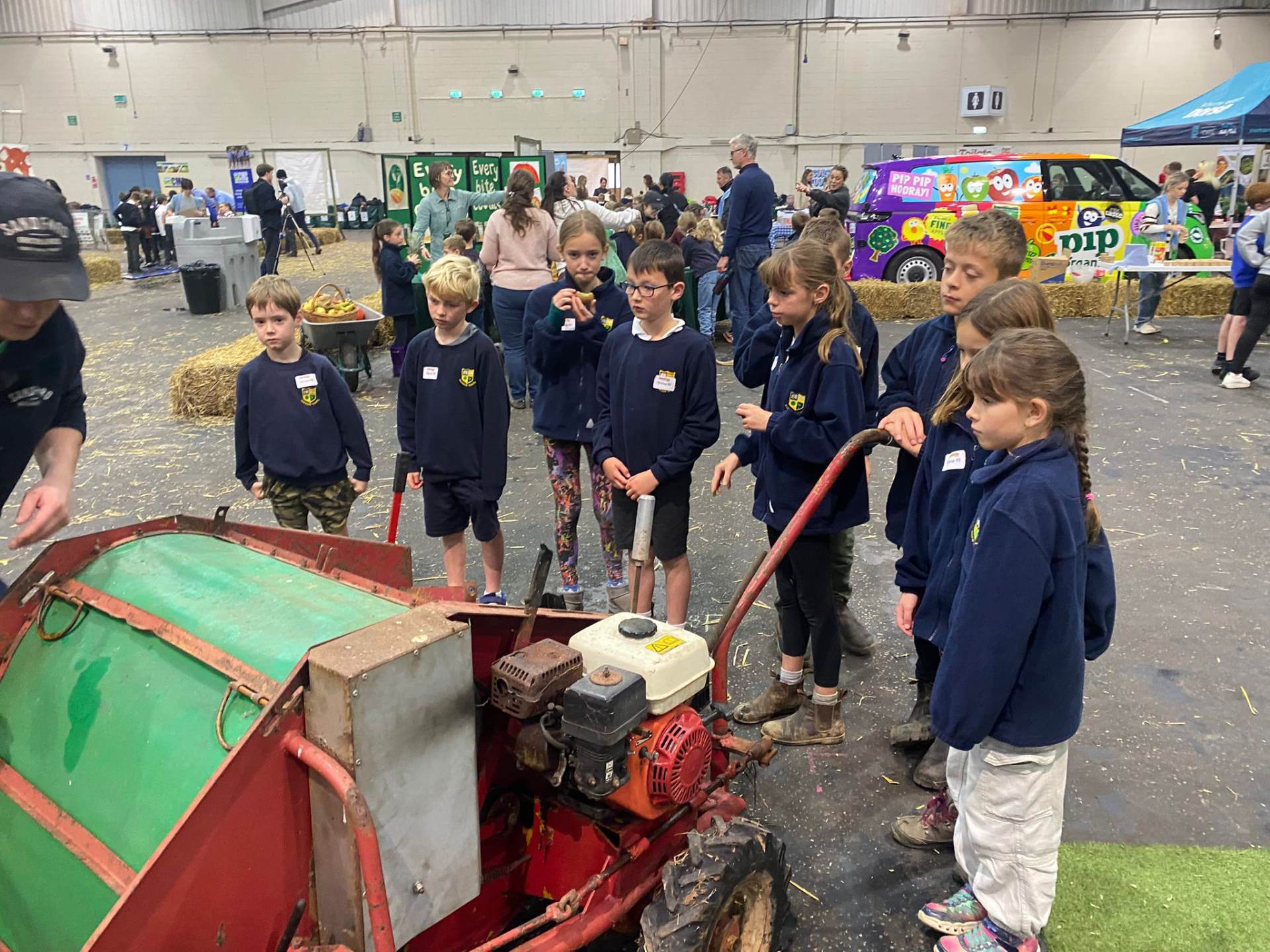
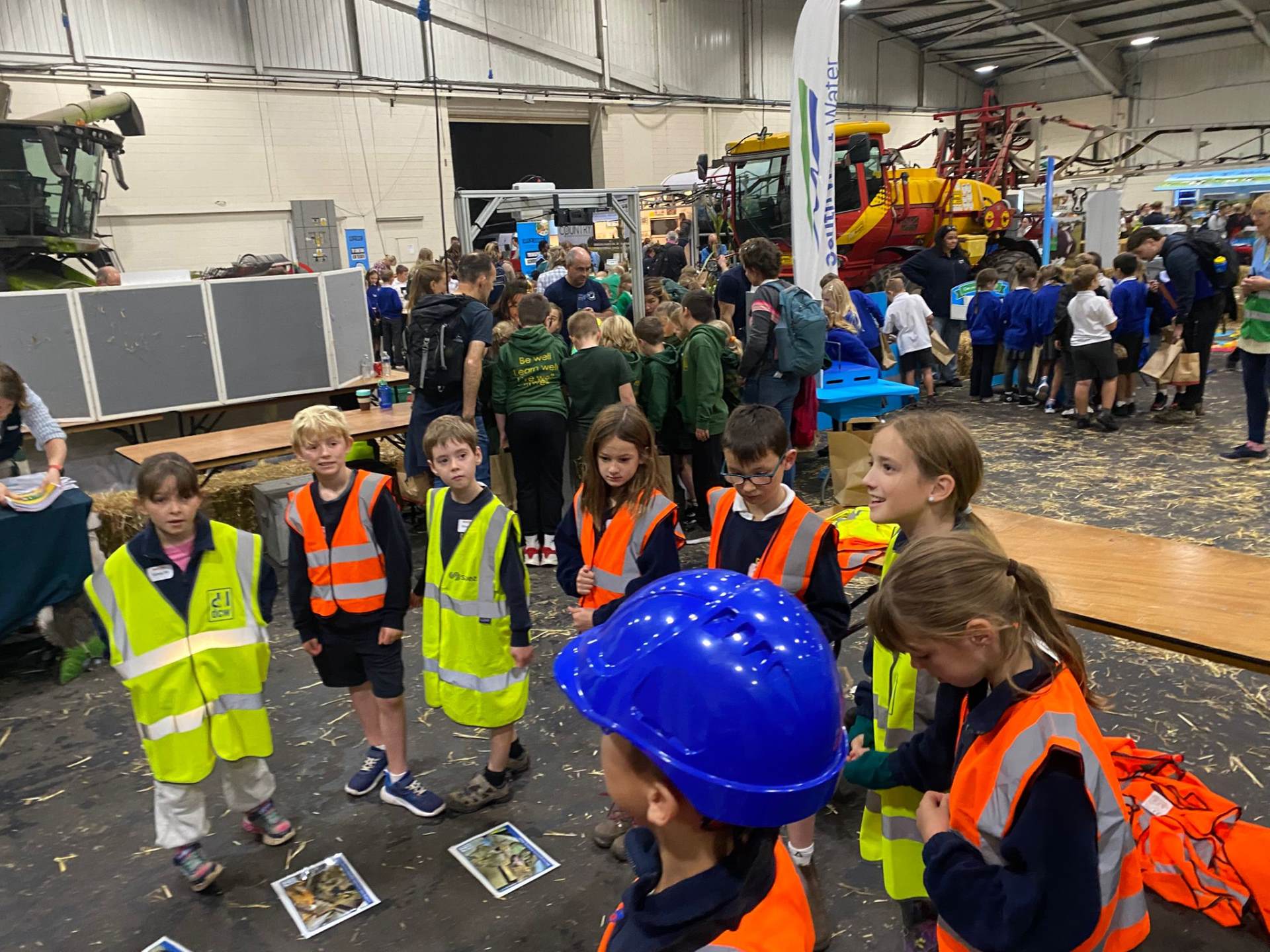
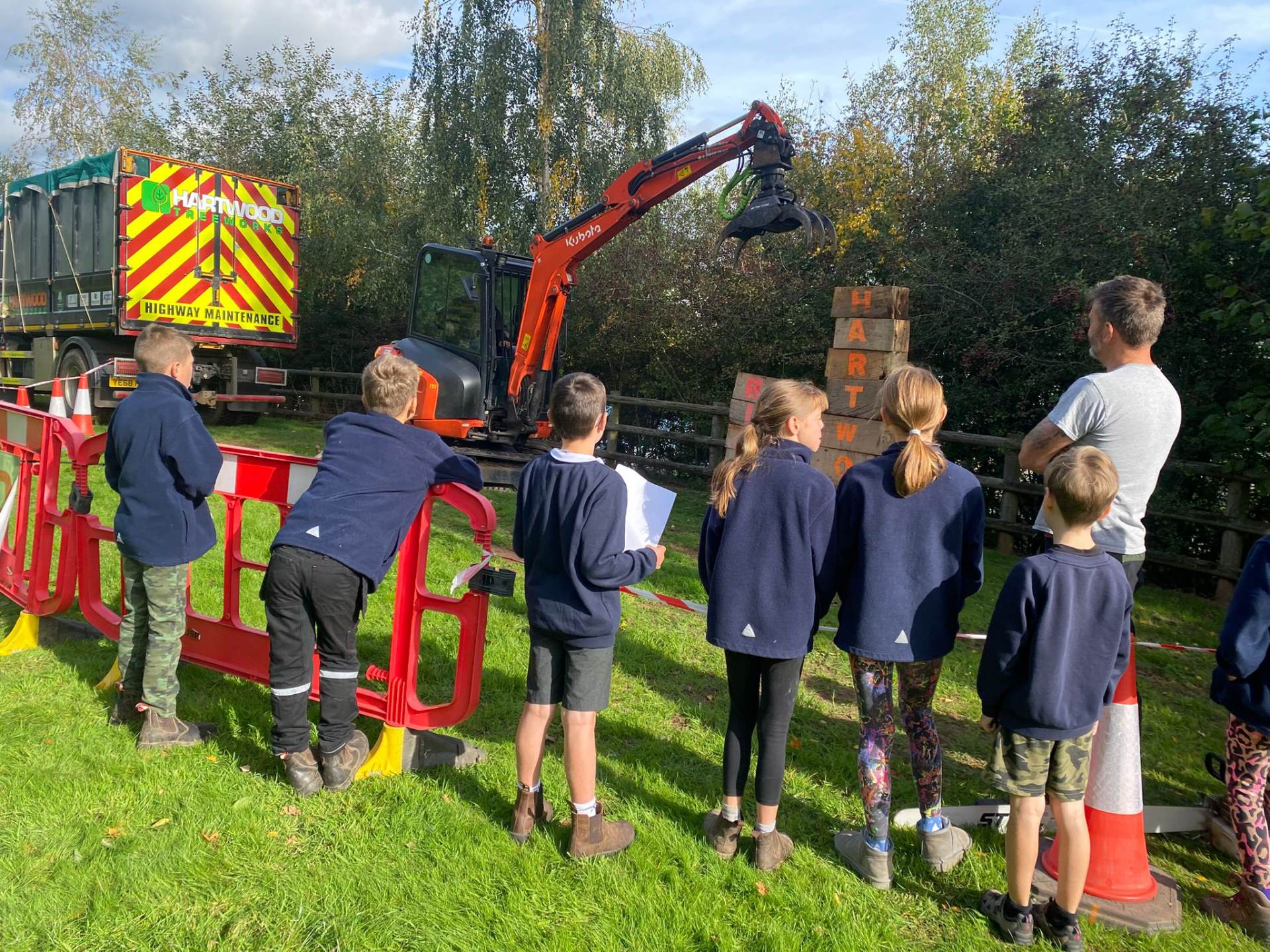
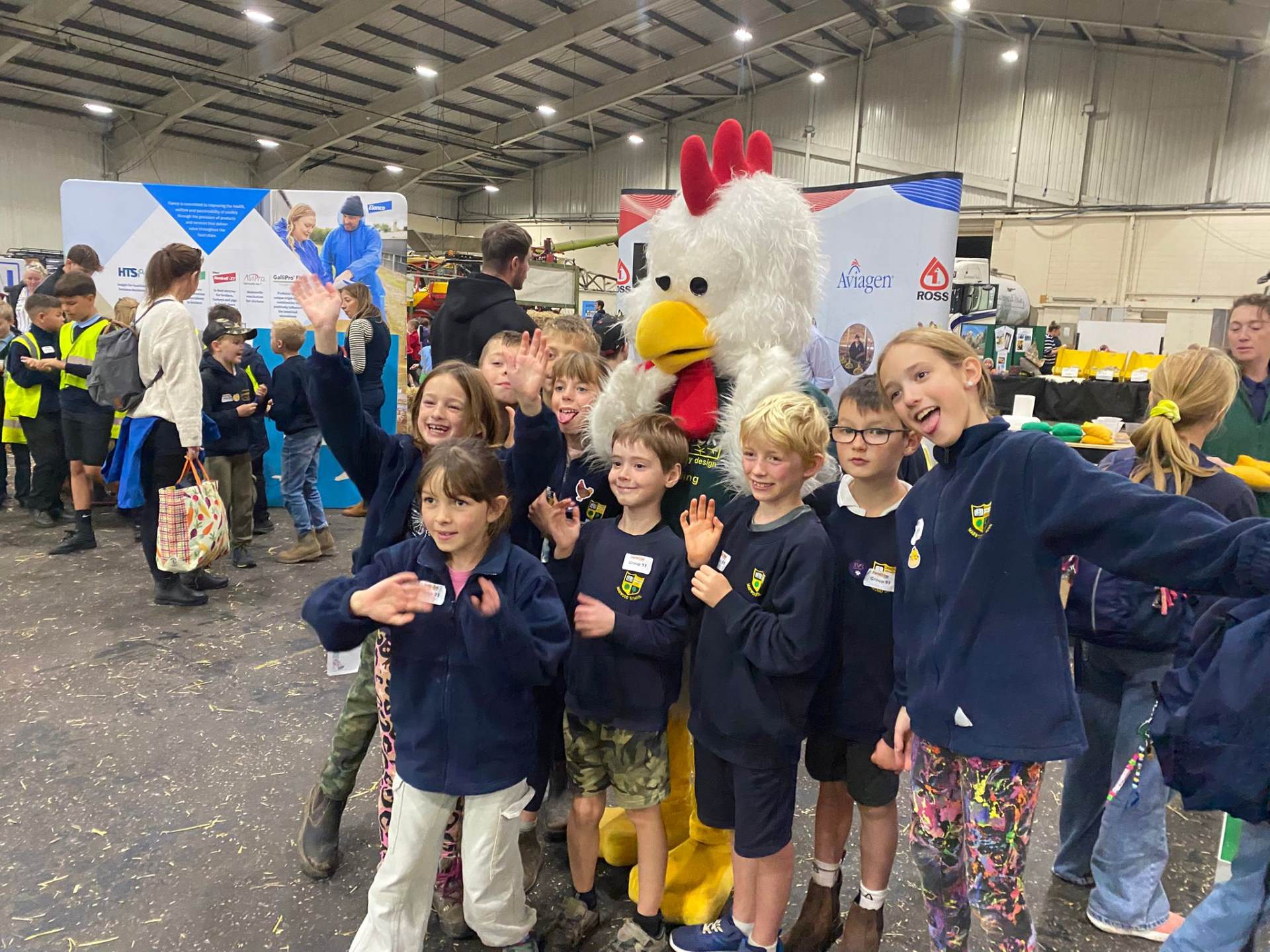
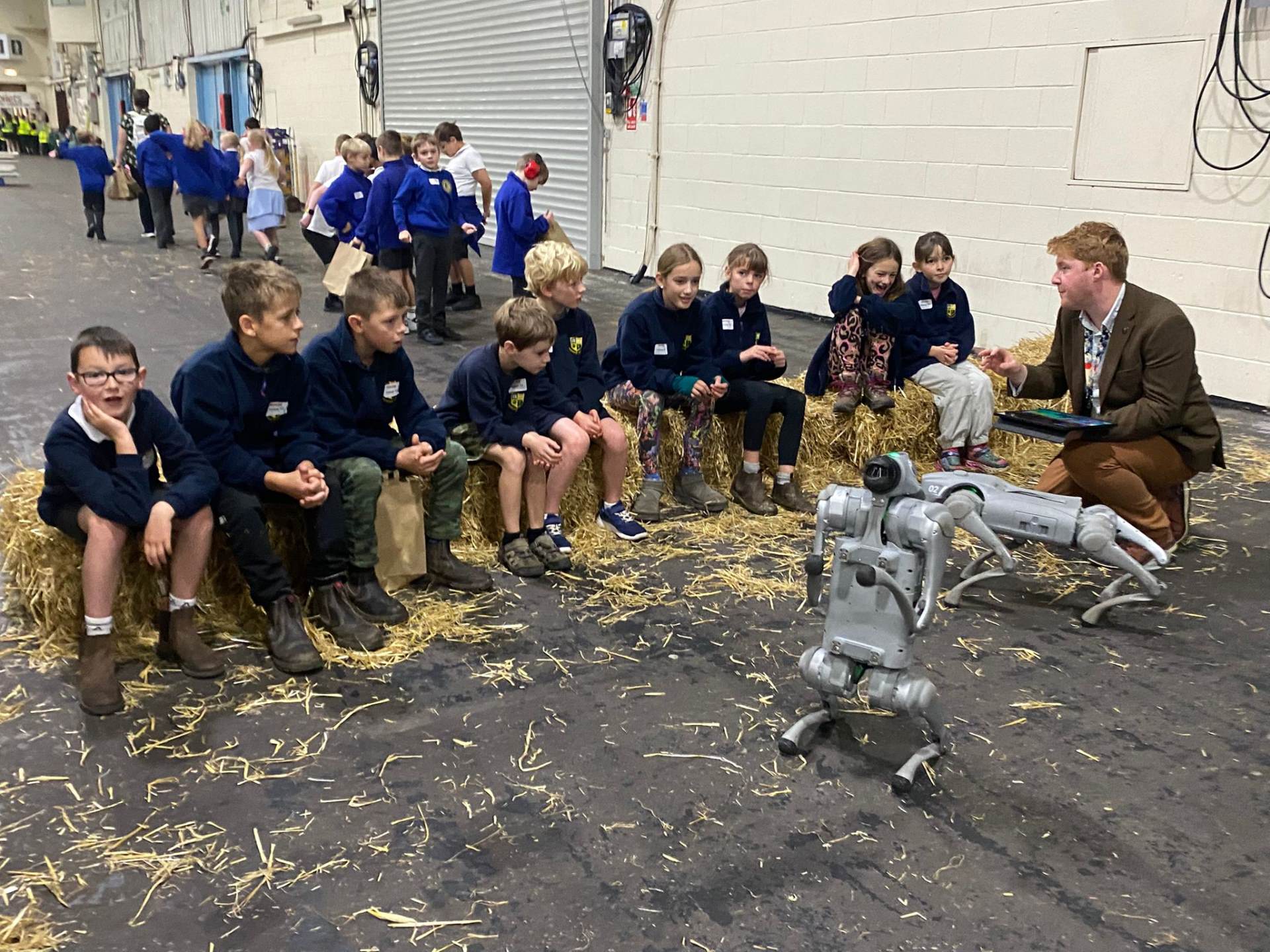
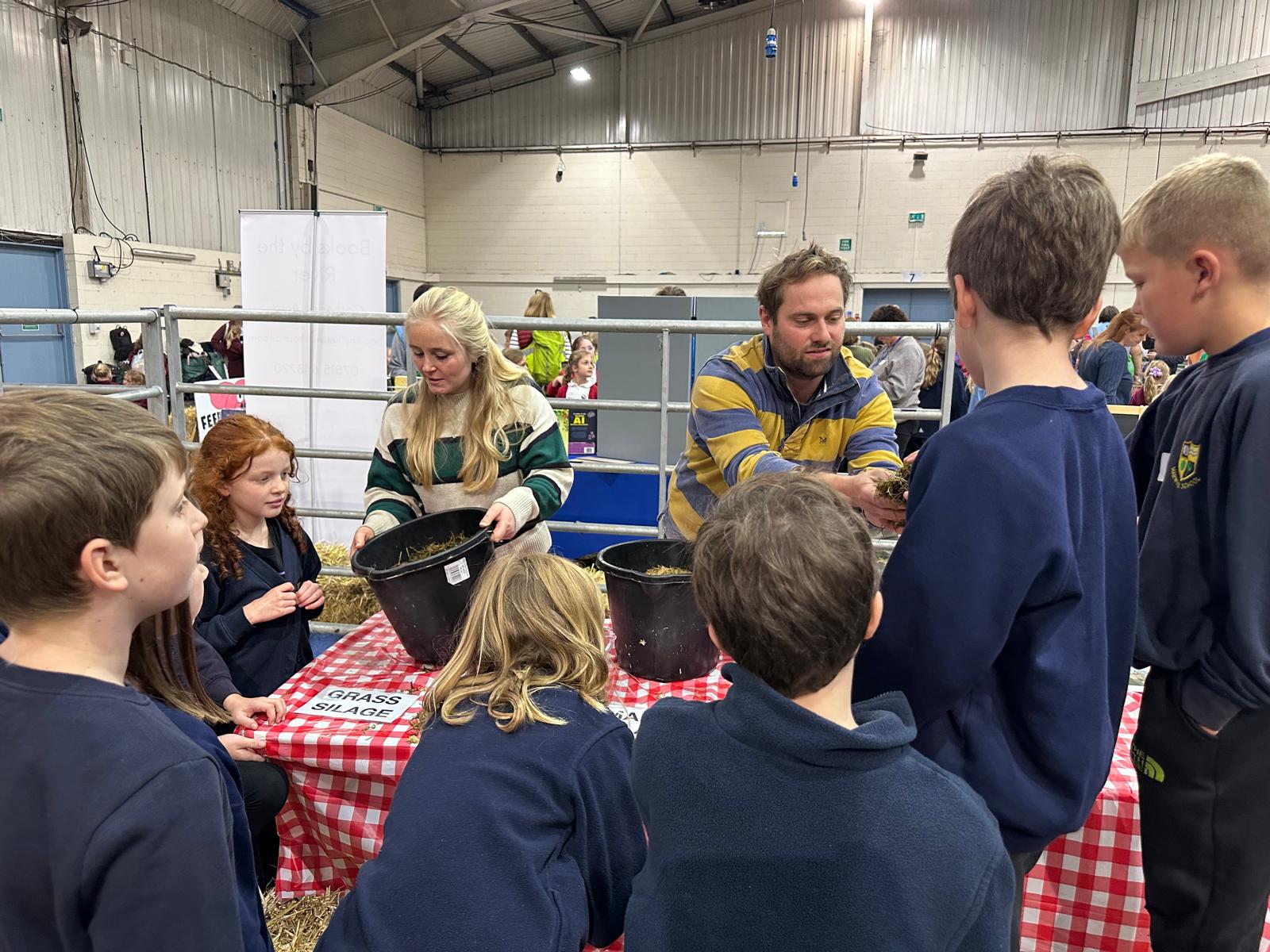
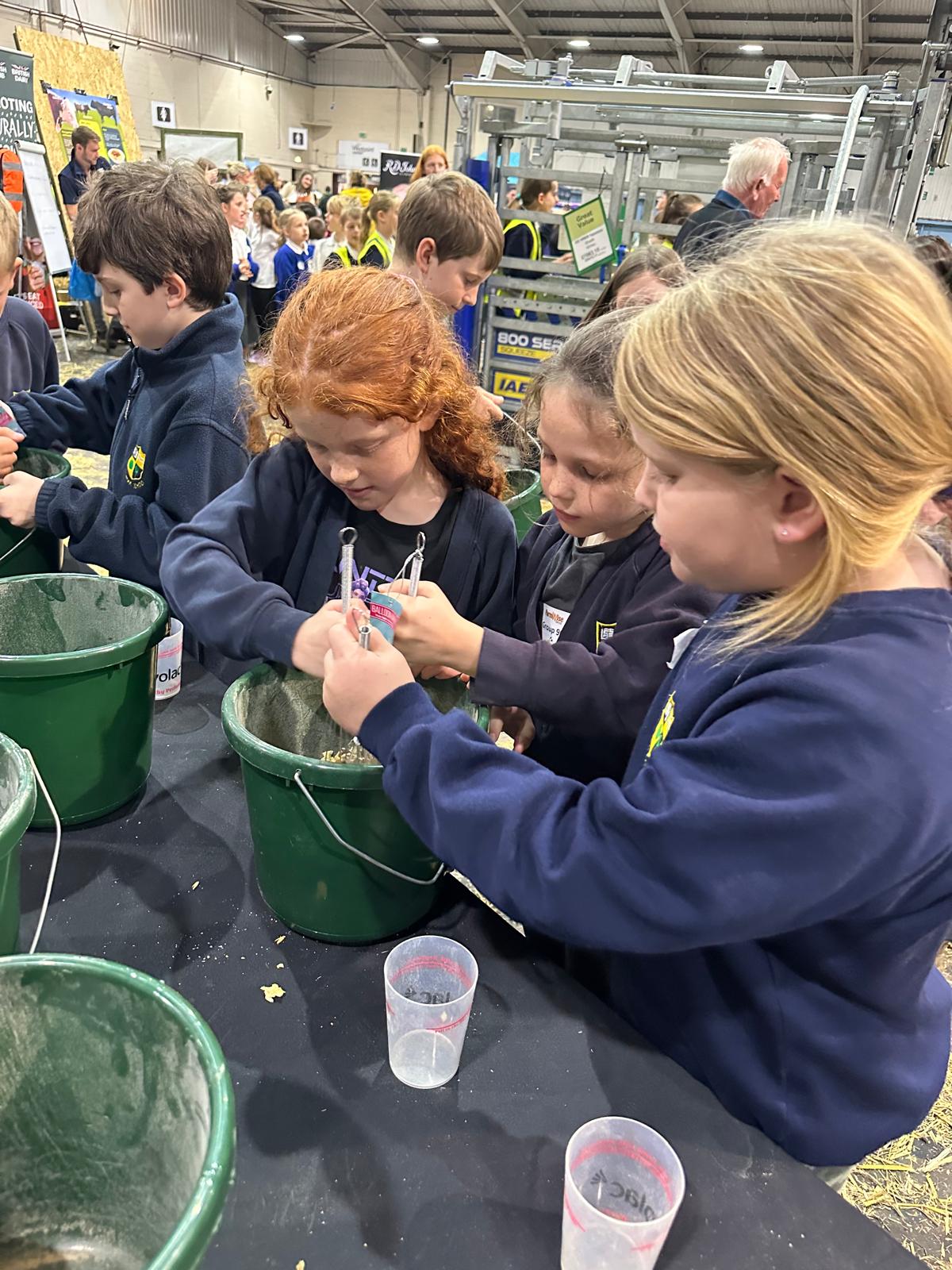
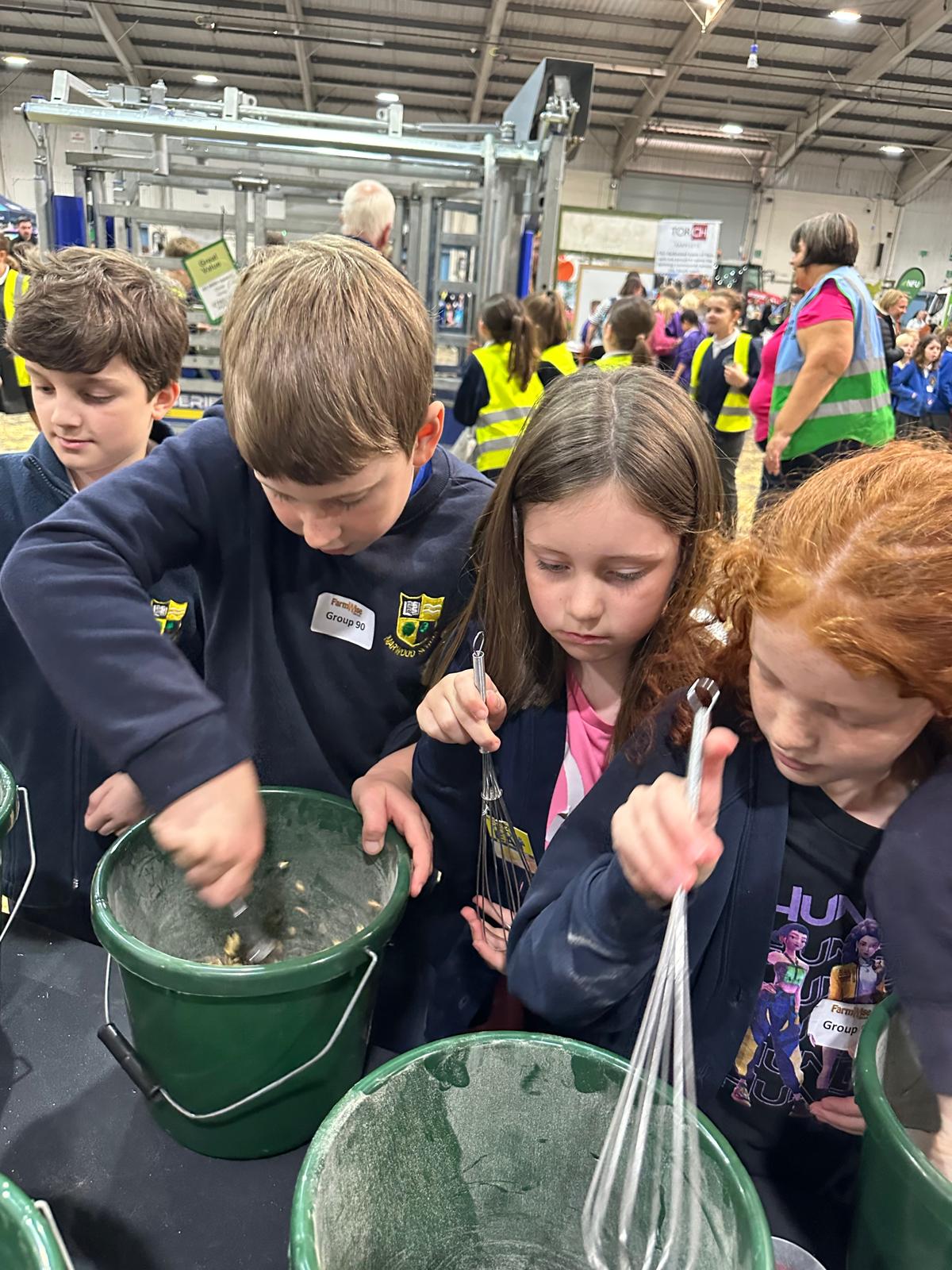
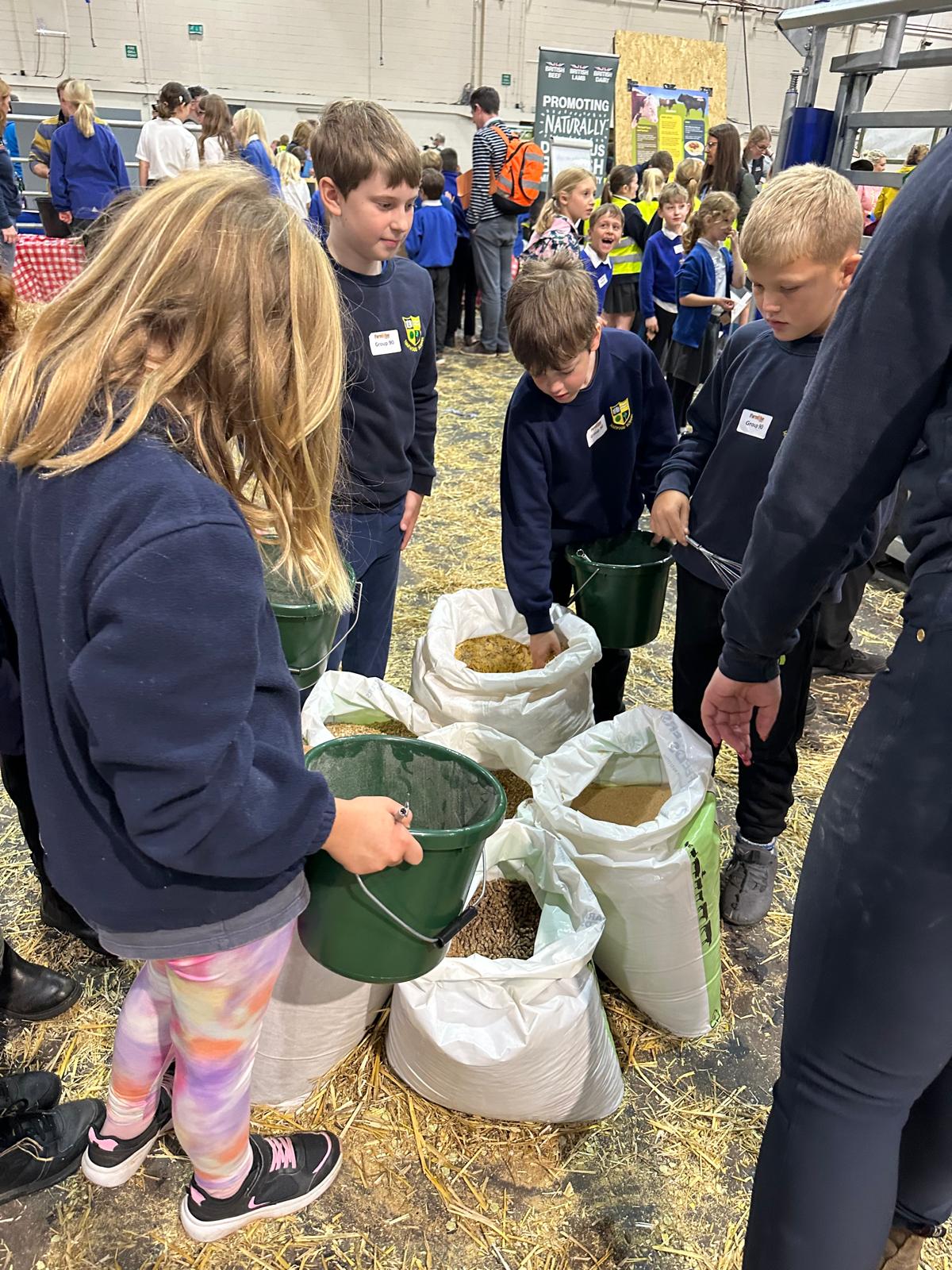
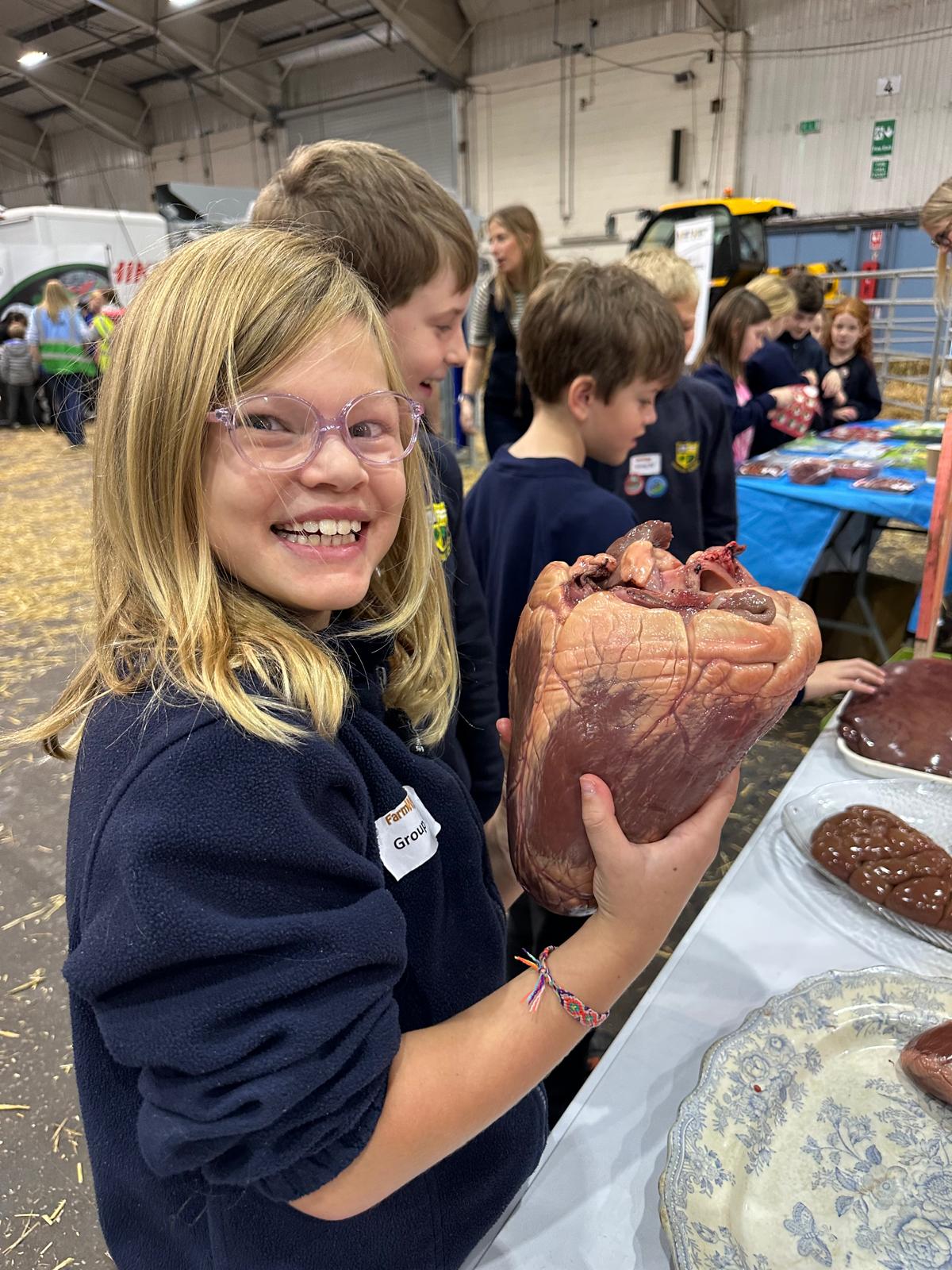
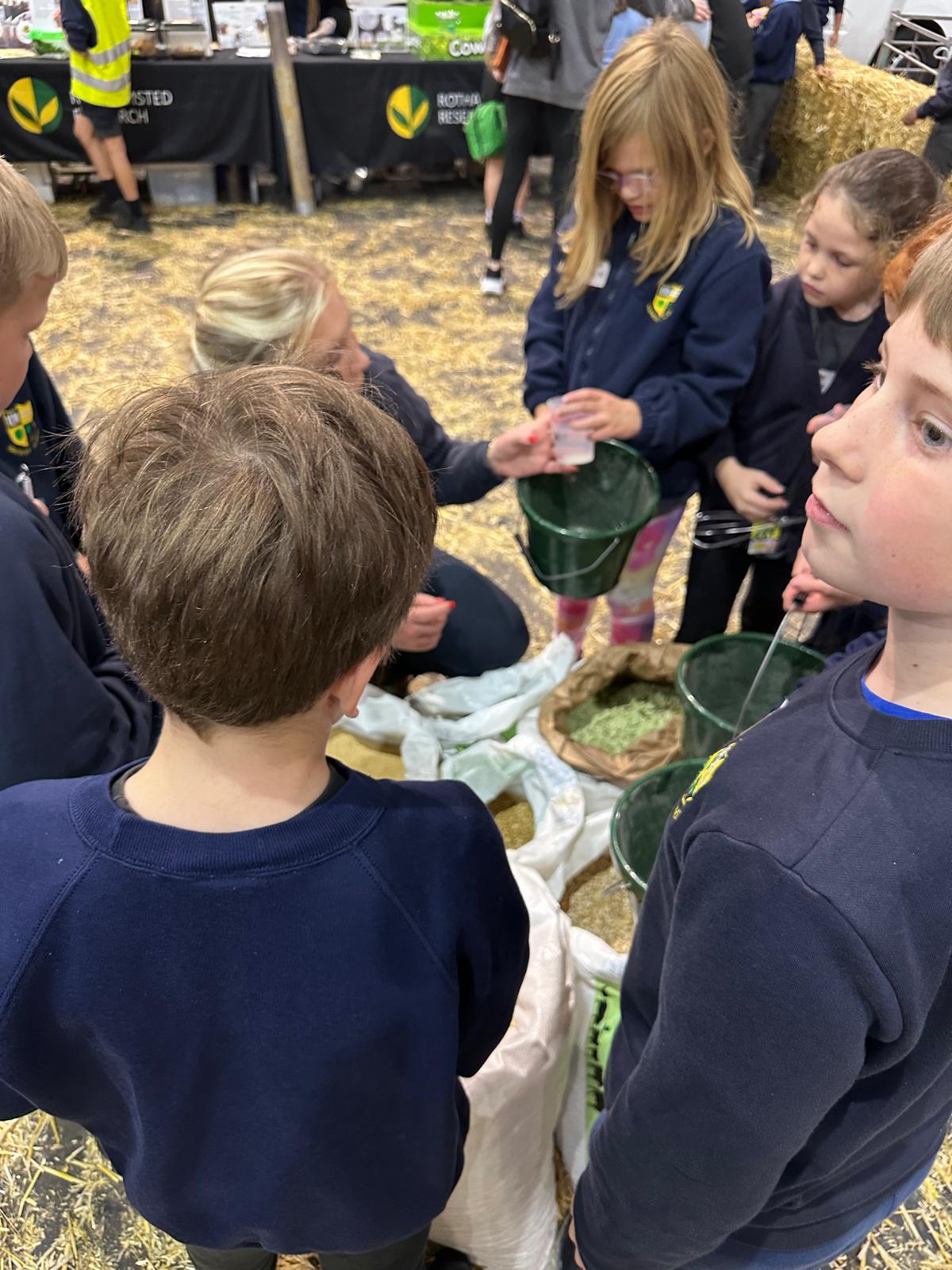
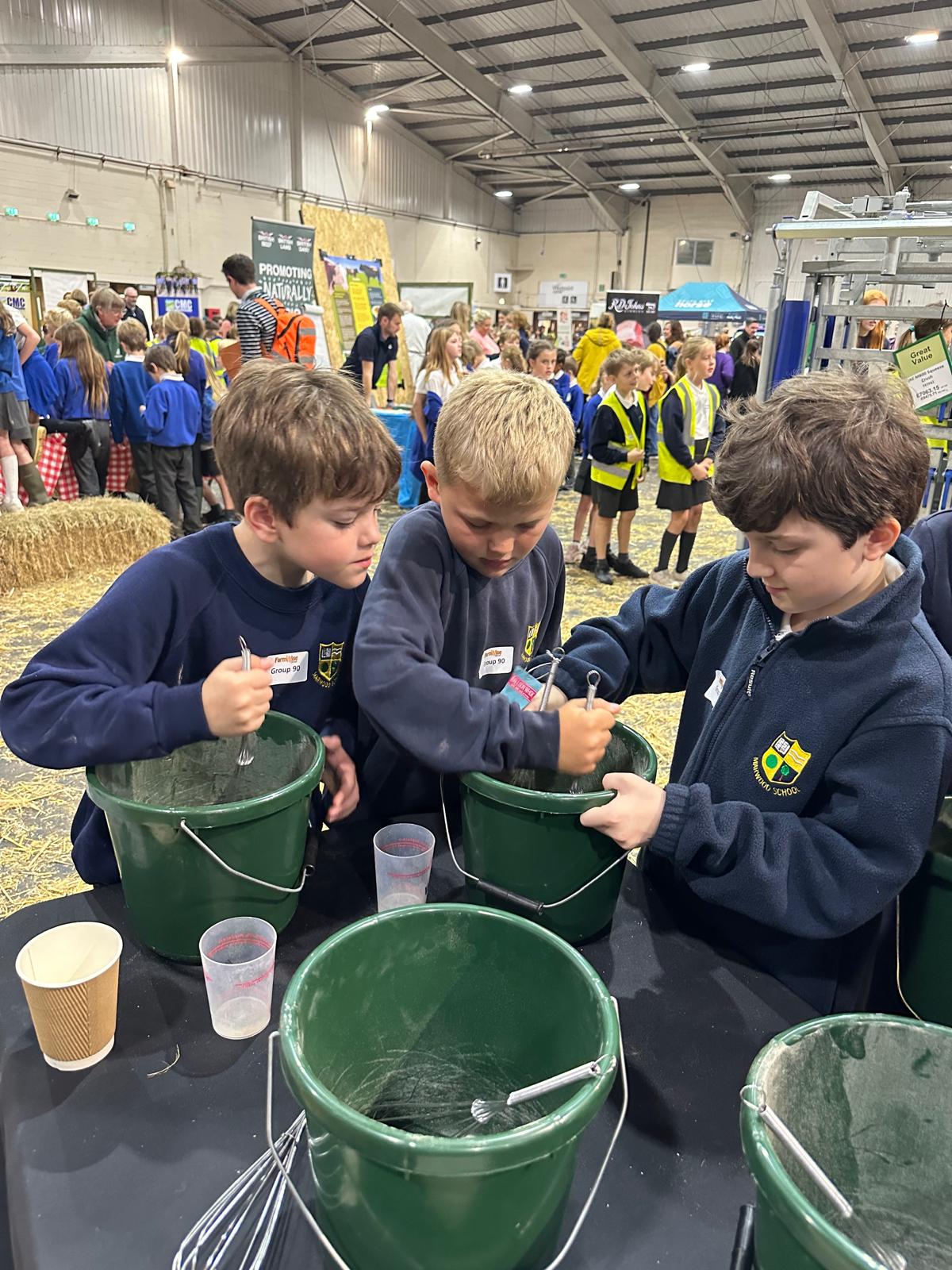
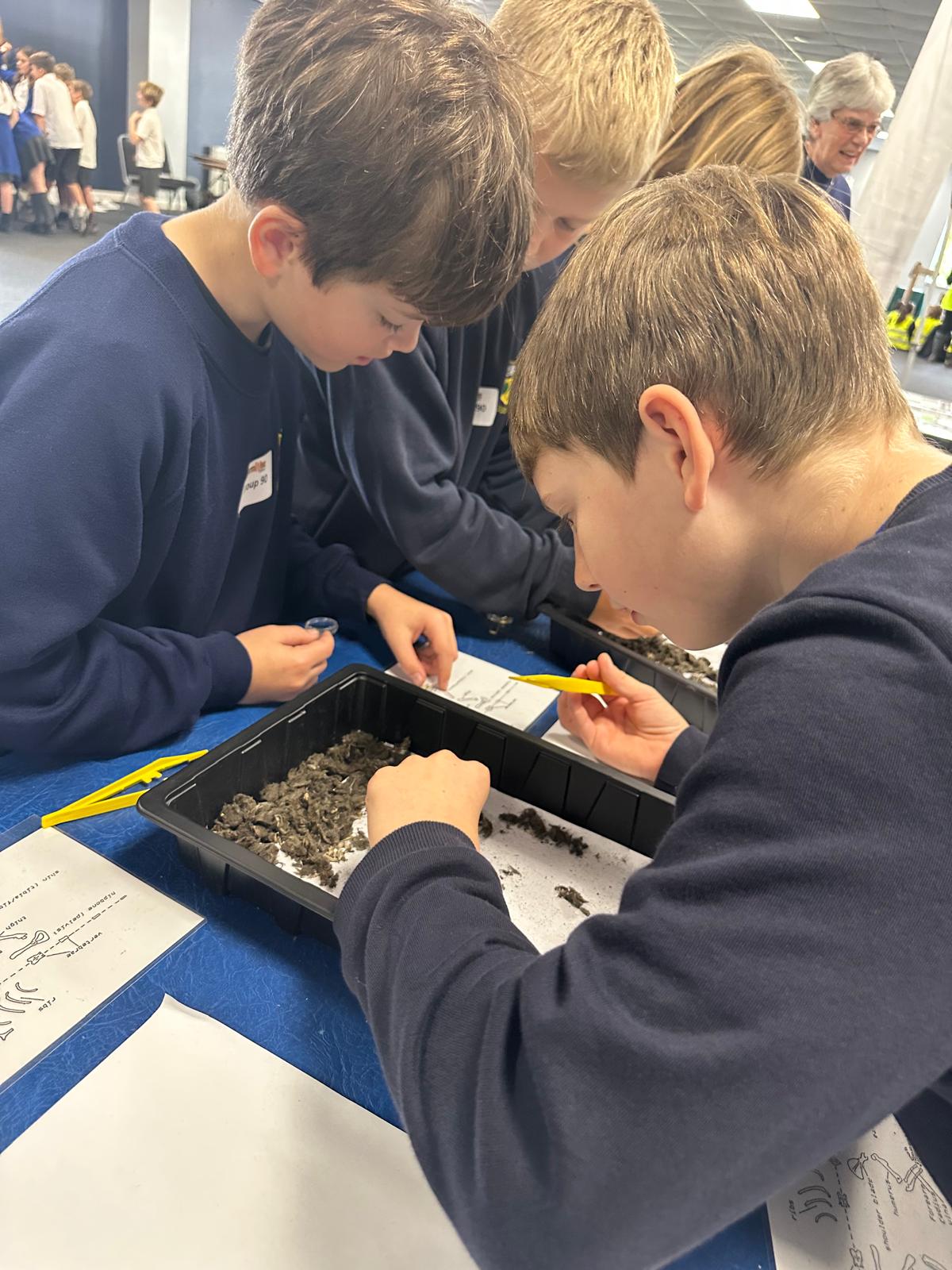
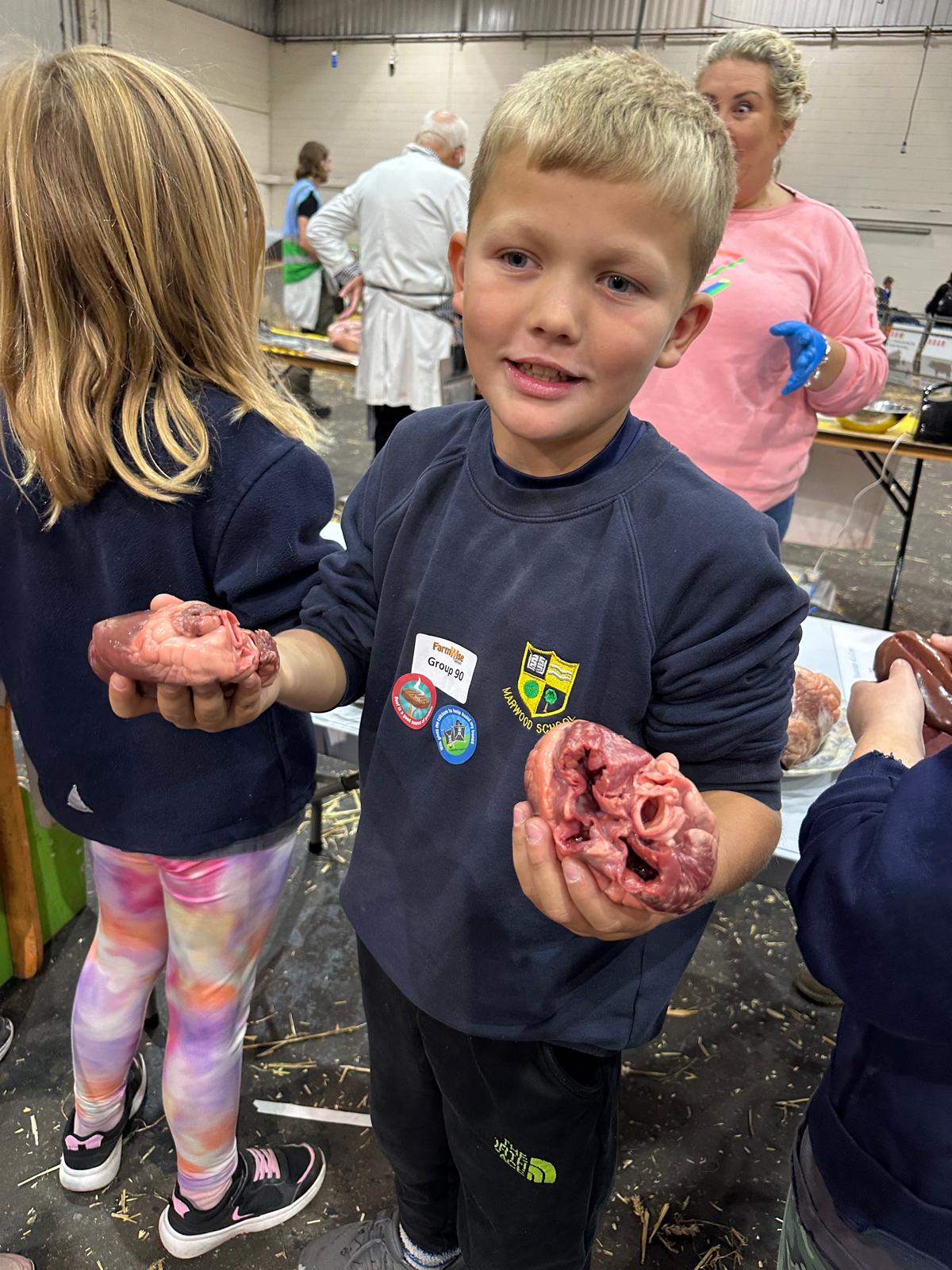
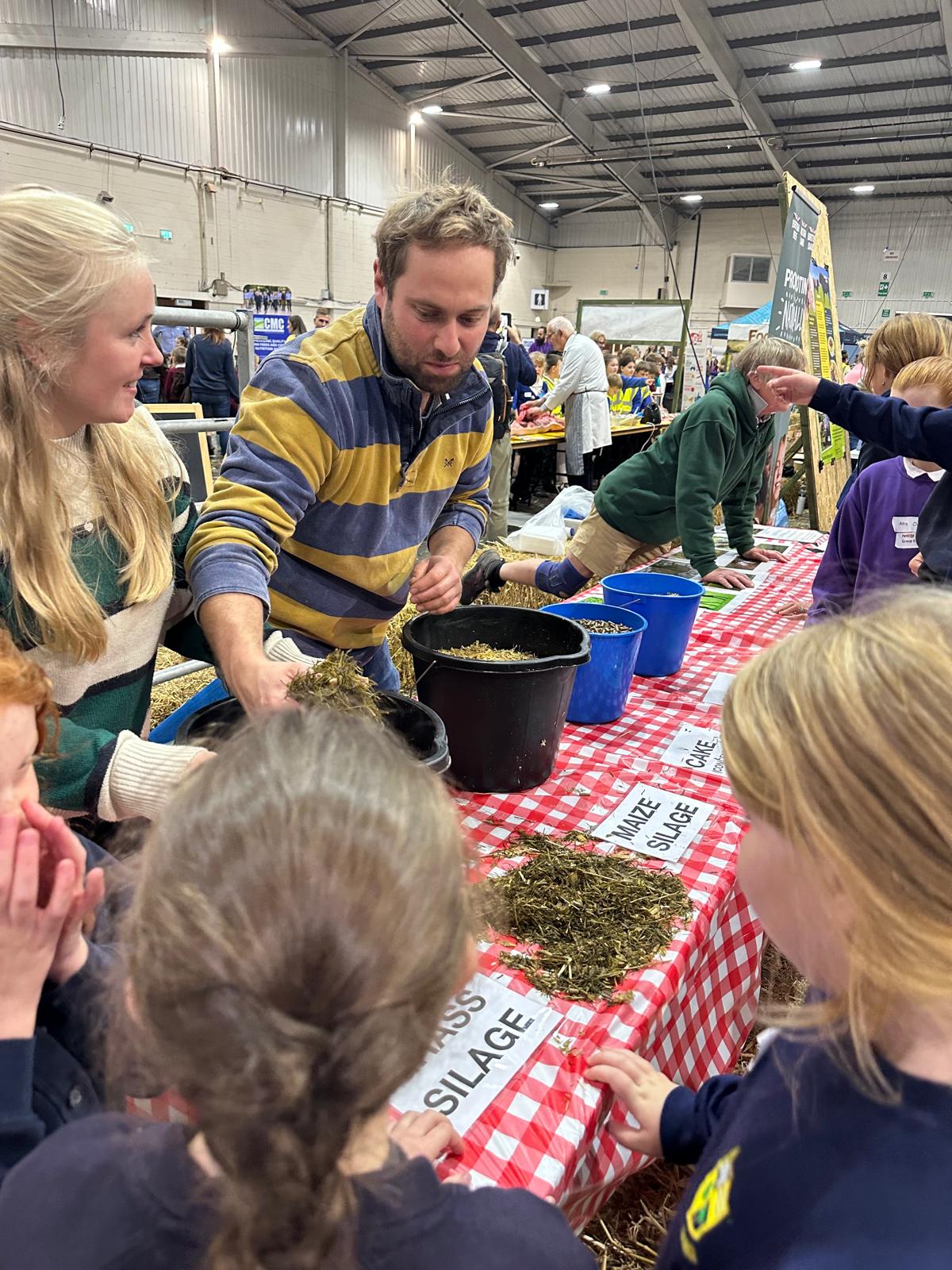
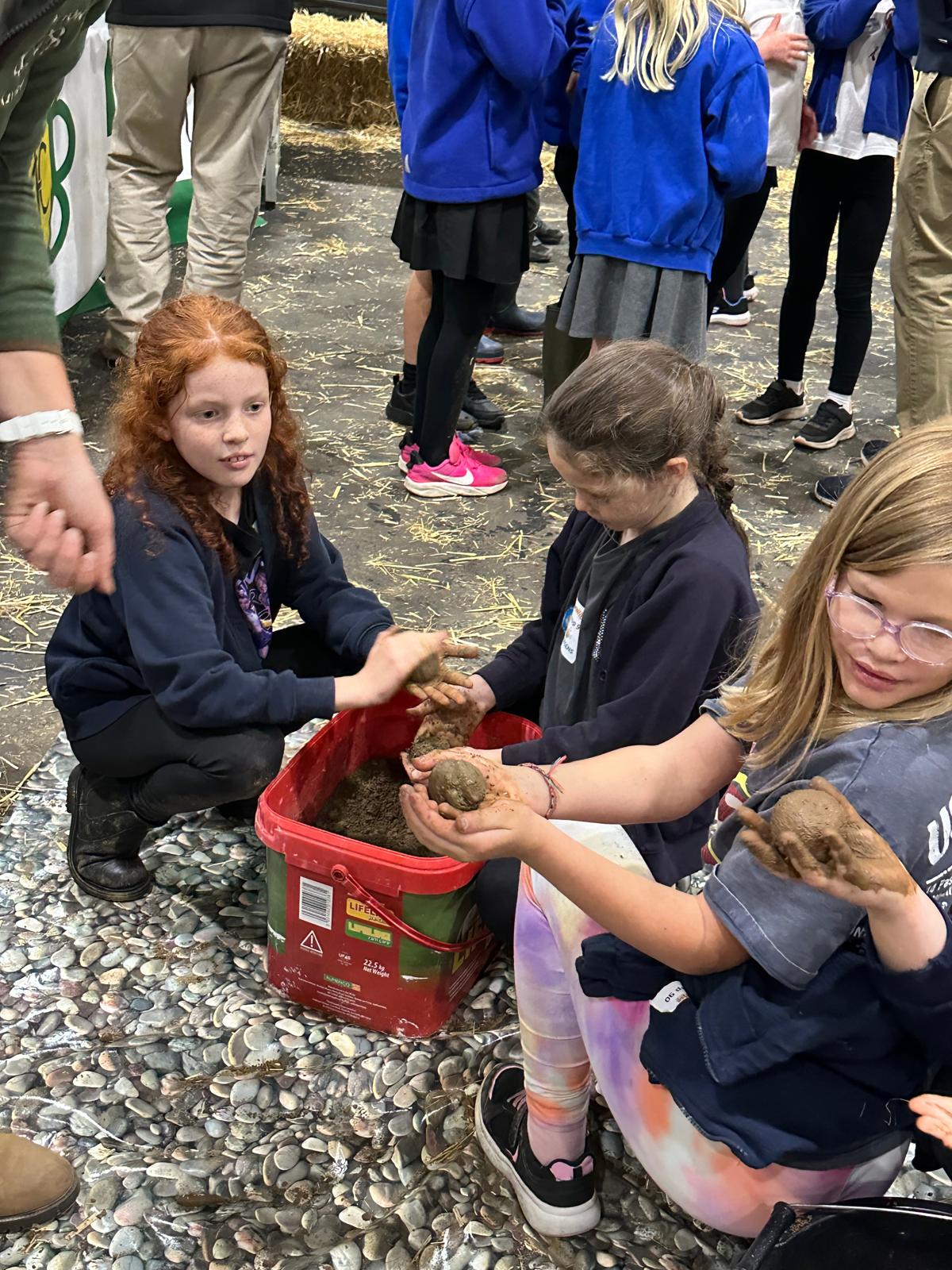
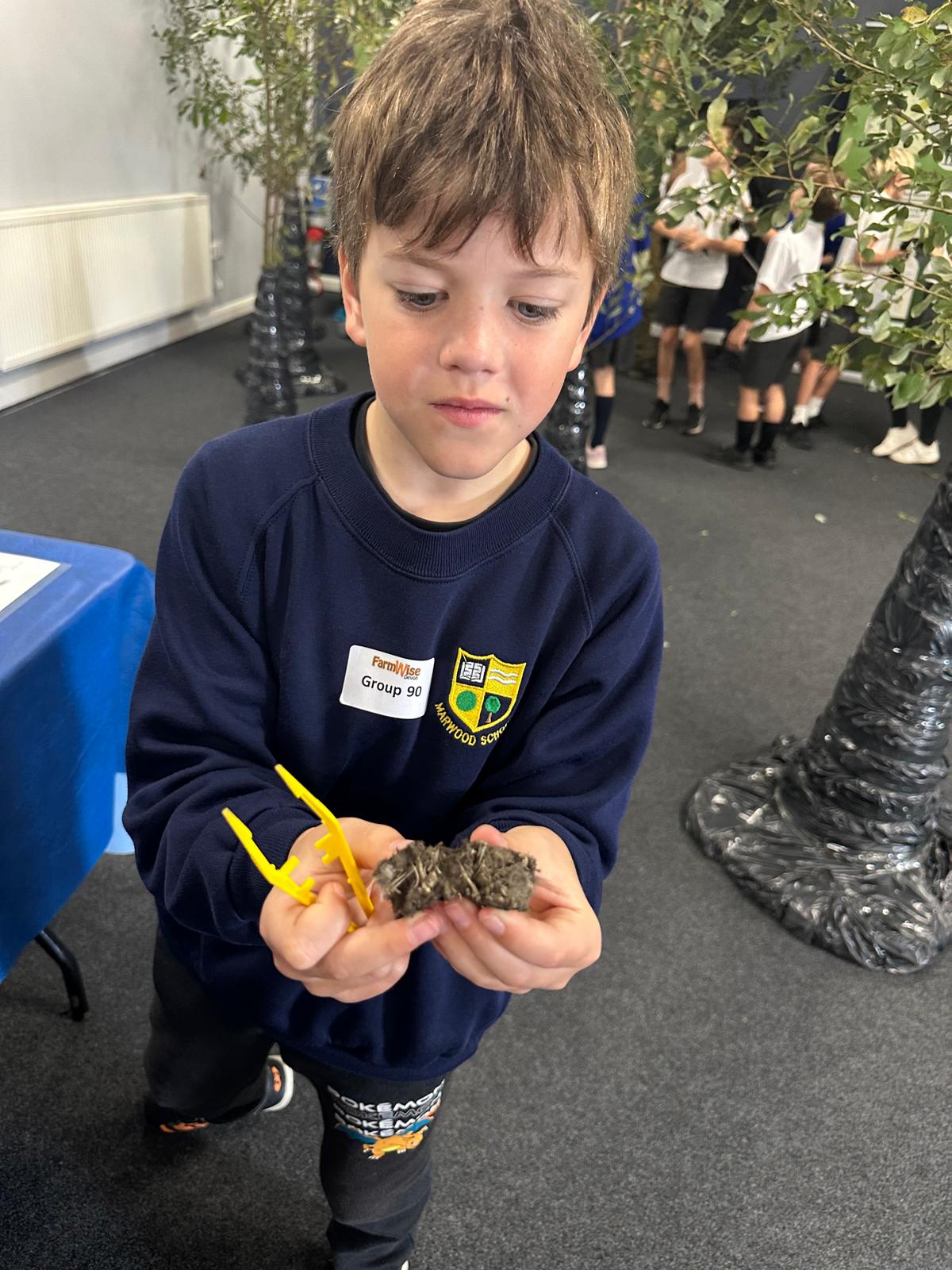
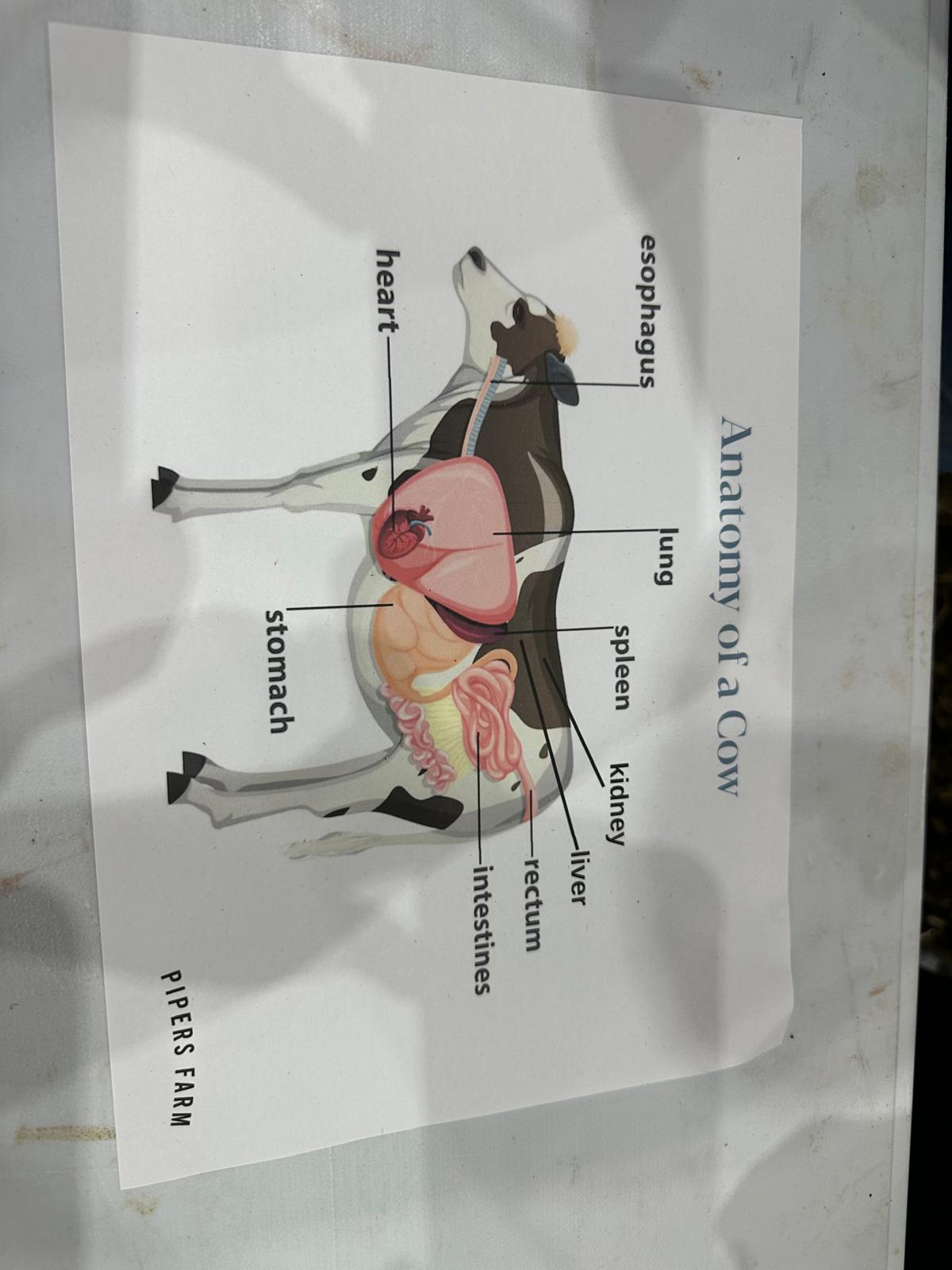
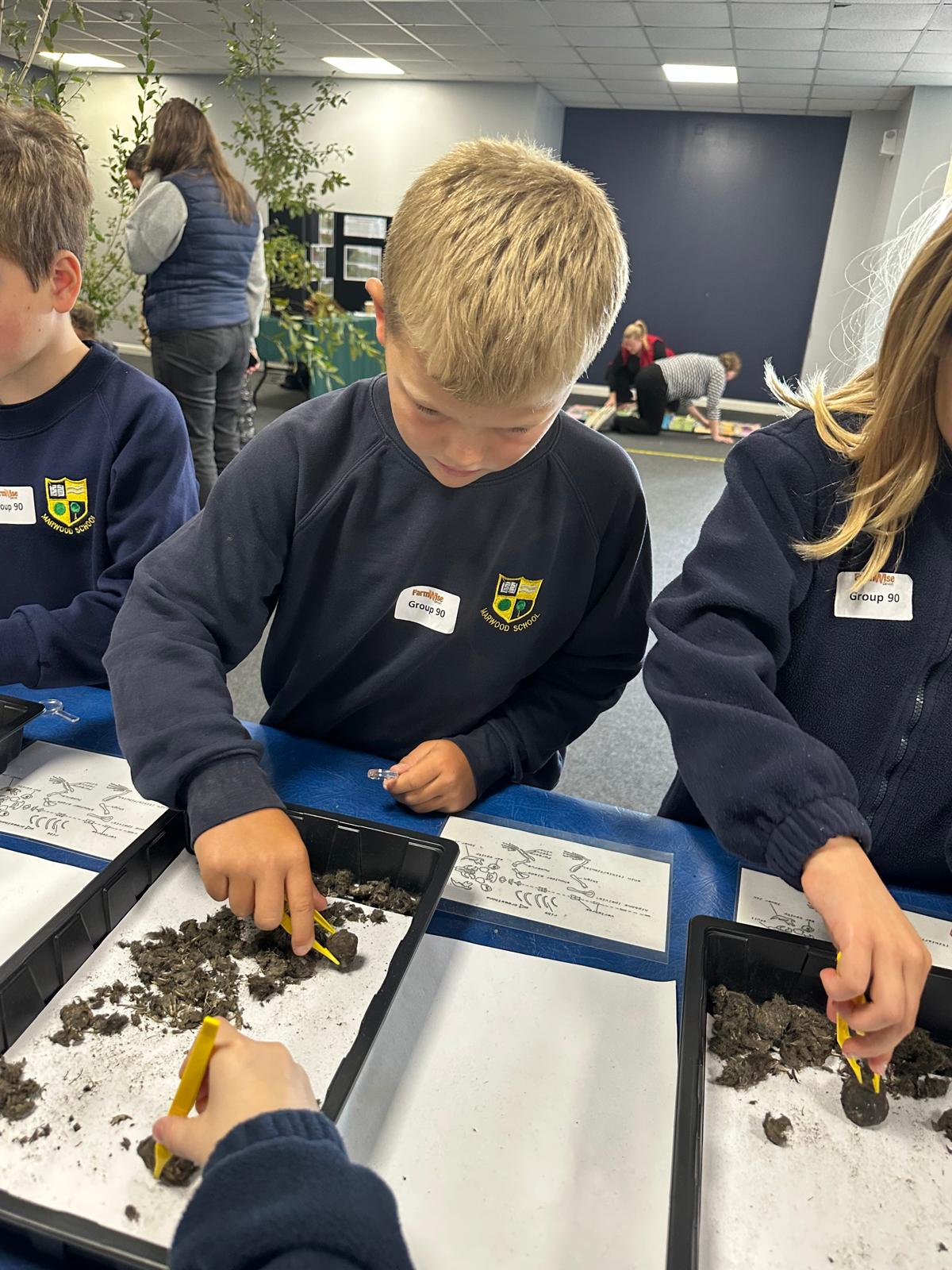
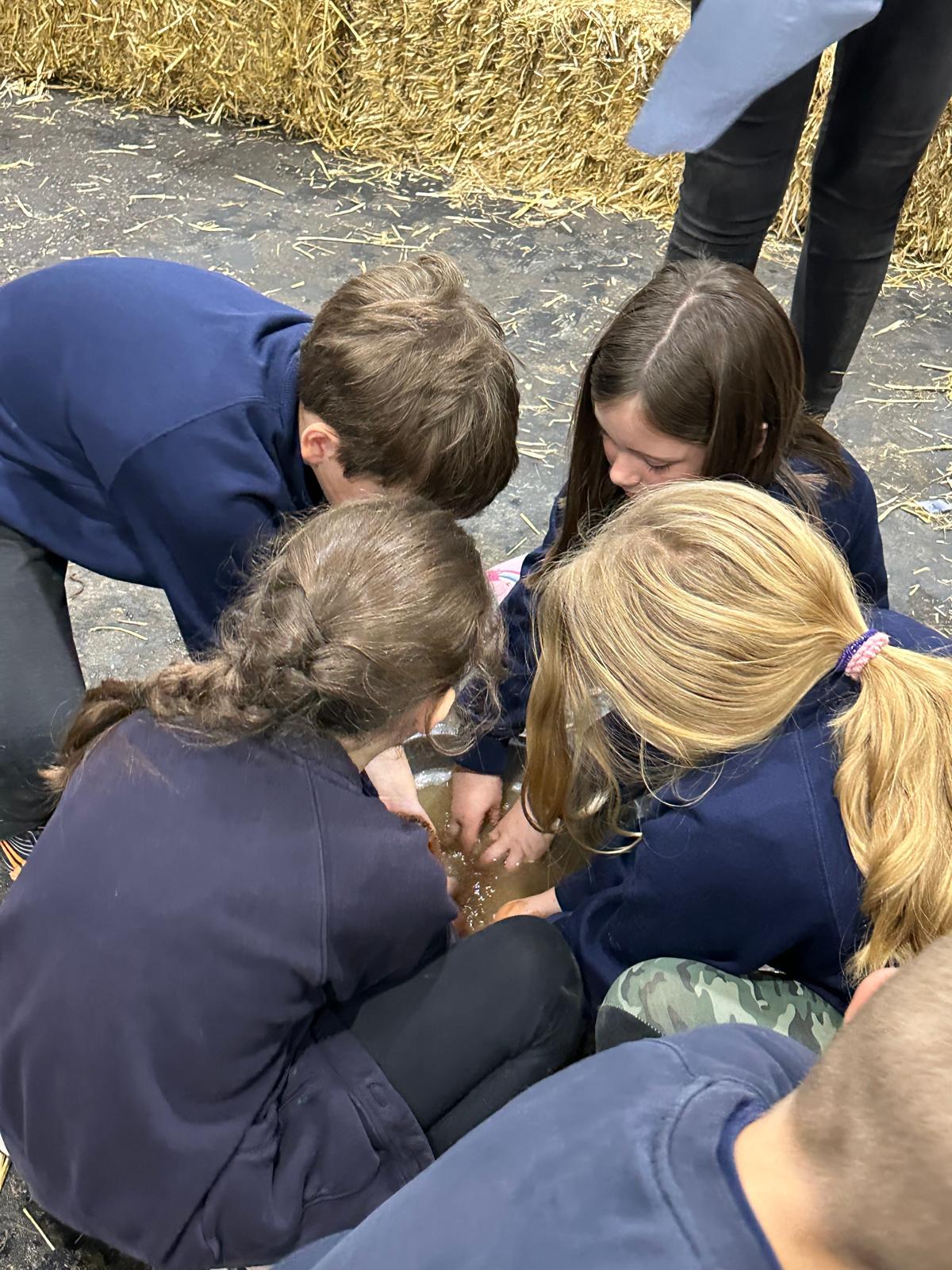
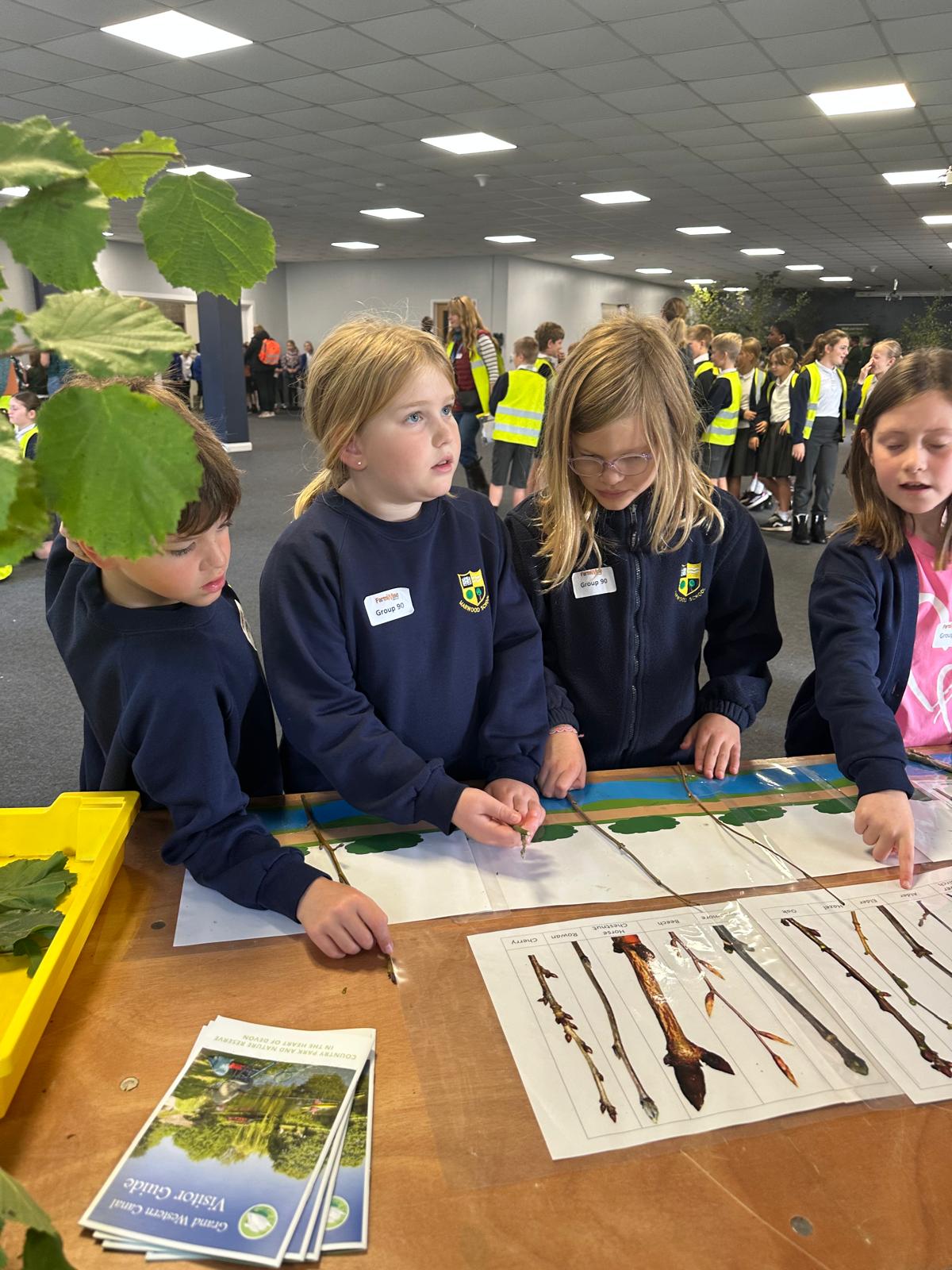
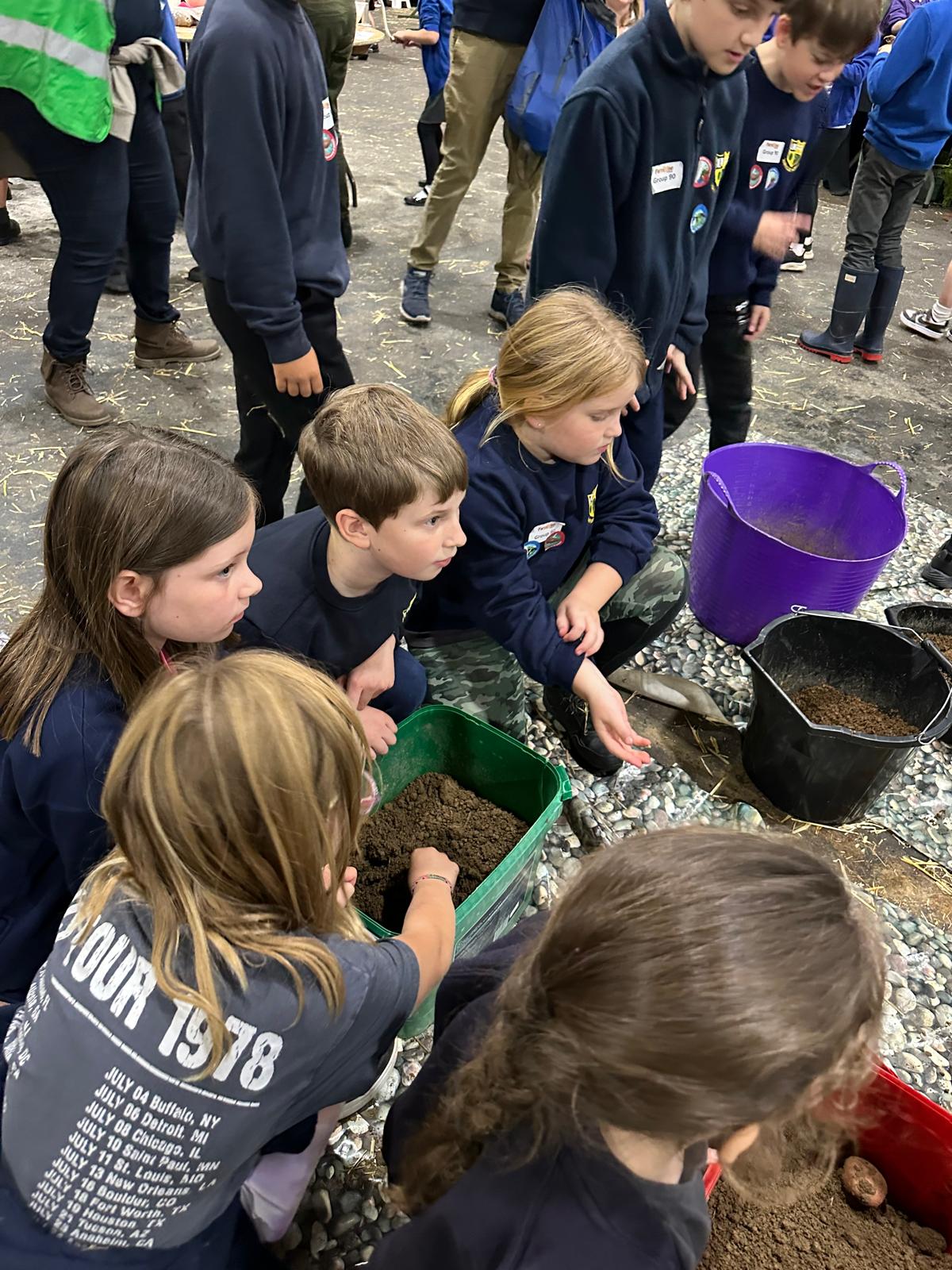
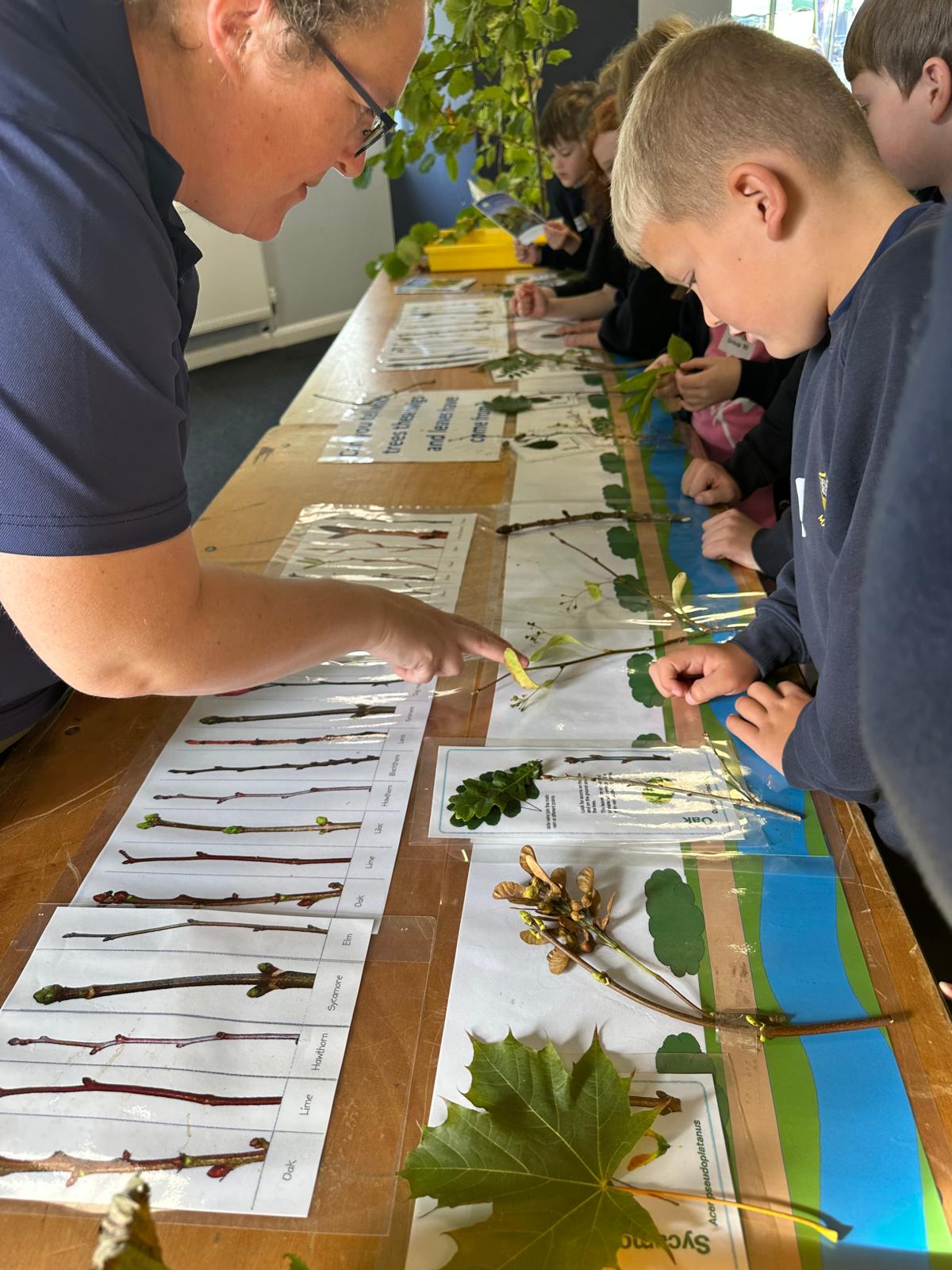
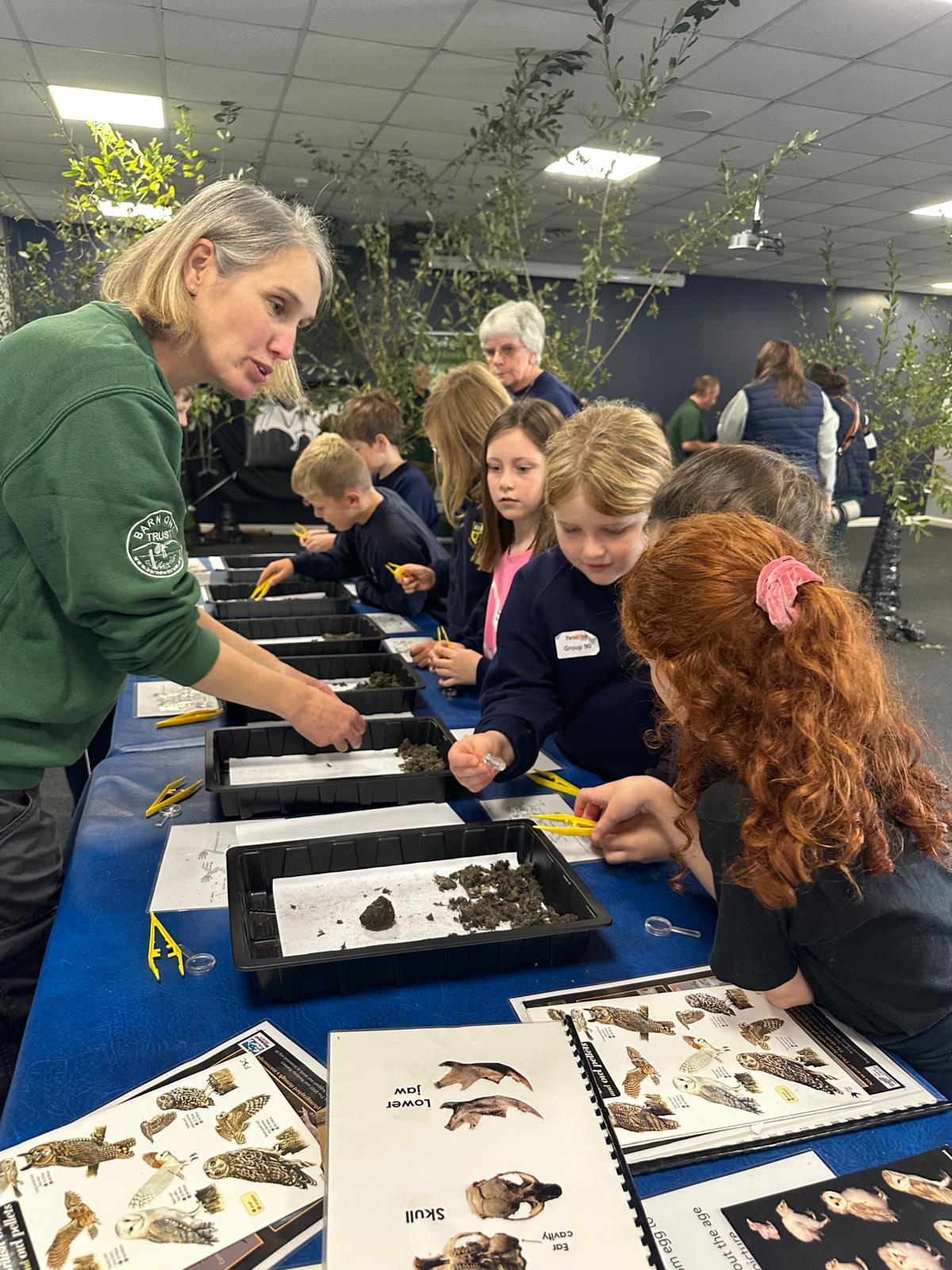
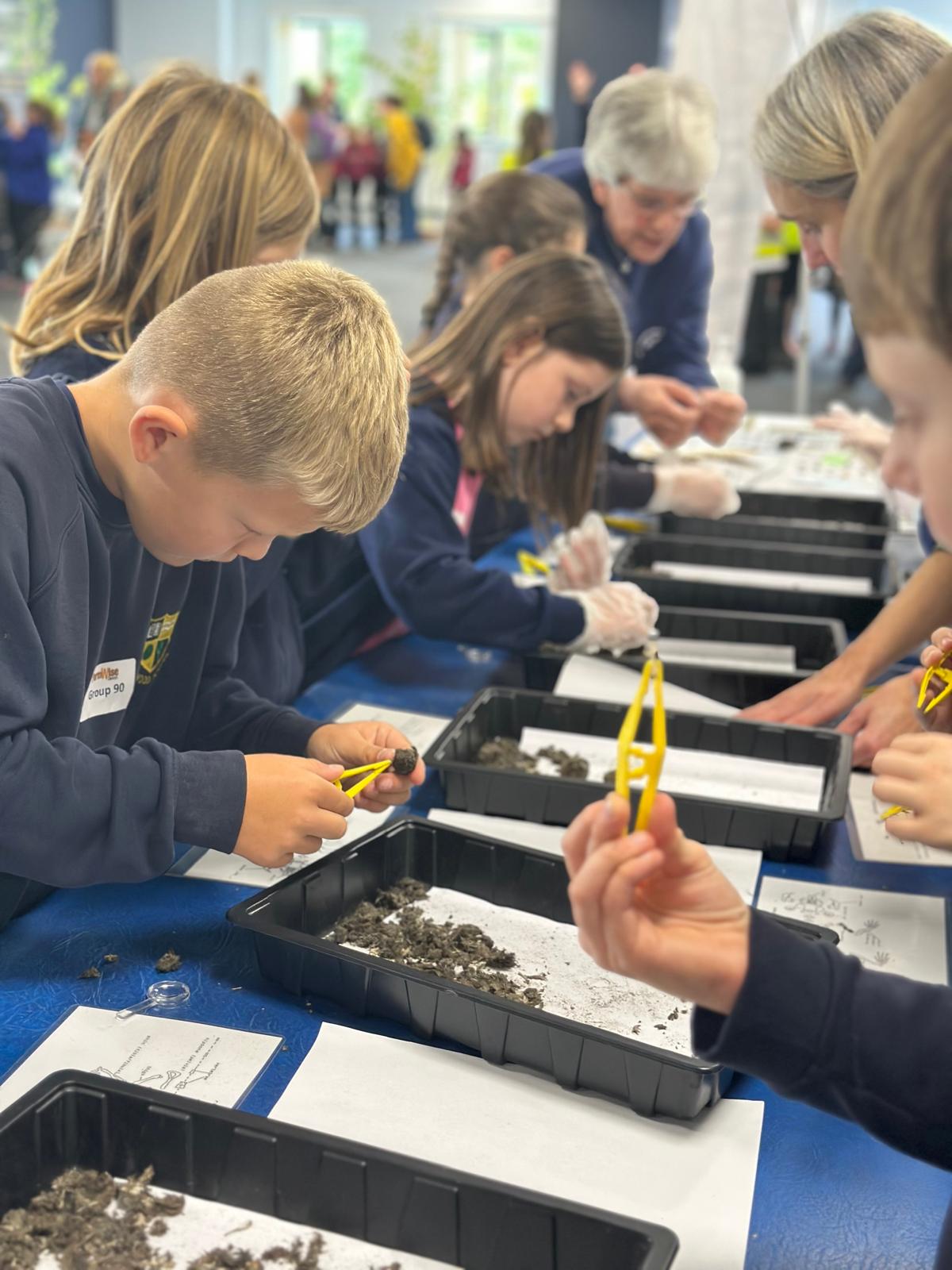
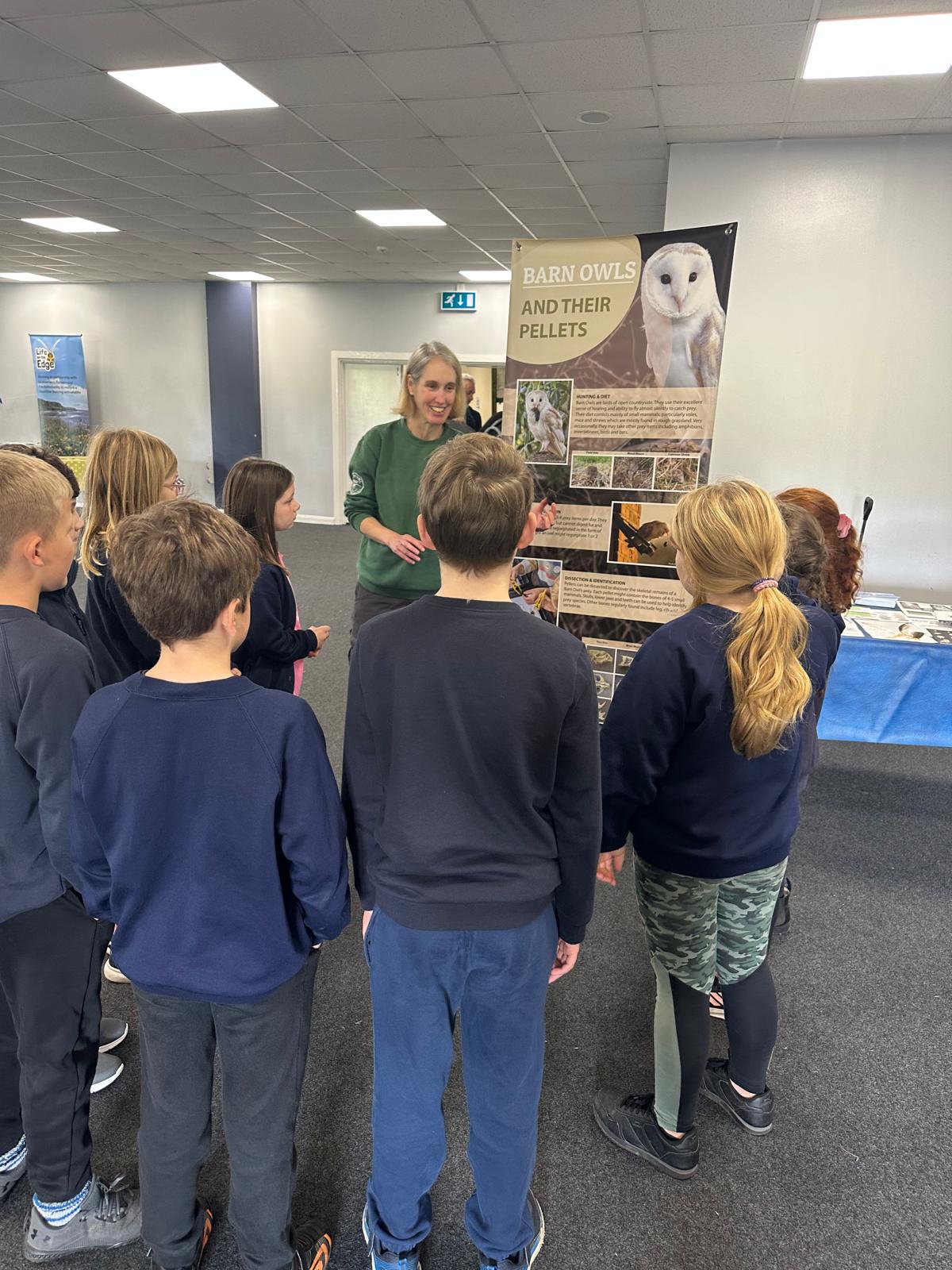
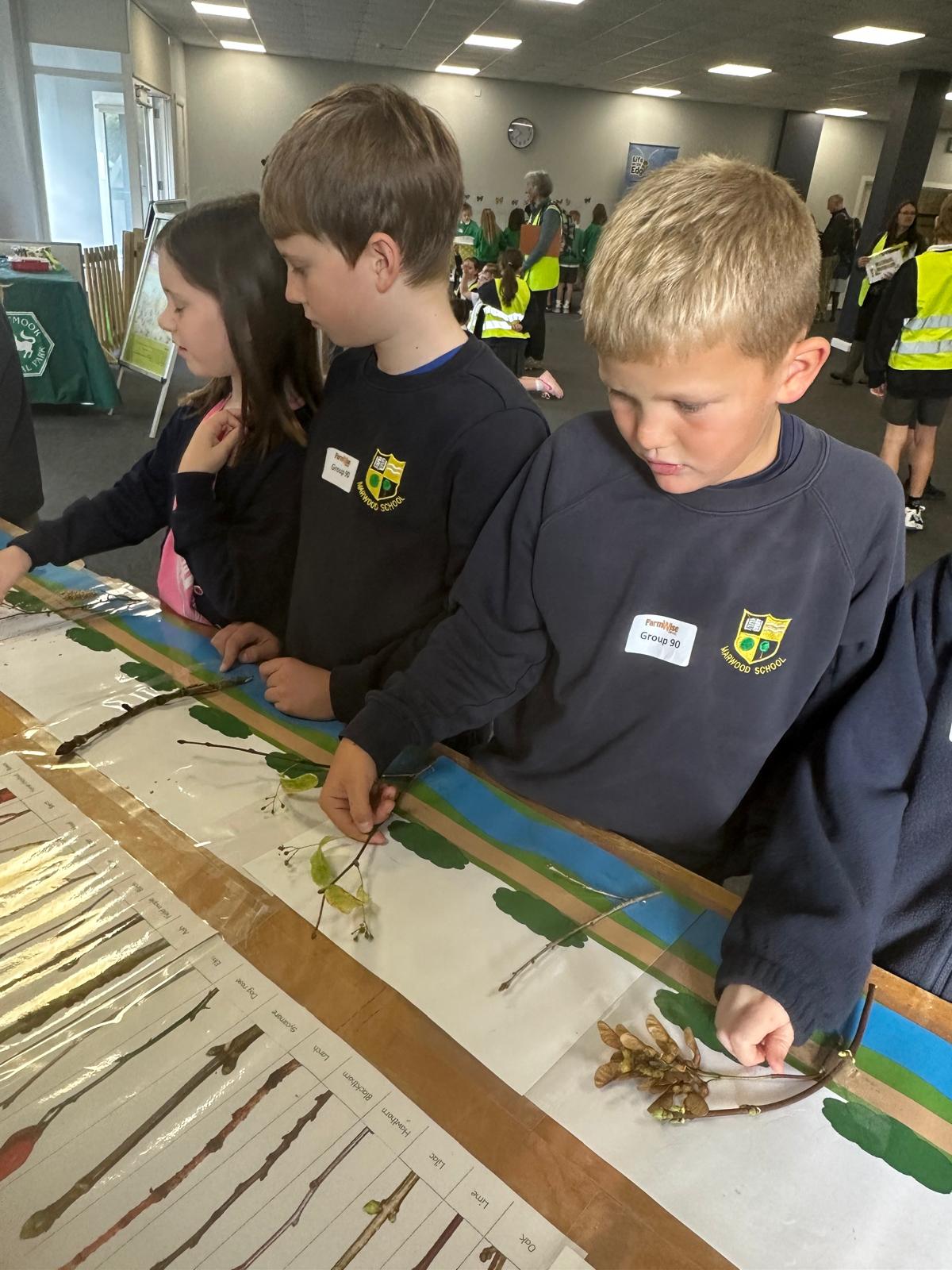
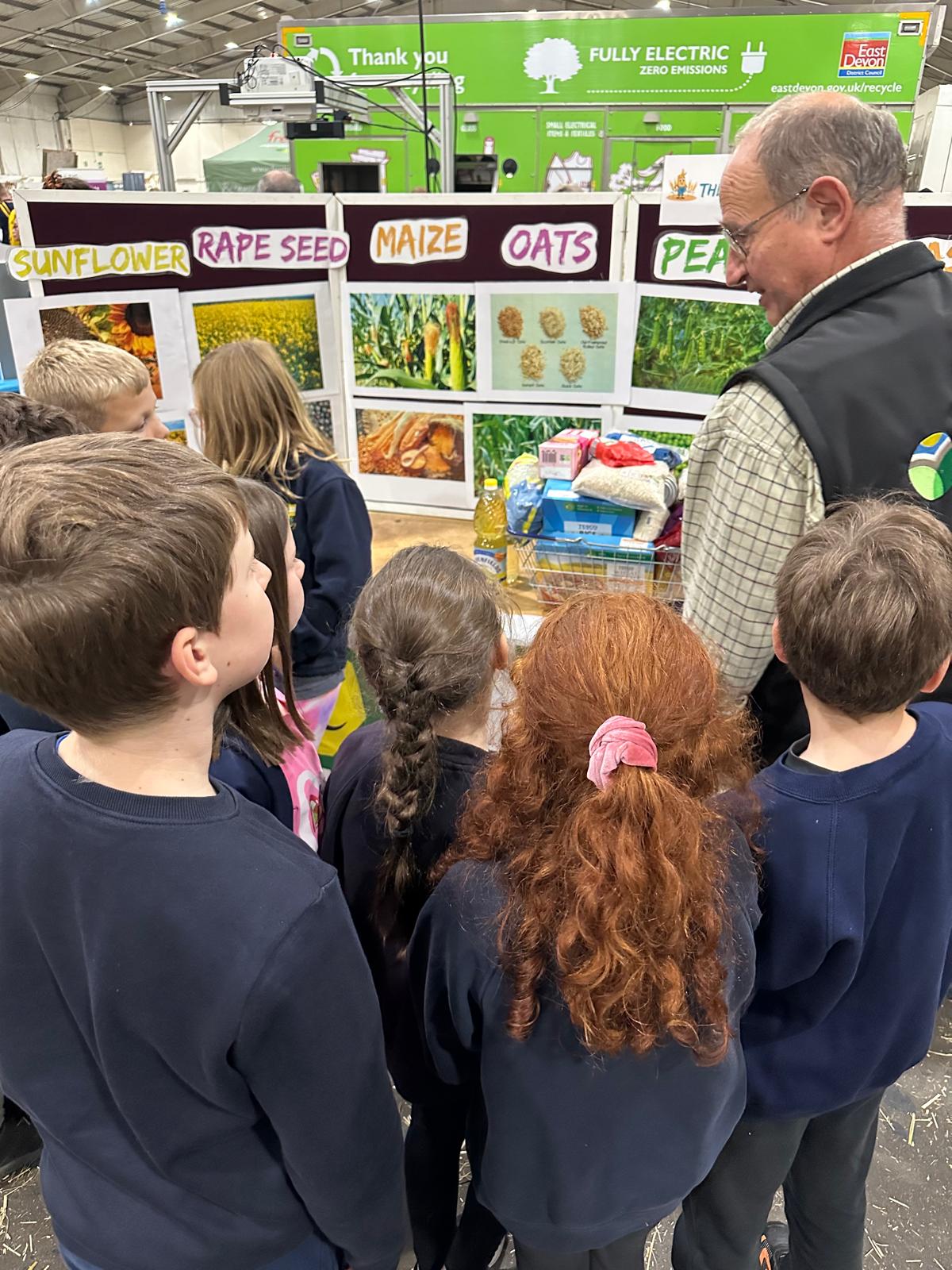
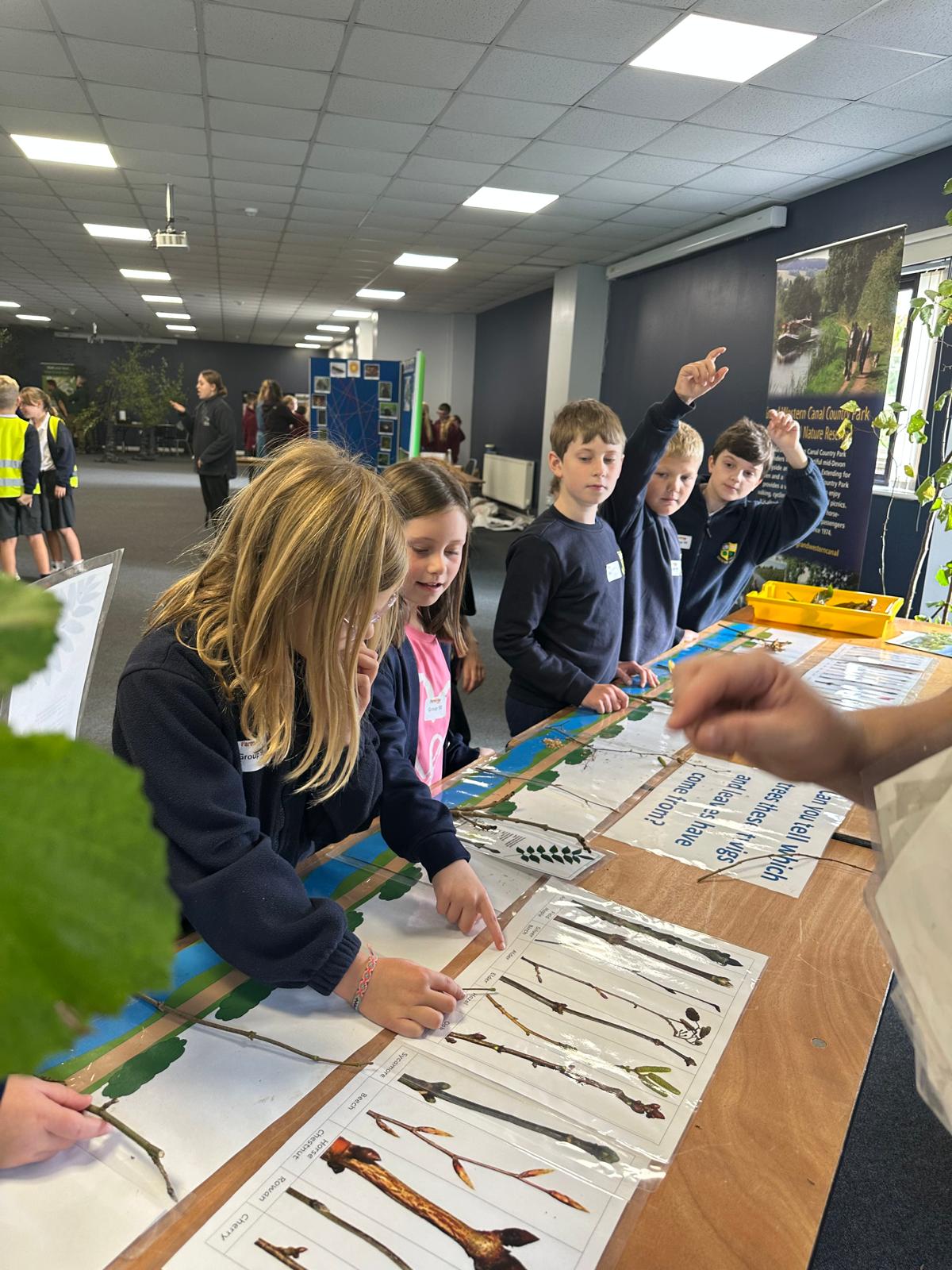
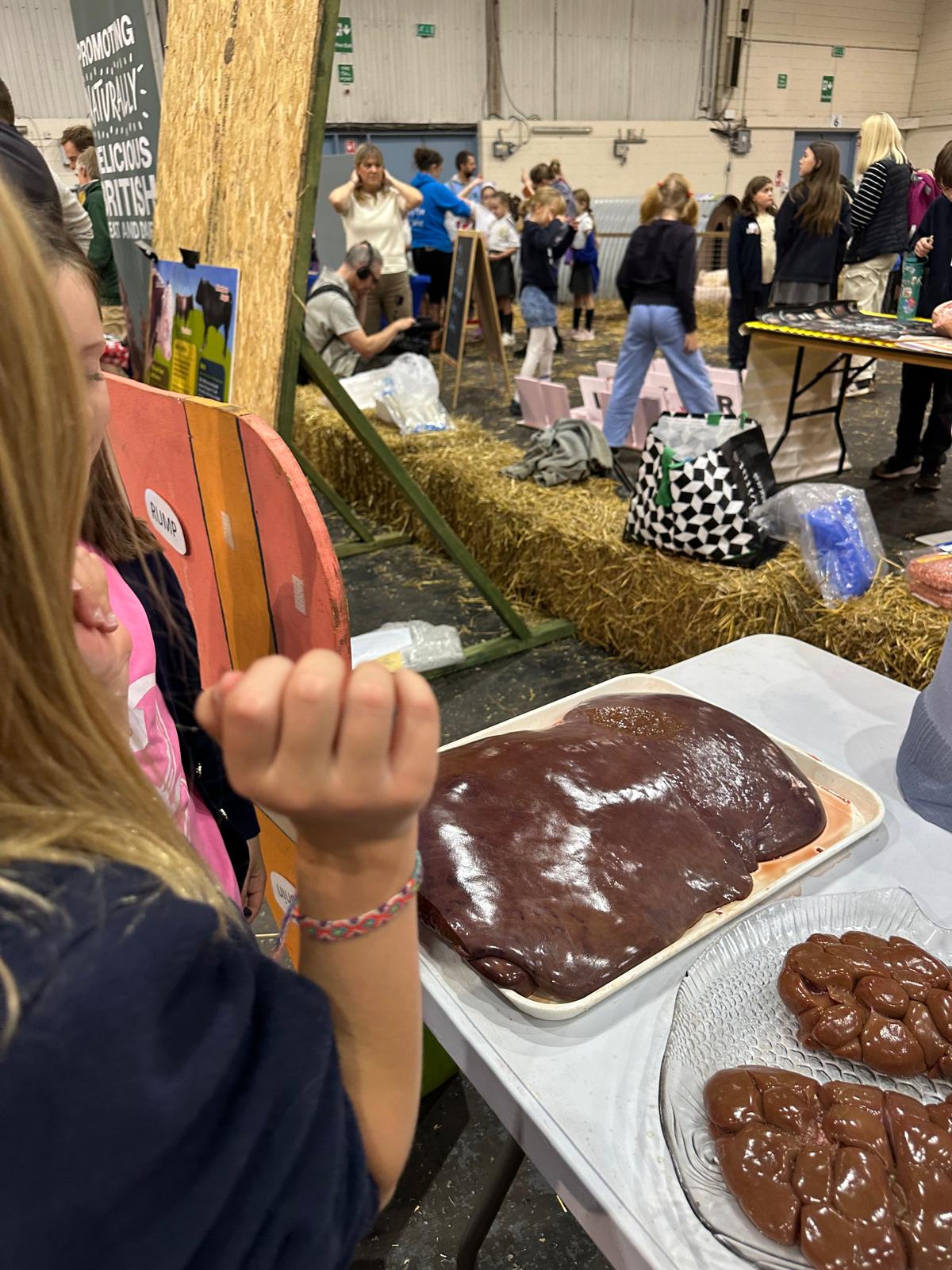
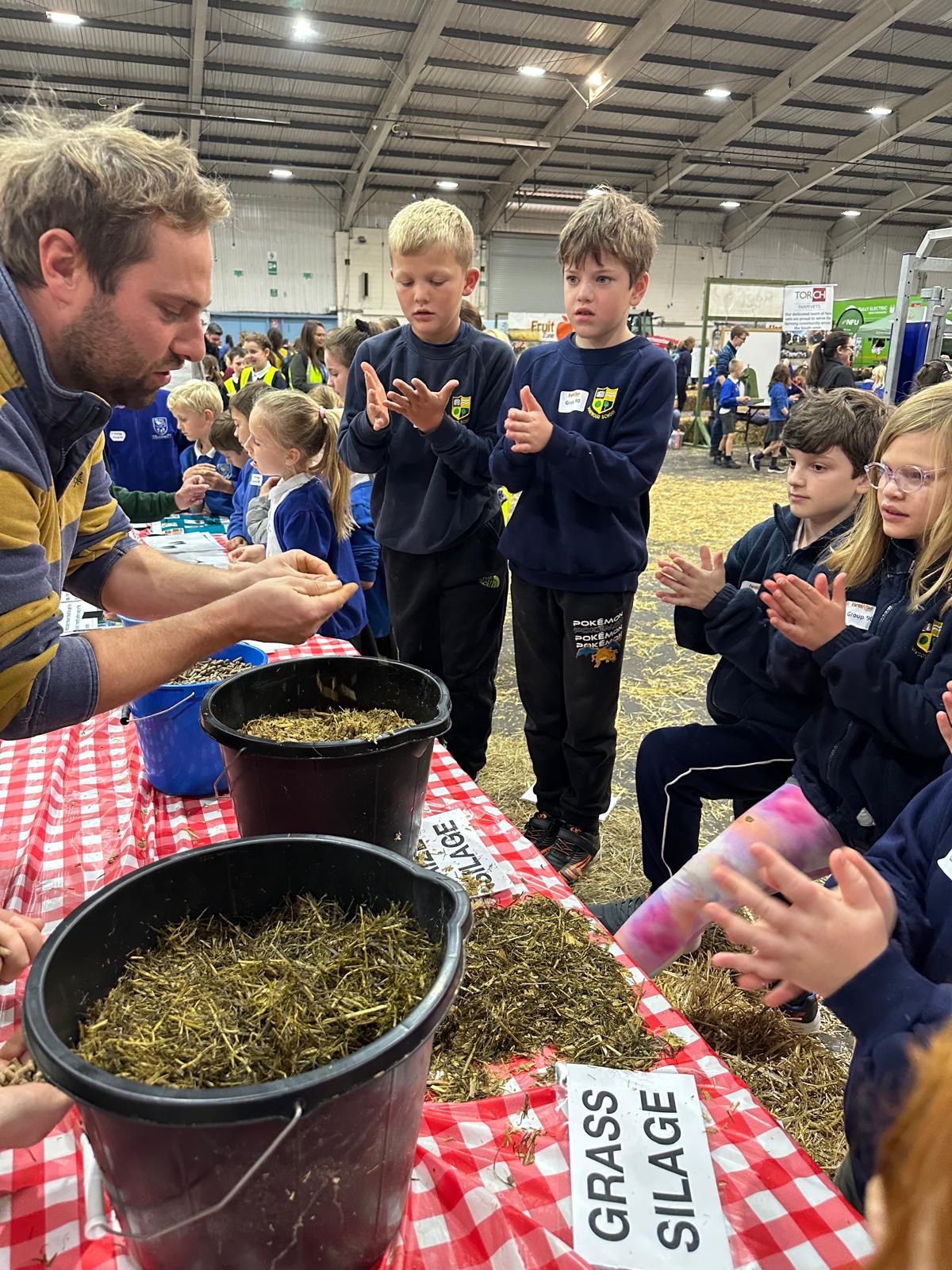
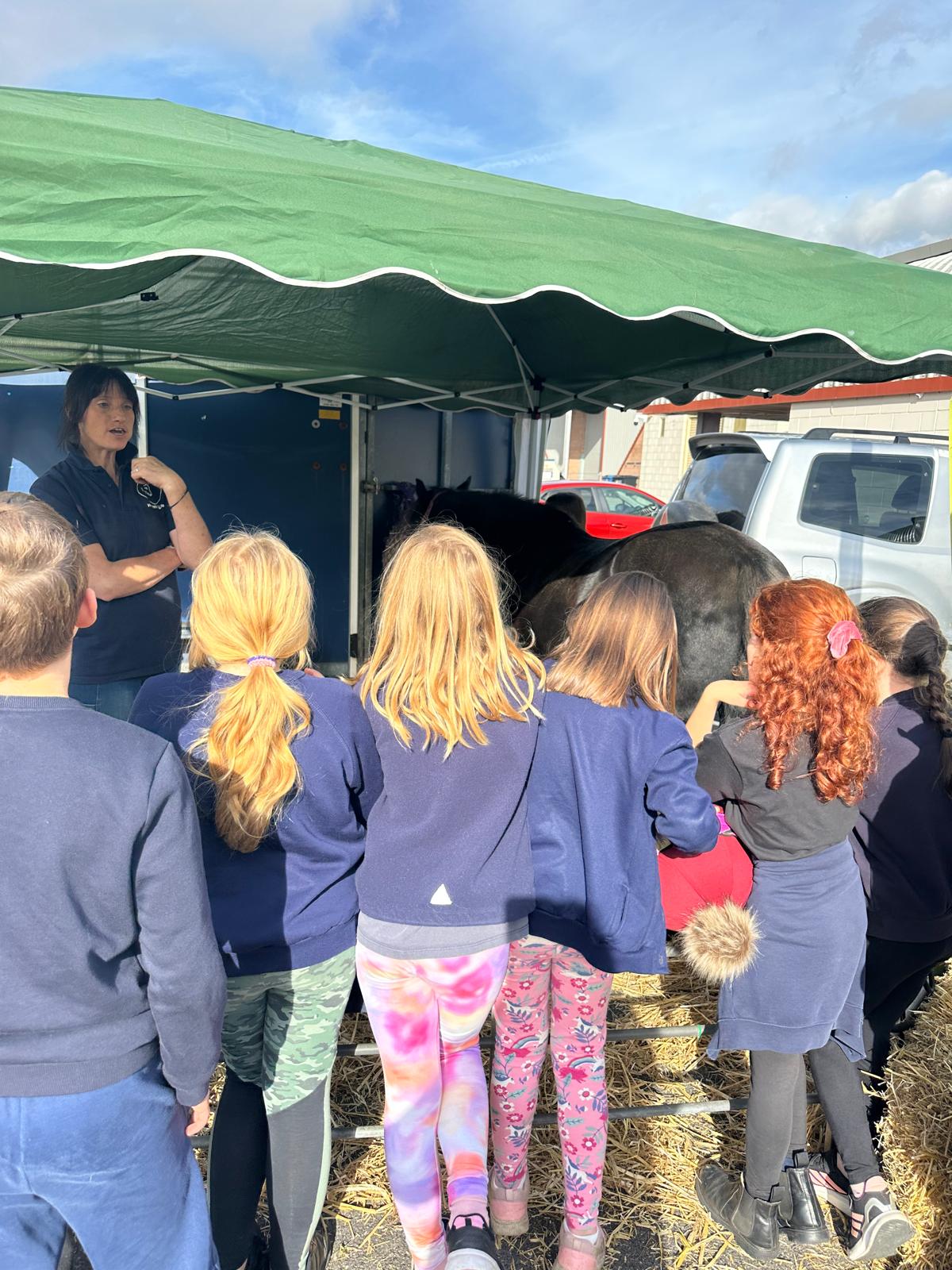
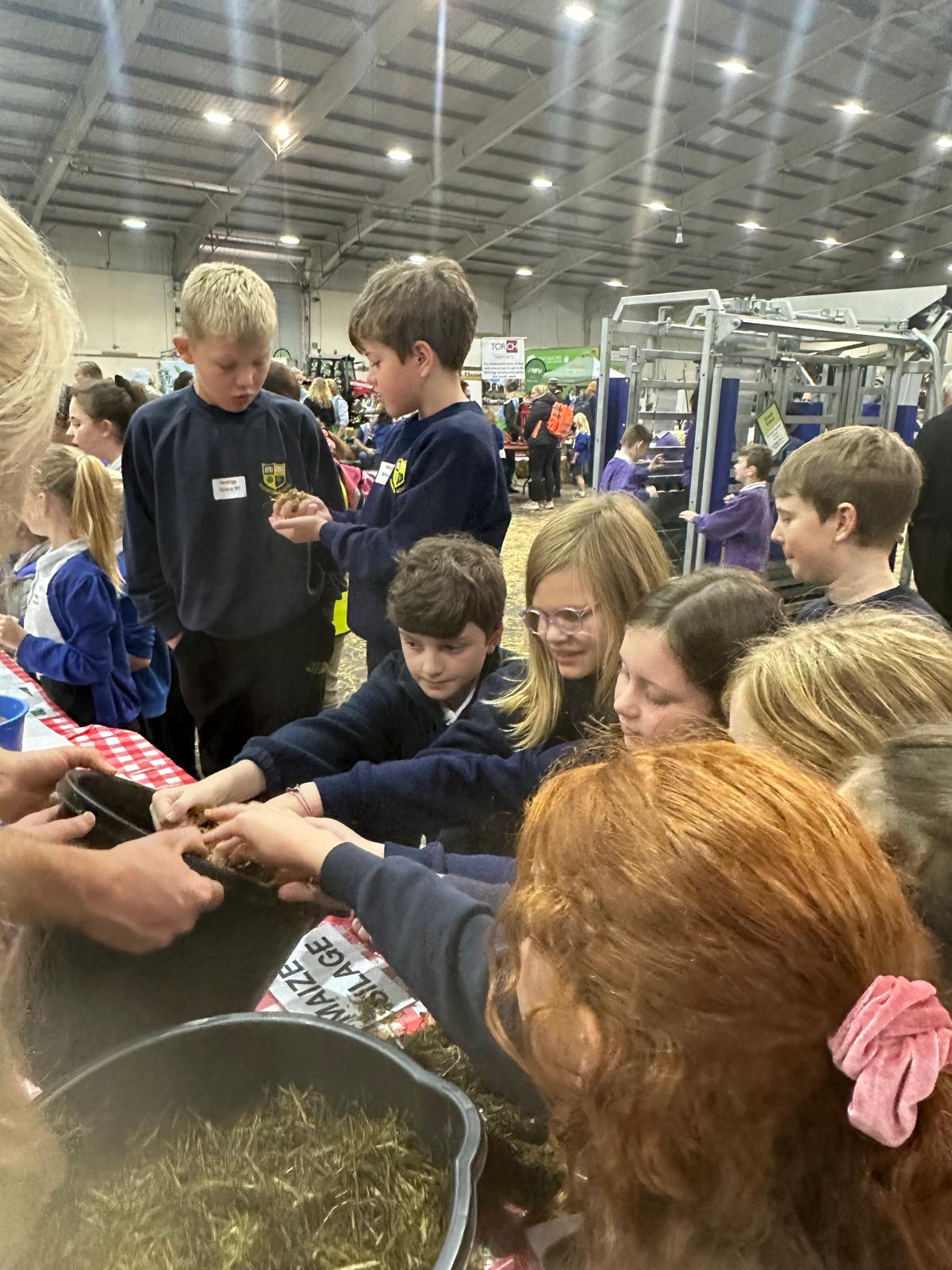
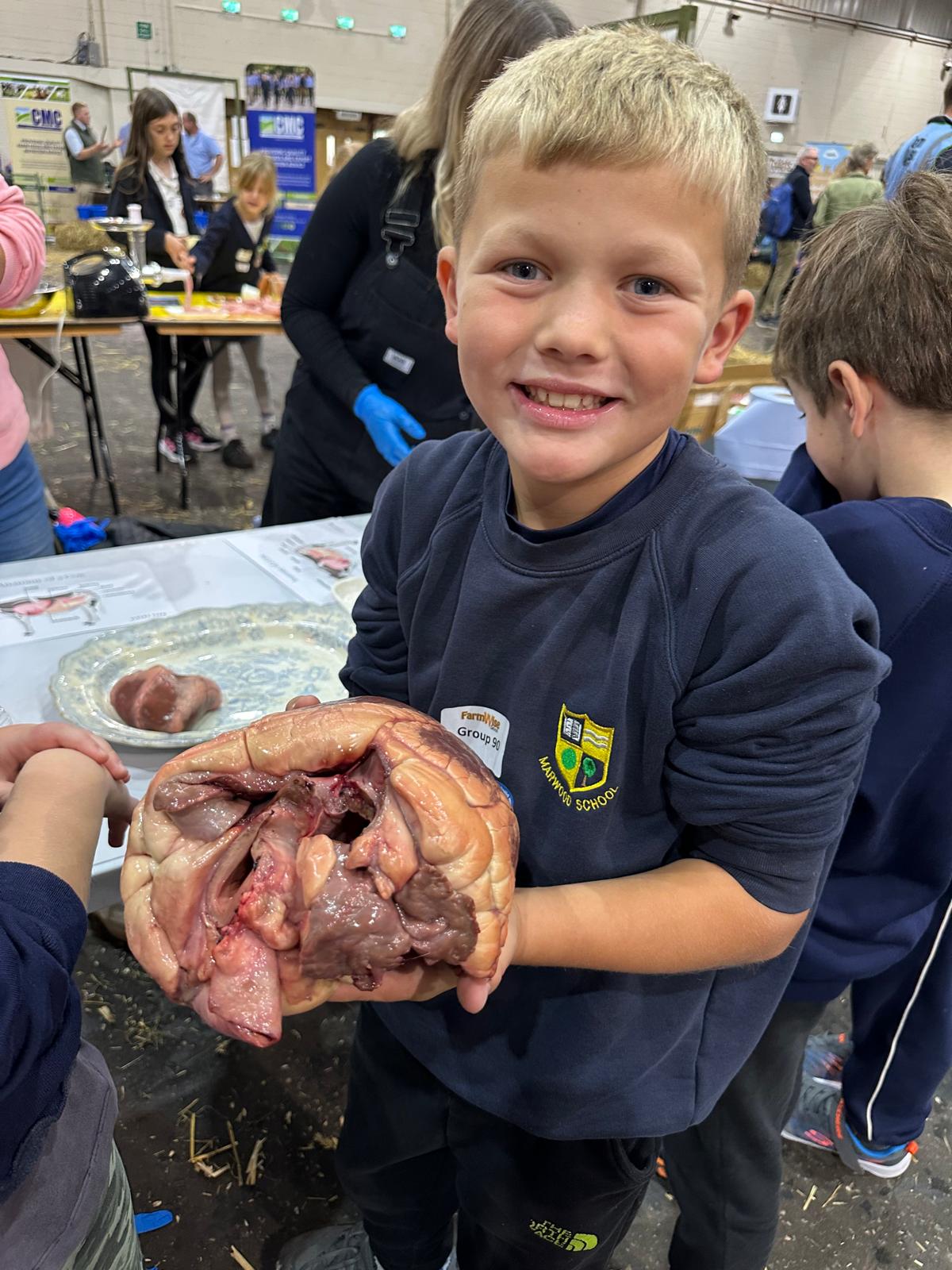
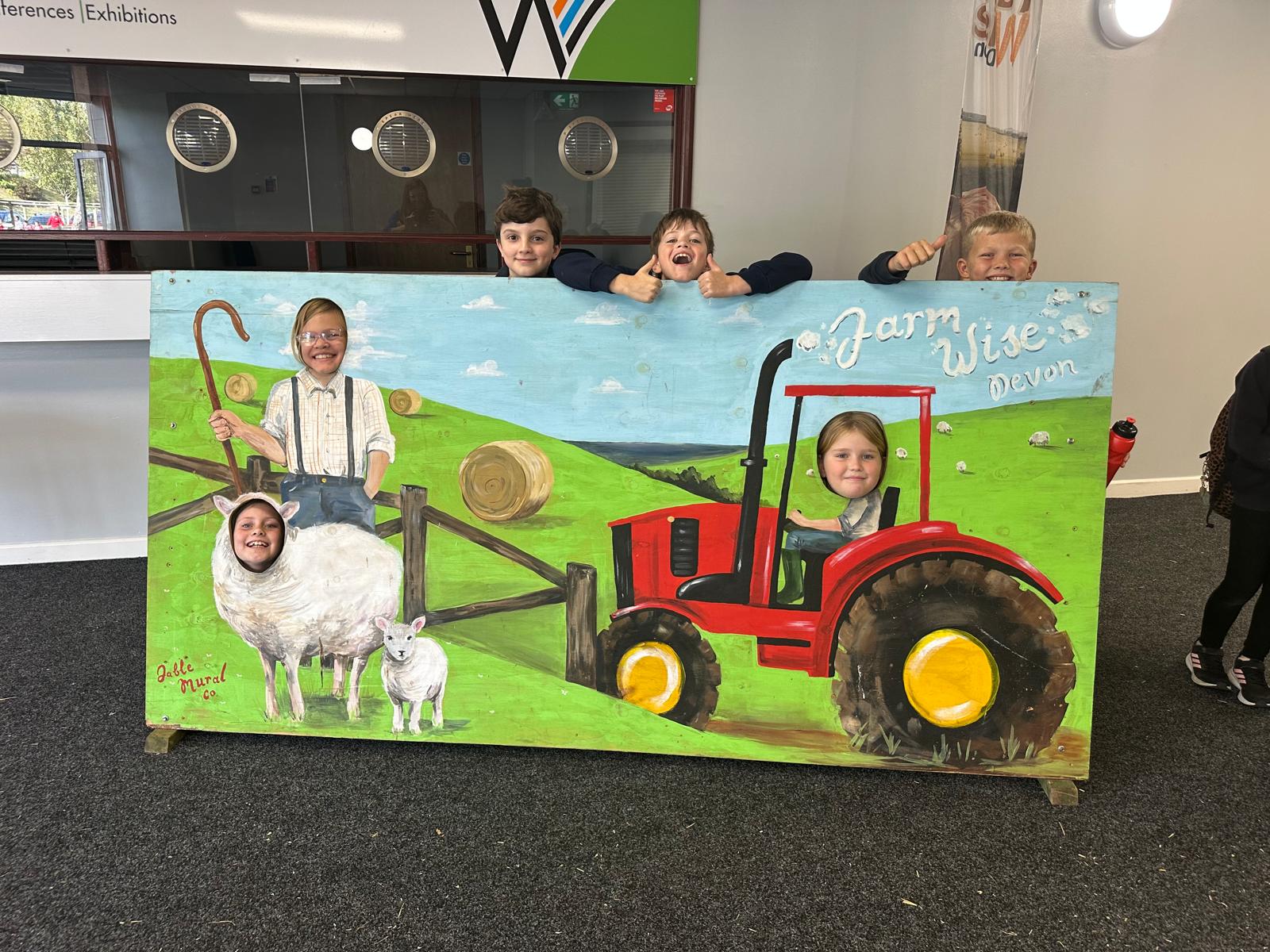
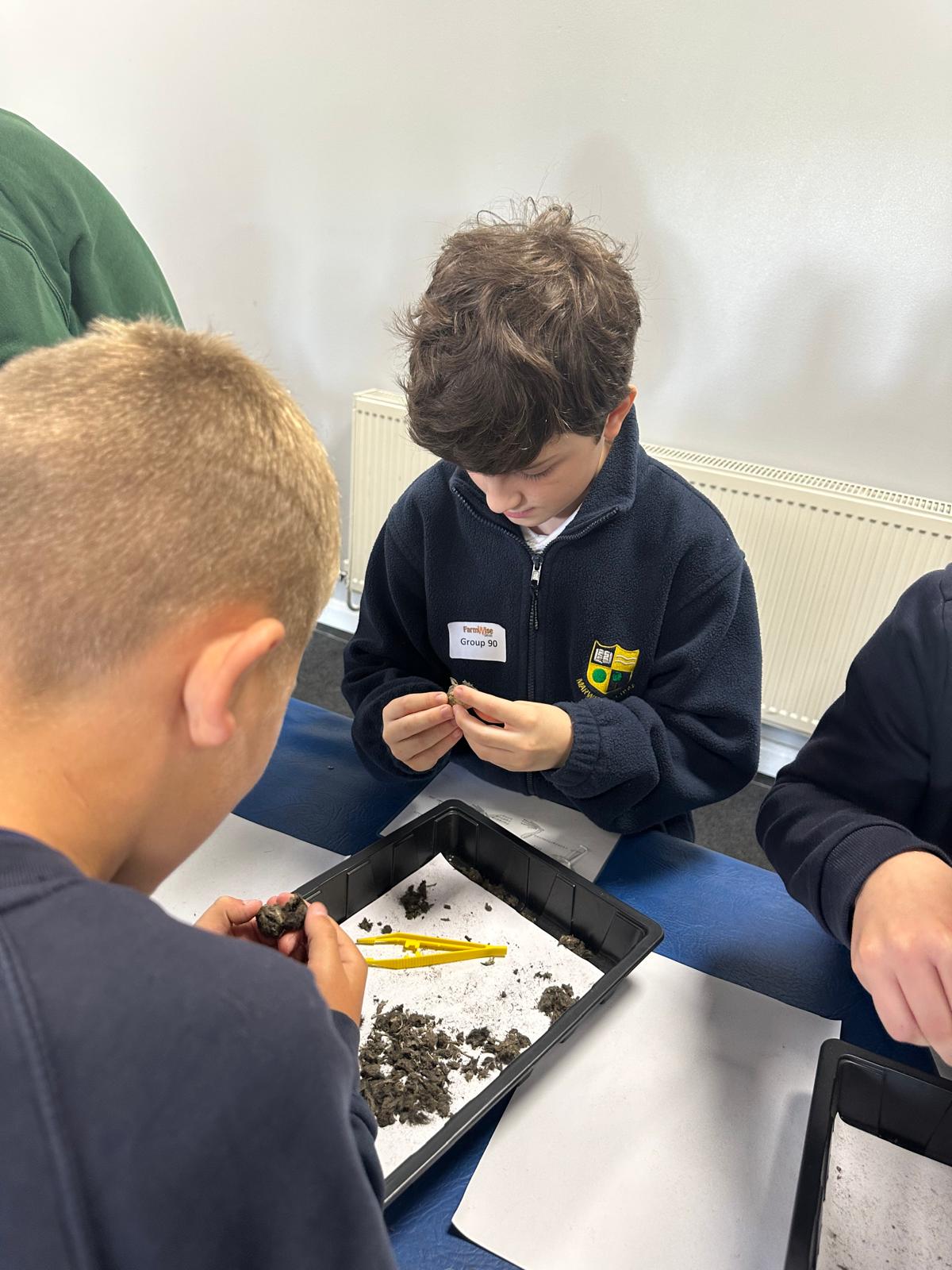
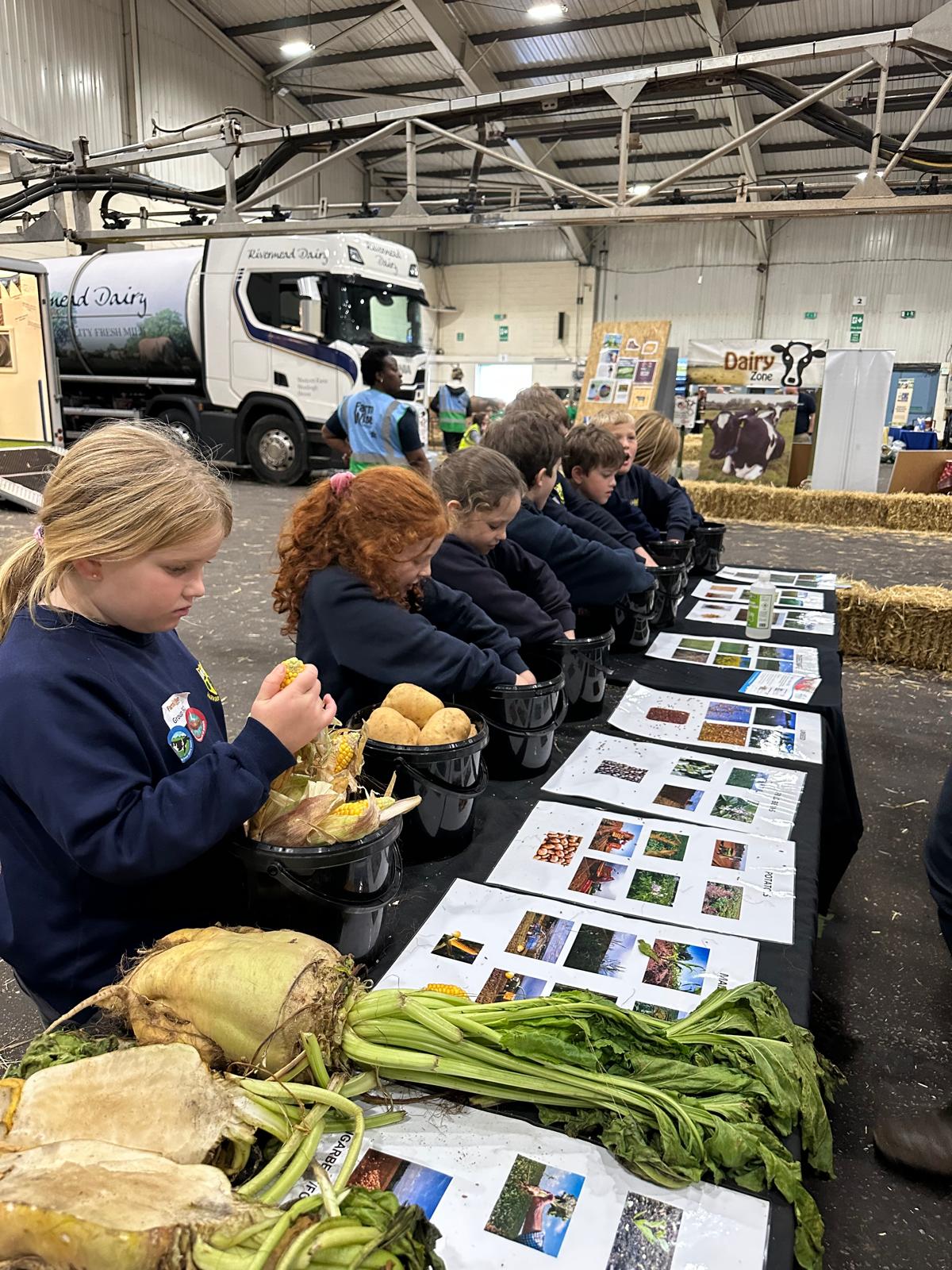
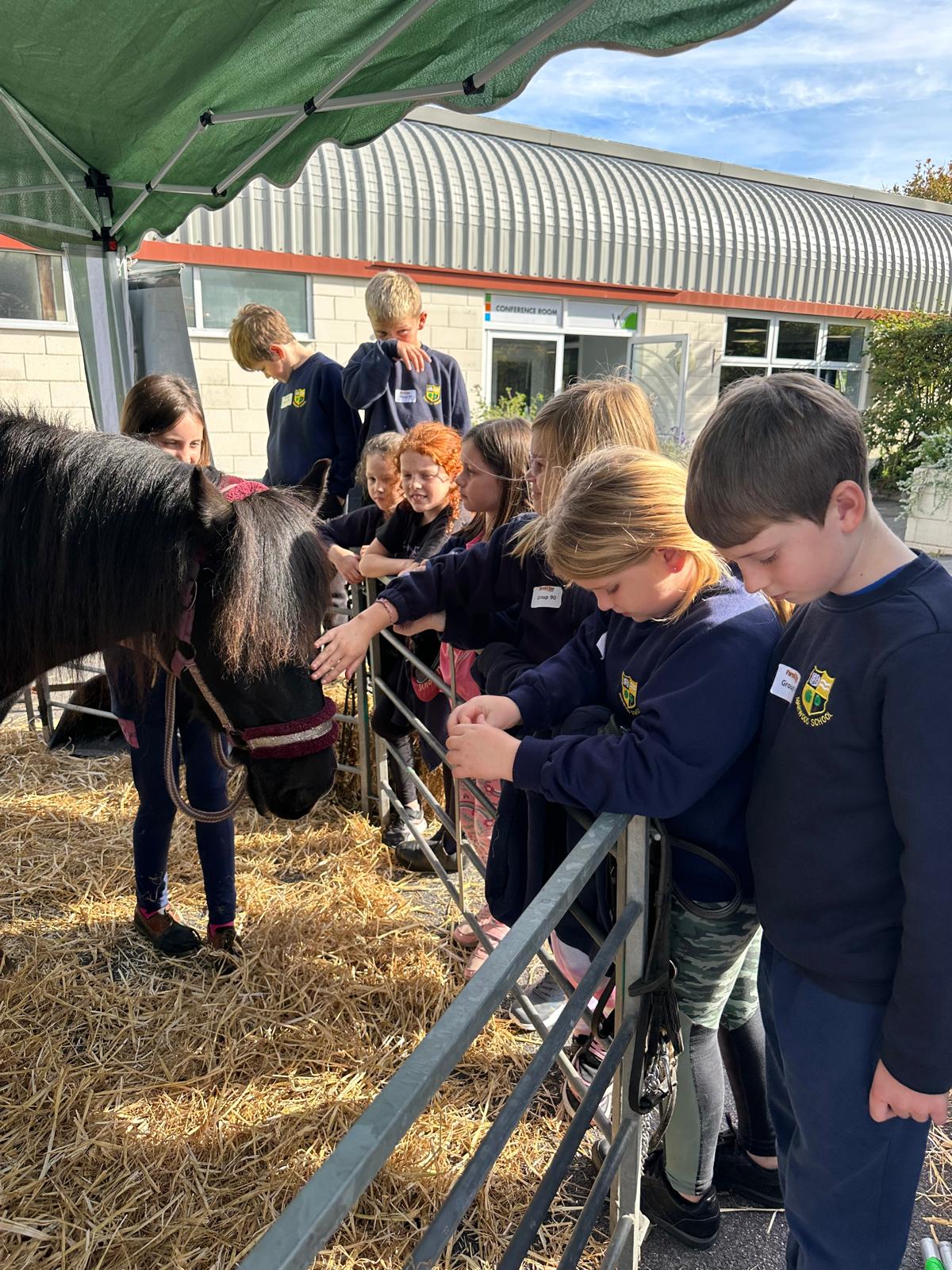
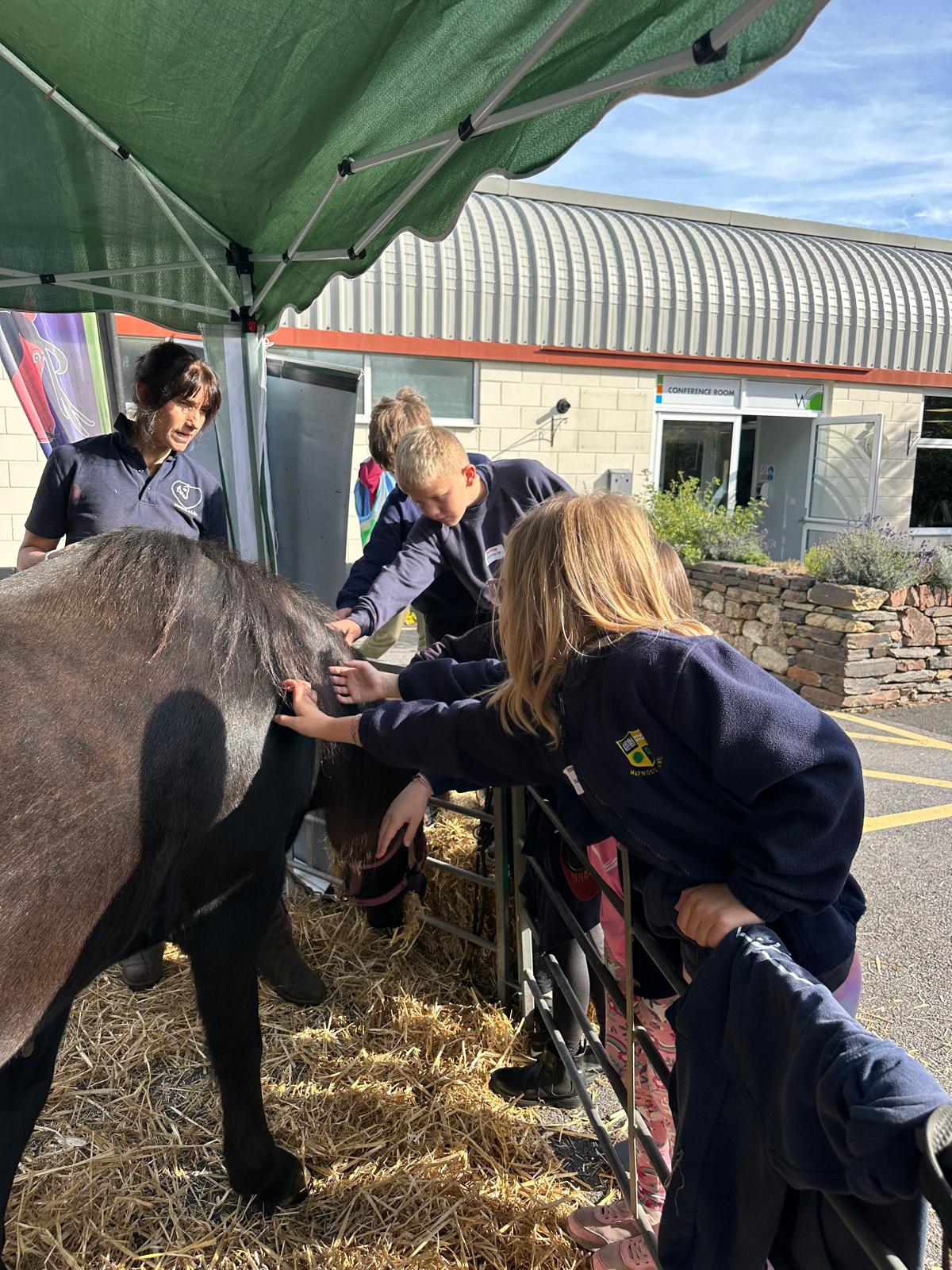
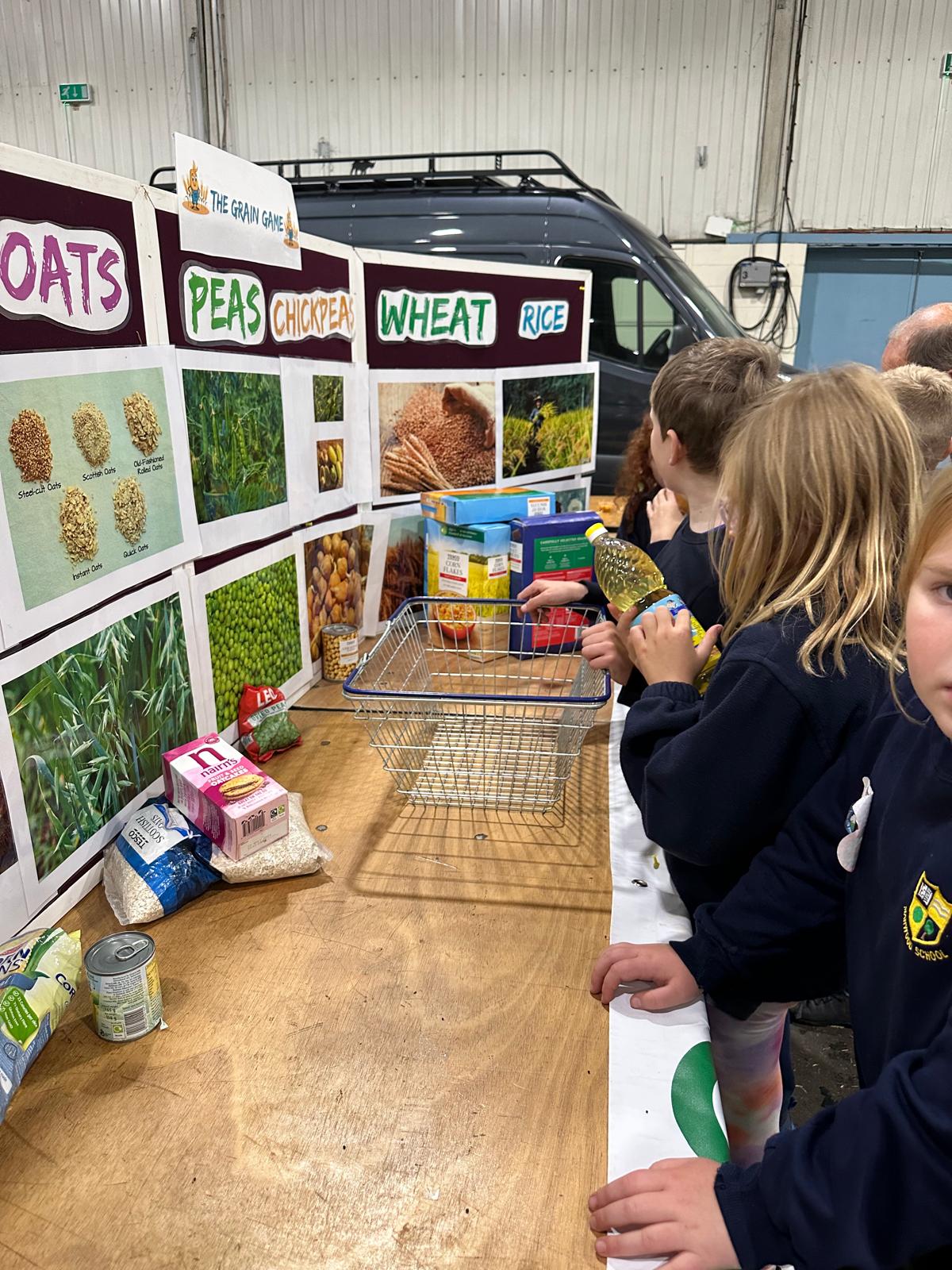
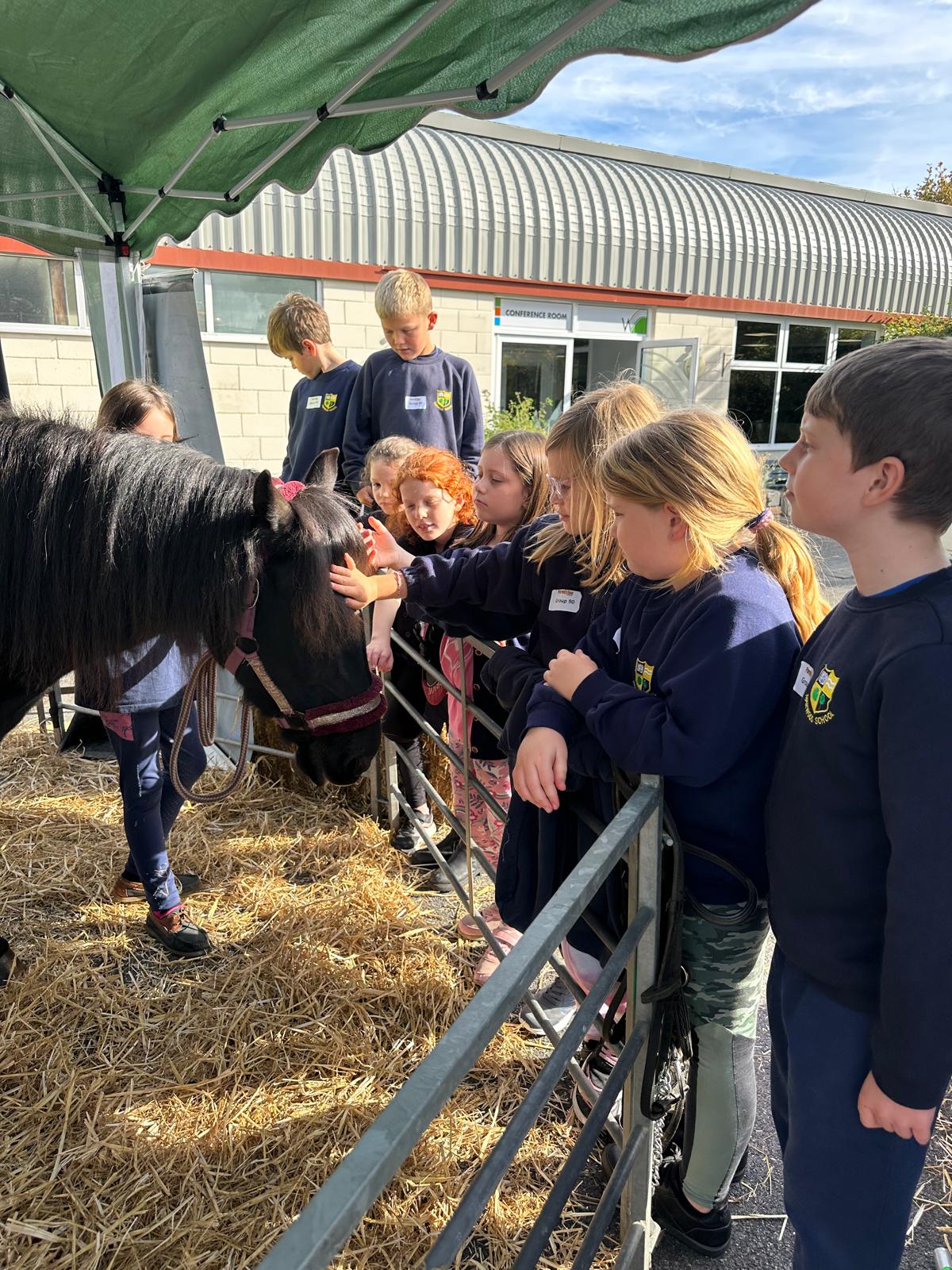
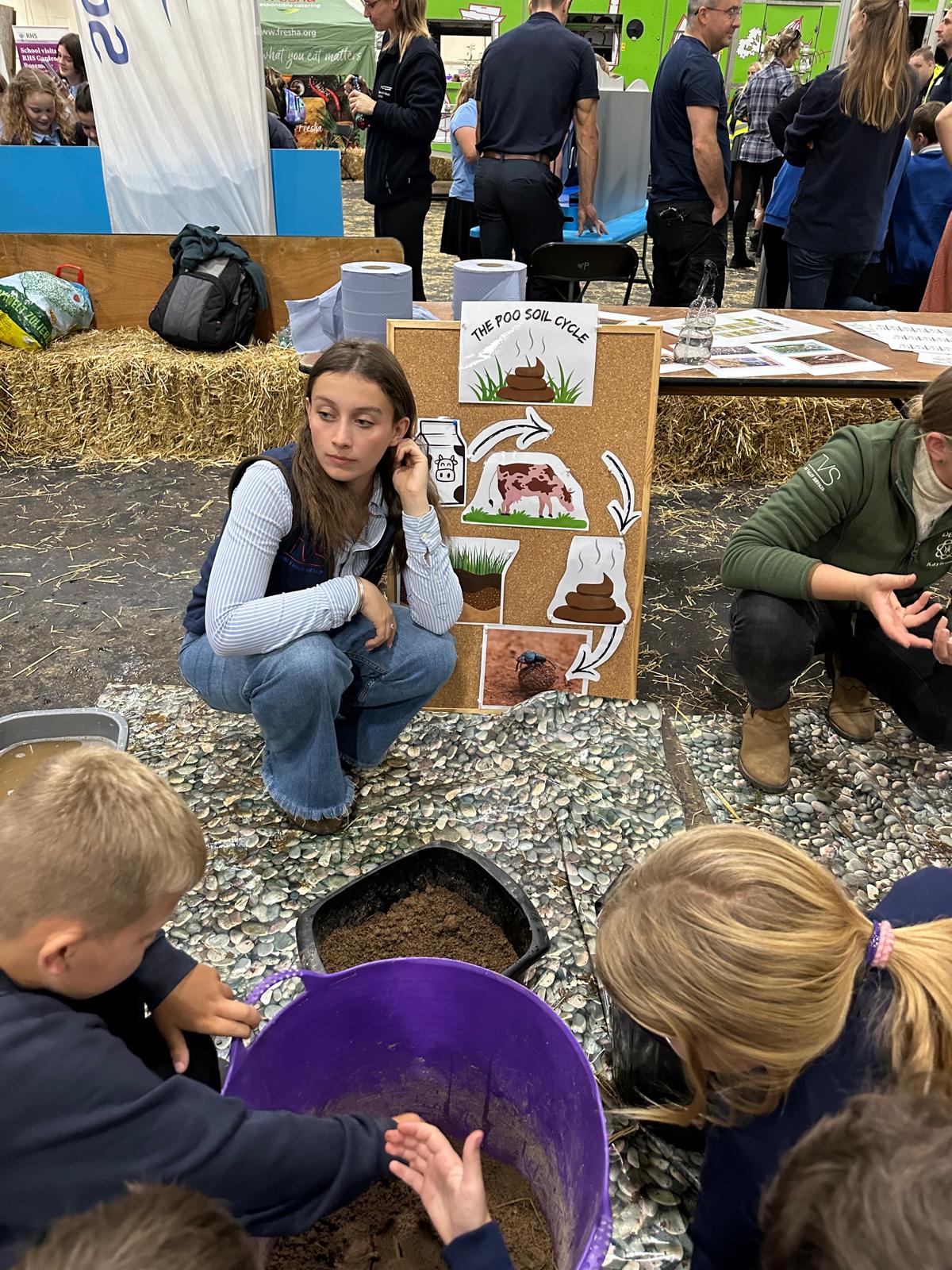
Farmwise visit in October 2025 to understand the importance of Science and Technology in local and national farming
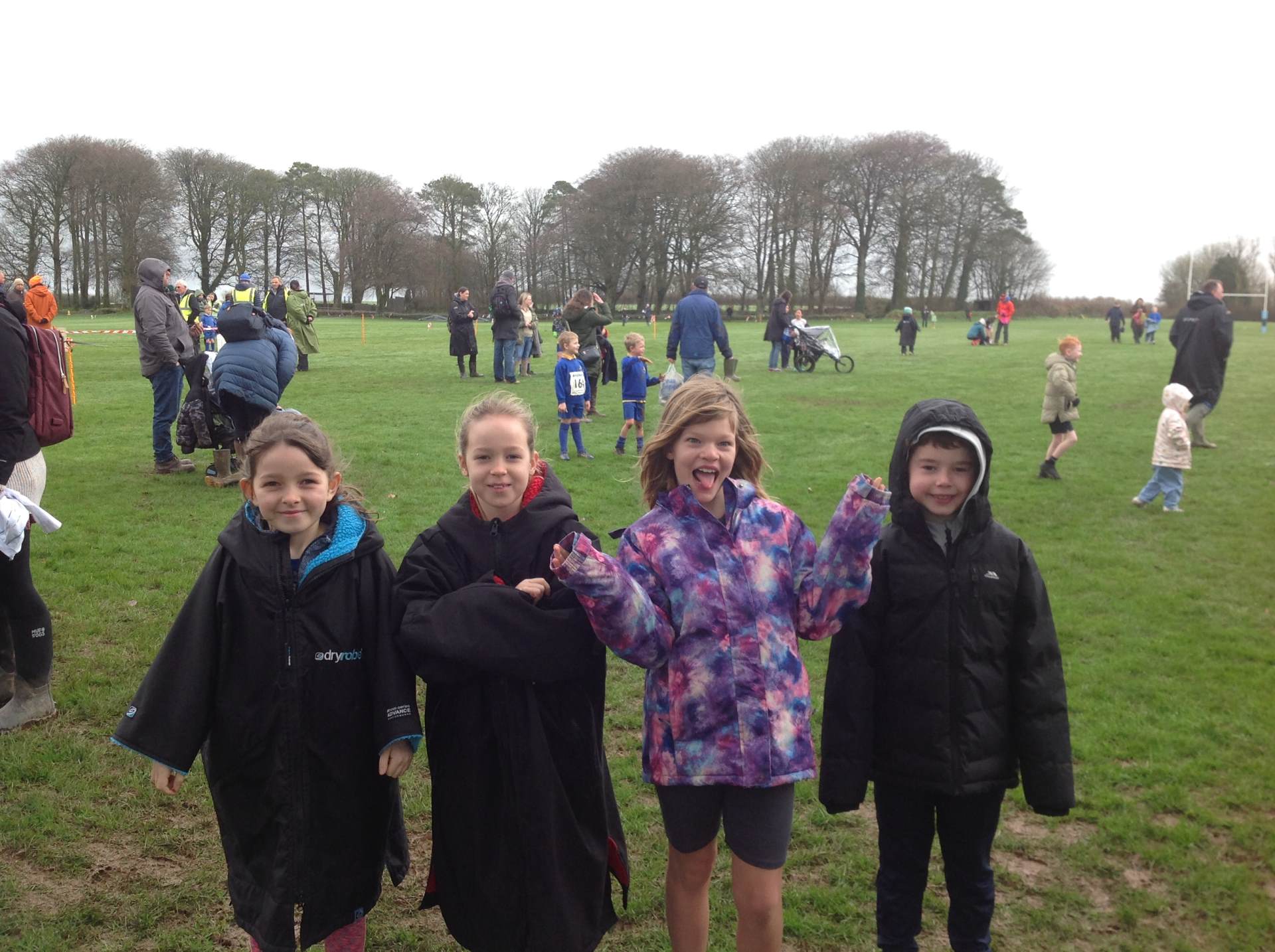
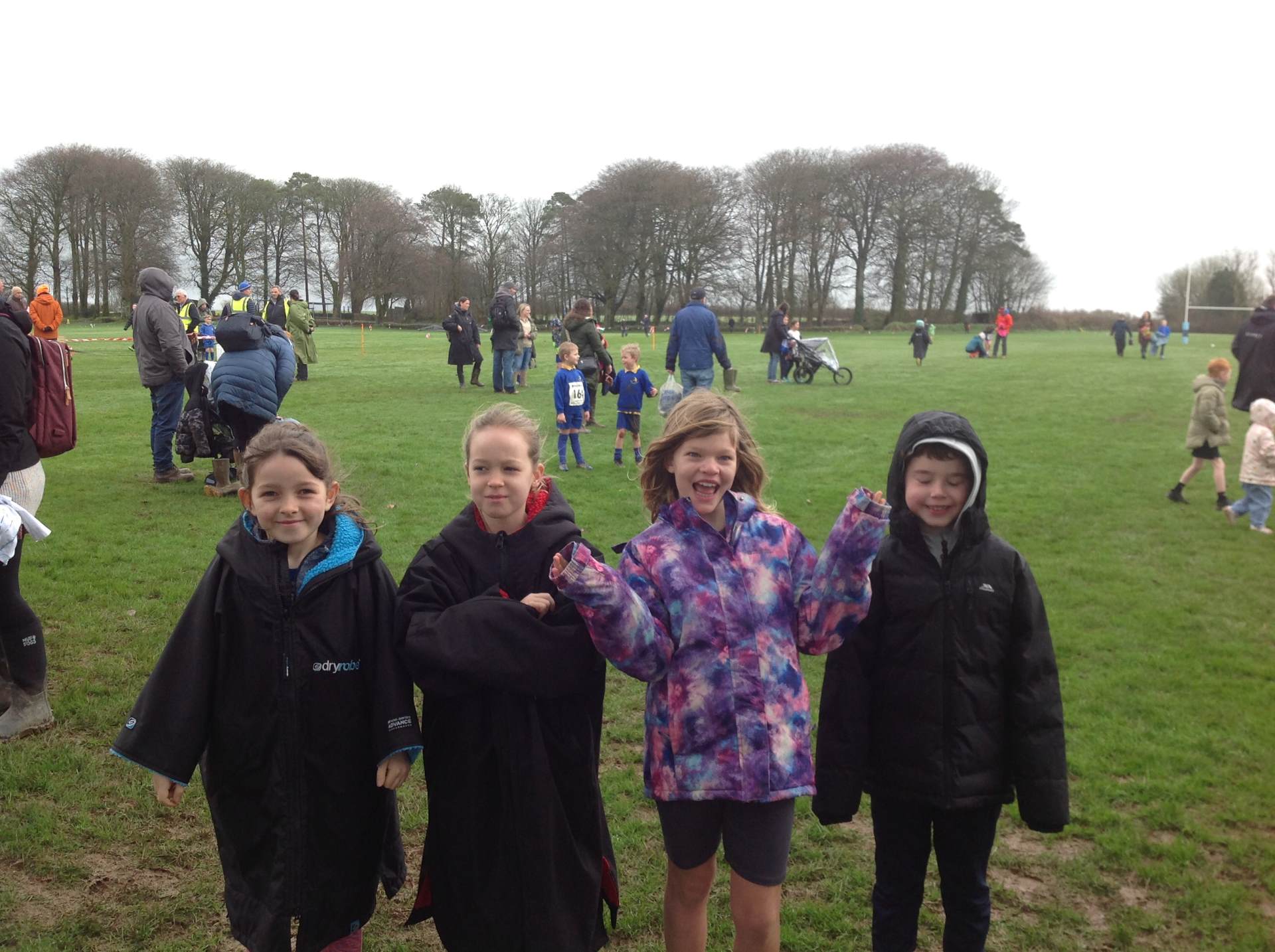
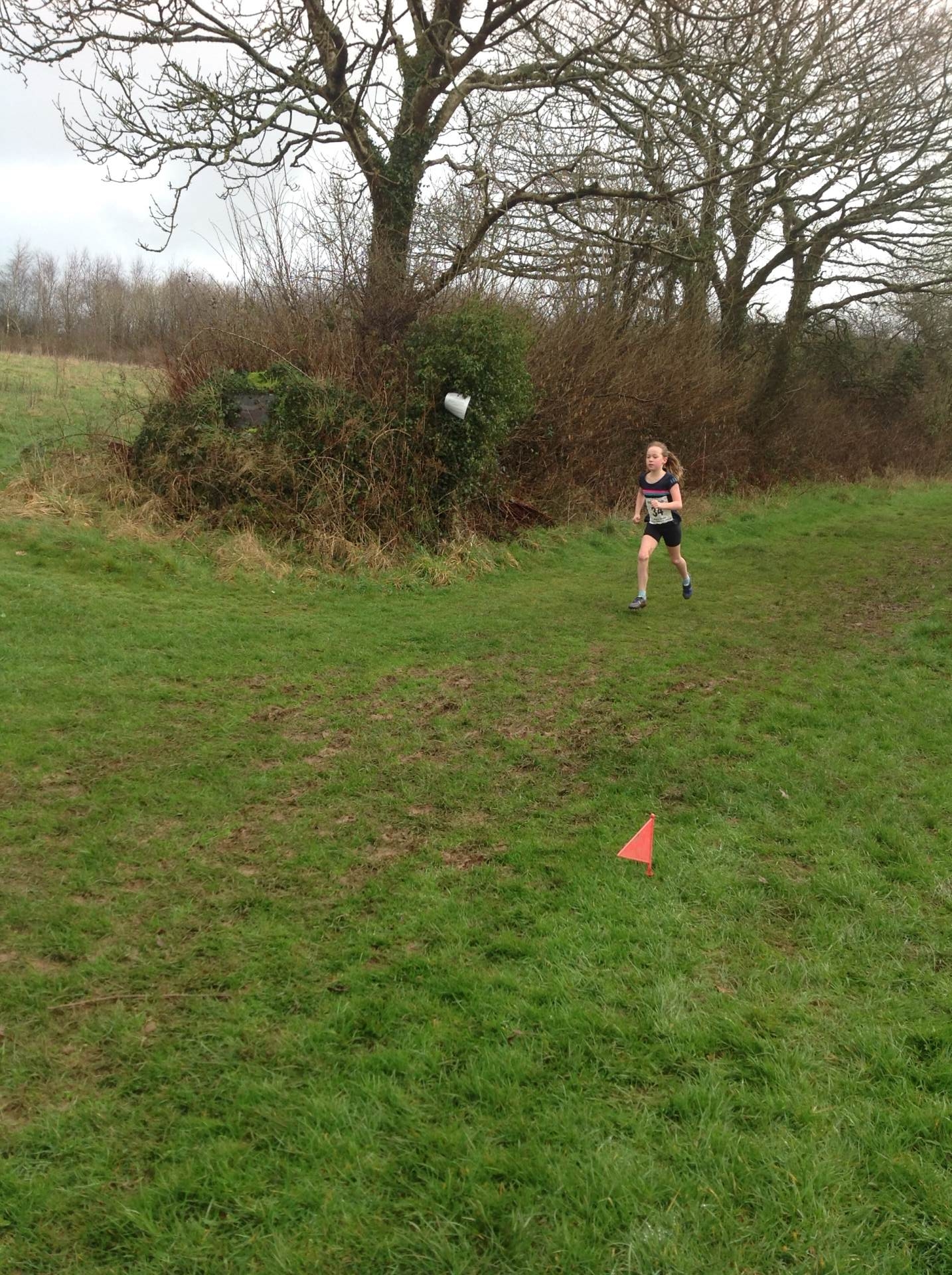
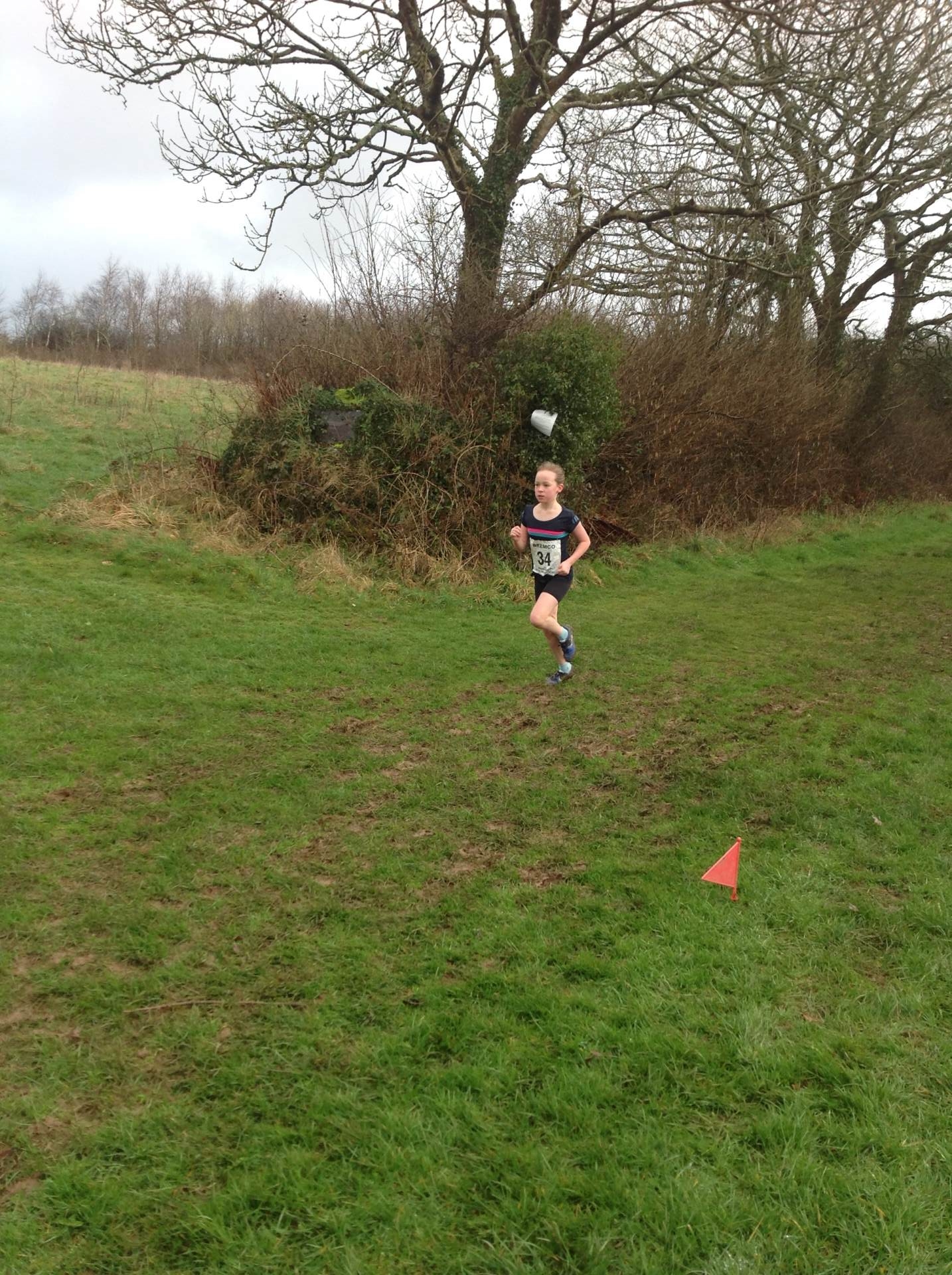
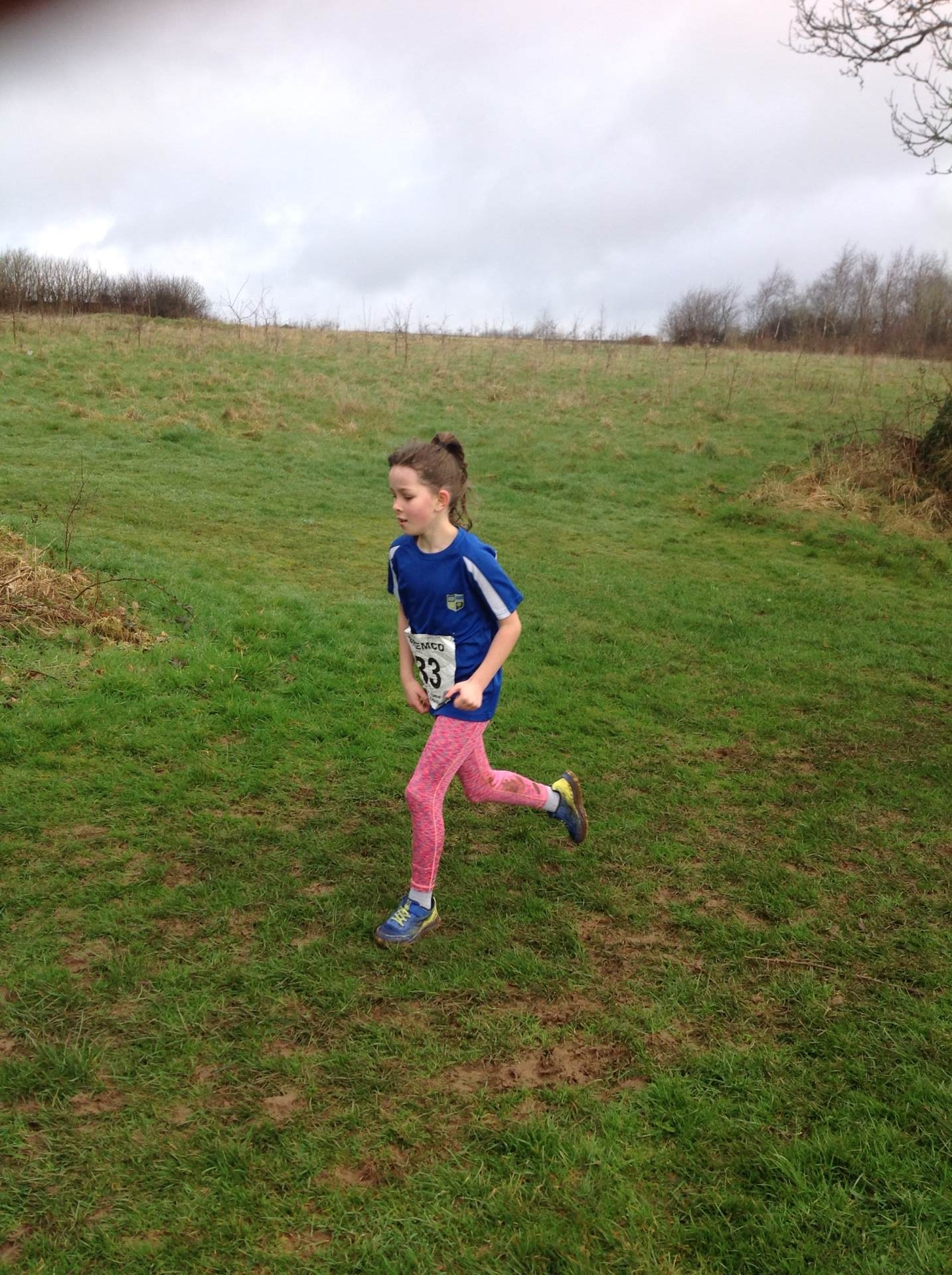
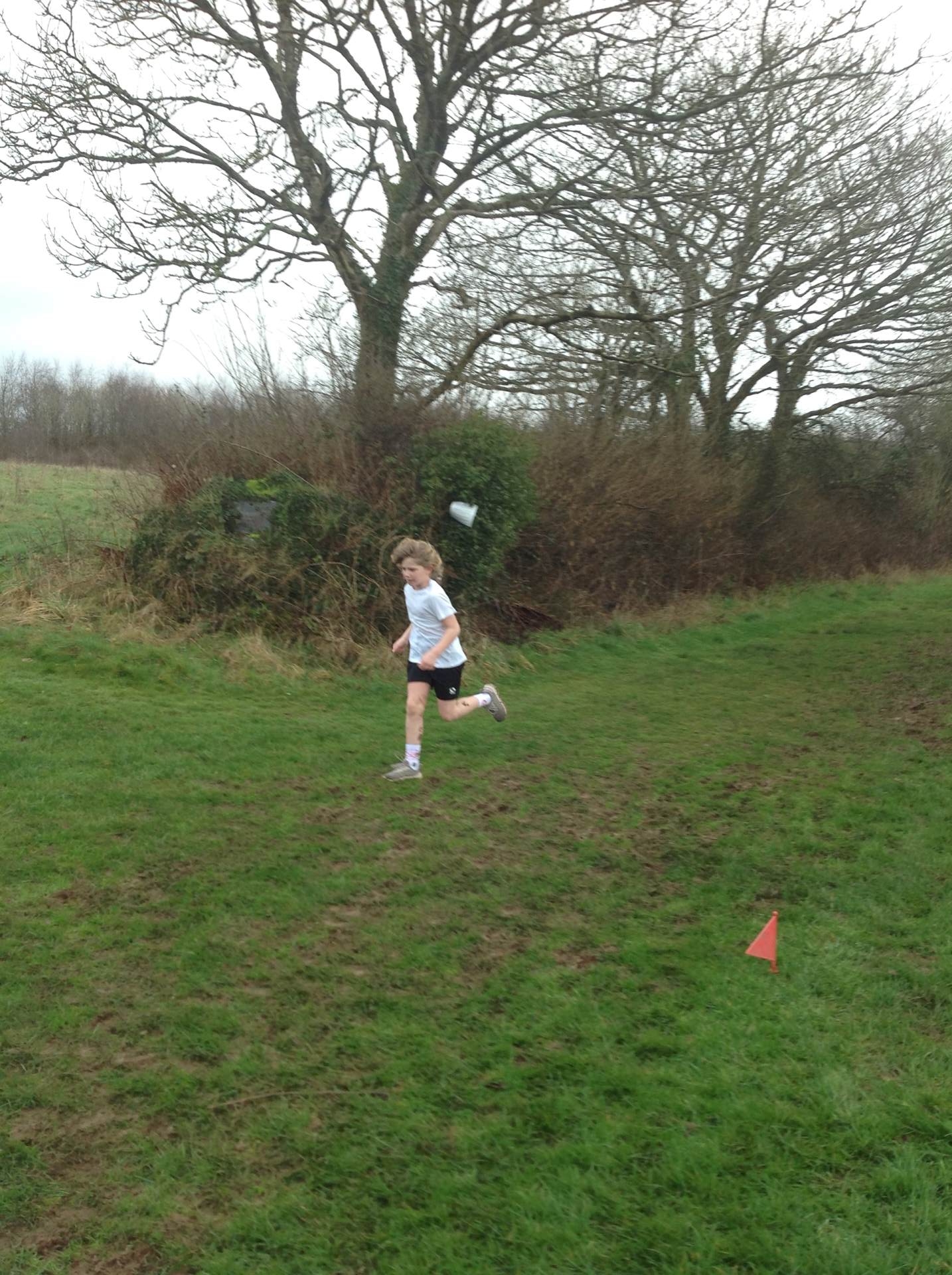
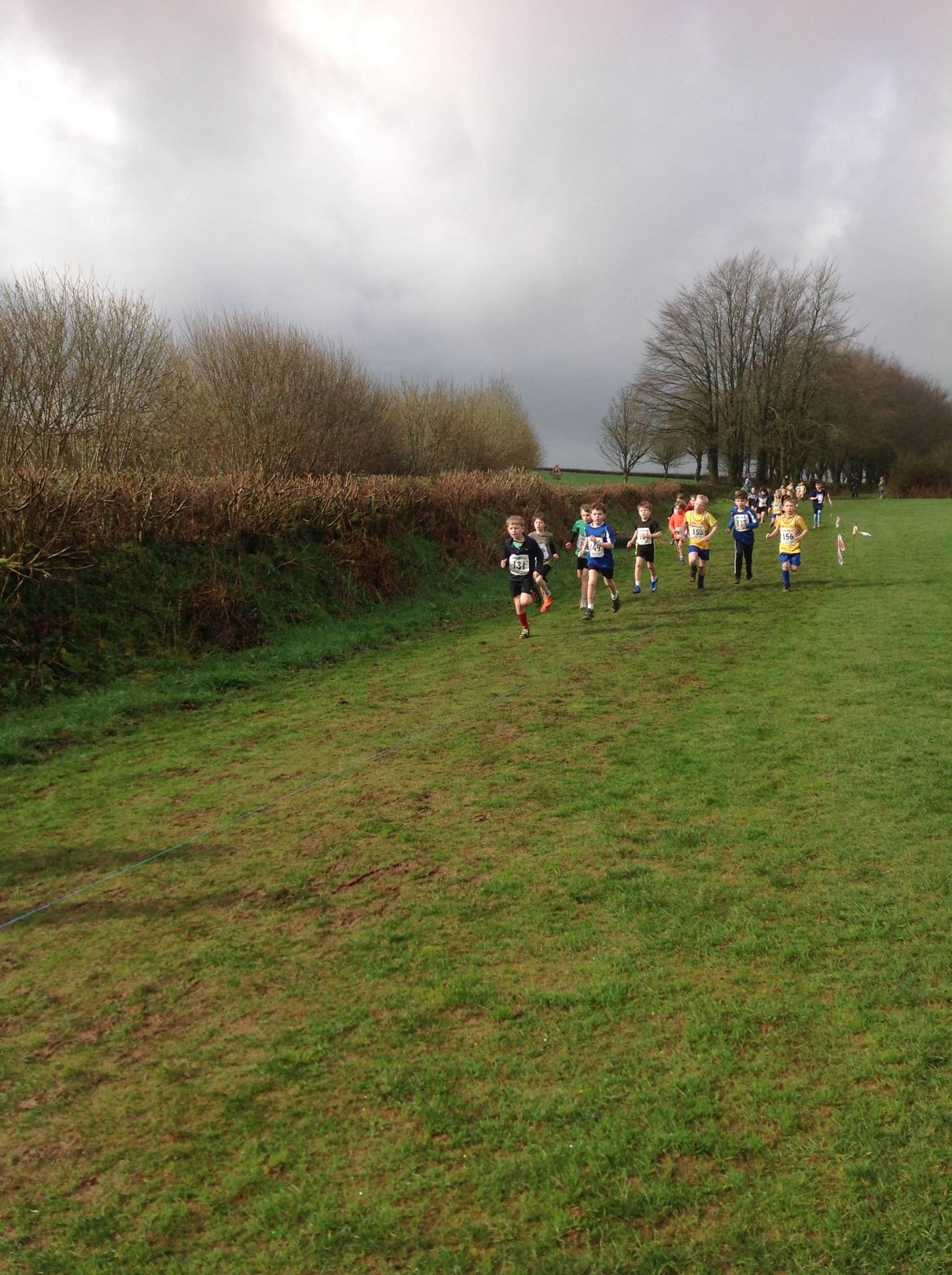
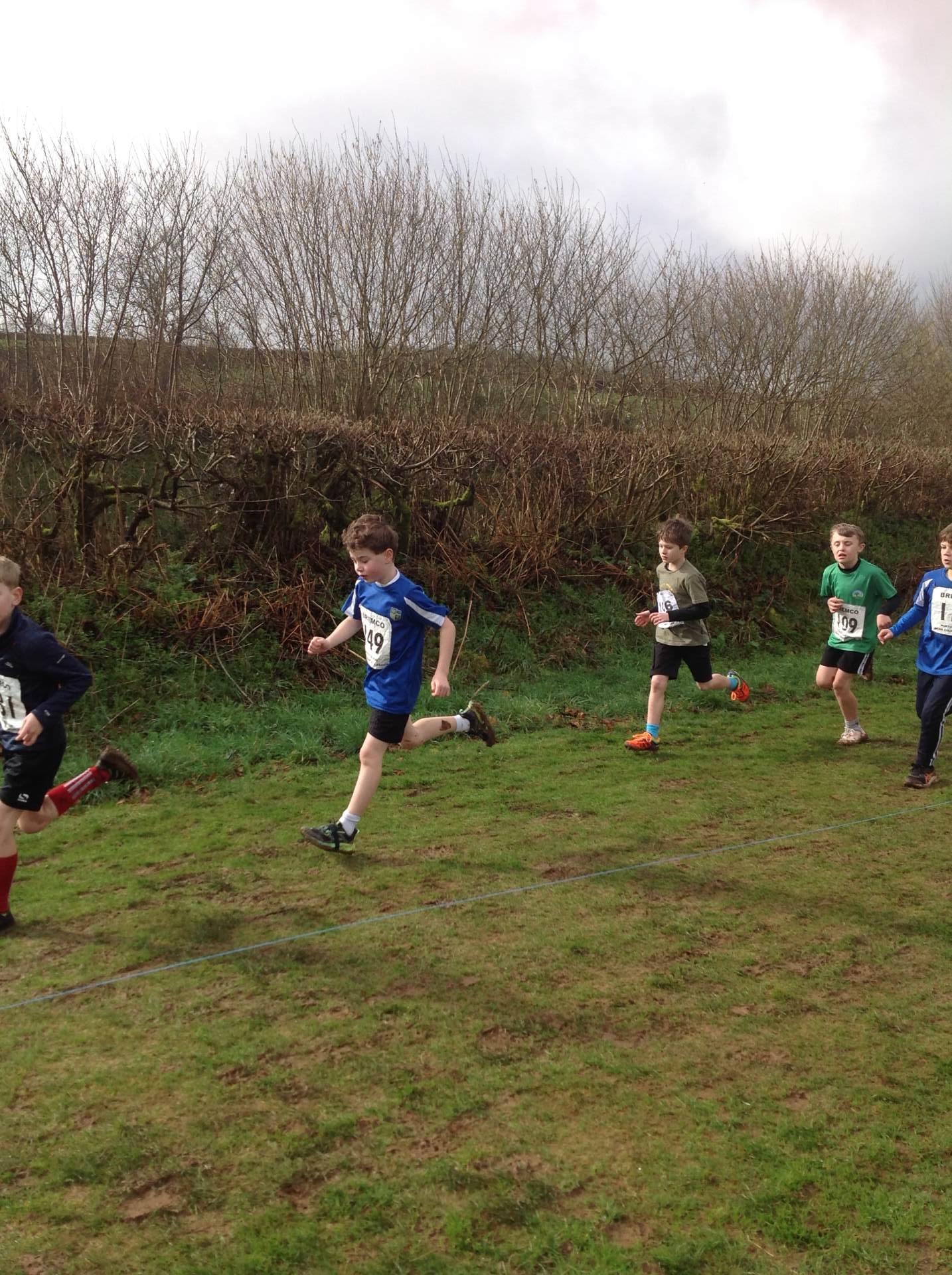
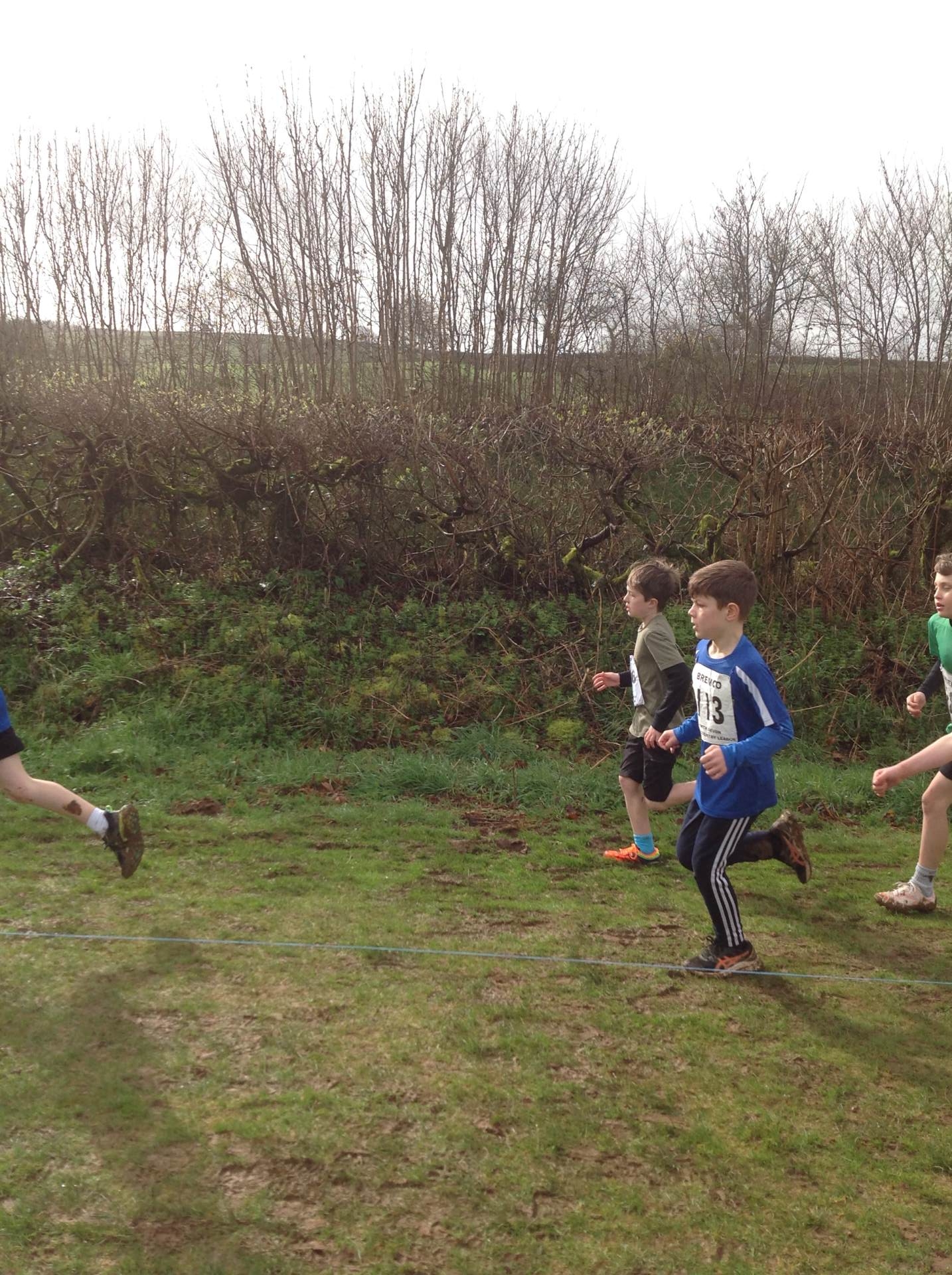
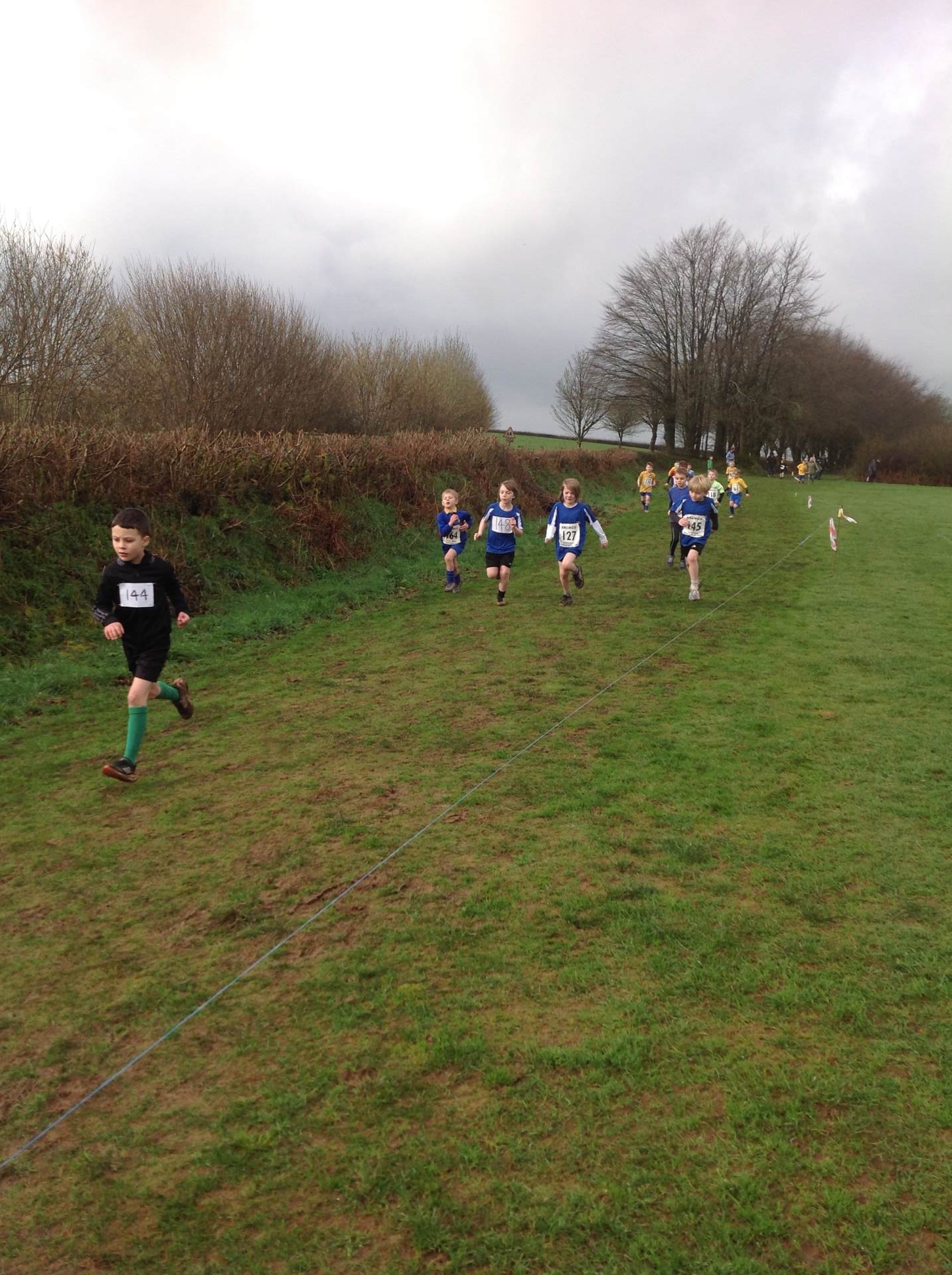
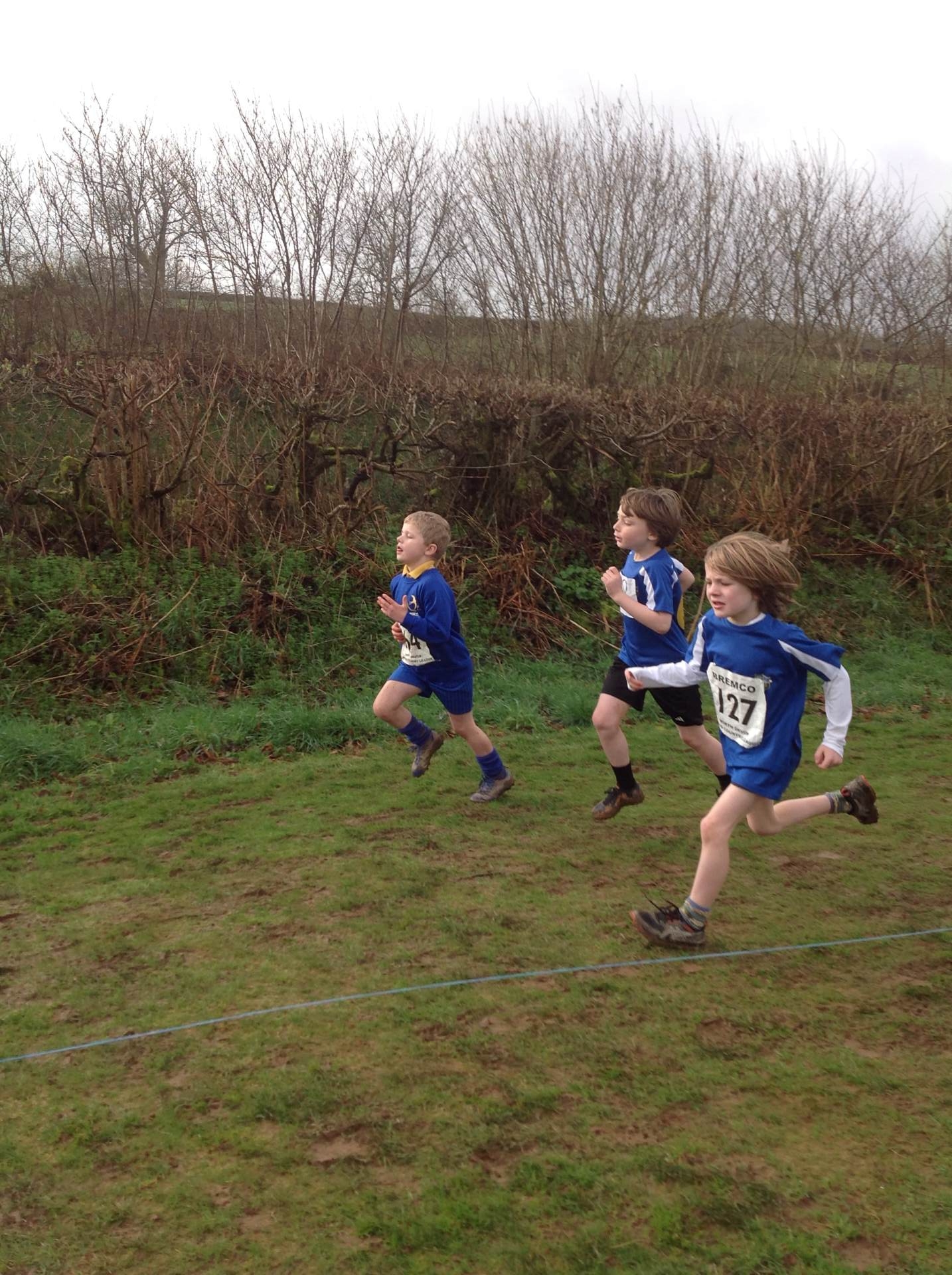
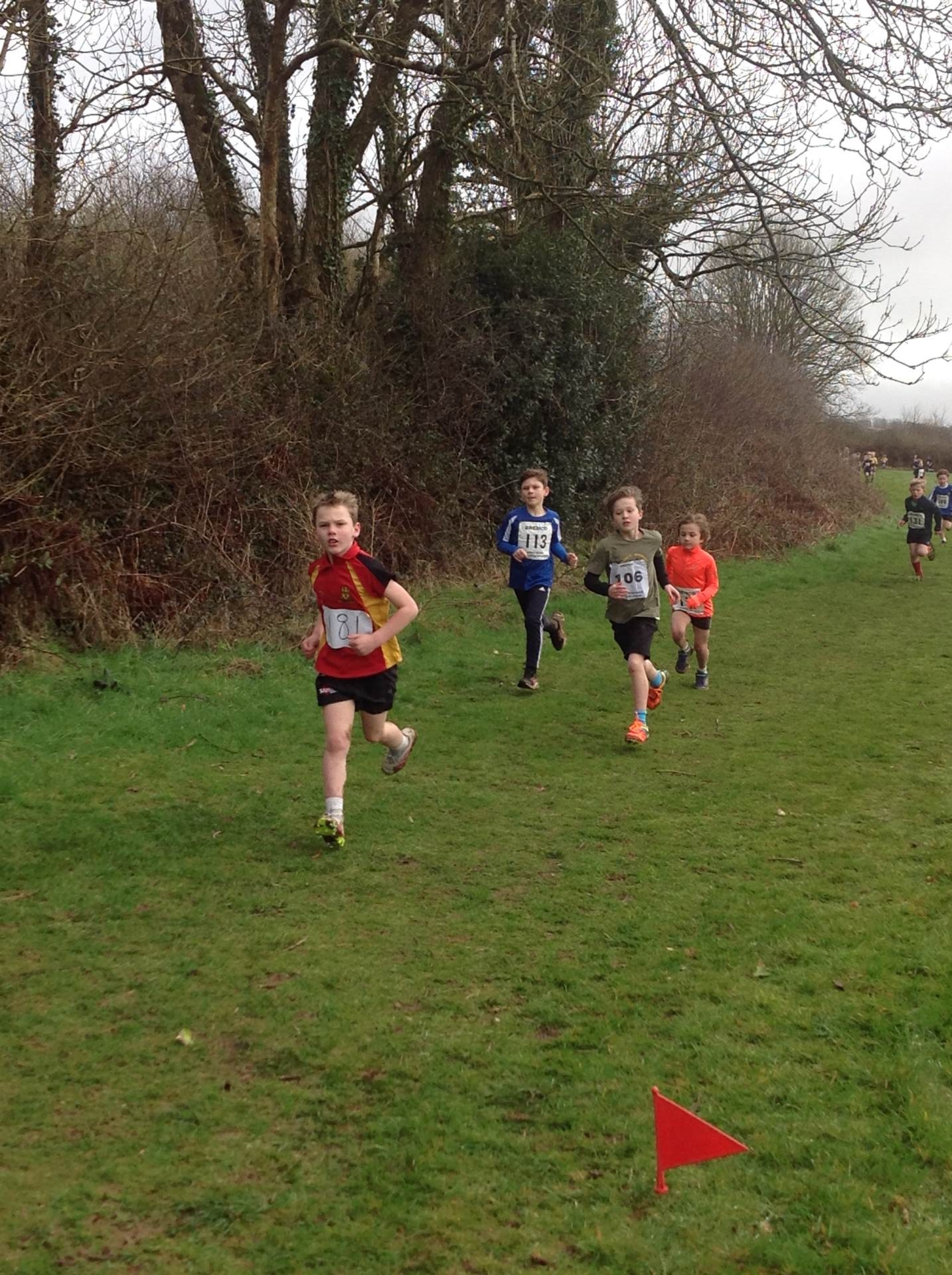
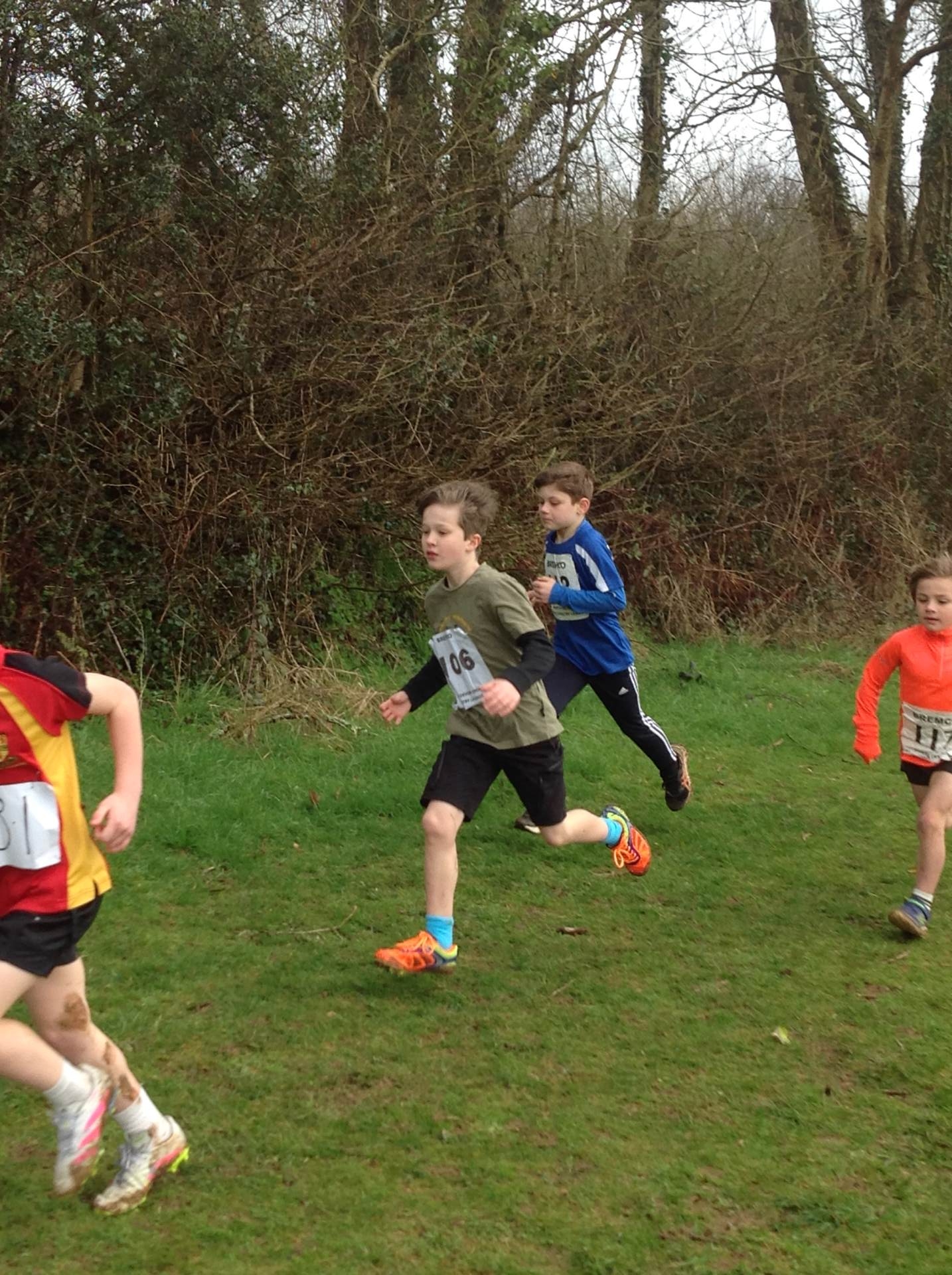
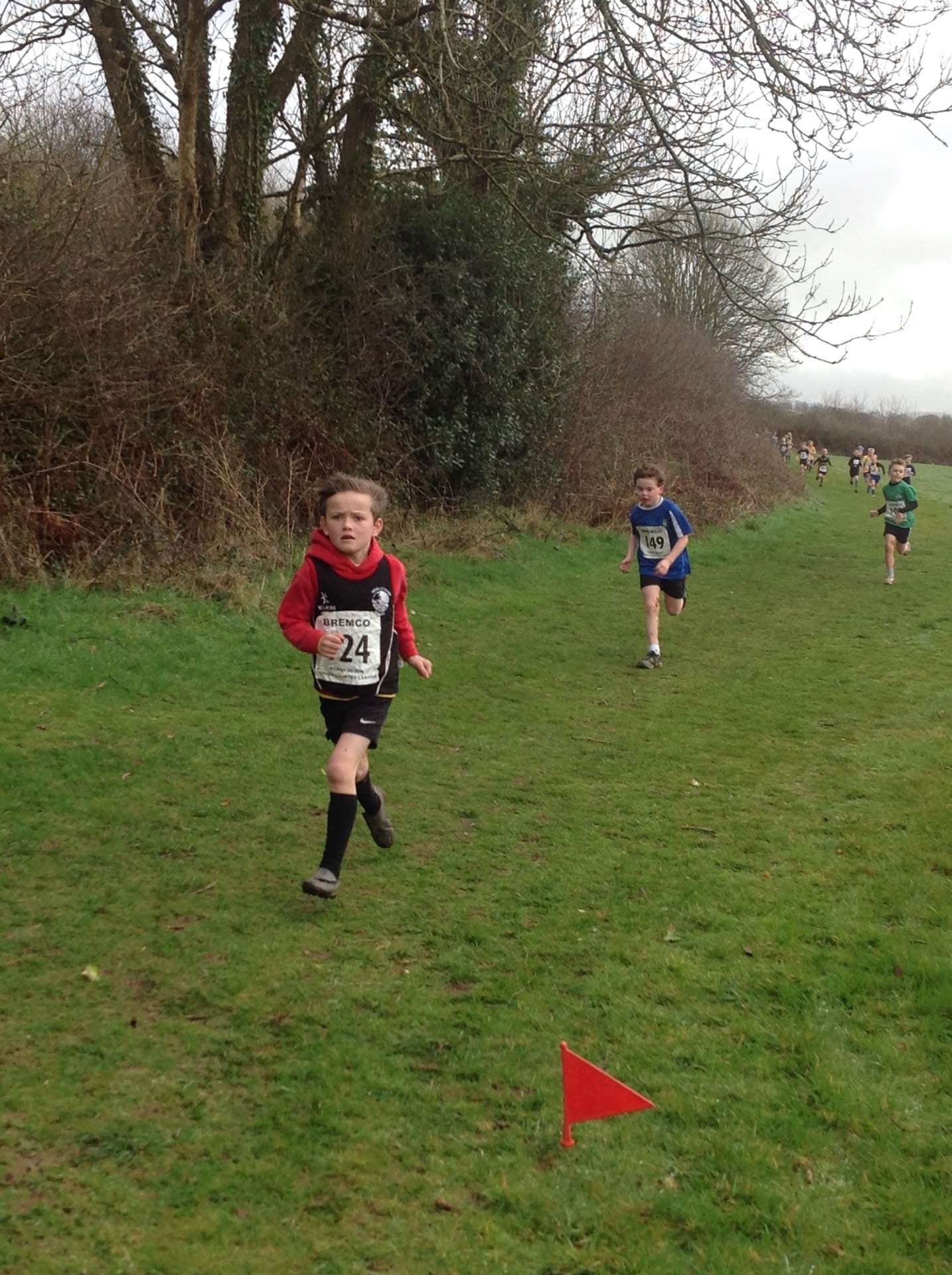
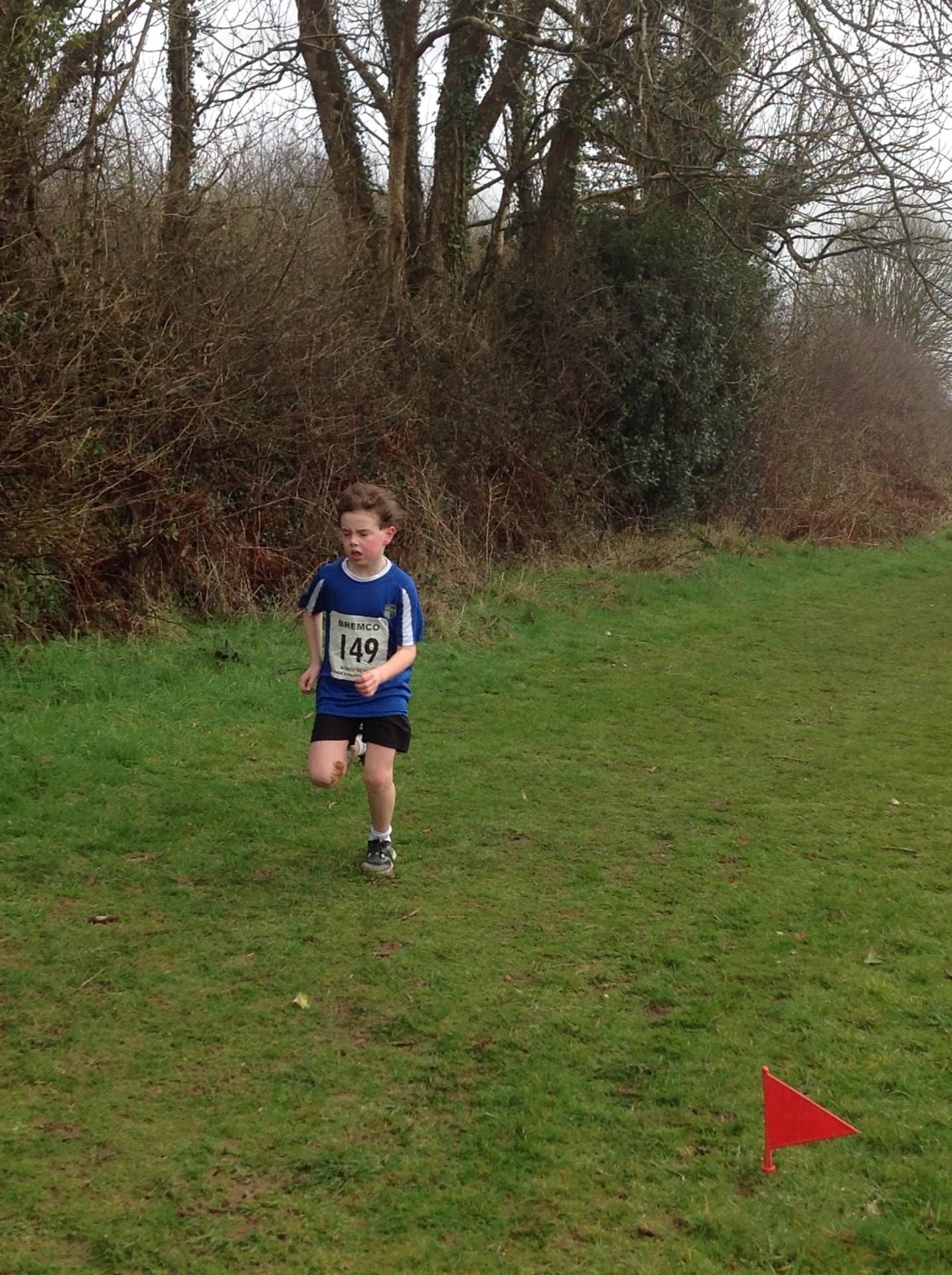
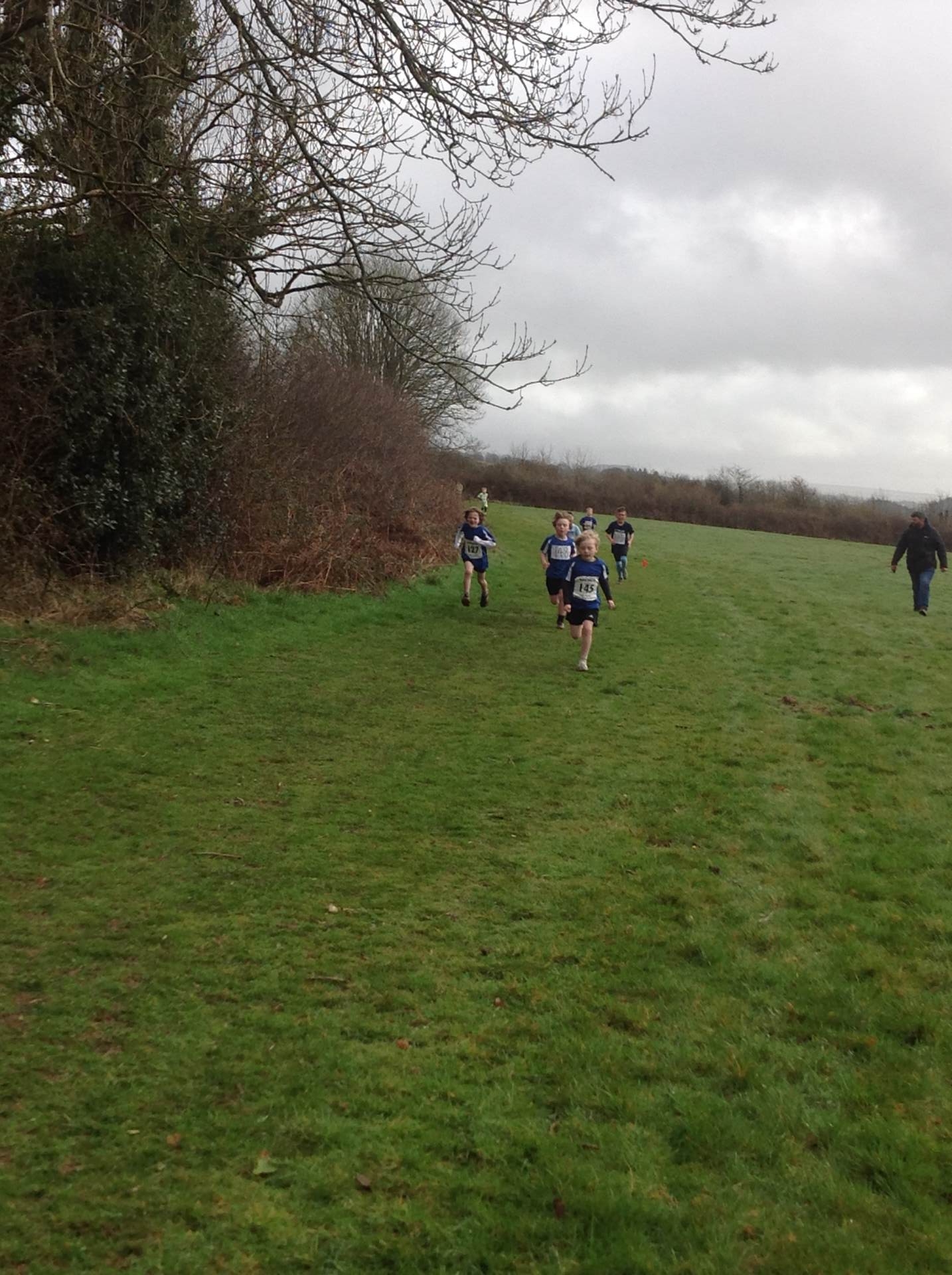
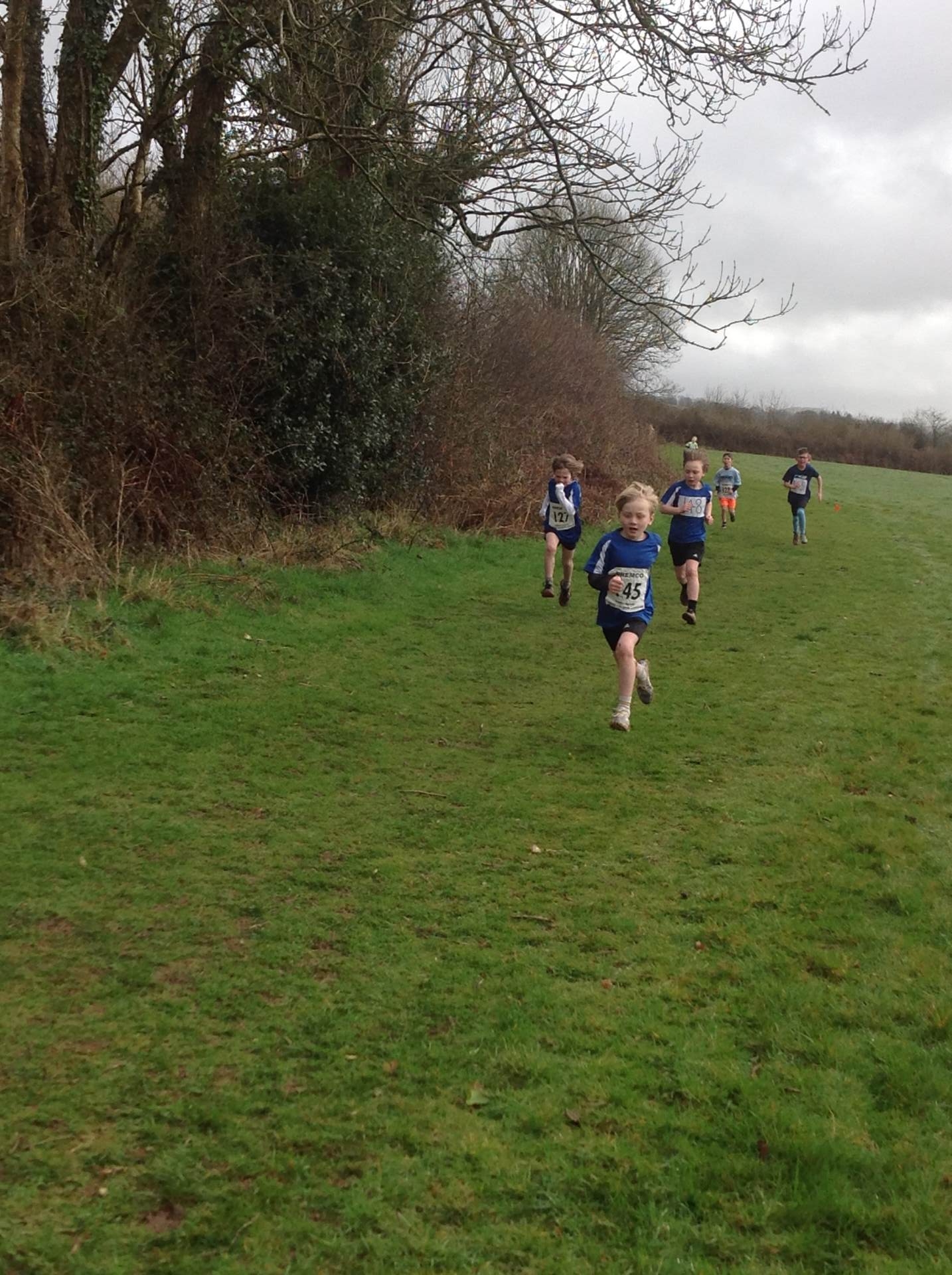
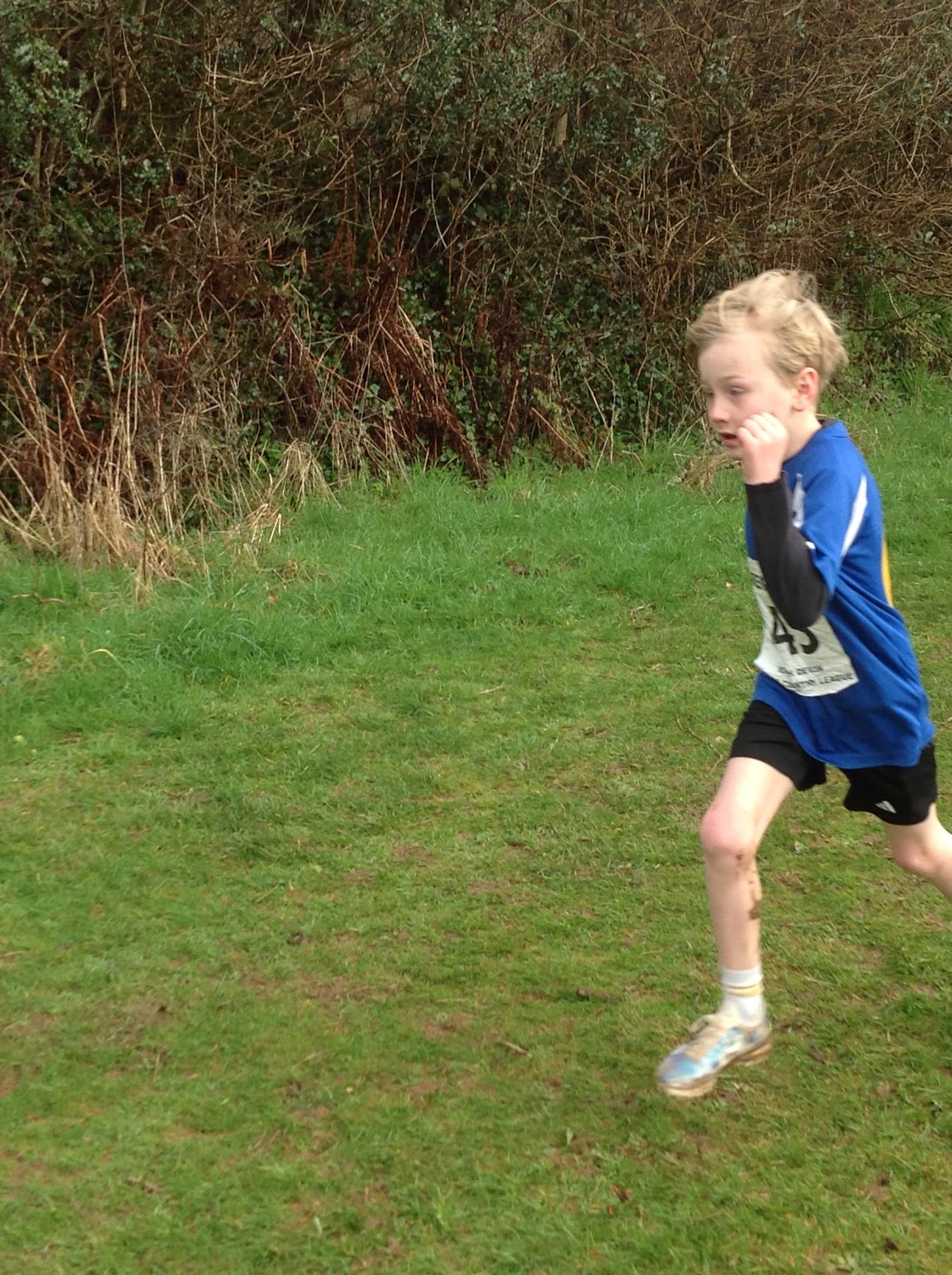
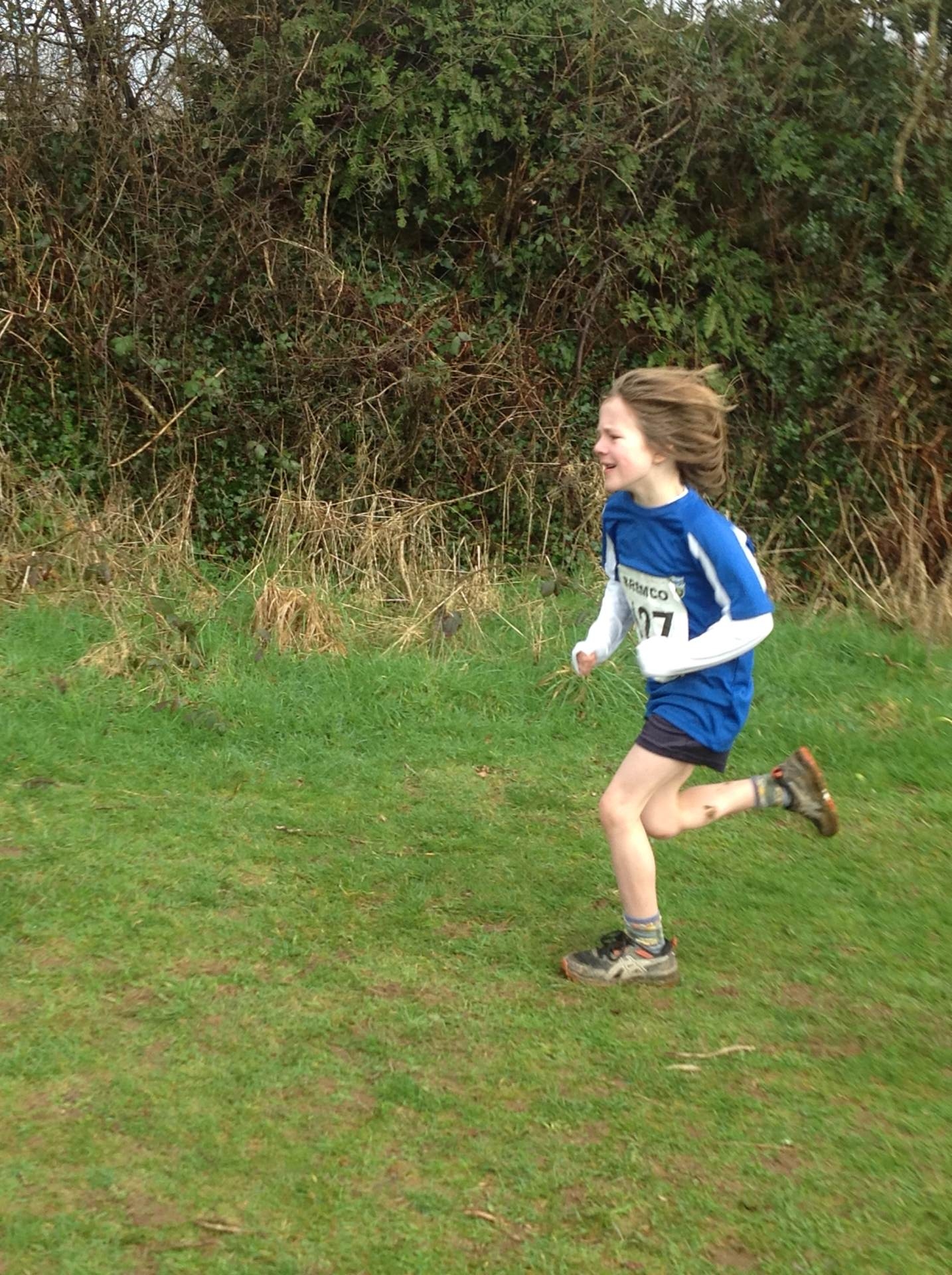
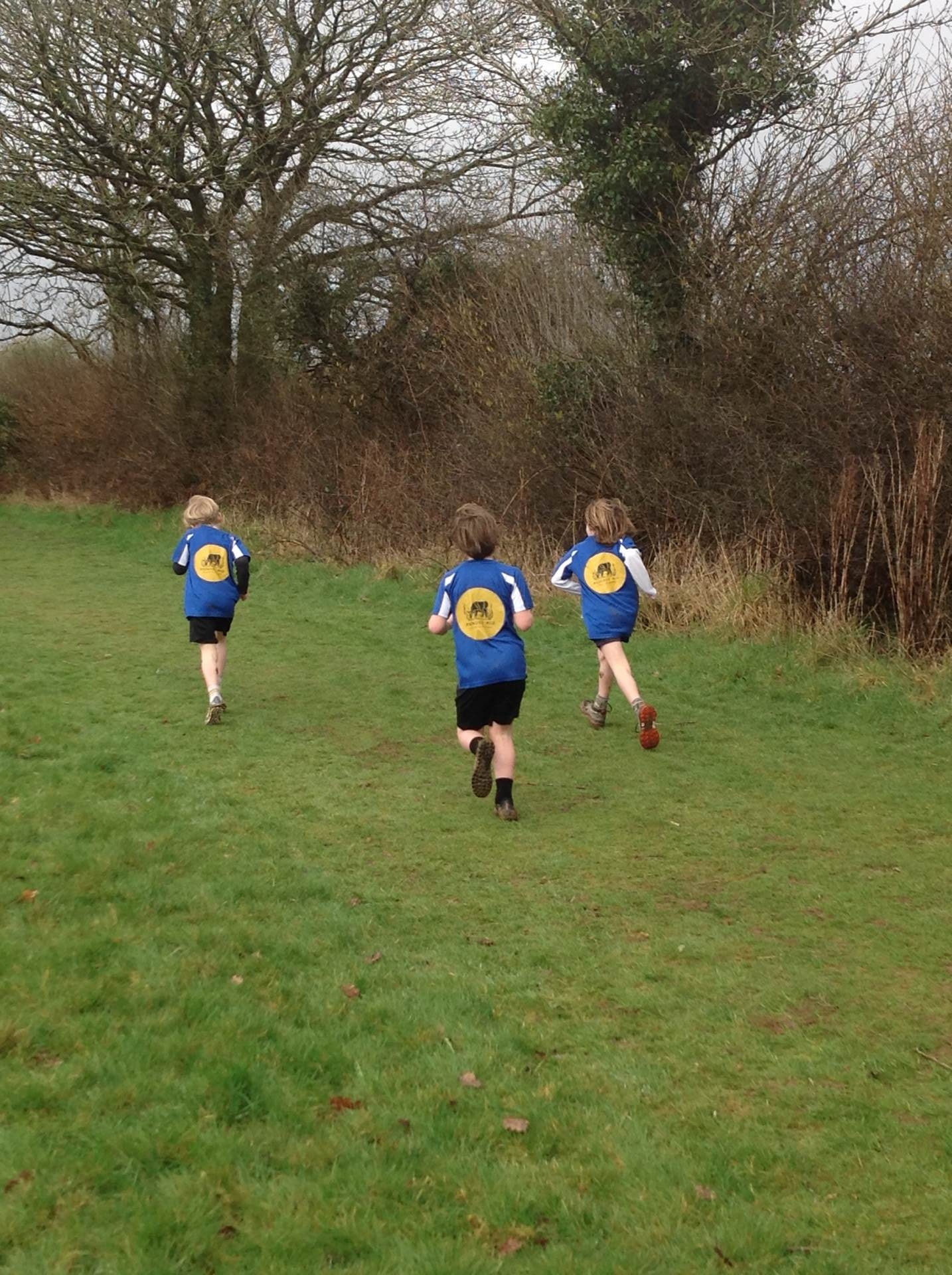
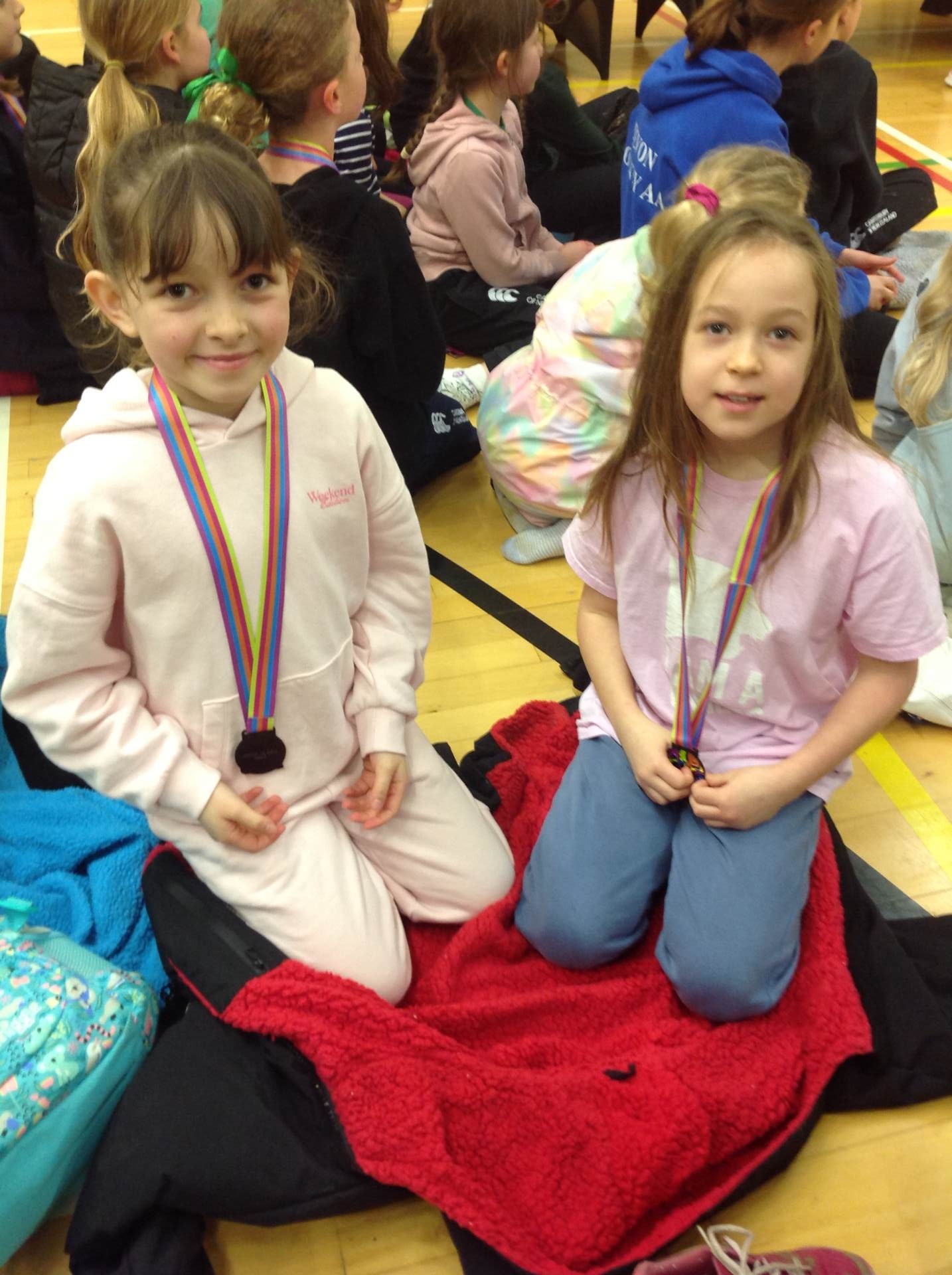
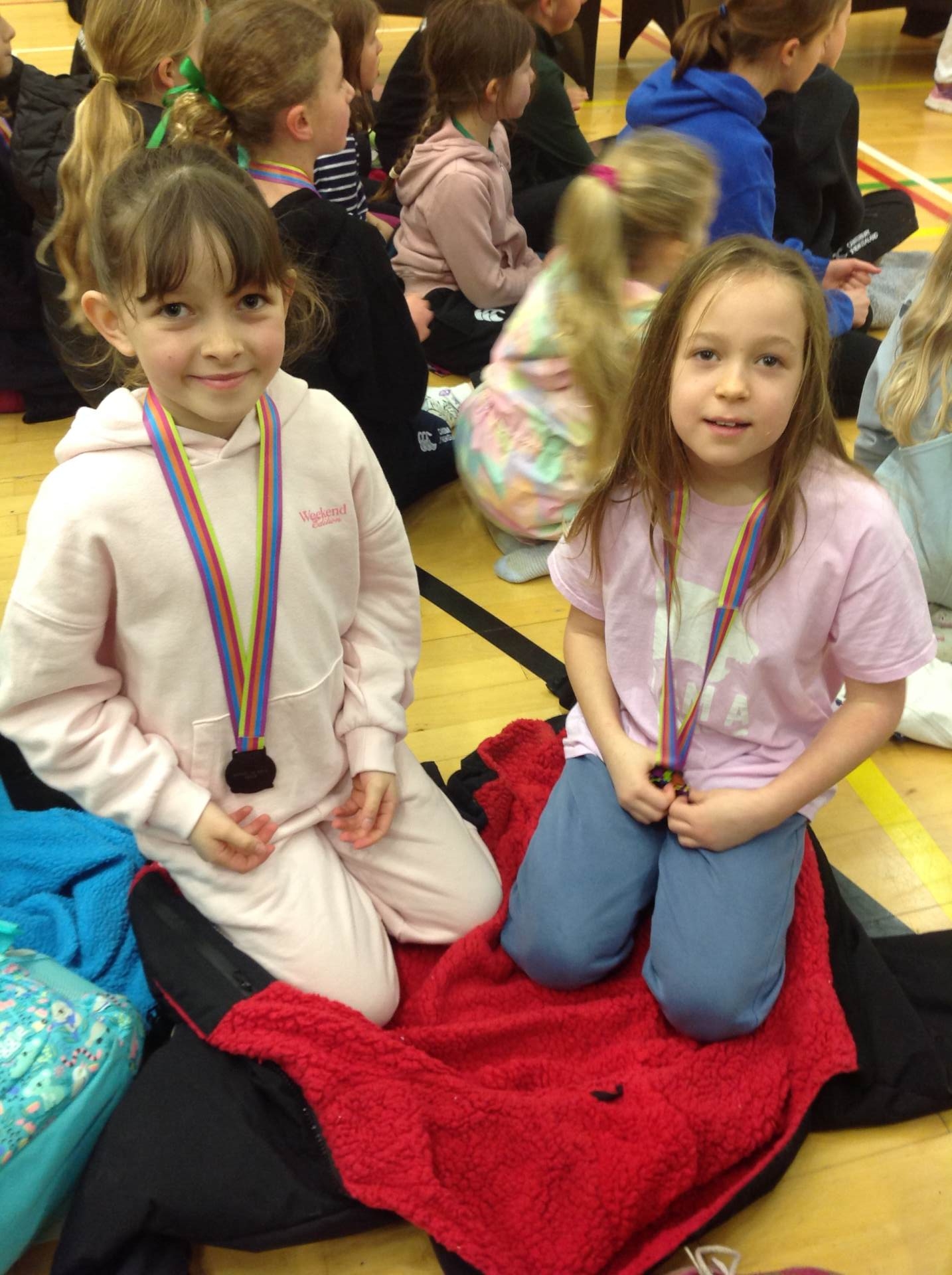
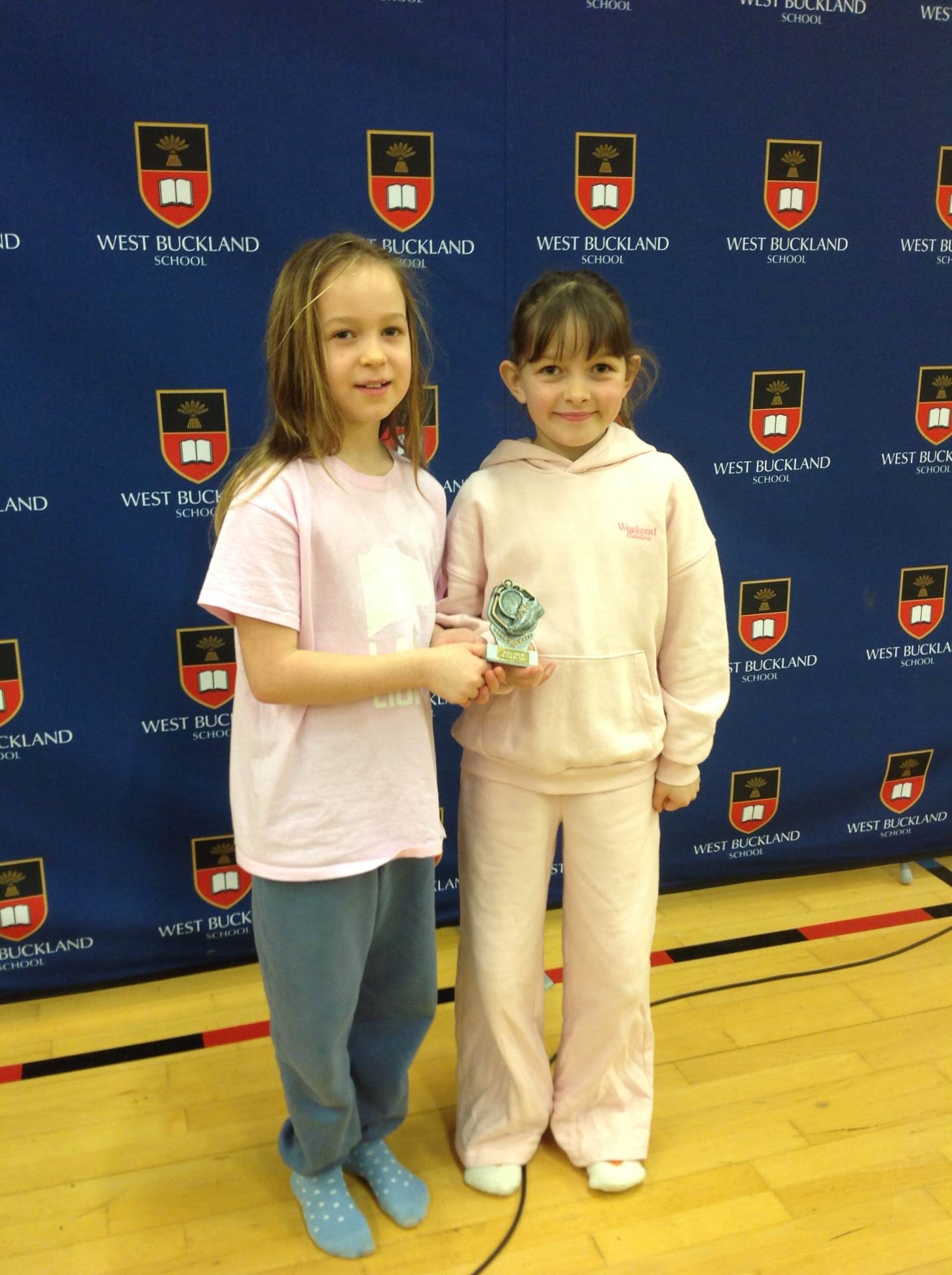
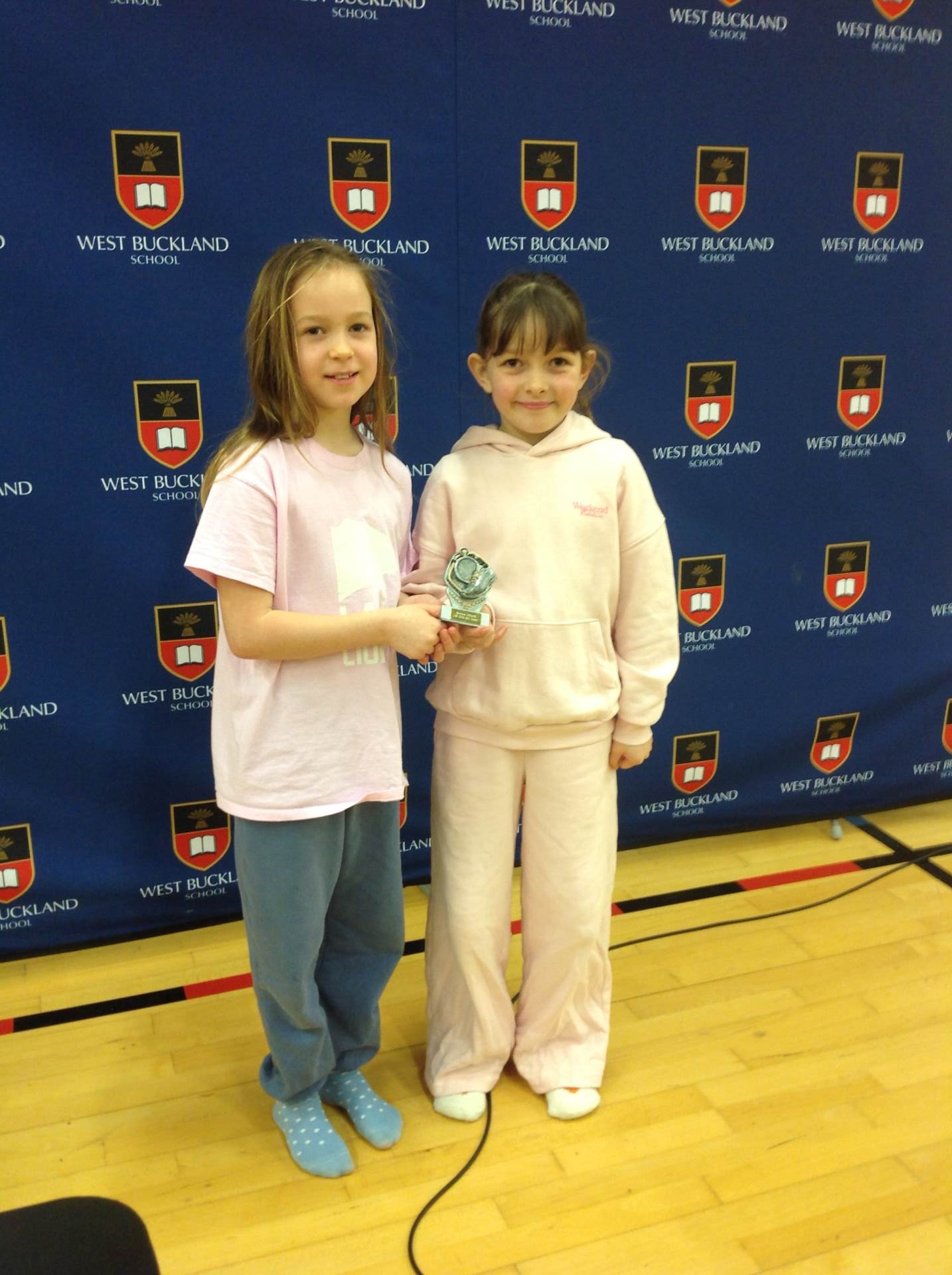
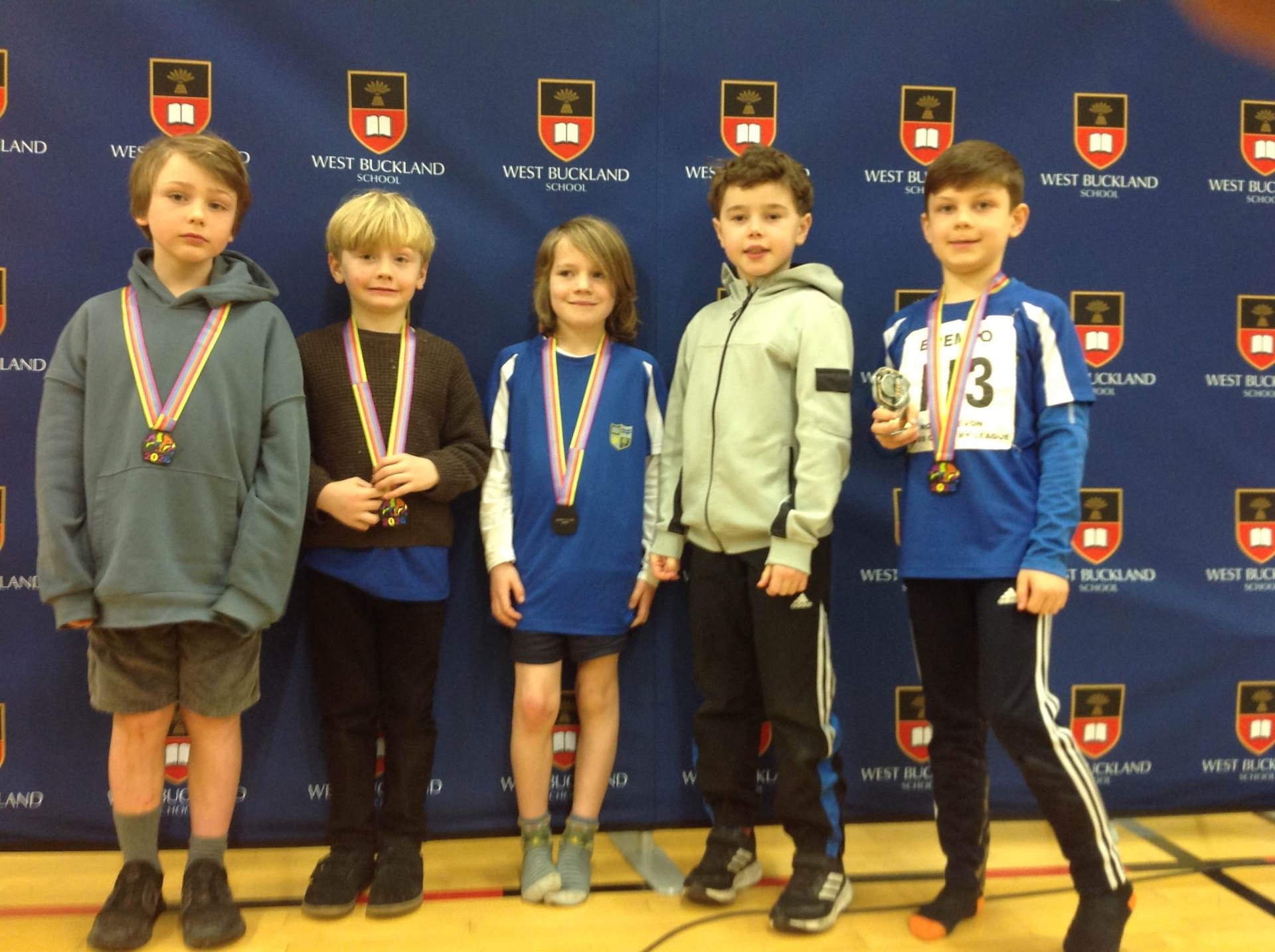
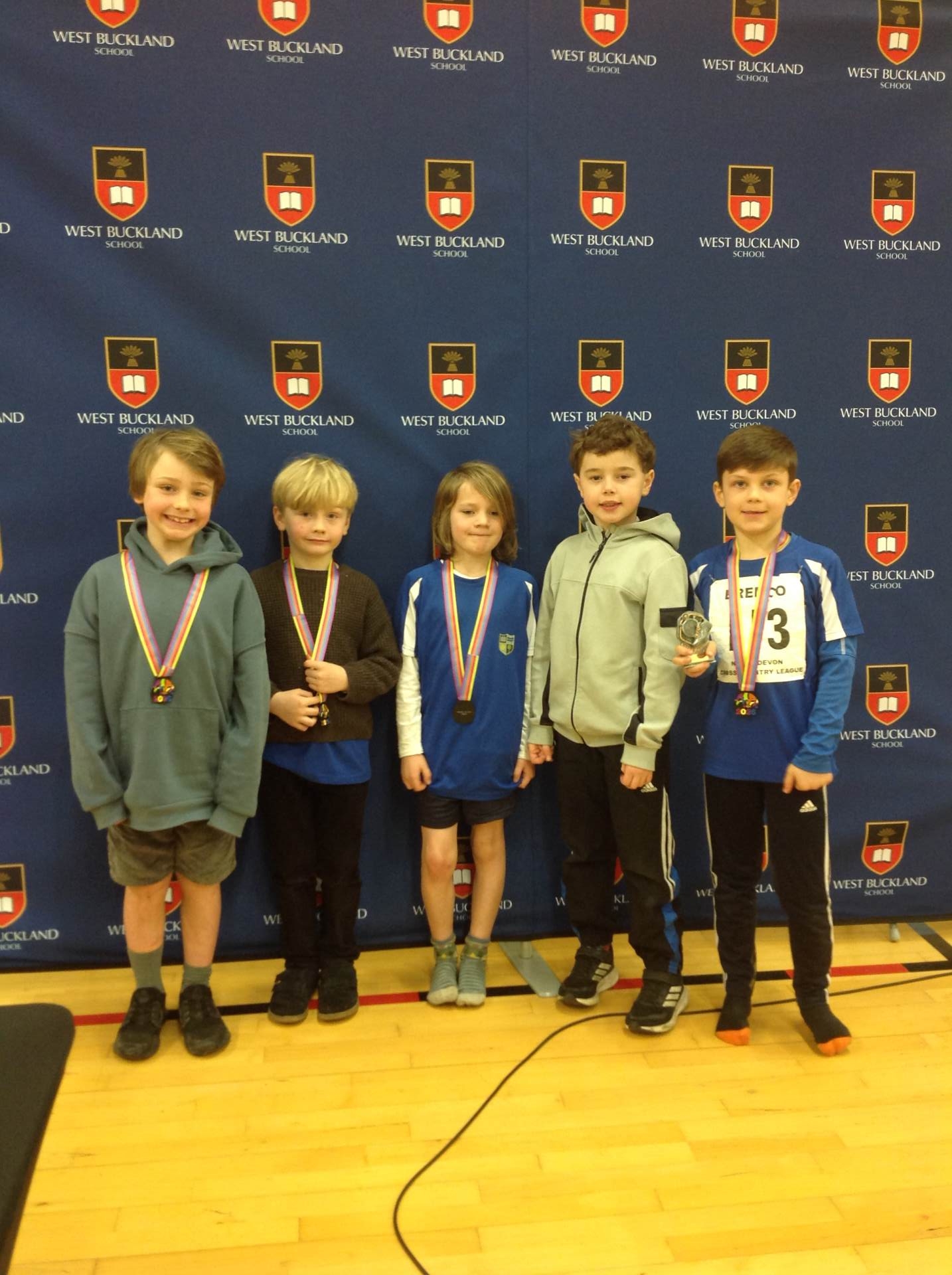
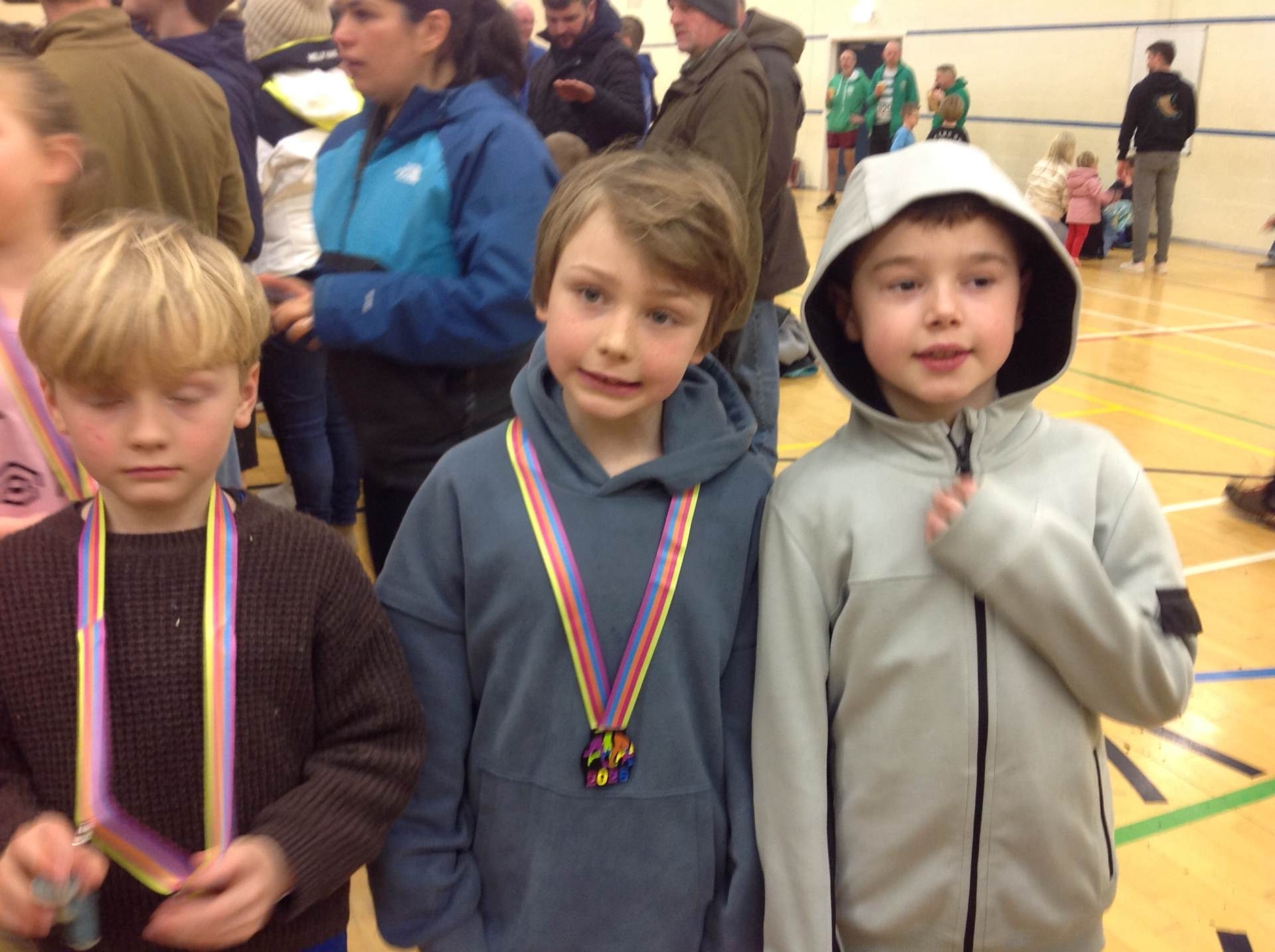
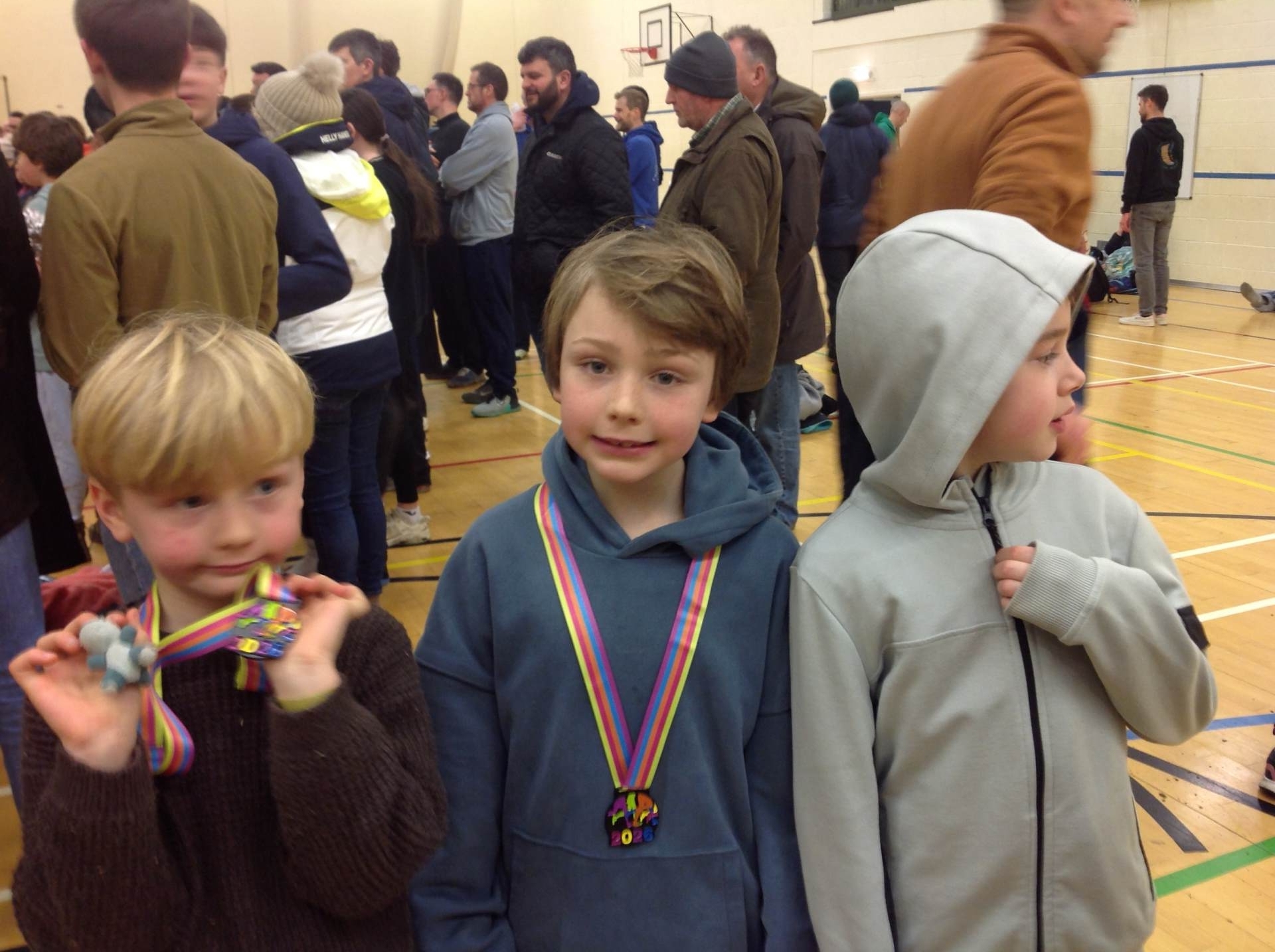
Children flying the flag for Marwood in the Bremco North Devon Cross Country League Final
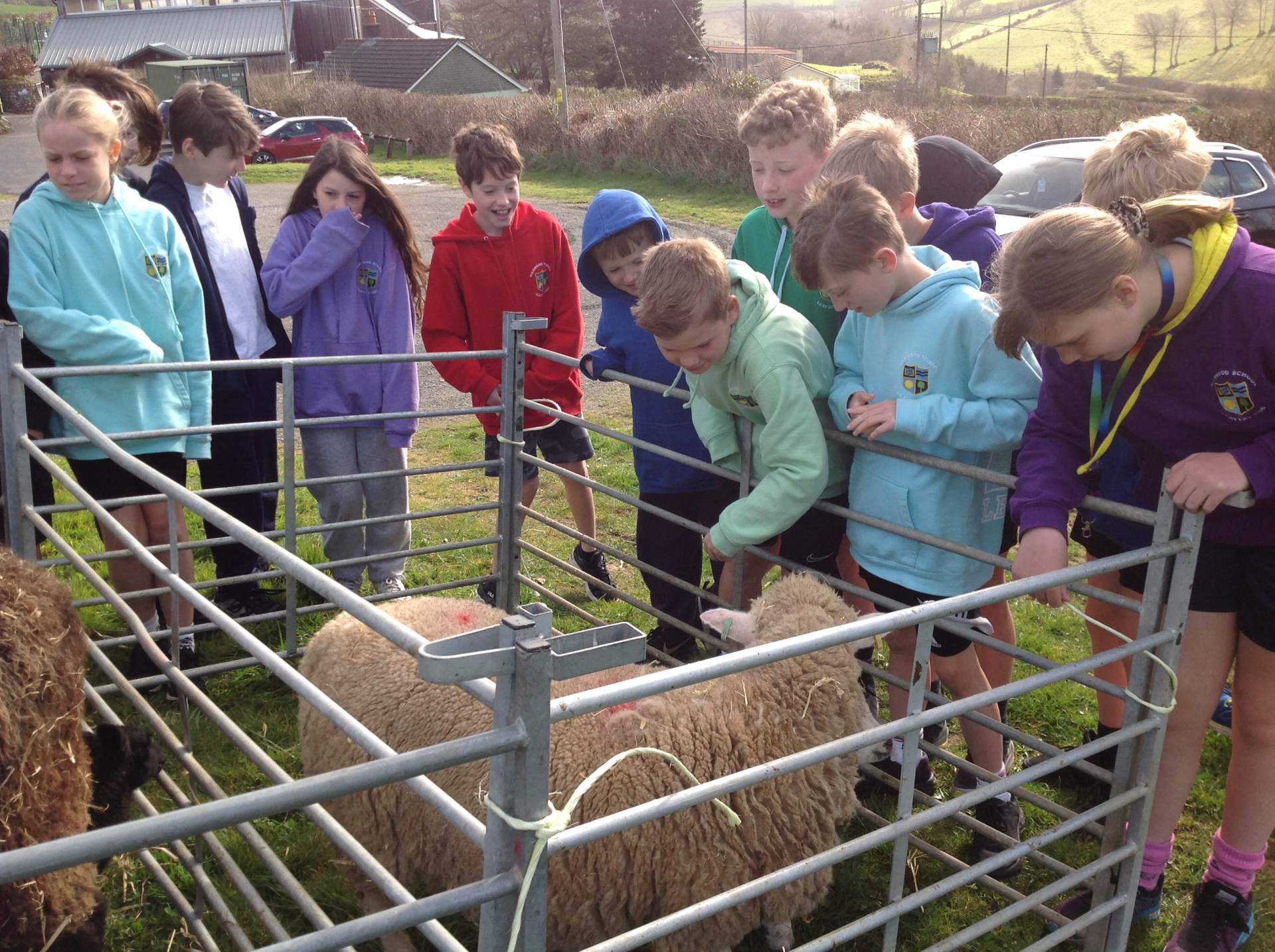
Farming STEMterprise 2025
Kids discover the science behind farming in muddy classroom - Devon Live
7. Behaviour & positive culture
Our behaviour approach focuses on relationships, consistency and clarity, using our SMART rules and explicit teaching of expectations during transitions, unstructured times and lessons.
This creates:
- A calm, safe and purposeful school
- Positive attitudes to learning
- High levels of self‑regulation and mutual respect
Behaviour at Marwood is not simply managed — it is taught.
marwood primary school behaviour curriculum 2.pdf
8. Inclusion, Equality and Wellbeing for All Pupils
We are incredibly proud of Marwood’s caring, inclusive ethos.
Every child is known, valued and supported here, and we work hard to make sure they have what they need to flourish.
Our approach to Ordinarily Available Inclusive Practice (OAIP) means that strong, thoughtful support is built into everyday classroom life. Teachers adapt learning, provide the right scaffolds and create nurturing routines so that all pupils can take part, feel confident and experience success.
This includes:
- Children with SEND
- Pupils who may be disadvantaged
- Children known to social care
- Anyone experiencing emotional or family challenges
We keep a close eye on how children are getting on — not just academically, but in their wellbeing, friendships, confidence and enjoyment of school. When a child needs something extra, we work quickly and sensitively with families to put the right support in place.
At Marwood, inclusion isn’t a policy - it’s who we are.
Impact: What do our children gain?
By the time they leave Marwood, our aim is for pupils to be:
- Emotionally literate and resilient
- Respectful, caring and socially confident
- Knowledgeable about healthy relationships and safety
- Able to express themselves and listen to others
- Curious, creative and independent learners
- Active citizens with a strong sense of belonging
- Ready for the next stage of education and life
Feedback from pupils, families, secondary schools and governors confirms that Marwood children are very well-prepared for the wider world.